menu

Winter Roof Maintenance Tips in Indianapolis – Protect Your Home from Freeze-Thaw Damage and Ice Dam Formation

Learn how to winterize your roof against Indianapolis's harsh freeze-thaw cycles, prevent ice dam buildup, and extend your roof's lifespan with our comprehensive cold weather roofing upkeep checklist.

Slider Image 1
Slider Image 2
Slider Image 3
Slider Image 4
Slider Image 5
Slider Image 7
Slider Image 8
Slider Image 9
Slider Image 10
Slider Image 11

Why Indianapolis Winters Demand Strategic Roof Preparation

Indianapolis winters expose your roof to conditions that most homeowners underestimate. The city experiences an average of 26 freeze-thaw cycles each winter, a pattern where temperatures hover around freezing, causing snow and ice to melt during the day and refreeze at night. This cycle forces water into the smallest cracks in shingles, flashing, and underlayment. When that water refreezes, it expands by roughly 9%, creating stress fractures that compound with each cycle.

The humid continental climate means Indianapolis sees significant snowfall mixed with sudden temperature spikes. Neighborhoods like Broad Ripple and Fountain Square, with their older housing stock and mature tree canopies, face additional risks from ice-laden branches and clogged gutters. Without proper preparing your roof for winter, you expose your home to ice dams, which form when heat escapes through inadequate attic insulation, melting snow on the upper roof. That melt refreezes at the colder eaves, creating a dam that forces water under shingles and into your home.

Your winter roof care guide starts with understanding these specific threats. The clay-heavy soil around Indianapolis shifts with freeze-thaw cycles, potentially affecting structural alignment and putting stress on roof attachment points. Add in wind gusts from Midwestern storm systems, and you face a winter that tests every weakness in your roofing system. A comprehensive roof maintenance checklist for winter addresses these vulnerabilities before the first hard freeze.

Why Indianapolis Winters Demand Strategic Roof Preparation
The Eight-Point Cold Weather Roofing Upkeep System

The Eight-Point Cold Weather Roofing Upkeep System

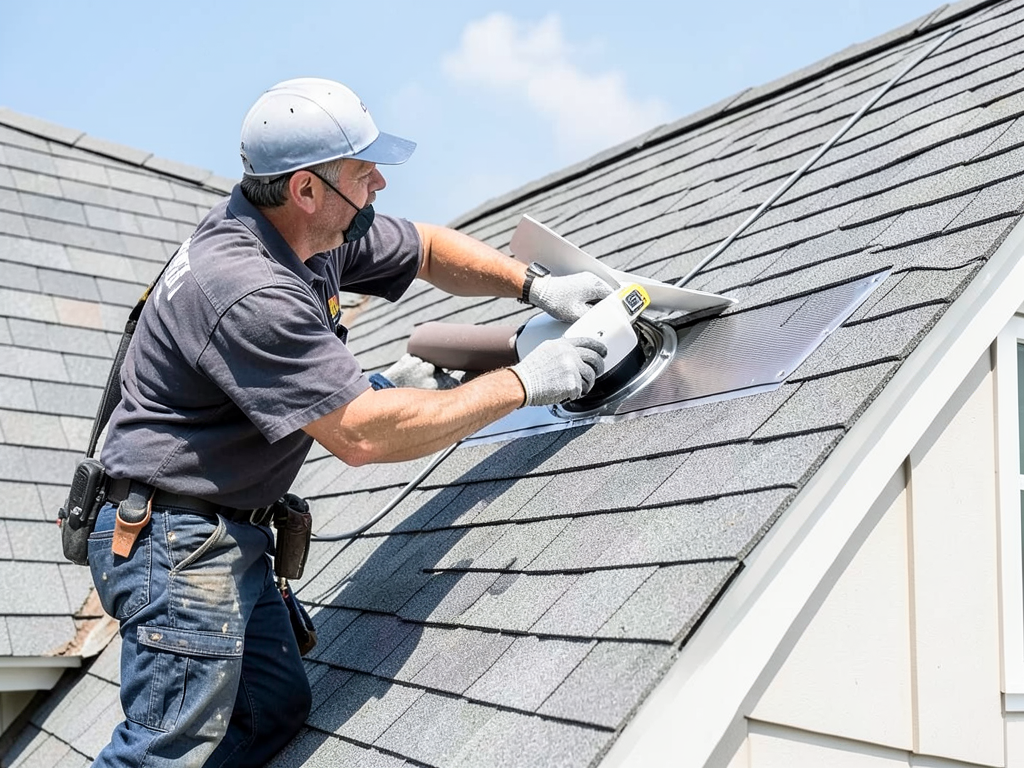
Effective winterizing your roof requires a systematic approach that addresses both visible and hidden vulnerabilities. Start with a thorough inspection of all flashing, the metal strips that seal roof penetrations like chimneys, vent pipes, and skylights. Flashing deteriorates faster in freeze-thaw conditions because the sealant contracts and expands repeatedly. Check for gaps, rust, or lifted edges that allow water infiltration.

Next, examine your shingles for curling, missing granules, or lifted corners. Asphalt shingles become brittle in cold temperatures, making them vulnerable to wind damage. Look for algae streaks or moss growth, particularly on north-facing slopes that receive less sunlight. These organisms retain moisture against the shingle surface, accelerating deterioration during freeze-thaw cycles.

Your gutters and downspouts form a critical drainage system. Remove all debris, paying special attention to valley areas where two roof planes meet. Water concentrates in these valleys, and any blockage creates pooling that leads to ice dam formation. Ensure downspouts direct water at least six feet from your foundation to prevent basement seepage and soil erosion.

Attic ventilation and insulation work together to maintain consistent roof temperature. Install baffles between rafters to ensure airflow from soffit vents to ridge vents. Verify insulation depth meets current building codes, typically R-49 for Indianapolis climate zone 5. Without adequate insulation, heat escapes through your roof deck, melting snow and creating the conditions for ice dams. Seal any air leaks around chimneys, recessed lights, and attic access points to prevent warm air from reaching the roof deck.

Your Step-by-Step Winter Roof Protection Timeline

Winter Roof Maintenance Tips in Indianapolis – Protect Your Home from Freeze-Thaw Damage and Ice Dam Formation
01

Pre-Winter Roof Inspection

Schedule your inspection before temperatures drop below 50 degrees, when sealants remain pliable and repairs cure properly. A professional examines all roof penetrations, checks flashing integrity, inspects shingle condition, and evaluates attic ventilation. This assessment identifies vulnerabilities before winter weather exploits them. Document all findings with photos and create a prioritized repair list based on severity and water infiltration risk.
02

Critical Repairs and Prevention

Address identified issues immediately. Replace damaged shingles, reseal flashing, clean gutters, and verify proper attic insulation depth. Install heat cables in problem areas prone to ice dam formation. Trim overhanging branches that could fall under ice weight. Apply zinc or copper strips below the ridge line to prevent algae growth during wet winter months. Complete all exterior work before sustained freezing temperatures arrive.
03

Post-Storm Monitoring and Response

After each significant snow or ice event, conduct a visual inspection from ground level. Look for ice dam formation at eaves, icicles larger than six inches, sagging gutters, or visible snow melt patterns that indicate heat loss. Remove excess snow accumulation beyond 12 inches using a roof rake from the ground. Document any new damage and address it immediately to prevent compounding issues through repeated freeze-thaw cycles.

Why Local Expertise Matters for Indianapolis Roof Winterization

Indianapolis's unique climate patterns demand specific knowledge that general roofing advice cannot address. Elite Roofing Indianapolis understands how the city's position at the convergence of humid southern air and cold Canadian systems creates volatile winter weather. We know which neighborhoods face higher ice dam risks based on tree coverage, housing age, and architectural style.

The city's historic districts, including Meridian-Kessler and Butler-Tarkington, feature homes built before modern building codes mandated proper ventilation and insulation. These structures require customized solutions that respect architectural integrity while providing modern protection. We work within historic preservation guidelines while implementing effective cold weather roofing upkeep strategies.

Local building codes require specific wind resistance ratings and installation methods. Indianapolis falls in wind zone 2, requiring shingles rated for 110 mph winds. Many national providers overlook these requirements or apply generic standards. We ensure every repair and replacement meets or exceeds local code requirements, protecting both your home and your insurance coverage.

Our familiarity with local material suppliers means faster service when you need emergency repairs. We stock materials suited to Indianapolis's climate, avoiding products that fail in freeze-thaw conditions. When a winter storm damages multiple properties, we have established relationships that ensure material availability when other providers face supply delays.

Understanding Indianapolis's clay soil composition helps us identify structural issues that affect roof performance. We recognize when foundation movement or settling contributes to roof stress and can coordinate with structural specialists before minor issues become major failures. This comprehensive approach distinguishes local expertise from generic service providers.

What You Should Expect from Professional Winter Roof Services

Service Timing and Availability

Schedule your winter roof maintenance between late September and early November, before the first hard freeze. This window ensures materials cure properly and crews work in safe conditions. Most comprehensive inspections take two to three hours, with minor repairs completed the same day. Major work requiring multiple days should be scheduled when temperatures remain above 40 degrees for at least 48 hours after completion. Emergency services remain available throughout winter for storm damage, though repair options become limited in extreme cold. Plan preventive maintenance early to avoid competing with other homeowners during the narrow pre-winter window.

Comprehensive Roof Assessment Protocol

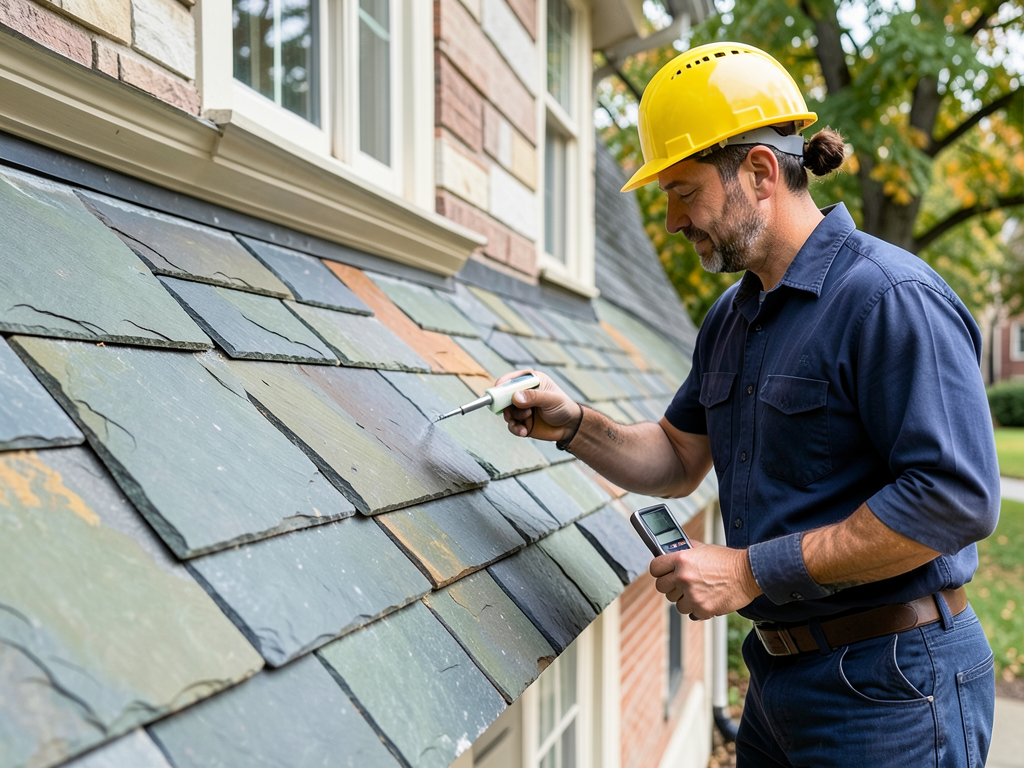
A thorough winter preparation assessment covers five critical areas. Exterior inspection examines shingle condition, flashing integrity, gutter function, and potential ice dam zones. Interior attic inspection verifies insulation depth, ventilation effectiveness, and identifies air leaks. Thermal imaging detects heat loss patterns invisible to standard inspection. Moisture meters check for existing water damage that could worsen during winter. Structural evaluation identifies sagging, inadequate support, or stress points. You receive a detailed report with photos, prioritized recommendations, and cost factors for each identified issue. This assessment forms your winter roof care guide specific to your home's condition and risk factors.

Quality Standards and Results

Professional winter roof preparation delivers measurable results. Properly sealed flashing prevents 95% of penetration leaks. Adequate attic insulation and ventilation eliminate ice dam formation on properly maintained roofs. Clean gutters with secure downspouts protect your foundation and prevent ice buildup. Quality shingle repairs restore wind resistance and water shedding capability. You should see uniform snow coverage across your roof after storms, indicating consistent temperature and proper insulation. Icicles should be minimal and small, limited to areas where gutters naturally collect water. Inside your home, you should notice no ceiling stains, no musty odors in the attic, and stable heating costs compared to previous winters.

Seasonal Monitoring and Follow-Up

Winter roof maintenance extends beyond the initial preparation. After significant weather events, professional providers offer follow-up inspections to catch storm damage before it compounds. Many services include a mid-winter check in January or February, when ice dam risks peak. Post-winter inspections in early spring identify any damage that occurred despite preventive measures, allowing repairs before spring storms arrive. Keep documentation of all work performed, including photos and material specifications. This record proves valuable for insurance claims and future maintenance planning. Some providers offer maintenance plans that bundle seasonal inspections with priority emergency service, ensuring consistent protection year-round and preventing small issues from becoming expensive failures.

Frequently Asked Questions

You Have Questions,
We Have Answers

How to prepare your roof for winter? +

Start by clearing debris from gutters and downspouts to prevent ice dams during Indianapolis freeze-thaw cycles. Inspect shingles for cracks, curling, or missing granules. Check flashing around chimneys and vents for gaps where water can seep in. Trim overhanging branches that could snap under snow weight. Look for signs of attic moisture or inadequate ventilation, common in older Indianapolis homes. Schedule a professional inspection if you spot worn areas. Address small repairs before winter weather compounds damage. Clean moss or algae growth now, as it holds moisture that freezes and lifts shingles during cold snaps.

What can I sprinkle on my roof to prevent moss? +

Zinc sulfate powder works well to kill existing moss without damaging shingles. Sprinkle it along roof ridges during dry weather. Rain dissolves the powder and washes it down, creating an environment moss cannot survive in. Copper sulfate is another option, but use it sparingly near landscaping. For Indianapolis roofs with heavy shade or north-facing slopes, apply treatments in early fall before winter moisture encourages new growth. Avoid pressure washing, which damages shingle granules. Installing zinc or copper strips near the ridge provides long-term prevention as rainwater carries metal ions downward, inhibiting moss colonization.

Can I apply roof Maxx myself? +

Roof Maxx is not a DIY product. The soy-based treatment requires professional application equipment to ensure proper saturation depth and even coverage across shingles. Applicators need specific training to assess shingle condition, determine appropriate coverage rates, and avoid over-application. The process involves pressure-controlled spraying that penetrates asphalt layers without damaging granules. DIY attempts often result in uneven coating, wasted product, or insufficient penetration. Indianapolis contractors certified in Roof Maxx application understand how local climate conditions affect treatment timing and curing. Professional application also includes warranty coverage, which you forfeit with self-application. Hire a trained applicator for proper results.

Should I put an ice and water shield on my entire roof? +

No. Ice and water shield belongs in vulnerable areas, not across the entire roof. Install it along eaves (typically the first three to six feet), valleys, around chimneys, and at penetrations like skylights or vents. Indianapolis building code requires it in these high-risk zones where ice dams or wind-driven rain cause leaks. Full-roof coverage is unnecessary and expensive. Ice and water shield is a rubberized membrane that seals around nails, preventing water infiltration. Standard underlayment works fine on field areas. Focus your budget on proper ventilation and insulation to prevent ice dams, which address the root problem rather than covering symptoms.

Should I insulate the underside of my roof? +

No. Insulate your attic floor, not the roof deck. Insulating the underside of your roof creates a conditioned attic space, which requires careful vapor barrier planning and ventilation redesign to avoid moisture problems. Indianapolis homes with traditional vented attics need insulation between ceiling joists to prevent heat loss while keeping the attic cold. This stops ice dams by eliminating warm air that melts snow unevenly. If you insulate the roof deck, you trap moisture between insulation and sheathing, causing rot and mold. The only exception is cathedral ceilings or intentional conditioned attic designs, which need professional engineering for proper execution.

Why are people putting blue tarps on their roof? +

Blue tarps are emergency storm damage protection. Homeowners use them to cover roof sections after wind tears off shingles, branches punch holes, or hail creates leaks. The tarp stops water intrusion until permanent repairs happen. In Indianapolis, you often see them after severe thunderstorms or winter ice damage. Insurance companies require documentation of emergency mitigation efforts, and tarping prevents additional damage while waiting for adjusters or contractors. Proper tarping involves securing edges under intact shingles and anchoring without further damaging the roof. If you see widespread tarps after a weather event, it signals localized storm damage requiring professional assessment.

What is the white powder people put on their roofs? +

Zinc oxide or titanium dioxide powder combats algae growth. These white compounds reflect sunlight and create an inhospitable surface for black algae streaks common on Indianapolis roofs with high humidity exposure. Some homeowners apply powdered laundry detergent containing these ingredients, though purpose-made roof treatments work better. The powder washes down with rain, releasing ions that prevent algae colonization. Apply during dry conditions in spring or fall. Avoid calcium chloride or rock salt, which degrades shingles. For lasting protection, install zinc or copper strips near the ridge. Professional algae-resistant shingles contain copper granules that eliminate the need for powder treatments.

Do zinc strips really work on roofs? +

Yes, when installed correctly. Zinc strips release ions that wash down the roof during rain, preventing moss and algae growth on shingles below. Install them near the ridge so maximum roof area benefits from runoff. Indianapolis roofs with significant tree shade or north-facing slopes see the best results. The strips need direct exposure to rain to activate. They work for prevention, not removal of existing growth. Clean moss first, then install strips to keep it from returning. Copper strips work similarly and last longer. Expect three to five years of effectiveness before replacement. Proper installation requires lifting shingles slightly to tuck the strip underneath.

What time of year should you remove moss from your roof? +

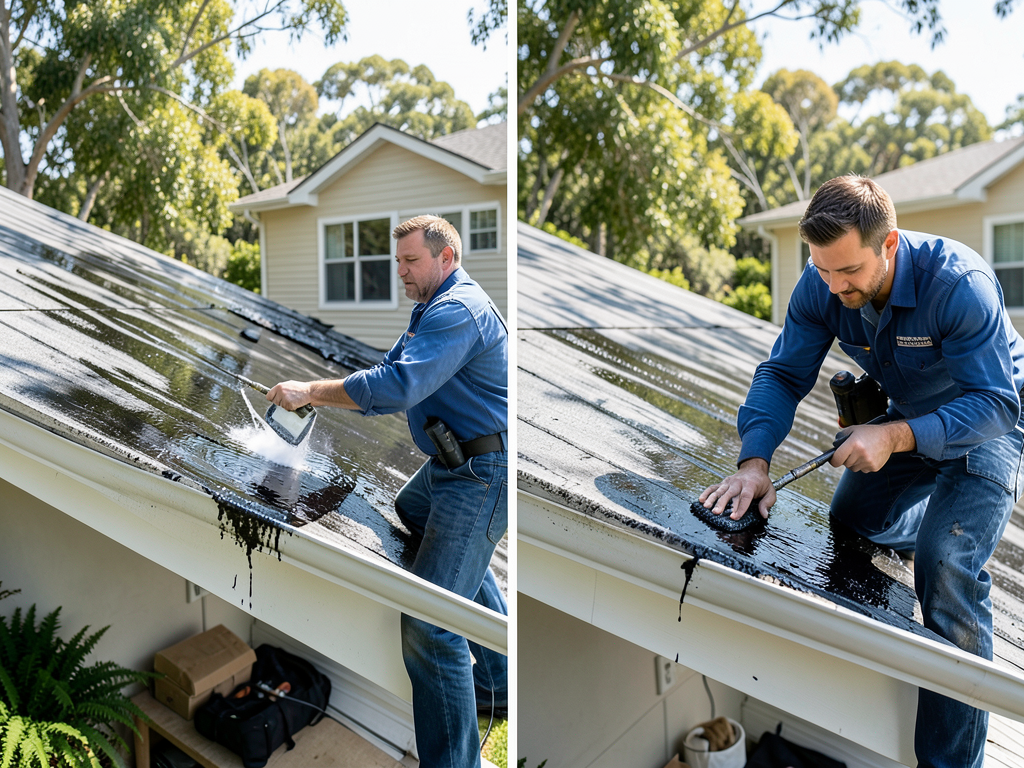
Late spring or early fall works best for moss removal in Indianapolis. Avoid winter when frozen moss is brittle and removal damages shingles. Avoid summer when intense sun makes roof work dangerous and dried moss is harder to scrape. Spring removal (April to May) prevents summer moisture retention. Fall removal (September to October) prepares your roof before winter freeze-thaw cycles. Use a stiff brush or low-pressure scraping, working downward to avoid lifting shingles. Apply zinc sulfate treatment after removal to prevent regrowth. Never pressure wash, which strips protective granules. Address the underlying cause by trimming overhanging branches and improving roof ventilation.

Does roof Maxx affect home insurance? +

Roof Maxx typically does not affect home insurance negatively. The treatment rejuvenates aging asphalt shingles, potentially improving your roof condition and reducing claim likelihood. Some insurers view it favorably as proactive maintenance. However, Roof Maxx does not replace a failing roof. If your insurance company requires roof replacement due to age or condition, Roof Maxx alone will not satisfy that requirement. Document the application with receipts and before-and-after assessments. Inform your agent about the treatment during policy reviews. Indianapolis homeowners facing non-renewal due to roof age should discuss whether Roof Maxx application, combined with inspection certification, might extend coverage eligibility.

How Indianapolis's Freeze-Thaw Cycles Impact Winter Roof Performance

Indianapolis averages 26 freeze-thaw cycles each winter, far more than cities just 100 miles south or north. This pattern creates unique stress on roofing systems. Water enters small gaps during daytime melting, then expands by 9% when temperatures drop overnight. After a dozen cycles, minor flashing gaps become major leak points. The city's position between Lake Michigan's moisture and southern humidity means heavy, wet snow rather than dry powder. This dense snow loads roofs with significantly more weight and melts inconsistently, creating the perfect conditions for ice dam formation along eaves and in valleys.

Elite Roofing Indianapolis has worked on thousands of homes across all city neighborhoods, from the historic bungalows in Irvington to the modern developments in Fishers. We understand which architectural styles face higher winter risks and how different roof pitches perform in local conditions. Our team knows Indianapolis building inspectors and works efficiently through permit processes when repairs require code compliance verification. This local knowledge translates to faster service, appropriate material selection, and repairs that address Indianapolis-specific challenges rather than generic winter roofing advice.
Roofing Services in The Indianapolis Area

We invite you to view our service area and main office location on the map below. While we primarily work on-site at your residential or commercial property, our central Indianapolis location allows us to dispatch our expert teams quickly across the entire metro area and surrounding communities. We are committed to being your accessible, local roofing partner, ready to serve your needs efficiently and professionally wherever you are.

Address:
Elite Roofing Indianapolis, 4201 Millersville Rd, Indianapolis, IN, 46205

Additional Services We Offer

Our news updates

Latest Articles & News from The Blogs

Roof replacement costs for rental properties in the Near Eastside Replacing a roof on a rental property in Indianapolis’s Near…

Roof replacement costs for rental properties in the Near Eastside

Roof replacement costs for rental properties in the Near Eastside Replacing a roof on a rental property in Indianapolis’s Near…

How the brutal Indiana summer heat ages your shingles faster than you think

How the brutal Indiana summer heat ages your shingles faster than you think Indiana summers are no joke. When July…

Maintaining the unique charm and complex rooflines of a Forest Hills Tudor home

Maintaining the unique charm and complex rooflines of a Forest Hills Tudor home Your Forest Hills Tudor home stands out…

Contact Us

Protect your home before the first freeze. Call Elite Roofing Indianapolis at (317) 703-7557 to schedule your comprehensive winter roof assessment. Our team will identify vulnerabilities, prioritize repairs, and prepare your roof for Indianapolis's demanding winter conditions.