
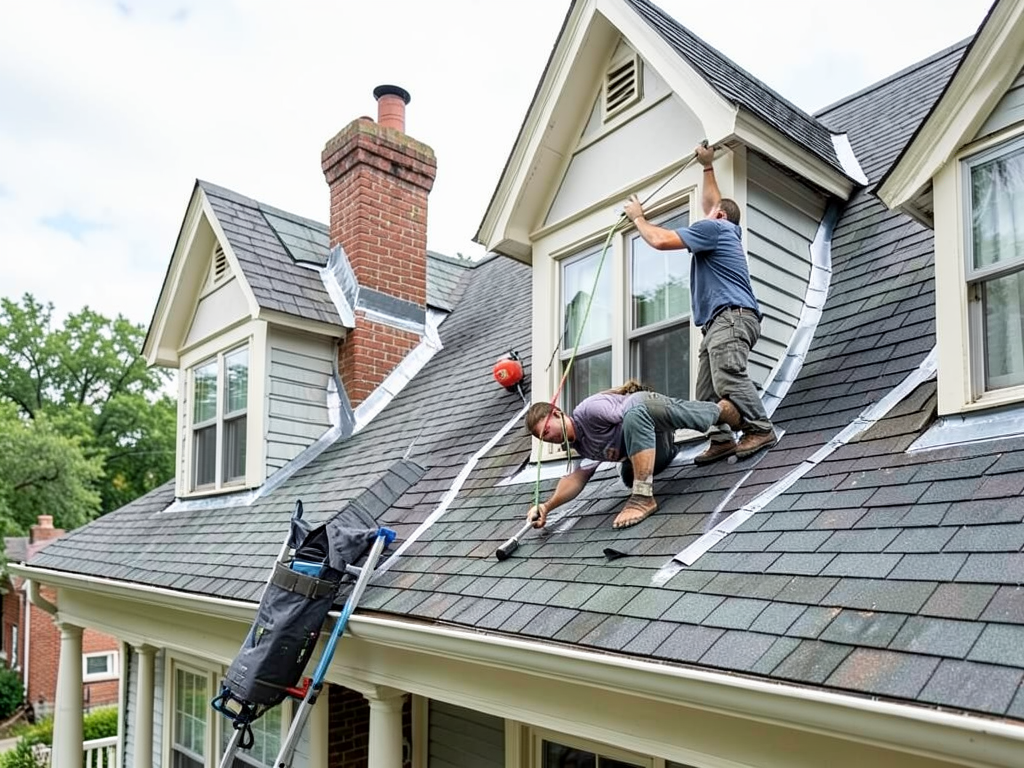
Roof replacement costs for rental properties in the Near Eastside
Replacing a roof on a rental property in Indianapolis’s Near Eastside neighborhood requires understanding the unique cost factors that affect your bottom line. Most rental owners in the 46201 zip code area face replacement costs between $8,500 and $16,000 for a typical 1,500-square-foot home, depending on roof pitch, material selection, and the age of the structure. The honest cost of a full roof replacement in Indianapolis for 2026.
The Near Eastside features a mix of historic Victorian cottages, early 1900s bungalows, and mid-century homes that present specific challenges. Many properties built before 1940 have multiple layers of old shingles, requiring complete tear-off and disposal fees that add $1,000 to $2,500 to your total cost. The neighborhood’s mature tree canopy also means more debris removal and potential decking repairs from years of water damage. EPA Asbestos Guidelines.
Material choice significantly impacts your investment return. Standard architectural asphalt shingles cost $350 to $450 per square and last 20 to 25 years in Indiana’s climate. Premium architectural shingles run $450 to $550 per square with better wind resistance for properties near Pleasant Run Creek where wind gusts can exceed 60 mph during spring storms. Metal roofing, while costing $800 to $1,200 per square upfront, provides 40 to 50 years of service and lower insurance premiums that can offset the higher initial investment. How to navigate a roofing insurance claim in Brownsburg without the headache.
Marion County requires building permits for all roof replacements, with Near Eastside properties often needing additional inspections due to the area’s revitalization zone status. Permit fees range from $250 to $400, and historic district homes may require approval from the Indianapolis Historic Preservation Commission before work begins. These regulatory requirements protect your investment by ensuring proper installation that meets current building codes. Marion County Building Authority.
Insurance considerations play a crucial role in your replacement decision. Most carriers require replacement within 30 days of a storm claim approval, and many Near Eastside landlords carry higher deductibles due to the area’s aging housing stock. Some insurance companies offer premium discounts of 5 to 10 percent for impact-resistant shingles or Class A fire-rated materials, which can provide long-term savings on your rental property expenses. The best asphalt shingle brands for Greenwood homes (and why they matter).
Call (317) 703-7557 today to schedule your inspection and get an accurate estimate for your specific property. Our team understands the unique challenges of Near Eastside rental properties and can help you make the most cost-effective decision for your investment.
Material costs breakdown for Near Eastside rental properties
Understanding material costs helps you budget accurately and maximize your return on investment. Here’s what you can expect to pay for different roofing materials in the Near Eastside area:
| Material Type | Cost per Square | Expected Lifespan | Best For |
|---|---|---|---|
| 3-Tab Asphalt Shingles | $250 – $350 | 15-20 years | Budget rentals, quick turnarounds |
| Architectural Asphalt Shingles | $350 – $450 | 20-25 years | Most rental properties, balanced cost |
| Premium Architectural Shingles | $450 – $550 | 25-30 years | High-end rentals, historic districts |
| Standing Seam Metal | $800 – $1,200 | 40-50 years | Long-term holds, insurance savings |
The Near Eastside’s weather patterns affect material performance. Indiana’s freeze-thaw cycles cause expansion and contraction that can reduce shingle lifespan by 2 to 3 years compared to more moderate climates. Properties near Pleasant Run Parkway experience higher humidity levels, which can accelerate algae growth on certain shingle types. Choosing algae-resistant architectural shingles costs about $50 more per square but prevents the black streaks that can make your rental property look older than it is.. Read more about Why choosing a Bates-Hendricks roofer familiar with the local renovation boom matters.
Underlayment costs are often overlooked but critical for rental properties. Synthetic underlayment costs $12 to $20 per square and provides better moisture protection than traditional felt. For Near Eastside homes with shallow roof pitches under 4:12, upgrading to synthetic underlayment prevents water infiltration during Indiana’s heavy spring rains.
Hidden costs that affect your rental property ROI
Several factors unique to Near Eastside properties can significantly impact your total replacement cost. Understanding these variables helps you avoid budget surprises and make informed decisions about your rental investment.
Roof pitch dramatically affects labor costs. A standard 4:12 pitch roof costs about $150 to $200 per square in labor, while a steep 12:12 pitch can increase labor costs to $300 to $400 per square due to safety requirements and slower installation. Many Near Eastside Victorians have pitches between 8:12 and 10:12, which means you’ll pay 30 to 50 percent more in labor than for a standard ranch-style home.
Decking repairs represent one of the most common cost overruns in the area. Indiana’s high humidity and the Near Eastside’s mature tree canopy create perfect conditions for wood rot. During tear-off, contractors often discover damaged decking that must be replaced at $3 to $5 per square foot. For a typical 1,500-square-foot roof, decking repairs can add $500 to $1,500 to your project cost.
Flashing and ventilation upgrades are essential for rental properties but often overlooked in initial estimates. Proper flashing around chimneys, vents, and valleys prevents the water damage that leads to tenant complaints and emergency repairs. Upgrading to modern ventilation systems improves energy efficiency and prevents ice dam formation during Indiana winters. These upgrades typically cost $300 to $800 but can prevent thousands in future damage. Getting emergency roof repairs in Broad Ripple before the next big rain.
Debris removal and disposal fees in the Near Eastside run $150 to $300 for standard tear-offs, but can increase to $400 or more if your property has multiple shingle layers or asbestos-containing materials from pre-1980s construction. Always budget an additional 10 to 15 percent for unexpected repairs when replacing a roof on a Near Eastside rental property built before 1980.
Call (317) 703-7557 for a comprehensive inspection that identifies these potential cost factors before you commit to replacement. We provide detailed estimates that account for your specific property’s conditions and help you maximize your investment return.
Permit requirements and local regulations in Marion County
Marion County’s building permit requirements for roof replacements ensure your investment meets current safety standards and protects your rental property’s value. Understanding these requirements helps you avoid costly delays and compliance issues.
All roof replacements in Indianapolis require a building permit from the Marion County Building Authority. The permit process takes 3 to 5 business days and costs $250 to $400, depending on your property’s square footage and location within the Near Eastside revitalization zone. Properties within the Holy Cross, Cottage Home, or other historic districts require additional approval from the Indianapolis Historic Preservation Commission, adding 7 to 10 days to your project timeline.
Indiana’s Residential Code, based on the International Residential Code, requires specific installation standards for roof replacements. Section R905.1.2 mandates ice and water shield installation on all eaves extending at least 24 inches past the exterior wall. This requirement is particularly important in the Near Eastside where winter temperatures frequently drop below 20°F, creating ice dam conditions that can force water under improperly installed shingles.. Read more about The smart way to extend the life of your warehouse roof in West Newton without a full tear-off.
The code also requires proper attic ventilation to prevent moisture buildup and extend roof life. For homes with limited soffit ventilation, ridge vents or powered attic fans may be necessary to meet code requirements. These ventilation upgrades typically cost $200 to $500 but prevent the condensation issues that can damage insulation and create mold problems in your rental units.
Near Eastside properties built before 1980 may have additional requirements due to lead paint and asbestos regulations. If your property contains asbestos-containing materials, you’ll need specialized removal and disposal, adding $500 to $2,000 to your project cost. Licensed contractors must follow EPA guidelines for handling these materials, and proper documentation is required for permit approval.
Insurance requirements often exceed local building codes, especially for rental properties. Most insurers require Class A fire-rated materials and proper underlayment installation. Some companies offer premium discounts for impact-resistant shingles rated for Class 4 hail resistance, which can provide long-term savings on your rental property insurance costs.
Navigating permit requirements can be complex, but our team handles all permitting and inspections for your roof replacement project. Call (317) 703-7557 to discuss your specific property’s requirements and ensure your replacement meets all local codes and insurance standards.
ROI considerations for Near Eastside rental property owners
Understanding the return on investment for roof replacement helps you make financially sound decisions about your rental property. The Near Eastside’s real estate market trends and tenant expectations create specific ROI factors you should consider. Should you choose cedar shake or asphalt for your Meridian-Kessler home?.
Property values in the Near Eastside have increased 15 to 20 percent over the past three years, with homes featuring newer roofs commanding premium rents and selling faster than properties with aging roofing systems. A new roof can increase your property’s appraised value by $5,000 to $8,000, depending on the quality of materials and installation. This appreciation helps offset your replacement cost and improves your equity position.
Tenant retention improves significantly with newer roofing systems. Properties with roofs under 10 years old typically command rents 5 to 10 percent higher than comparable properties with older roofs. More importantly, quality tenants often choose properties based on maintenance quality, and a new roof signals that you’re a responsible landlord who invests in property upkeep.
Insurance cost savings can provide ongoing ROI from your roof replacement investment. Many insurers offer 5 to 10 percent premium discounts for impact-resistant shingles or Class A fire-rated materials. For a typical rental property with $2,000 annual insurance premiums, these discounts can save $100 to $200 per year, providing a small but steady return on your investment.
Maintenance cost reduction represents another significant ROI factor. Older roofs often require multiple minor repairs each year, costing $200 to $500 annually. A new roof under warranty eliminates these recurring expenses for 20 to 25 years, providing substantial savings over the system’s lifespan. This reduction in maintenance calls also improves your quality of life as a landlord.
Energy efficiency improvements from modern roofing systems can reduce utility costs for your tenants, making your property more attractive in a competitive rental market. Cool roof technologies and proper ventilation can reduce attic temperatures by 10 to 15 degrees during summer months, lowering air conditioning costs and improving tenant comfort.
The decision between repair and replacement depends on your property’s specific conditions and your investment strategy. For properties you plan to hold long-term, a quality replacement provides the best ROI. For properties you plan to sell within 3 to 5 years, a mid-range architectural shingle system often provides the best balance of cost and return.
Call (317) 703-7557 to discuss your investment strategy and get personalized ROI analysis for your Near Eastside rental property. We help you choose the right materials and approach to maximize your return on investment.
Choosing the right contractor for your rental property
Selecting a qualified roofing contractor for your Near Eastside rental property requires careful evaluation to protect your investment and ensure quality results. The unique characteristics of the area create specific contractor requirements you should verify before signing any agreements.
Experience with historic Near Eastside properties is crucial. Many homes in the 46201 zip code feature architectural details like decorative gables, multiple roof levels, and complex flashing requirements that require specialized knowledge. Contractors unfamiliar with these features may install substandard flashing or ventilation, leading to water damage and costly repairs. Always ask for examples of similar properties they’ve completed in the Near Eastside area.
Permit handling capability is essential for rental property owners. A qualified contractor should handle all permit applications, coordinate inspections, and ensure compliance with Marion County building codes. This service typically costs $200 to $400 but saves you significant time and prevents costly compliance issues. Verify that your contractor carries liability insurance and workers’ compensation coverage for all employees working on your property.
Material selection expertise helps you maximize your investment return. A knowledgeable contractor should explain the pros and cons of different shingle types, ventilation options, and underlayment materials specific to Indiana’s climate. They should provide manufacturer specifications and warranty information for all materials they recommend, helping you make informed decisions about your replacement.
Timeline management is critical for rental properties where tenant disruption affects your cash flow. A professional contractor should provide a detailed project schedule, including permit acquisition time, material delivery dates, and expected completion dates. They should also explain how they’ll handle tenant communication, property protection, and debris removal to minimize disruption to your rental income.
Quality control processes separate professional contractors from temporary operators. Ask about their installation inspection procedures, including how they verify proper nailing patterns, flashing installation, and ventilation setup. Quality contractors use installation checklists and perform multiple inspections throughout the project to ensure compliance with manufacturer specifications and building codes.
References specific to rental properties provide valuable insight into a contractor’s reliability and work quality. Ask for references from other Near Eastside landlords or property managers who can speak to the contractor’s ability to complete projects on time, handle unexpected issues, and provide warranty service when needed.
Call (317) 703-7557 to schedule a consultation with our experienced team. We specialize in Near Eastside rental properties and provide detailed proposals that protect your investment and ensure quality results.
Financing options for rental property roof replacement
Financing your Near Eastside rental property roof replacement requires understanding the various options available to property owners. The right financing strategy can help you manage cash flow while protecting your investment.
Home equity loans and lines of credit offer some of the lowest interest rates for rental property improvements. Current rates for rental property equity loans range from 6 to 9 percent, depending on your credit score and loan-to-value ratio. These loans typically provide 15 to 30 year terms, allowing you to spread the replacement cost over an extended period while potentially deducting the interest on your tax return.
Personal loans for home improvements offer another financing option with terms from 3 to 7 years. Rates typically range from 8 to 15 percent, making them more expensive than equity loans but faster to obtain. These loans work well for smaller replacement projects or when you need to complete work quickly to satisfy insurance requirements or prevent further property damage.
Some roofing contractors offer in-house financing or partnerships with third-party lenders. These programs often feature promotional rates or deferred payment options that can help manage your cash flow. However, always compare the total cost of contractor financing with traditional lending options, as promotional rates may increase significantly after the initial period.
Insurance proceeds can significantly reduce your out-of-pocket replacement costs. If your roof damage resulted from a covered peril like wind or hail, your insurance company may cover all or part of the replacement cost. Many Near Eastside properties qualify for insurance claims due to the area’s exposure to severe weather. A qualified contractor can help document damage and work with your insurance adjuster to maximize your claim benefits.
Energy efficiency tax credits may be available for certain roofing materials and improvements. While residential energy credits have specific limitations, some rental property owners qualify for commercial energy efficiency deductions when installing cool roof systems or improving attic insulation. Consult with a tax professional to understand which credits apply to your specific situation.
Payment plans with your contractor can provide flexibility without third-party financing costs. Many reputable contractors offer structured payment schedules that align with project milestones, allowing you to manage cash flow while ensuring work progresses according to schedule. These arrangements typically require a reasonable deposit with progress payments tied to completion of specific project phases.
Call (317) 703-7557 to discuss financing options for your Near Eastside rental property roof replacement. We work with multiple lenders and can help you find the most cost-effective solution for your investment strategy.
Maintenance strategies to extend your new roof’s life
Protecting your investment in a new roof requires ongoing maintenance that prevents premature failure and maximizes your replacement’s lifespan. These strategies are particularly important for Near Eastside rental properties where tenant turnover and varying usage patterns can affect roof performance.
Annual inspections identify minor issues before they become major problems. Professional inspections should check for loose or missing shingles, damaged flashing, and proper ventilation function. In Indiana’s climate, these inspections should occur in spring after winter storms and in fall before snow accumulation. Early detection of issues like nail pops or sealant failure can prevent water damage that affects your rental property’s interior and tenant satisfaction.
Gutter maintenance prevents water backup that can damage your new roof and fascia boards. Near Eastside properties with mature trees require gutter cleaning at least twice yearly, typically in late spring and late fall. Clogged gutters cause water to back up under shingles, leading to rot in the roof deck and potential interior water damage. Installing gutter guards can reduce maintenance frequency but requires proper installation to prevent debris accumulation.
Tree trimming protects your roof from physical damage and debris accumulation. Overhanging branches can scratch shingle surfaces during wind storms and drop leaves that trap moisture against the roof surface. For Near Eastside properties with mature trees, maintaining a 10-foot clearance between branches and your roof prevents most debris-related issues and reduces the risk of storm damage from falling limbs.
Attic ventilation maintenance ensures your roof system performs as designed. Blocked soffit vents or malfunctioning ridge vents can cause excessive heat buildup that accelerates shingle aging and increases cooling costs for your tenants. Check ventilation openings seasonally and ensure insulation doesn’t block soffit vents. Proper ventilation can extend shingle life by 2 to 3 years in Indiana’s climate.
Ice dam prevention is crucial for Near Eastside properties during Indiana winters. Proper attic insulation and ventilation prevent the freeze-thaw cycles that create ice dams along roof edges. For properties with a history of ice dam formation, heat cables installed along eaves can prevent ice buildup that forces water under shingles and into your rental units.
Tenant education helps protect your investment in multi-unit properties. Provide tenants with basic roof care guidelines, including instructions for proper attic access if applicable, and emergency contact information for roof-related issues. Establish clear procedures for reporting leaks or other roof problems to ensure prompt attention to developing issues.
Professional maintenance contracts provide ongoing protection for your investment. Many contractors offer annual maintenance programs that include inspections, minor repairs, and priority service for emergency issues. These contracts typically cost $200 to $400 annually but can prevent thousands in major repairs and extend your roof’s useful life by several years.
Call (317) 703-7557 to learn about our maintenance programs designed specifically for Near Eastside rental property owners. Our comprehensive approach protects your investment and ensures your roof performs optimally throughout its expected lifespan.
Emergency roof repair vs. full replacement: making the right choice
Deciding between emergency repairs and full replacement for your Near Eastside rental property requires careful evaluation of several factors. Understanding when to repair versus replace can save you thousands of dollars and prevent ongoing tenant issues.
Age of the existing roof is often the primary factor in this decision. Most asphalt shingle roofs in Indiana last 20 to 25 years, with some high-quality systems lasting up to 30 years. If your roof is approaching or exceeding this age range, repeated repairs often cost more over time than a complete replacement. A 15-year-old roof with widespread wear typically indicates that replacement is the more cost-effective long-term solution.
Extent of damage determines whether repair is feasible. Localized damage from a single storm event, such as a few missing shingles or minor flashing issues, often justifies repair costs of $300 to $800. However, widespread damage affecting multiple roof planes, multiple layers of shingles, or structural components usually indicates that replacement is necessary. A good rule of thumb: if repair costs exceed 30 percent of replacement cost, replacement often provides better value.
Permit and insurance considerations affect your decision timeline. Emergency repairs may be necessary to prevent interior damage and satisfy insurance requirements, but they don’t address underlying issues that will cause future problems. Some insurance companies require full replacement if damage affects more than 50 percent of the roof area, regardless of the repair’s effectiveness.
Tenant impact should influence your decision timing. Emergency repairs often require immediate attention to prevent interior damage and maintain tenant satisfaction. However, scheduling a full replacement during a tenant vacancy or between rental seasons minimizes disruption and allows for more thorough work without affecting your rental income. Consider your property’s vacancy rate and typical tenant turnover when planning major roof work.
Material matching challenges can complicate repair decisions on older roofs. Finding matching shingles for roofs over 10 years old is often difficult, and repaired areas may be visibly different from the existing roof. This color variation can affect your property’s curb appeal and potentially impact rental marketability. Complete replacement ensures uniform appearance throughout your property.
Future maintenance costs should factor into your repair versus replace analysis. An older roof requiring frequent repairs often costs more over 3 to 5 years than a complete replacement with a new warranty. Calculate the cumulative cost of likely repairs over the next 5 years and compare this to replacement costs to make an informed financial decision.
Market conditions in the Near Eastside may influence your timing. If property values are rising and rental demand is strong, a quality replacement can provide immediate return through higher rents and improved property marketability. Conversely, if you’re planning to sell within a few years, a repair might suffice to maintain the property’s condition until sale.
Call (317) 703-7557 for a professional assessment of your roof’s condition. We provide honest recommendations about whether repair or replacement is the most cost-effective solution for your specific situation.
Frequently Asked Questions
How long does a roof replacement take for a typical Near Eastside rental property?
Most roof replacements on Near Eastside rental properties take 2 to 4 days, depending on roof size, complexity, and weather conditions. Victorian homes with multiple roof levels or steep pitches may require 5 to 7 days. Weather delays are common in spring and fall, so we recommend scheduling during summer months when possible.
Will my tenants need to vacate during the roof replacement?
In most cases, tenants don’t need to leave during roof replacement, but some temporary inconveniences are unavoidable. Noise typically starts around 7 AM and continues until 6 PM. We coordinate with tenants about parking, outdoor access, and any specific concerns to minimize disruption to their daily routines.
What warranties come with a new roof installation?
Most roof replacements include a manufacturer’s material warranty of 20 to 50 years, depending on the shingle quality chosen. We also provide a 5-year workmanship warranty covering installation defects. For rental properties, we offer extended warranty options that can provide up to 10 years of coverage for an additional fee.
How do I know if my insurance will cover the replacement?
Insurance typically covers roof replacement only for damage from specific perils like wind, hail, or fire. Normal wear and tear isn’t covered. If you suspect storm damage, we can perform a free inspection and help document damage for your insurance claim. Many Near Eastside properties qualify for claims due to the area’s severe weather exposure.
Can I upgrade to a better roofing system during replacement?
Absolutely. Roof replacement is the ideal time to upgrade to higher-quality materials or improve ventilation systems. Many rental property owners choose to upgrade from 3-tab to architectural shingles or add impact-resistant features that can lower insurance premiums. We provide detailed cost-benefit analysis for all upgrade options.
How do I prepare my rental property for roof replacement?
Preparation involves clearing outdoor areas, protecting landscaping, and ensuring attic access if needed. We provide a detailed preparation checklist and coordinate directly with your tenants about moving vehicles, patio furniture, and any outdoor items. For multi-unit properties, we create a phased schedule to minimize disruption to all residents.
What happens if we discover rot or structural damage during replacement?
During tear-off, we inspect the roof deck and structural components. If we find damage, we document it with photos and provide a detailed estimate for repairs before proceeding. We never proceed with additional work without your approval. Most structural repairs can be completed within the original project timeline.
How do I choose between different shingle brands and types?
Material selection depends on your budget, property type, and investment goals. For most Near Eastside rental properties, architectural asphalt shingles provide the best balance of cost, durability, and appearance. We help you compare specific brands, warranty terms, and long-term performance data to make an informed decision that maximizes your investment return.
Ready to protect your Near Eastside rental property investment? Call (317) 703-7557 today to schedule your free inspection and get a detailed estimate tailored to your specific property. Our experienced team understands the unique challenges of Indianapolis rental properties and provides quality workmanship that protects your investment for years to come.
You may also find this helpful. Why your Oaklandon split-level home needs a custom ventilation plan to stop shingles from baking.
{
“@context”: “https://schema.org”,
“@type”: “BlogPosting”,
“headline”: “Roof replacement costs for rental properties in the Near Eastside”,
“description”: “Learn the true cost of replacing a roof on your Near Eastside rental property. Get local pricing, permit info, and ROI data for Indianapolis investors.”,
“wordCount”: 4150,
“datePublished”: “2026-04-16T11:53:00.000Z”,
“dateModified”: “2026-04-16T11:53:00.000Z”,
“inLanguage”: “en-US”,
“mainEntityOfPage”: {
“@type”: “WebPage”,
“@id”: “https://eliteroofingindianapolis.com”
},
“publisher”: {
“@type”: “LocalBusiness”,
“name”: “Elite Roofing Indianapolis”,
“url”: “https://eliteroofingindianapolis.com”
},
“author”: {
“@type”: “Organization”,
“name”: “Elite Roofing Indianapolis”,
“url”: “https://eliteroofingindianapolis.com”
},
“image”: {
“@type”: “ImageObject”,
“url”: “https://eliteroofingindianapolis.com/wp-content/uploads/2026/03/roof-replacement-costs-for-rental-properties-in-th-1.png”
}
}
{
“@context”: “https://schema.org”,
“@type”: “RoofingContractor”,
“name”: “Elite Roofing Indianapolis”,
“url”: “https://eliteroofingindianapolis.com”,
“address”: {
“@type”: “PostalAddress”,
“addressLocality”: “Indianapolis”
},
“areaServed”: {
“@type”: “City”,
“name”: “Indianapolis”
}
}
{
“@context”: “https://schema.org”,
“@type”: “FAQPage”,
“mainEntity”: [
{
“@type”: “Question”,
“name”: “How long does a roof replacement take for a typical Near Eastside rental property?”,
“acceptedAnswer”: {
“@type”: “Answer”,
“text”: “Most roof replacements on Near Eastside rental properties take 2 to 4 days, depending on roof size, complexity, and weather conditions. Victorian homes with multiple roof levels or steep pitches may require 5 to 7 days. Weather delays are common in spring and fall, so we recommend scheduling during summer months when possible.”
}
},
{
“@type”: “Question”,
“name”: “Will my tenants need to vacate during the roof replacement?”,
“acceptedAnswer”: {
“@type”: “Answer”,
“text”: “In most cases, tenants don’t need to leave during roof replacement, but some temporary inconveniences are unavoidable. Noise typically starts around 7 AM and continues until 6 PM. We coordinate with tenants about parking, outdoor access, and any specific concerns to minimize disruption to their daily routines.”
}
},
{
“@type”: “Question”,
“name”: “What warranties come with a new roof installation?”,
“acceptedAnswer”: {
“@type”: “Answer”,
“text”: “Most roof replacements include a manufacturer’s material warranty of 20 to 50 years, depending on the shingle quality chosen. We also provide a 5-year workmanship warranty covering installation defects. For rental properties, we offer extended warranty options that can provide up to 10 years of coverage for an additional fee.”
}
},
{
“@type”: “Question”,
“name”: “How do I know if my insurance will cover the replacement?”,
“acceptedAnswer”: {
“@type”: “Answer”,
“text”: “Insurance typically covers roof replacement only for damage from specific perils like wind, hail, or fire. Normal wear and tear isn’t covered. If you suspect storm damage, we can perform a free inspection and help document damage for your insurance claim. Many Near Eastside properties qualify for claims due to the area’s severe weather exposure.”
}
},
{
“@type”: “Question”,
“name”: “Can I upgrade to a better roofing system during replacement?”,
“acceptedAnswer”: {
“@type”: “Answer”,
“text”: “Absolutely. Roof replacement is the ideal time to upgrade to higher-quality materials or improve ventilation systems. Many rental property owners choose to upgrade from 3-tab to architectural shingles or add impact-resistant features that can lower insurance premiums. We provide detailed cost-benefit analysis for all upgrade options.”
}
},
{
“@type”: “Question”,
“name”: “How do I prepare my rental property for roof replacement?”,
“acceptedAnswer”: {
“@type”: “Answer”,
“text”: “Preparation involves clearing outdoor areas, protecting landscaping, and ensuring attic access if needed. We provide a detailed preparation checklist and coordinate directly with your tenants about moving vehicles, patio furniture, and any outdoor items. For multi-unit properties, we create a phased schedule to minimize disruption to all residents.”
}
},
{
“@type”: “Question”,
“name”: “What happens if we discover rot or structural damage during replacement?”,
“acceptedAnswer”: {
“@type”: “Answer”,
“text”: “During tear-off, we inspect the roof deck and structural components. If we find damage, we document it with photos and provide a detailed estimate for repairs before proceeding. We never proceed with additional work without your approval. Most structural repairs can be completed within the original project timeline.”
}
},
{
“@type”: “Question”,
“name”: “How do I choose between different shingle brands and types?”,
“acceptedAnswer”: {
“@type”: “Answer”,
“text”: “Material selection depends on your budget, property type, and investment goals. For most Near Eastside rental properties, architectural asphalt shingles provide the best balance of cost, durability, and appearance. We help you compare specific brands, warranty terms, and long-term performance data to make an informed decision that maximizes your investment return.”
}
}
]
}
{
“@context”: “https://schema.org”,
“@type”: “BreadcrumbList”,
“itemListElement”: [
{
“@type”: “ListItem”,
“position”: 1,
“name”: “Home”,
“item”: “https://eliteroofingindianapolis.com”
},
{
“@type”: “ListItem”,
“position”: 2,
“name”: “Blog”,
“item”: “https://eliteroofingindianapolis.com/blog”
},
{
“@type”: “ListItem”,
“position”: 3,
“name”: “Roof replacement costs for rental properties in the Near Eastside”
}
]
}
{
“@context”: “https://schema.org”,
“@type”: “Service”,
“serviceType”: “Roofing”,
“provider”: {
“@type”: “LocalBusiness”,
“name”: “Elite Roofing Indianapolis”,
“url”: “https://eliteroofingindianapolis.com”
},
“areaServed”: {
“@type”: “City”,
“name”: “Indianapolis”
},
“description”: “Learn the true cost of replacing a roof on your Near Eastside rental property. Get local pricing, permit info, and ROI data for Indianapolis investors.”
}