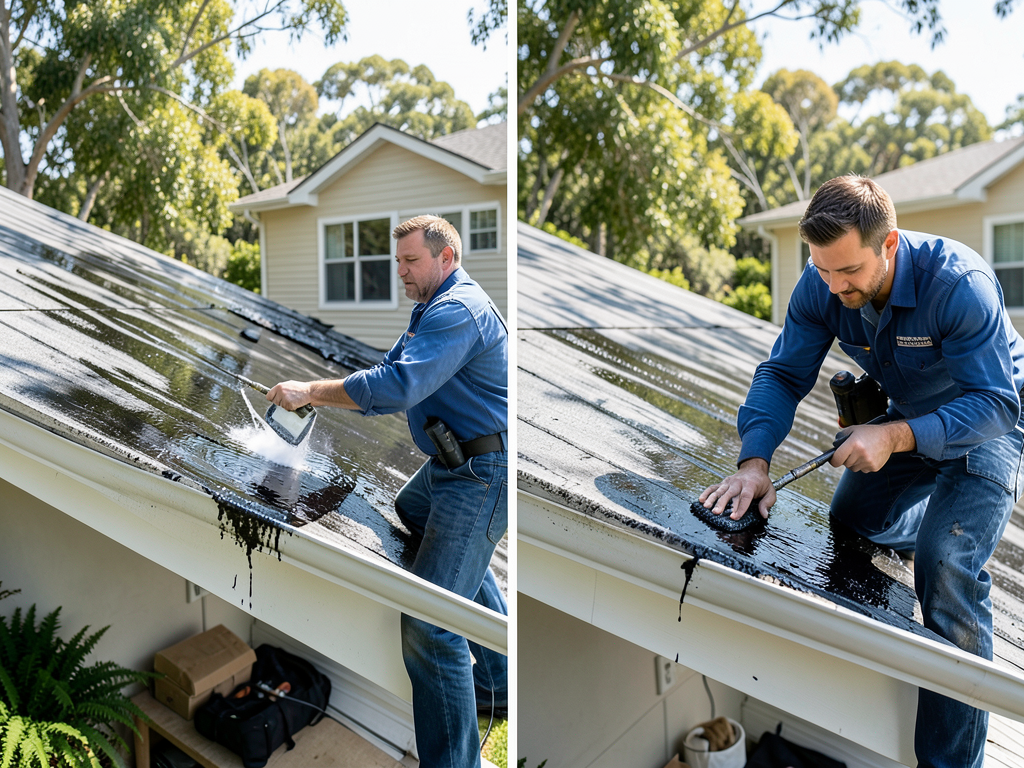
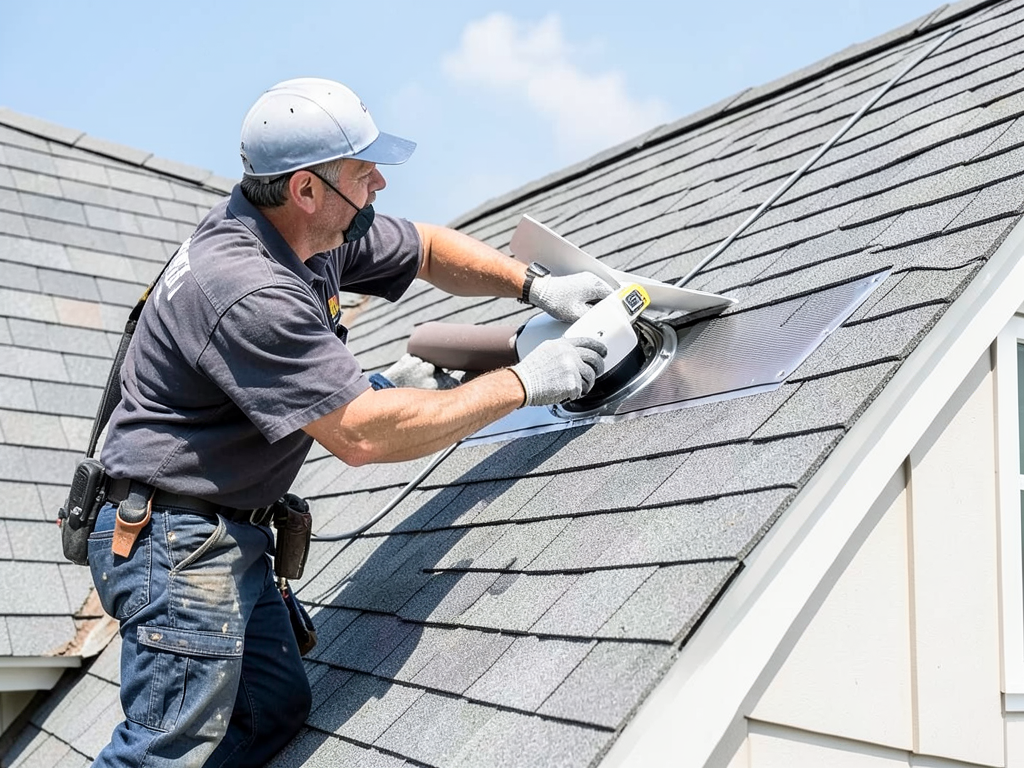
Indianapolis sits in a climate transition zone where warm, humid air from the Gulf of Mexico collides with cold, dry air from Canada. This creates volatile weather swings. A skylight installed in April experiences a 100-degree temperature range by January. The expansion and contraction cycles stress sealants, flashings, and curb connections. Add in 42 inches of annual rainfall concentrated in spring and early summer, and you have ideal conditions for skylight leaking during storm events. The freeze-thaw cycles from November through March further compromise any existing weakness in the flashing or sealant.
Elite Roofing Indianapolis has worked on homes built from the 1920s to present day. We understand how local builders integrated skylights into different roof styles and pitches common to Indianapolis neighborhoods. We also stay current with Marion County building codes and manufacturer specifications for skylight installation. When you choose a local roofer with this depth of experience, you get repairs that account for Indianapolis-specific weather challenges rather than generic fixes that fail during the next heavy rain.