menu

Can You Roof Over Existing Shingles in Indianapolis? – Expert Guidance on Code Compliance and Long-Term Performance

Understand when reroofing over existing shingles is allowed in Indianapolis, the structural risks involved, and why code compliance matters before you decide to add a second layer of shingles to your home.

Slider Image 1
Slider Image 2
Slider Image 3
Slider Image 4
Slider Image 5
Slider Image 7
Slider Image 8
Slider Image 9
Slider Image 10
Slider Image 11

Why Indianapolis Homeowners Ask About Shingle Overlays

You see the estimate for a complete tear-off and wonder if there is a faster, cheaper way. The idea of installing new shingles over old ones sounds appealing. You save on labor. You avoid the mess. You cut the timeline in half.

But here is the reality. Indianapolis sits in a climate zone that swings hard between freeze-thaw cycles in winter and humid, storm-heavy summers. Your roof deck expands and contracts. Ice dams form along eaves. Wind-driven rain tests every seam. When you add a second layer of shingles without addressing underlying damage, you trap moisture between layers. That moisture accelerates rot in the decking, weakens the structure, and voids most manufacturer warranties.

Indiana building code allows a maximum of two layers of asphalt shingles on a residential structure, but that does not mean a roof layover is the right choice. If your decking is compromised, if your first layer is cupping or curling, or if you already have two layers, a shingle overlay will fail faster than a proper tear-off and replacement. You also add significant weight to your roof structure, which older homes in neighborhoods like Broad Ripple or Fountain Square may not be engineered to handle.

Elite Roofing Indianapolis evaluates every roof with a structural lens first. We check for soft spots in the decking, inspect flashing around chimneys and valleys, and measure the existing slope to ensure proper drainage. A roof layover might meet code, but it rarely meets the performance standard your home deserves in this climate.

Why Indianapolis Homeowners Ask About Shingle Overlays
How We Determine If a Roof Overlay Is Structurally Sound

How We Determine If a Roof Overlay Is Structurally Sound

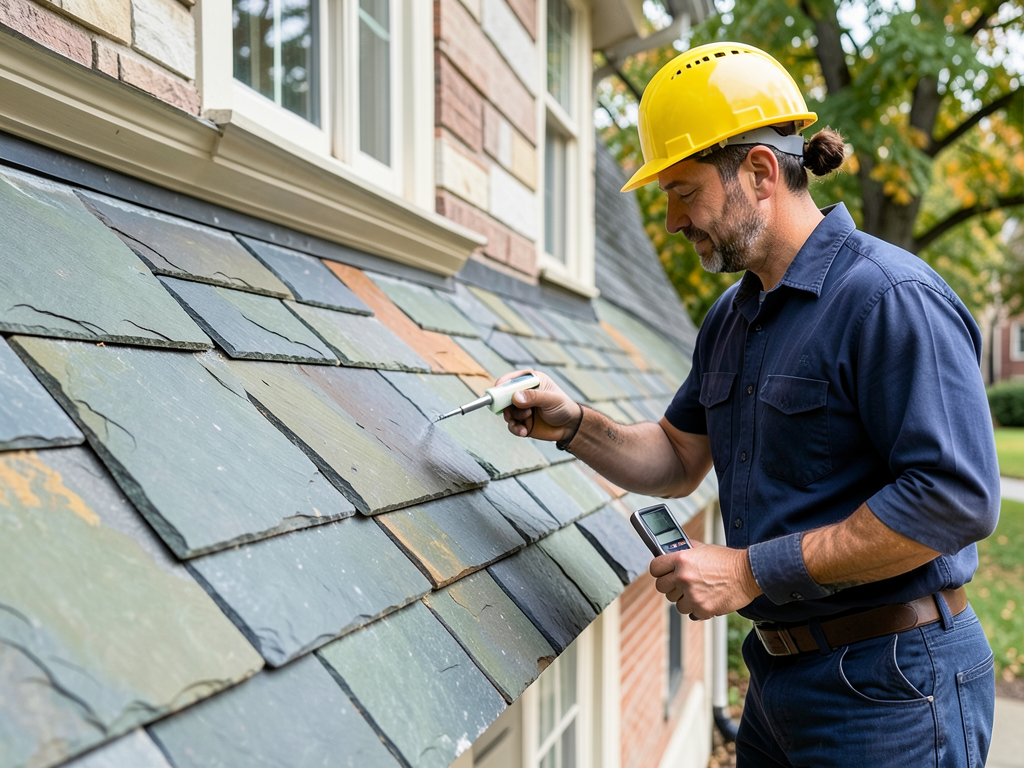
We start with a deck inspection. Before any discussion of reroofing over existing shingles, we walk your roof and probe the decking through the existing shingle layer using a moisture meter and tactile inspection. Soft spots, sagging areas, or visible water stains in your attic disqualify a roof layover immediately. If the substrate is failing, adding weight accelerates collapse.

Next, we examine the existing shingle condition. If your current layer is severely cupped, curled, or has granule loss exceeding 40 percent, a shingle overlay will telegraph those imperfections through the new layer. You will see bumps, ridges, and uneven lines that compromise both aesthetics and weather resistance. We also inspect fastener patterns. If the original installation used improper nail placement or spacing, adding a second layer over bad fastening creates a compounding failure point during high wind events.

We measure the slope. Indianapolis receives an average of 42 inches of rain annually, and flat or low-slope roofs under 4:12 pitch struggle with drainage when layered. Water ponds between the old and new shingles, creating conditions for algae growth, granule degradation, and premature failure. We also evaluate your attic ventilation. A roof layover reduces the gap between shingles and decking, which can restrict airflow in ridge and soffit vents. Poor ventilation leads to heat buildup, which shortens shingle lifespan and increases cooling costs.

If your roof passes these criteria, we discuss the trade-offs. A roof layover saves money upfront but typically reduces the lifespan of the new shingles by 20 to 30 percent compared to a full tear-off.

What Happens During a Roof Overlay Assessment

Can You Roof Over Existing Shingles in Indianapolis? – Expert Guidance on Code Compliance and Long-Term Performance
01

Structural Deck Evaluation

We inspect your roof decking for moisture damage, soft spots, and sagging. Using a moisture meter and visual inspection from both the exterior and attic, we identify areas where water infiltration has compromised the plywood or OSB. If we find rot or structural weakness, we explain why a tear-off is necessary before any new shingles go down. This step protects you from spending money on a roof that will fail within two years.
02

Existing Shingle Analysis

We examine the condition of your current shingles, checking for cupping, curling, and granule loss. We measure the thickness of the existing layer to confirm it is standard three-tab or architectural shingles, not a specialty product that creates uneven surfaces. We also inspect the fastener pattern to ensure nails are placed in the correct zones. Poor fastening in the first layer means a roof layover will amplify wind uplift vulnerability during summer storms.
03

Code and Warranty Review

We verify that your home meets the two-layer maximum under Indiana residential building code. We also review manufacturer warranty terms, because most shingle manufacturers void material warranties when shingles are installed over an existing layer. We explain these trade-offs clearly so you understand the long-term cost of a roof layover versus the upfront savings. This transparency ensures you make an informed decision that protects your investment.

Why Indianapolis Homeowners Trust Elite Roofing for Honest Roof Assessments

We do not push a roof layover because it is faster for us. We recommend it only when the structure, existing shingles, and ventilation system meet strict performance criteria. Most contractors skip the deck inspection because it takes time and reduces profit margins. We do the opposite. We spend the extra 30 minutes probing your decking and checking your attic because a roof layover installed over compromised substrate will fail, and we will not put our name on a job destined to leak.

Elite Roofing Indianapolis has worked in every neighborhood from Irvington to Meridian-Kessler. We understand how older homes in Historic Districts were framed, how the clay soil in Marion County affects foundation settlement and roof stress, and how ice dams form along north-facing slopes during January freeze-thaw cycles. These local conditions matter when deciding between a roof layover and a tear-off. A home built in 1920 with original 2x6 rafters cannot handle the same load as a 1990s home with engineered trusses.

We also understand Indianapolis building permit requirements. If your reroofing project requires a permit, we handle the paperwork and ensure the installation meets the International Residential Code adopted by the City of Indianapolis. Many homeowners assume a roof layover does not require a permit, but if you are replacing more than 25 percent of your roof area, the city requires documentation. We keep your project compliant so you avoid fines or complications during a future home sale.

You get a written assessment that includes photos of your decking, measurements of your existing shingles, and a clear recommendation. No pressure. No upselling. Just the facts.

What to Expect When Considering a Shingle Overlay

Assessment Timeline

We schedule your roof inspection within 48 hours of your call. The evaluation takes 60 to 90 minutes, including attic access and exterior deck probing. We provide a written report the same day, outlining whether a roof layover is structurally viable or if a tear-off is necessary. If you need emergency repairs to stop an active leak, we can deploy a crew within 24 hours to tarp or patch the affected area while you decide on the full scope of work.

Detailed Structural Evaluation

We do not guess. We use a calibrated moisture meter to measure moisture content in your decking. We inspect your attic for water stains, mold growth, and inadequate ventilation. We photograph problem areas so you see exactly what we see. If your flashing is rusted or improperly installed, we document it. If your valleys are prone to pooling, we measure the slope and explain why a roof layover will worsen drainage. This level of detail ensures you understand the real condition of your roof before you commit to any solution.

Performance and Longevity Factors

A roof layover typically reduces the lifespan of your new shingles by 20 to 30 percent compared to a full tear-off. The trapped heat between layers accelerates granule loss and asphalt degradation. You also lose most manufacturer material warranties, which require installation over a clean deck. We explain these trade-offs so you can weigh the upfront cost savings against the shorter lifespan and potential for earlier replacement. If you plan to sell your home within five years, a roof layover may be acceptable. If you plan to stay for 15 years, a tear-off is the better investment.

Code Compliance and Permitting

We handle all permit applications required by the City of Indianapolis. If your project triggers a permit, we submit the documentation, schedule inspections, and ensure the installation meets IRC standards. We also verify that your home does not exceed the two-layer maximum under Indiana building code. If you already have two layers, we explain why a tear-off is mandatory and provide a clear cost breakdown. This compliance work protects you from fines and ensures your roof passes inspection during a future home sale.

Frequently Asked Questions

You Have Questions,
We Have Answers

Should you roof over existing shingles? +

Roofing over existing shingles is rarely a good idea in Indianapolis. The building code allows one layer of overlay in some cases, but it creates problems. You add weight to your roof structure, which older homes may not handle well. You hide potential decking damage from ice dams and freeze-thaw cycles common here. Overlays trap moisture between layers, accelerating rot. You lose the chance to inspect and repair the substrate. Most insurance companies and manufacturers void warranties on overlays. A full tear-off lets your roofer address hidden issues before they become expensive emergencies.

How to reroof a roof without removing old shingles? +

To reroof without removing old shingles, your roofer installs new shingles directly over the existing layer. They first inspect for decking damage, though this check is limited without removal. They install new drip edge and flashing where accessible. Starter shingles go along eaves and rakes, then full shingles follow standard installation patterns. This method skips tear-off labor and dump fees. However, Indianapolis roofers rarely recommend this approach because you cannot fix hidden rot, ventilation issues, or substrate problems. The added weight stresses your roof structure, and you get no warranty protection from most manufacturers.

Do roofers always remove old shingles? +

Professional roofers in Indianapolis almost always remove old shingles. A full tear-off is the industry standard because it exposes the decking for inspection. Our freeze-thaw cycles and ice damming cause hidden damage that overlays simply cover up. Removal lets your roofer replace damaged plywood, upgrade ventilation, and install proper underlayment. It extends roof life and maintains manufacturer warranties. Some budget contractors offer overlays to save on labor and disposal costs, but quality roofers avoid this shortcut. You want a contractor who prioritizes long-term performance over quick savings.

Are roof overs a good idea? +

Roof overs are not a good idea in Indianapolis. While they save money upfront by skipping tear-off and disposal costs, they create long-term problems. You double the weight on your roof structure, which stresses trusses and decking. Indianapolis weather causes ice dams and moisture intrusion that rot decking from beneath. An overlay hides this damage until it becomes catastrophic. You lose manufacturer warranties and insurance coverage. The overlay itself lasts shorter than a proper tear-off because trapped heat and moisture accelerate shingle breakdown. Pay more now for a full replacement and avoid costly surprises later.

How long will a roof overlay last? +

A roof overlay in Indianapolis typically lasts 10 to 15 years, significantly less than a full replacement. The shortened lifespan comes from trapped heat between shingle layers, which accelerates deterioration. Moisture gets trapped and cannot escape, causing premature granule loss and curling. You also inherit any existing problems from the old roof. If the original shingles were already 15 years old, their remaining life affects the overlay. Indianapolis freeze-thaw cycles and humidity compound these issues. A proper tear-off and replacement lasts 20 to 30 years with quality materials and installation.

Can you match 20 year old shingles? +

Matching 20-year-old shingles is nearly impossible in Indianapolis. Manufacturers discontinue colors and product lines regularly. Even if you find the same model name, formulations change over two decades. Your existing shingles have weathered and faded from UV exposure, making new shingles stand out starkly. Color lot variations mean even current inventory will not match perfectly. Most roofers recommend replacing the entire visible section or the whole roof for aesthetic consistency. Trying to patch with mismatched shingles creates an obvious patchwork that hurts curb appeal and resale value.

Is a roof overlay worth it? +

A roof overlay is rarely worth it in Indianapolis. You save 20 to 30 percent on initial costs by avoiding tear-off labor and disposal fees. However, you sacrifice long-term value. Overlays void most manufacturer warranties, hide existing damage, add structural weight, and last half as long as full replacements. Insurance companies often deny claims on overlaid roofs. When problems emerge, you pay for tear-off of two shingle layers plus repairs, costing more than doing it right initially. The only scenario where overlays make sense is on a property you plan to sell immediately.

How old may a roof be before insurance claims it's too old? +

Most insurance companies in Indiana consider roofs over 20 years old too old for full replacement coverage. At that age, insurers switch to actual cash value instead of replacement cost, meaning depreciation reduces your payout significantly. Some carriers drop coverage entirely or non-renew policies on roofs over 15 years old. After major hail or wind events, adjusters scrutinize roof age closely. They may attribute damage to wear and tear rather than the storm. If your roof approaches 15 years old, document its condition with photos and get an inspection before filing claims.

What is the most expensive part of replacing a roof? +

Labor is the most expensive part of replacing a roof in Indianapolis. Tear-off, disposal, and installation account for 60 percent of total project costs. Skilled crews charge premium rates because roofing is dangerous, physically demanding work. Waste removal adds significant expense, with dumpster fees and dump charges for old shingles and damaged decking. Material costs come second, particularly if you choose architectural shingles or upgraded underlayment. Structural repairs to decking or trusses can spike costs unexpectedly. Complex roof designs with multiple valleys, dormers, or steep pitches increase labor hours and material waste substantially.

How much does it cost to replace 1000 sq ft of roof? +

Replacing 1,000 square feet of roof in Indianapolis varies widely based on materials, complexity, and contractor. We cannot provide specific costs, but expect material and labor for basic three-tab shingles to differ significantly from architectural shingles. Factors affecting your price include roof pitch, number of layers to remove, decking condition, ventilation upgrades, and flashing replacement. Get three written estimates from licensed Indianapolis roofers. Verify they include tear-off, disposal, underlayment, drip edge, and flashing. The lowest bid often means cut corners. Focus on value, warranty coverage, and contractor reputation over price alone.

How Indianapolis Freeze-Thaw Cycles Impact Roof Overlay Longevity

Indianapolis experiences an average of 25 freeze-thaw cycles each winter, where daytime temperatures rise above freezing and nighttime temperatures drop below 32 degrees. This cycle causes ice to form in the gap between your old and new shingle layers, then melt and refreeze repeatedly. The expansion and contraction stress fasteners, delaminate adhesive strips, and create micro-cracks in the shingles. When you add a second layer of shingles over an existing layer, you trap moisture that cannot escape, which accelerates rot in the underlying decking and shortens the lifespan of both shingle layers.

Elite Roofing Indianapolis has installed and repaired roofs across Marion County for years. We understand how the local clay soil shifts during wet springs, how summer storms generate straight-line winds exceeding 60 mph, and how the temperature swings between December and March affect shingle performance. When we recommend a roof layover or a tear-off, that recommendation is based on local climate data and building code requirements specific to Indianapolis. We are not guessing. We are applying years of field experience to your specific roof and your specific home.
Roofing Services in The Indianapolis Area

We invite you to view our service area and main office location on the map below. While we primarily work on-site at your residential or commercial property, our central Indianapolis location allows us to dispatch our expert teams quickly across the entire metro area and surrounding communities. We are committed to being your accessible, local roofing partner, ready to serve your needs efficiently and professionally wherever you are.

Address:
Elite Roofing Indianapolis, 4201 Millersville Rd, Indianapolis, IN, 46205

Additional Services We Offer

Our news updates

Latest Articles & News from The Blogs

Roof replacement costs for rental properties in the Near Eastside Replacing a roof on a rental property in Indianapolis’s Near…

Roof replacement costs for rental properties in the Near Eastside

Roof replacement costs for rental properties in the Near Eastside Replacing a roof on a rental property in Indianapolis’s Near…

How the brutal Indiana summer heat ages your shingles faster than you think

How the brutal Indiana summer heat ages your shingles faster than you think Indiana summers are no joke. When July…

Maintaining the unique charm and complex rooflines of a Forest Hills Tudor home

Maintaining the unique charm and complex rooflines of a Forest Hills Tudor home Your Forest Hills Tudor home stands out…

Contact Us

Call Elite Roofing Indianapolis at (317) 703-7557 for a no-pressure roof inspection. We will evaluate your decking, measure your existing shingles, and provide a written recommendation within 48 hours. You deserve clarity before you make a decision.