menu

PVC Roof Installation in Indianapolis – Minimize Downtime for Your Commercial Facility

Elite Roofing Indianapolis delivers rapid commercial PVC membrane installation that keeps your operations running, meets local codes, and provides decades of low-maintenance performance in Indiana's challenging climate.

Slider Image 1
Slider Image 2
Slider Image 3
Slider Image 4
Slider Image 5
Slider Image 7
Slider Image 8
Slider Image 9
Slider Image 10
Slider Image 11

Why Indianapolis Commercial Buildings Switch to PVC Roofing Systems

Indianapolis commercial properties face a specific set of roofing challenges that make polyvinyl chloride roof installation the intelligent choice for warehouse, retail, and industrial facilities. The freeze-thaw cycle here destroys lesser materials. A flat roof in Indianapolis endures 40-50 freeze-thaw events each winter, causing membrane cracking, seam failure, and water infiltration that disrupts business.

Traditional modified bitumen and EPDM systems fail prematurely under these conditions. Water pools after spring storms and autumn rain events, then freezes when temperatures drop overnight. This cycle repeats dozens of times between November and March, stressing weak points in aging roof systems.

Commercial PVC roofing installation solves this problem through heat-welded seams that create monolithic waterproof barriers. The material stays flexible in cold temperatures and resists ponding water without degradation. A PVC flat roof installation on your Indianapolis facility eliminates the constant patching cycle that drains maintenance budgets and creates liability exposure.

Your building's roof represents 40% of its thermal envelope. A failing system increases HVAC costs, risks inventory damage, and creates worker safety issues when leaks develop during operations. Indianapolis businesses cannot afford unplanned downtime for emergency repairs when a proactive PVC roofing system installation delivers 30-year performance with minimal maintenance.

The local climate also brings high summer UV exposure and occasional severe wind events. PVC membrane installation resists UV degradation better than other single-ply materials and meets FM Global wind uplift ratings required for commercial insurance compliance. This matters when your lease obligations or property value depend on maintaining a watertight, code-compliant roof system.

Why Indianapolis Commercial Buildings Switch to PVC Roofing Systems
How Elite Roofing Indianapolis Executes Commercial PVC Membrane Projects

How Elite Roofing Indianapolis Executes Commercial PVC Membrane Projects

Our commercial PVC roofing installation process minimizes business disruption while maximizing system performance. We begin with infrared scanning and core sampling to map concealed moisture in the existing roof assembly. This prevents installing a new PVC membrane over saturated insulation that will compromise R-value and void material warranties.

We coordinate material deliveries and crane logistics around your operating schedule. Most Indianapolis commercial facilities cannot shut down for roof work. We section the project into phases that maintain building weatherproofing while work progresses. Critical areas like loading docks and production zones get prioritized based on your operational needs, not our convenience.

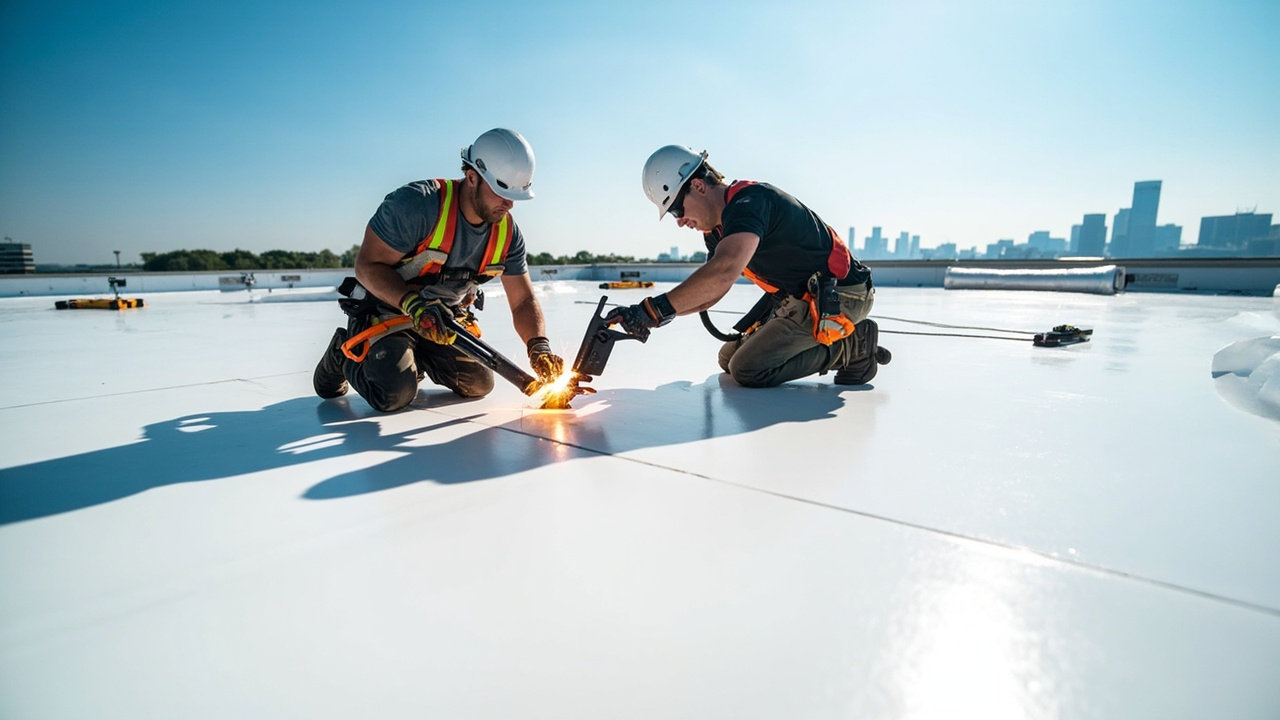
The PVC roofing system installation itself uses hot air welding to fuse membrane seams at 1,000 degrees. This creates seam strength that exceeds the material itself. Every seam gets tested with a probe to verify waterproof integrity before we move to the next section. Mechanically fastened or fully adhered attachment methods get selected based on your deck type, wind exposure zone, and FM Global requirements for insurance compliance.

We install tapered insulation systems that eliminate ponding water, the leading cause of premature PVC roof failure. Indianapolis receives 42 inches of annual rainfall. Without proper drainage design, standing water causes plasticizer leaching and algae growth that degrades membrane performance. Our polyvinyl chloride roof installation includes cricket systems at roof penetrations and positive slope to all drains.

Flashing details at HVAC curbs, parapet walls, and equipment penetrations use prefabricated components and reinforced membrane to prevent the weak points where most commercial roof leaks originate. We address every pipe, vent, and rooftop unit with field-proven details that perform in Indiana weather conditions.

What Happens During Your Commercial PVC Roof Installation

PVC Roof Installation in Indianapolis – Minimize Downtime for Your Commercial Facility
01

Building Assessment and Planning

We survey your facility to document existing conditions, identify load-bearing capacity, and plan material staging areas that do not interfere with shipping and receiving. Core samples reveal deck condition and moisture content. You receive a detailed scope that outlines phasing, timeline, and coordination requirements. We schedule around your peak business periods and obtain required permits from Indianapolis building officials before mobilization begins.
02

Membrane Installation and Testing

Our crews remove existing material down to the structural deck or overlay new insulation if conditions allow. We install PVC membrane in sections, heat-welding all seams and field-testing every joint. Flashing gets integrated at walls and penetrations using reinforced material and proper termination bars. Each phase gets completed and made watertight before we move to the next section. You maintain full weather protection throughout the project with zero compromise to operations.
03

Final Inspection and Documentation

The completed PVC roofing system installation undergoes a final walkthrough where we verify every detail meets manufacturer specifications and local code requirements. You receive complete documentation including material certifications, FM Global ratings, and warranty registration. We create a digital roof asset file with photos, infrared scans, and maintenance recommendations. Your facility manager gets a maintenance protocol that protects warranty coverage and maximizes system lifespan.

Why Indianapolis Facilities Trust Elite Roofing for PVC Membrane Projects

Commercial PVC roofing installation requires specific expertise that residential roofers do not possess. Elite Roofing Indianapolis holds manufacturer certifications from major PVC suppliers, which means our crews receive factory training on proper installation techniques and we can offer enhanced material warranties unavailable through non-certified contractors.

We understand Indianapolis building codes and the specific requirements in Marion County for commercial roof replacement permits. Projects over 10,000 square feet trigger plan review and inspection protocols that delay uninformed contractors. We navigate this process efficiently because we work with local building officials regularly and know what documentation they require.

Our project management approach prioritizes your business continuity. We have installed PVC roofing systems on operating warehouses, retail centers, manufacturing plants, and cold storage facilities throughout the Indianapolis metro area. This experience teaches you how to phase work, coordinate deliveries, manage safety protocols around active operations, and complete projects without disrupting revenue-generating activities.

We maintain fleet capacity to handle projects from 5,000 to 200,000 square feet. Smaller contractors lack the crew size and equipment to complete substantial commercial projects on schedule. Delays cost you money through extended equipment rentals, weather exposure, and lost productivity. Our equipment inventory includes hot air welders, material lifts, and safety systems that keep crews productive regardless of building height or configuration.

Indianapolis experiences unpredictable weather during spring and fall construction seasons. We monitor forecasts and adjust schedules to avoid weather-related quality issues. A PVC flat roof installation performed in wet conditions or during temperature extremes will fail prematurely. We protect your investment by refusing to compromise installation standards for schedule convenience when conditions do not support proper workmanship.

What Your Business Can Expect from Our PVC Roofing Installation

Project Timeline and Coordination

Most commercial PVC roofing system installations in Indianapolis complete within 2-6 weeks depending on building size and complexity. We provide a detailed schedule before work begins that identifies daily activities, material deliveries, and crane operations. You receive 48-hour advance notice before any activity that might affect your operations. We coordinate with your facility manager to avoid conflicts with shipments, production schedules, or peak customer traffic. Projects get phased to maintain weather protection across the entire building throughout the installation period. Weather delays get communicated immediately with revised completion dates.

Pre-Installation Evaluation and Engineering

Every commercial PVC membrane installation begins with structural assessment to verify your deck can support new material weight. We calculate dead load and uplift requirements based on Indianapolis wind exposure and building height. Infrared scanning identifies hidden moisture that must be addressed before new membrane installation. Core samples reveal insulation condition and deck fastener patterns. You receive a written evaluation that details existing conditions and recommended solutions. If structural reinforcement or extensive deck replacement becomes necessary, you know this before signing contracts. This eliminates surprise costs and project delays that occur when contractors discover problems after work begins.

Quality Control and Performance Standards

Our polyvinyl chloride roof installation meets or exceeds FM Global and Factory Mutual standards required for commercial property insurance. Every heat-welded seam gets tested with a probe to verify watertight integrity. We document quality control checks with photos and test results that become part of your permanent roof file. The completed system undergoes final inspection by manufacturer representatives who verify compliance with installation specifications. This third-party verification protects your warranty coverage and proves proper installation if insurance claims arise. You receive a roof that meets code requirements and industry standards, not shortcuts that save installer time but compromise long-term performance.

Warranty Coverage and Maintenance Support

Material warranties on commercial PVC roofing installations range from 15 to 30 years depending on membrane thickness and system design. We register your warranty with the manufacturer and provide complete documentation. Our installation workmanship carries a separate guarantee that covers labor and details. You receive a maintenance protocol that outlines required inspections and care procedures necessary to maintain warranty coverage. We offer annual inspection services that identify minor issues before they become major leaks. This proactive approach extends system lifespan and prevents emergency repairs that disrupt business operations. Your facility manager gets direct contact information for service calls and technical questions.

Frequently Asked Questions

You Have Questions,
We Have Answers

What are the disadvantages of PVC roofing? +

PVC roofing carries higher material costs compared to TPO or EPDM membranes. The membrane can become brittle in extreme cold, which matters during Indianapolis winters when temperatures drop below freezing for extended periods. PVC requires skilled labor for proper heat welding, and poor seam work leads to leaks. The material also has lower resistance to punctures than some alternatives, making it vulnerable during hailstorms common in central Indiana. Additionally, lighter-colored PVC membranes can show dirt and discoloration over time, requiring more frequent cleaning to maintain appearance on visible commercial rooftops.

How much does it cost to install a PVC roof? +

Commercial PVC roof installation costs vary based on roof size, complexity, existing conditions, and membrane thickness. Factors include tear-off requirements, insulation needs, and accessibility. Indianapolis building codes may require specific insulation R-values that affect total costs. Larger commercial buildings typically see lower per-square costs due to economies of scale. Expect variations based on roof penetrations like HVAC units, edge details, and warranty levels selected. Request detailed quotes from qualified contractors who account for Indianapolis-specific factors like winter installation challenges and local disposal fees for old roofing materials.

How to adhere PVC roofing? +

PVC roofing requires hot air welding for proper adhesion. Contractors use specialized heat guns to melt overlapping membrane edges, creating watertight seams stronger than the base material. The membrane attaches to the deck through mechanical fastening, fully adhered methods using bonding adhesives, or ballasted systems with stone. Indianapolis commercial projects often use mechanically fastened systems for wind resistance during severe weather. Proper surface preparation is critical. The substrate must be clean, dry, and smooth. Installers overlap seams by at least two inches and weld in consistent passes to prevent weak points vulnerable to water infiltration.

How long will a PVC roof last? +

A properly installed PVC roof lasts 20 to 30 years in commercial applications. Longevity depends on membrane thickness, installation quality, maintenance frequency, and environmental exposure. Indianapolis buildings face freeze-thaw cycles, UV exposure, and occasional severe weather that affect lifespan. Thicker membranes (60 mil versus 45 mil) provide better durability. Regular inspections and prompt repairs extend service life by addressing minor issues before they escalate. Ponding water from inadequate drainage reduces lifespan. Commercial buildings with proactive maintenance programs and proper initial installation typically reach or exceed the expected service life, protecting ROI.

How many years does a PVC ceiling last? +

PVC ceiling panels in interior applications last 15 to 25 years, longer than roofing membranes due to reduced environmental stress. Interior ceilings avoid UV degradation, thermal cycling, and weather exposure that affect roofing systems. In Indianapolis commercial spaces, PVC ceilings resist moisture and humidity, making them suitable for areas like restrooms or kitchens. Lifespan depends on installation quality, ventilation, and cleaning practices. Unlike roofing membranes that face extreme temperature swings and precipitation, interior PVC products maintain appearance and function with minimal maintenance. Commercial facilities value this durability in high-traffic areas requiring washable, long-lasting ceiling solutions.

What is better, PVC or polycarbonate roof? +

PVC roofing outperforms polycarbonate for commercial flat roof applications. PVC membranes provide superior waterproofing, chemical resistance, and fire ratings required by Indianapolis building codes. Polycarbonate panels suit skylights, canopies, or sloped translucent roofing where light transmission matters, not flat commercial roofs. PVC membranes handle foot traffic better and create fully sealed waterproof barriers through heat welding. Polycarbonate requires framing systems and gaskets prone to leaks. For commercial flat roofs prioritizing durability, code compliance, and minimal maintenance, PVC single-ply membranes deliver better long-term performance and lower lifecycle costs than polycarbonate sheeting applications.

Which is better EPDM or PVC roofing? +

PVC roofing offers advantages over EPDM for Indianapolis commercial buildings prioritizing chemical resistance and seam strength. PVC seams heat-weld into watertight bonds stronger than the membrane, while EPDM relies on adhesive or tape seams that can fail over time. PVC resists grease, oils, and chemicals better, making it ideal for restaurant roofs or industrial facilities. However, EPDM costs less and performs well in extreme cold. EPDM also handles UV exposure effectively. The choice depends on building use, budget, and maintenance capability. Both systems require professional installation to achieve their rated service life and performance.

How much does it cost to roof a 2000 sq ft house? +

This question applies to residential steep-slope roofing, not commercial PVC membrane systems. Residential roofing costs depend on material choice (asphalt shingles, metal, tile), roof complexity, pitch, and tear-off requirements. Indianapolis residential projects face variables like ice dam protection requirements and local disposal fees. PVC roofing typically applies to commercial flat or low-slope applications, not residential houses. For commercial buildings around 2,000 square feet, costs vary significantly based on the factors mentioned earlier. Commercial roofing quotes should account for business-specific needs like minimizing operational disruption and meeting insurance or lease requirements.

What is the minimum pitch for a PVC roof? +

PVC roofing requires a minimum slope of one-quarter inch per foot for proper drainage. Indianapolis building codes mandate adequate drainage to prevent ponding water, which degrades membrane lifespan and voids warranties. Most manufacturers require water to drain within 48 hours after rainfall. Flat commercial roofs should incorporate tapered insulation systems or structural slope to direct water toward drains and scuppers. Standing water accelerates UV degradation, promotes algae growth, and stresses seams. Proper slope design during installation prevents costly drainage issues. Retrofit projects on existing flat roofs often add tapered insulation to achieve code-compliant slopes.

Do you weld PVC roofing? +

Yes, PVC roofing seams require hot air welding for proper installation. Contractors use specialized welding equipment that heats overlapping membrane edges to melting temperature, then applies pressure with rollers to fuse them into a single watertight bond. This process creates seams stronger than the base membrane. Proper welding technique requires trained installers who maintain correct temperature, speed, and pressure throughout. Indianapolis weather conditions affect field welding, as moisture, wind, and cold temperatures complicate the process. Quality control includes seam testing with probes to verify weld integrity. Poor welding causes most PVC roof failures, making contractor expertise critical.

How Indianapolis Weather Patterns Make PVC Membrane the Smart Choice for Commercial Facilities

Indianapolis sits in a transition zone where humid continental climate meets humid subtropical conditions. This creates extreme temperature swings that stress commercial roofing materials. Summer temperatures reach 95 degrees with high humidity, while winter lows drop below zero. A single year brings 120-degree temperature variation that causes expansion and contraction in roof membranes. PVC roofing system installation handles this stress better than alternative materials because the plasticized formulation maintains flexibility across the entire temperature range. The material does not crack in cold weather or soften excessively in summer heat. This thermal stability prevents the premature aging that destroys EPDM and TPO systems on Indianapolis commercial buildings within 15 years.

Commercial property owners in Indianapolis need contractors who understand local code enforcement and inspection requirements specific to Marion County. Building permits for commercial roof replacement require engineered drawings, wind uplift calculations, and fire rating documentation. Elite Roofing Indianapolis maintains relationships with local inspectors and understands what documentation satisfies permit requirements. We coordinate inspections at appropriate project milestones and ensure your PVC flat roof installation passes without delays or corrections. This local knowledge prevents the compliance issues that plague out-of-town contractors unfamiliar with Indianapolis building department procedures. Your project moves forward on schedule because we know how to work within the local regulatory environment.
Roofing Services in The Indianapolis Area

We invite you to view our service area and main office location on the map below. While we primarily work on-site at your residential or commercial property, our central Indianapolis location allows us to dispatch our expert teams quickly across the entire metro area and surrounding communities. We are committed to being your accessible, local roofing partner, ready to serve your needs efficiently and professionally wherever you are.

Address:
Elite Roofing Indianapolis, 4201 Millersville Rd, Indianapolis, IN, 46205

Additional Services We Offer

Our news updates

Latest Articles & News from The Blogs

Roof replacement costs for rental properties in the Near Eastside Replacing a roof on a rental property in Indianapolis’s Near…

Roof replacement costs for rental properties in the Near Eastside

Roof replacement costs for rental properties in the Near Eastside Replacing a roof on a rental property in Indianapolis’s Near…

How the brutal Indiana summer heat ages your shingles faster than you think

How the brutal Indiana summer heat ages your shingles faster than you think Indiana summers are no joke. When July…

Maintaining the unique charm and complex rooflines of a Forest Hills Tudor home

Maintaining the unique charm and complex rooflines of a Forest Hills Tudor home Your Forest Hills Tudor home stands out…

Contact Us

Contact Elite Roofing Indianapolis at (317) 703-7557 for a detailed assessment of your commercial roof and a written proposal that includes phasing, timeline, and project specifics. We respond within 24 hours and can mobilize crews quickly when your situation requires immediate attention.