menu

Roof Cricket Drainage Issues in Indianapolis – Expert Diagnosis Stops Water Damage Before It Spreads

Elite Roofing Indianapolis identifies chimney saddle water pooling, improper cricket pitch, and roof saddle drainage failure before they compromise your roof deck and interior ceilings.

Slider Image 1
Slider Image 2
Slider Image 3
Slider Image 4
Slider Image 5
Slider Image 7
Slider Image 8
Slider Image 9
Slider Image 10
Slider Image 11

Why Indianapolis Roofs Face Constant Cricket Drainage Problems

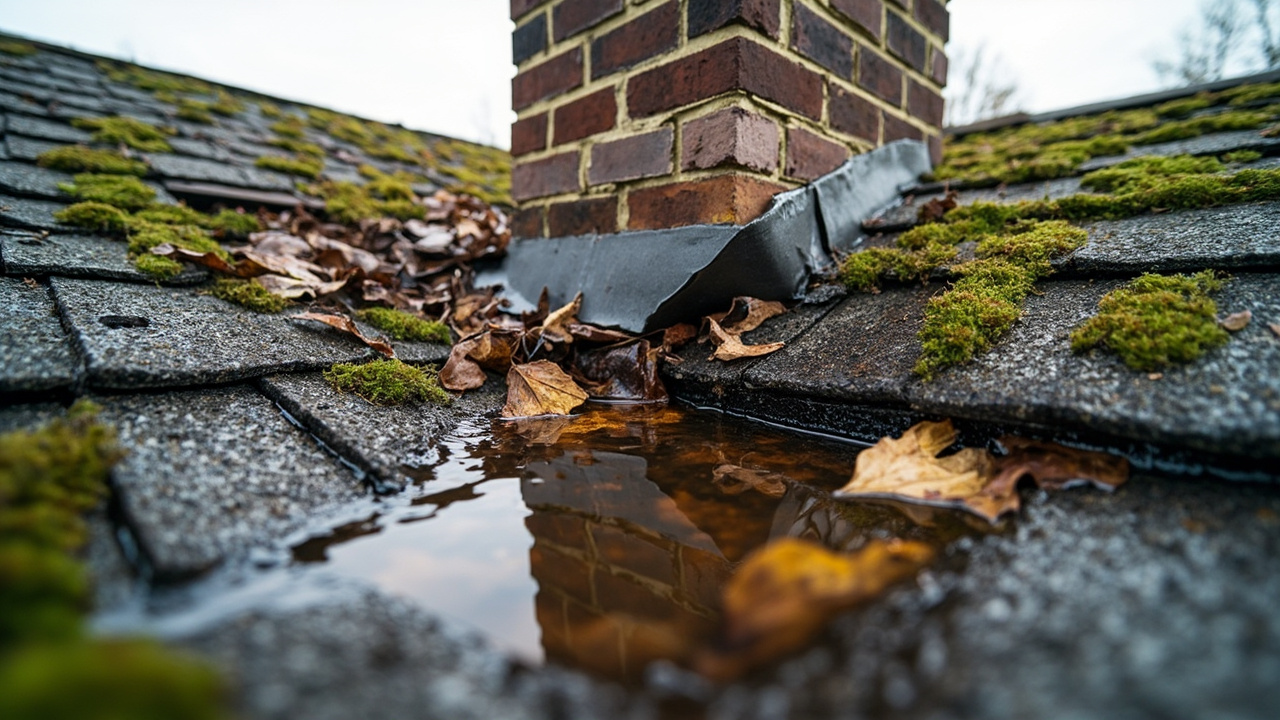
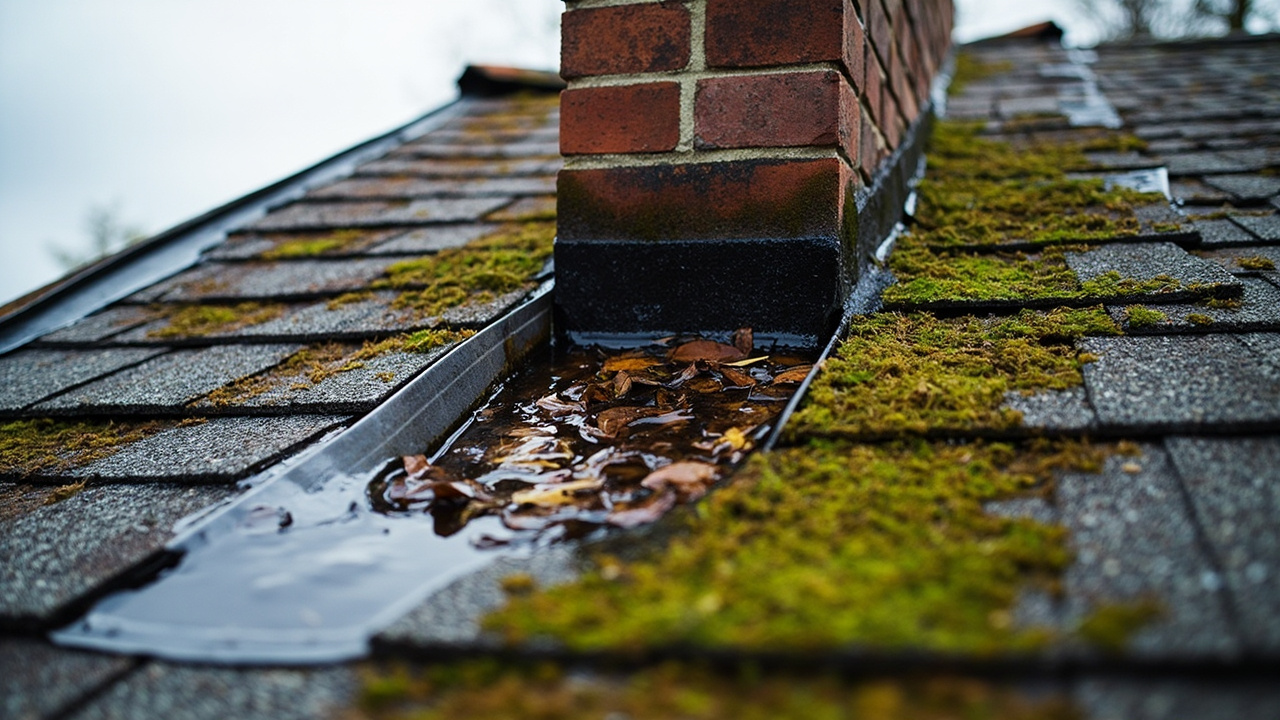
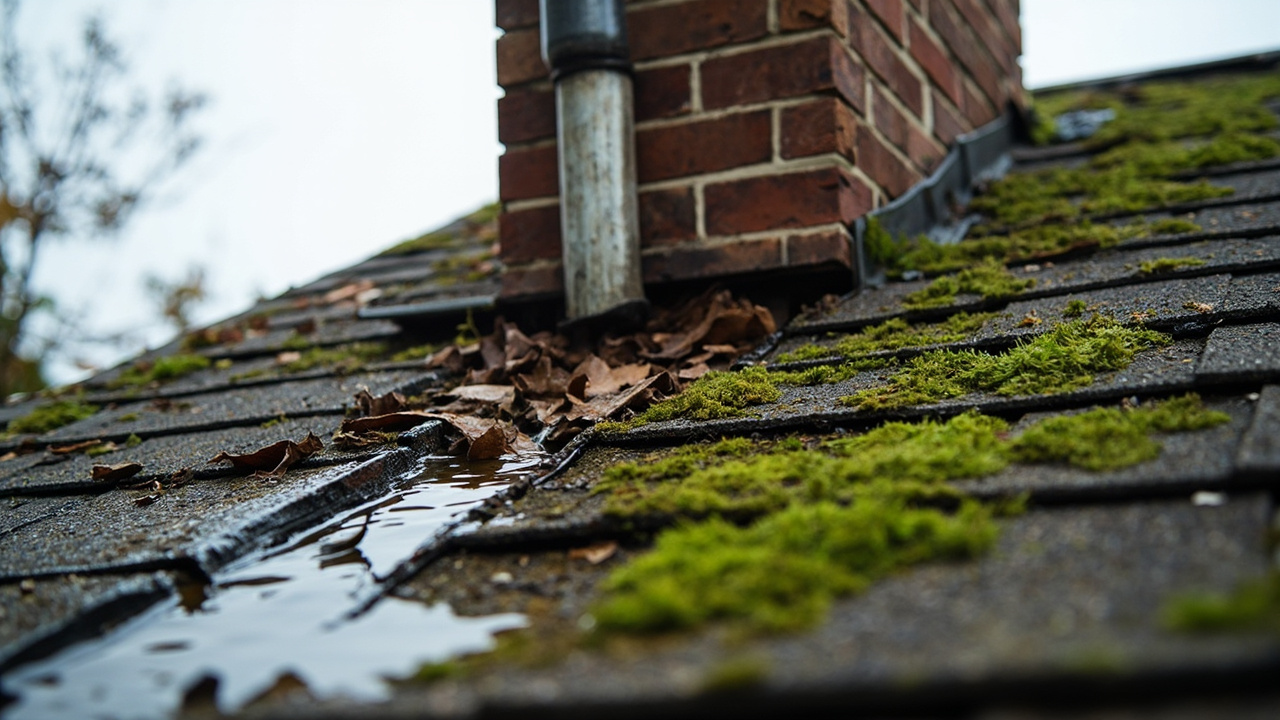
You notice water stains on the ceiling near your chimney after every hard rain. The problem is not the shingles. The problem is water pooling behind the chimney where a cricket or saddle should divert flow.

Indianapolis weather creates the perfect storm for roof cricket ponding. We get freeze-thaw cycles from November through March that expand trapped water into ice, cracking the flashing seal. Spring thunderstorms dump two inches in an hour, overwhelming crickets with improper pitch. Summer humidity keeps moisture sitting in valleys where it should drain away within minutes.

Most roofs in Indianapolis were built during the construction boom of the 1990s and early 2000s. Builders often installed crickets with inadequate slope or skipped them entirely on smaller chimneys. The result is chimney saddle water pooling that accelerates every time temperature swings crack the sealant. You get chimney diverter leaks that travel under shingles, soaking the roof deck and dripping into your attic insulation.

The clay soil common throughout Marion County shifts with seasonal moisture changes. This movement stresses roof structures and opens gaps in cricket flashing. What starts as a small leak becomes roof saddle drainage failure that rots the framing around your chimney. By the time you see ceiling damage, the hidden structural damage often costs three times more to repair.

Water does not wait. Every rain event without proper cricket drainage compounds the problem.

Why Indianapolis Roofs Face Constant Cricket Drainage Problems
How We Fix Cricket Drainage Before Structural Damage Spreads

How We Fix Cricket Drainage Before Structural Damage Spreads

Most roofers slap new flashing over a failed cricket and call it fixed. That approach ignores the geometry problem causing the ponding in the first place.

We rebuild crickets with the correct pitch ratio. A proper cricket requires a minimum 5-in-12 slope to shed water faster than Indianapolis rain can accumulate. We measure the chimney width and calculate the required cricket height using the same engineering standards applied to commercial buildings. If your existing cricket sits too flat, we tear it out and rebuild the framing to the correct angle.

Chimney saddle water pooling happens when the cricket does not extend far enough upslope. We extend the cricket base a minimum of three feet behind the chimney to intercept water before it reaches the vulnerable back corner. This creates two drainage channels that route water around both sides of the chimney instead of letting it dam up in a single valley.

We integrate the cricket into the roof deck with structural fasteners, not just roofing nails. The cricket framing ties directly into the roof trusses so it cannot shift when clay soil movement stresses the structure. We install ice and water shield under the entire cricket and twelve inches beyond its perimeter. This creates a secondary drainage plane if the shingle layer ever develops a weak point.

The flashing system uses soldered copper or welded aluminum, not caulked galvanized steel. We lap each flashing piece in the direction of water flow and secure it to both the chimney masonry and the cricket framing. This eliminates the flex points where chimney diverter leaks typically start.

What Happens During Your Cricket Drainage Repair

Roof Cricket Drainage Issues in Indianapolis – Expert Diagnosis Stops Water Damage Before It Spreads
01

Leak Source Identification

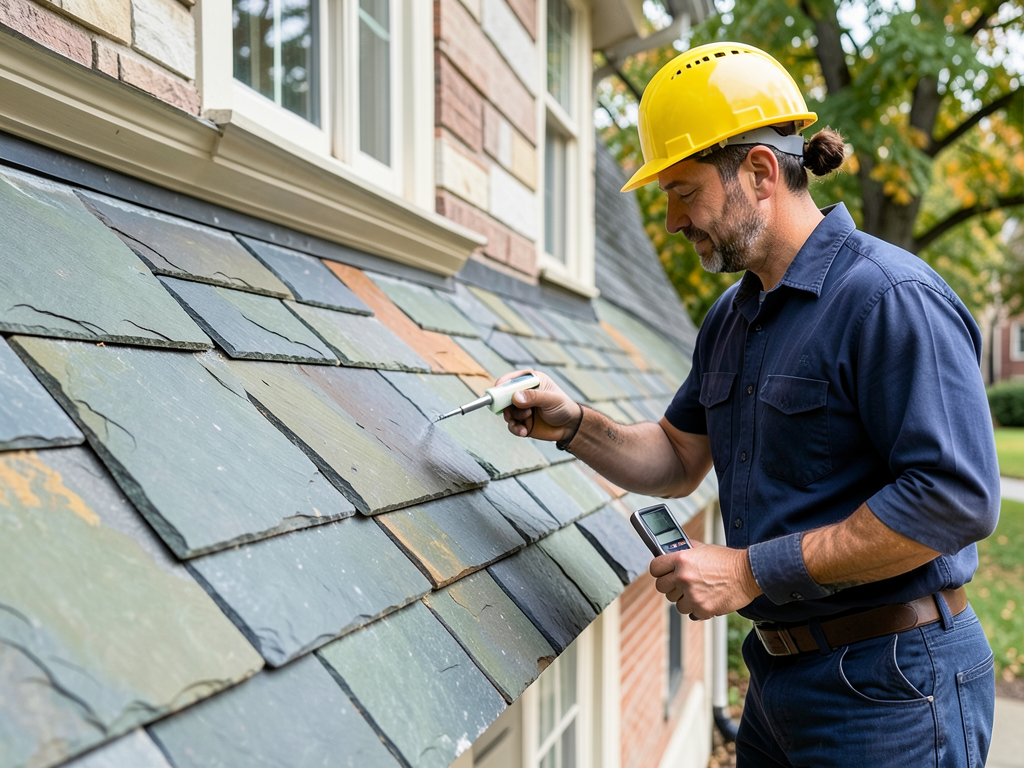
We inspect your attic and roof deck with moisture meters to map exactly where water enters. Most chimney leaks travel horizontally through the deck before dripping into the visible ceiling stain. We trace the water path back to the failed cricket or missing saddle, photograph the damage, and explain what caused the roof saddle drainage failure. You see exactly what needs repair before we touch a single shingle.
02

Cricket Reconstruction

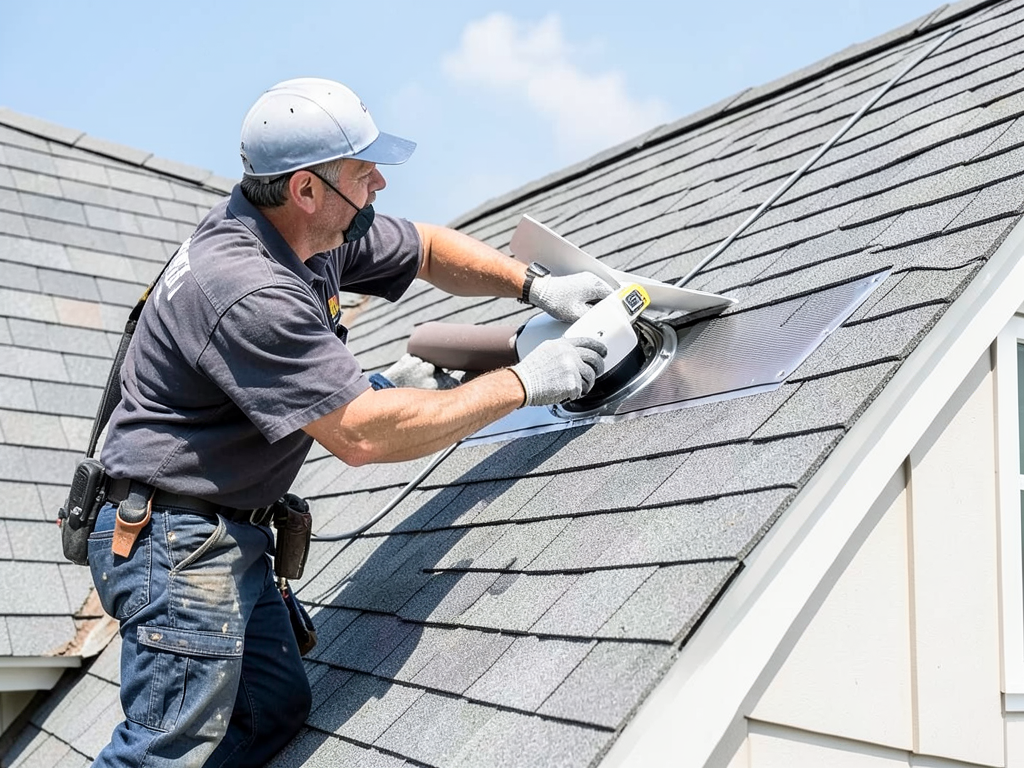
We remove shingles and inspect the existing cricket framing. If the pitch is inadequate or the structure has rotted, we rebuild it with pressure-treated lumber cut to the correct slope. We install new roof decking if water damage compromised the plywood. The new cricket extends far enough upslope to eliminate ponding and ties directly into your roof framing. We apply ice and water shield before installing step flashing and counter flashing.
03

Waterproofing and Testing

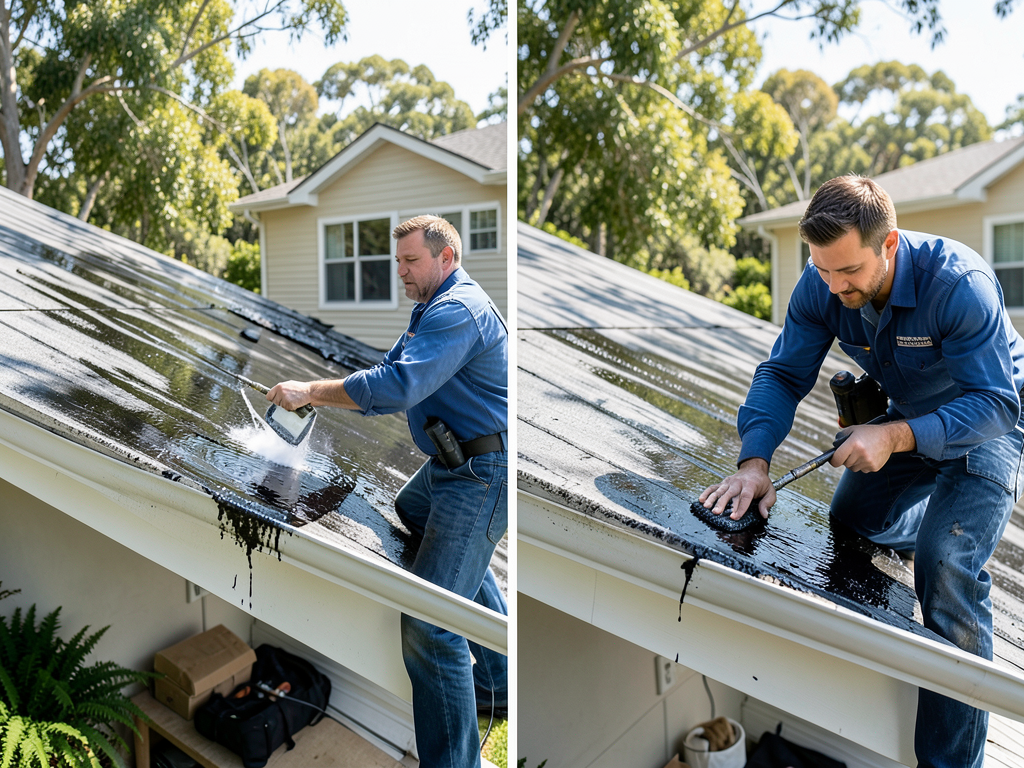
We seal all flashing joints with polyurethane sealant rated for Indianapolis freeze-thaw cycles. After shingling over the new cricket, we run a hose test to verify water flows away from the chimney without pooling. We photograph the completed cricket from multiple angles and provide documentation of the pitch angle and materials used. You get a roof system designed to handle our worst spring storms without leaking.

Why Indianapolis Homeowners Trust Elite Roofing for Cricket Repairs

Most roofers in Indianapolis focus on full tear-offs and new construction. They treat cricket repairs as quick patch jobs because the geometry and flashing work requires precision they would rather avoid. Elite Roofing Indianapolis specializes in the diagnostic work that prevents small leaks from becoming catastrophic failures.

We understand how Indianapolis weather accelerates cricket drainage problems. Our crews have repaired crickets on everything from 1920s bungalows in Broad Ripple to 1990s subdivisions in Fishers. We know which roof designs in which neighborhoods are prone to improper cricket pitch because we have seen the pattern failures across Marion County.

You get a crew that respects your property. We tarp your landscaping, protect your gutters during shingle removal, and use magnetic rollers to pick up every nail. Our project managers explain the repair process in plain language without upselling you on a full roof replacement if the rest of your shingles have serviceable life remaining.

We work directly with Indianapolis insurance adjusters on storm damage claims. If a hailstorm compromised your cricket flashing or a winter freeze cracked the seal, we document the damage with the photos and moisture readings adjusters need to approve your claim. You get an advocate who understands the difference between normal wear and covered peril damage.

Local building inspectors know our work. We pull permits for structural cricket repairs and schedule inspections so you have documentation that the work meets current code. That matters when you sell your home or file future insurance claims.

What to Expect When You Call Elite Roofing Indianapolis

Rapid Response Scheduling

We inspect your roof within 48 hours of your call. If you have active leaking, we can often arrive the same day to install emergency tarps while we prepare a repair plan. Most cricket repairs take one to two days depending on the extent of deck damage. We schedule around your availability and communicate clearly about arrival times. You are not waiting three weeks for a crew to show up while water continues damaging your ceiling and insulation.

Thorough Damage Assessment

Our inspection includes attic access to check for hidden moisture damage in the roof deck and framing. We use thermal imaging to identify wet insulation and moisture meters to measure deck saturation levels. You get a written report explaining what caused the chimney saddle water pooling, how far the water traveled, and what materials need replacement. We provide photos showing the failed cricket pitch and explain how the repair eliminates future ponding. No surprises, no hidden damage discovered halfway through the job.

Permanent Drainage Solutions

You get a cricket engineered to handle Indianapolis rainfall intensity. We match your existing shingle color and style so the repair blends invisibly with the rest of your roof. The new flashing system uses materials that will not corrode or separate during freeze-thaw cycles. We test the drainage with water before we leave to verify the cricket sheds water properly. The result is a chimney area that stays dry during spring storms and winter snowmelt, protecting your roof deck and interior from further damage.

Post-Repair Documentation

We provide detailed photos of the completed cricket repair and a material list for your records. If we discovered additional damage during the repair, we document it with photos and explain what maintenance you should monitor. We recommend annual inspections before winter to verify the flashing remains sealed and the cricket pitch has not been compromised by ice dams. You get a point of contact for future questions and priority scheduling if you need additional roof work. We stand behind our repairs and want your roof to last decades, not years.

Frequently Asked Questions

You Have Questions,
We Have Answers

Does rooftop cricket damage roofs? +

No, rooftop crickets protect roofs from damage. A cricket is a small peaked structure installed behind chimneys or large roof penetrations to divert water flow. Without a cricket, water pools behind these features during Indianapolis storms, leading to rot, leaks, and deteriorated flashing. The cricket channels water around the obstruction and into gutters. Improperly built crickets can cause issues if they trap debris or create new pooling areas. Most damage blamed on crickets comes from poor installation or missing crickets altogether. Indiana building codes require crickets on chimneys wider than 30 inches for this reason.

What are the signs of a failing roof drain? +

Watch for water stains on ceilings near drains, slow drainage after rain, or standing water on flat sections of your roof. You may notice rust around drain openings or gutters overflowing during storms. Inside, musty odors or bubbling paint signal trapped moisture. In Indianapolis, freeze-thaw cycles worsen failing drains as trapped water freezes and expands, cracking drain housings. Check for debris buildup around drain openings after fall leaves drop. Sagging sections near drains indicate structural stress from pooled water. Any standing water lasting more than 48 hours after rain means your drainage system needs attention.

What problems do roof crickets solve? +

Crickets prevent water ponding behind chimneys and large roof penetrations, which is the primary cause of leak damage in these areas. They redirect water flow down both sides of the obstruction instead of allowing accumulation. This stops rot in roof decking, protects chimney flashing from constant water exposure, and eliminates ice dam formation in Indianapolis winters. Crickets also prevent debris accumulation behind chimneys, which blocks drainage and traps moisture. Without crickets, water penetrates through mortar joints and flashing seams. The peaked design sheds snow and ice more effectively than flat surfaces, reducing freeze-thaw damage common in Indiana.

What is a drainage cricket? +

A drainage cricket is a peaked or ridged structure built on a roof to divert water away from areas prone to ponding. The most common type sits behind chimneys, creating a small peaked roof that channels water around the obstruction. Crickets can also be installed in valleys or low spots on flat roofs where water tends to accumulate. They are typically framed with wood or metal and covered with the same roofing material as the main roof. The peak runs perpendicular to the main roof slope. In Indianapolis commercial buildings, larger crickets redirect water toward multiple drains on flat roof systems.

Can crickets cause structural damage? +

Yes, roof crickets can cause structural damage if poorly designed or installed. A cricket with inadequate slope creates new ponding areas instead of solving drainage problems. This leads to decking rot, compromised trusses, and eventual roof collapse in extreme cases. Improperly flashed crickets allow water infiltration at the seams, rotting the framing from inside. In Indianapolis, snow accumulation on low-slope crickets adds weight stress. Crickets built without proper waterproofing under the roofing material trap moisture in the wood structure. However, well-built crickets prevent far more damage than they cause. The issue is installation quality, not the cricket itself.

Should you try to remove an ice dam on your roof in winter? +

No. Attempting ice dam removal yourself risks serious injury and roof damage. Indianapolis winters create dangerous conditions on sloped roofs. Chipping away ice can puncture shingles, crack flashing, or send you sliding off the roof. Ice picks and hammers damage roofing materials even when used carefully. Instead, call a professional who uses low-pressure steam to melt dams safely. If you must act immediately, use a roof rake from the ground to remove snow before it melts and refreezes. Never use salt or calcium chloride, which corrodes metal flashing and harms landscaping. Focus on attic insulation improvements to prevent future dams.

Is it worth claiming roof damage on insurance? +

It depends on the damage extent and your deductible. Most Indianapolis homeowners insurance policies cover sudden storm damage but exclude wear and neglect. If wind, hail, or falling trees caused the damage, file a claim. Your insurer will send an adjuster to assess whether damage exceeds your deductible. Minor repairs under $1,500 often cost less than deductible amounts and premium increases. Repeated claims can trigger coverage cancellation. Document everything with photos before repairs. For drainage issues from poor maintenance, insurance typically will not pay. Get a professional inspection to determine if the damage qualifies as a covered event before filing.

Who is responsible for drainage issues? +

The property owner is responsible for roof drainage maintenance and repairs. For single-family homes in Indianapolis, this means you. In multi-unit buildings, the association typically handles common roof areas. Commercial property owners must maintain drainage systems to code. If a roofing contractor installed defective crickets or drains, they may be liable during the warranty period. Manufacturers cover material defects but not installation errors. If your neighbor's drainage directs water onto your roof, they may share liability. City stormwater regulations require proper roof drainage that does not overwhelm municipal systems. Keep maintenance records to prove diligence if disputes arise.

How often should roof drains be cleaned? +

Inspect and clean roof drains twice yearly in Indianapolis, ideally in spring and fall. Heavy tree cover requires quarterly cleaning to prevent leaf and debris accumulation. After severe storms, check drains for blockages from twigs and shingle granules. Commercial flat roofs need more frequent attention due to larger drainage systems and greater water volume. Clean drains before winter to prevent ice formation in drain pipes. If you notice slow drainage between scheduled cleanings, clear debris immediately. Clogged drains cause ponding that stresses roof structures and accelerates deterioration. Professional roof maintenance plans include drain cleaning and documentation for insurance purposes.

Do roof crickets need to be inspected? +

Yes, inspect crickets annually as part of regular roof maintenance. Check for cracked flashing where the cricket meets the chimney or roof deck. Look for damaged shingles on cricket surfaces and signs of wood rot at seams. In Indianapolis, freeze-thaw cycles stress cricket structures, causing separation from the main roof. Inspect after severe storms for shifted framing or missing roofing material. Check that the cricket still directs water properly and does not create new pooling areas. Pay attention to debris accumulation around cricket bases, which blocks intended drainage paths. Professional inspections catch small problems before they become expensive structural repairs.

How Indianapolis Freeze-Thaw Cycles Accelerate Cricket Drainage Failure

Indianapolis averages 23 freeze-thaw cycles per winter, with temperatures swinging from 15 degrees at night to 45 degrees by afternoon. Water trapped behind your chimney from inadequate cricket pitch freezes overnight, expanding into ice that pries flashing away from masonry. When it melts the next afternoon, the water seeps under the lifted flashing and soaks the roof deck. This cycle repeats dozens of times each winter, progressively worsening chimney diverter leaks. Spring rains then exploit the gaps created by ice expansion, causing sudden ceiling stains that appear to come out of nowhere. The problem has been building all winter.

Elite Roofing Indianapolis has been repairing roof cricket ponding throughout Marion County since before the 2000 building code updates that finally mandated proper cricket installation. We know which subdivisions were built before those standards took effect and which roof designs are most vulnerable to drainage failure. Local inspectors recognize our work because we have pulled hundreds of permits for cricket repairs that meet or exceed current structural requirements. When you hire a crew familiar with Indianapolis roof challenges, you get repairs engineered for our specific climate stress patterns, not generic solutions that fail in three years.
Roofing Services in The Indianapolis Area

We invite you to view our service area and main office location on the map below. While we primarily work on-site at your residential or commercial property, our central Indianapolis location allows us to dispatch our expert teams quickly across the entire metro area and surrounding communities. We are committed to being your accessible, local roofing partner, ready to serve your needs efficiently and professionally wherever you are.

Address:
Elite Roofing Indianapolis, 4201 Millersville Rd, Indianapolis, IN, 46205

Additional Services We Offer

Our news updates

Latest Articles & News from The Blogs

Roof replacement costs for rental properties in the Near Eastside Replacing a roof on a rental property in Indianapolis’s Near…

Roof replacement costs for rental properties in the Near Eastside

Roof replacement costs for rental properties in the Near Eastside Replacing a roof on a rental property in Indianapolis’s Near…

How the brutal Indiana summer heat ages your shingles faster than you think

How the brutal Indiana summer heat ages your shingles faster than you think Indiana summers are no joke. When July…

Maintaining the unique charm and complex rooflines of a Forest Hills Tudor home

Maintaining the unique charm and complex rooflines of a Forest Hills Tudor home Your Forest Hills Tudor home stands out…

Contact Us

Call Elite Roofing Indianapolis at (317) 703-7557 for a same-week inspection. We diagnose the exact cause of your cricket drainage failure and provide a written repair plan before you commit to anything. Your ceiling damage will only get worse with every rain.