
Identifying the green algae on your Wynnedale roof and how to safely remove it
Green algae turning your Wynnedale roof black and streaky You’re not alone. This common problem affects many Indianapolis homes especially in shaded neighborhoods where moisture lingers. The culprit is a bacteria called Gloeocapsa Magma which thrives in our humid Indiana climate and feeds on the limestone filler in asphalt shingles. Asphalt Roofing Manufacturers Association.
Those black streaks you see are actually colonies of algae that can trap moisture against your roof surface leading to premature aging and higher cooling costs. The good news is this is a treatable problem that professional roof cleaning can solve without damaging your shingles. The best asphalt shingle brands for Greenwood homes (and why they matter).
Call (317) 703-7557 today to schedule your inspection and stop algae from shortening your roof’s lifespan.
How to identify green algae on your Wynnedale roof
Green algae often appears as dark streaks or patches that look like dirt or soot but won’t wash off with regular cleaning. The algae typically starts at the roof’s peak and works downward creating those characteristic black streaks that many homeowners mistake for weathering.
Living in Wynnedale means your home likely sits under mature tree canopy which creates the perfect environment for algae growth. The combination of shade moisture and organic debris provides everything these organisms need to thrive on your roof surface.
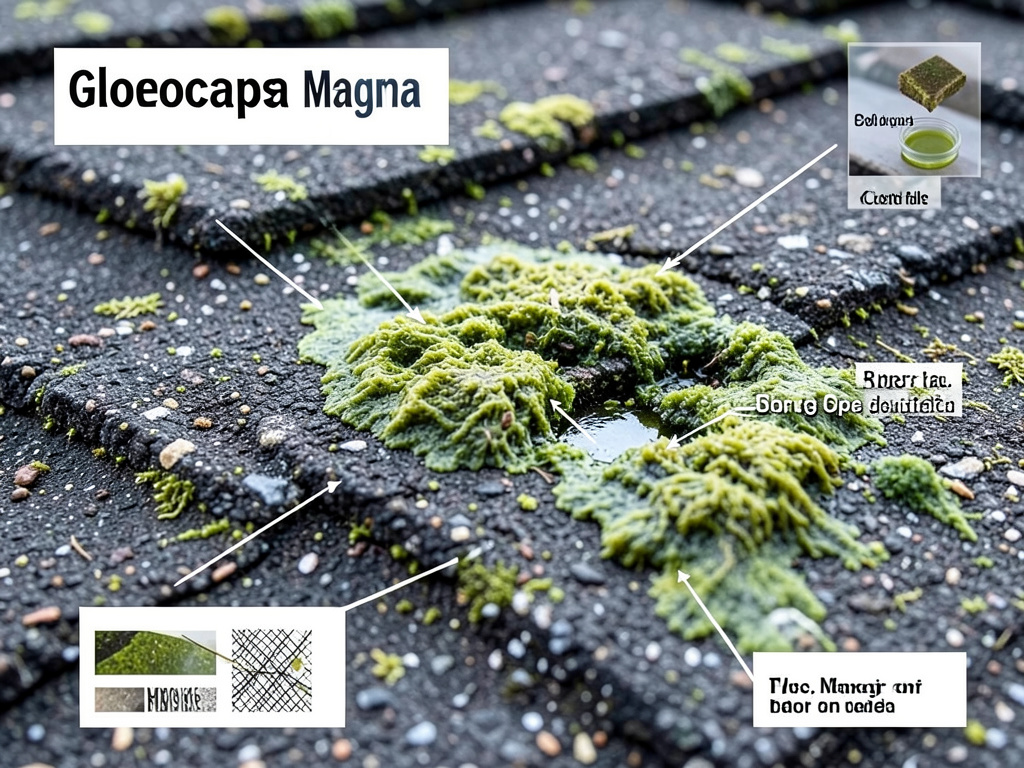
You can confirm it’s algae by checking if the dark areas appear more pronounced on north-facing slopes where sunlight is limited and moisture evaporates more slowly. Unlike moss which has a raised texture algae forms a flat discolored layer that adheres tightly to shingle surfaces.
Why Wynnedale homes are particularly vulnerable to algae growth
Wynnedale’s mature tree canopy and proximity to the White River watershed create ideal conditions for algae proliferation. The neighborhood’s established oaks and maples provide constant shade while the nearby river contributes to local humidity levels that hover above 70% during summer months.
Many Wynnedale homes were built between 1950 and 1980 using standard three-tab shingles containing limestone filler. This calcium carbonate content serves as a food source for Gloeocapsa Magma making older roofs especially susceptible to algae colonization.
The area’s clay-heavy soil also plays a role. When it rains water carries fine particles onto roof surfaces where they settle in shingle crevices creating additional organic material that algae can feed on. This combination of factors means Wynnedale roofs often show algae growth within 5-7 years of installation.
According to Marion County drainage studies areas near the White River experience 15% higher average humidity than other parts of Indianapolis which directly correlates with accelerated algae growth on residential roofs.
The science behind roof algae and why it matters
Gloeocapsa Magma is a cyanobacteria that forms a protective outer coating allowing it to survive harsh conditions. This bacteria feeds on the limestone filler commonly used in asphalt shingles and as it grows it produces a dark pigment that shields it from ultraviolet radiation.
The problem extends beyond aesthetics. As algae colonies expand they create a moisture-retaining layer on your roof. This trapped moisture can raise shingle temperatures during the day and prevent proper cooling at night leading to thermal stress that accelerates material breakdown.
Research from the Asphalt Roofing Manufacturers Association shows that algae-covered roofs can experience up to 10% reduction in reflective properties. This means your home absorbs more heat during summer months potentially increasing cooling costs by $200-400 annually depending on your home’s size and insulation quality. How to navigate a roofing insurance claim in Brownsburg without the headache.
Over time the algae’s acidic byproducts can begin breaking down shingle granules which protect against UV damage. Once granules start loosening your roof loses its primary defense against sun exposure creating a cycle of accelerated deterioration.
Safe algae removal methods that protect your shingles
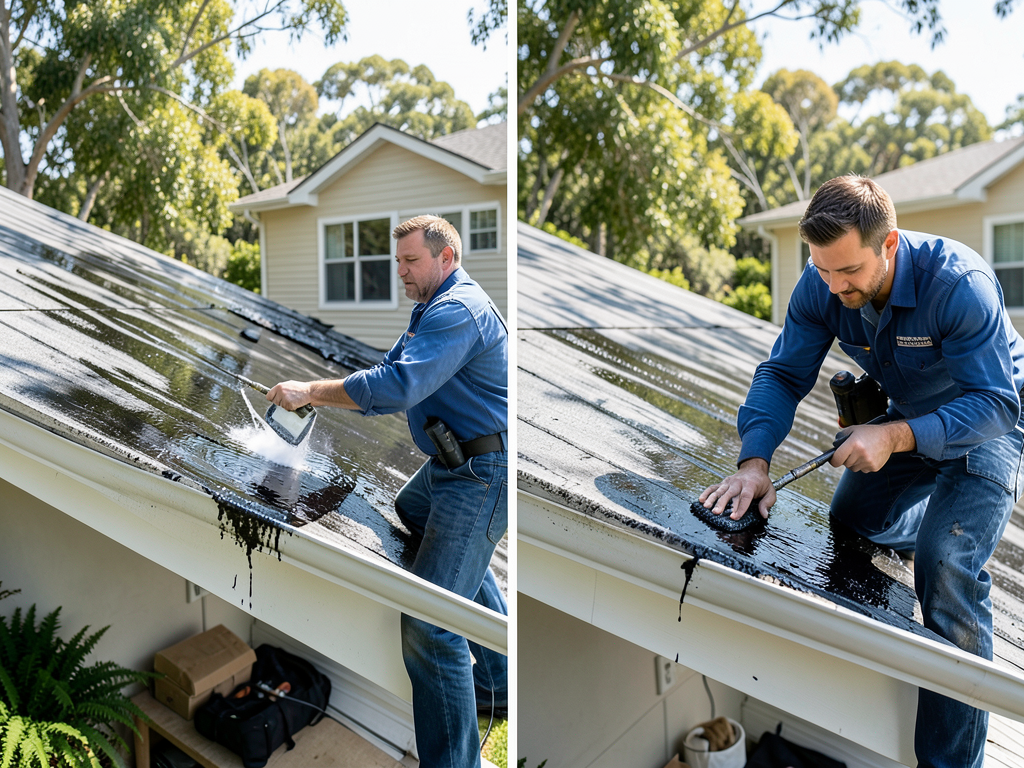
The soft wash method has become the industry standard for algae removal because it eliminates organisms without the damage caused by high-pressure washing. This process uses specialized cleaning solutions that kill algae at the root while preserving shingle integrity.
Professional soft washing typically involves applying a mixture containing sodium hypochlorite at concentrations between 3-5% mixed with surfactants that help the solution cling to vertical surfaces. The solution sits on the roof for 15-20 minutes allowing it to penetrate algae colonies and kill them completely.
Unlike pressure washing which can strip granules and void manufacturer warranties soft washing uses water pressure similar to a garden hose. This gentle approach ensures the cleaning solution does the work without damaging the protective layers of your shingles.
The process also includes protecting landscaping by pre-wetting plants and using tarps around the work area. Professional technicians understand that the cleaning solutions while safe for roofs can harm certain plants if applied directly at full strength.
Why pressure washing damages Indianapolis roofs
High-pressure washing might seem like a quick fix but it creates long-term problems that cost more than the initial cleaning. Water pressure exceeding 1500 PSI can blast away the protective mineral granules that give shingles their durability and UV resistance.
When granules dislodge the underlying asphalt becomes exposed to direct sunlight. This exposure causes the material to dry out and become brittle leading to cracking curling and eventual failure. The damage often appears within one to two years after pressure washing.
Many Wynnedale homes have architectural shingles with multiple layers and adhesive strips. High-pressure water can separate these layers and compromise the seal between shingles allowing wind-driven rain to penetrate your roof deck. EPA guidelines for chemical runoff.
ARMA guidelines specifically warn against using pressure washing on asphalt roofs stating it can void manufacturer warranties and significantly reduce roof lifespan. The damage is often invisible immediately but becomes apparent during the next inspection or when leaks develop.
Preventing algae from returning to your Wynnedale roof
After professional cleaning you can take several steps to slow algae regrowth. Installing zinc or copper strips near the roof peak creates a protective barrier as rainwater washes over the metal releasing ions that inhibit algae formation.
Regular maintenance also helps. Keeping gutters clean prevents overflow that can splash organic debris onto roof surfaces. Trimming tree branches to allow more sunlight to reach your roof reduces the moisture and shade that algae need to thrive.
Consider algae-resistant shingles for your next replacement. These products incorporate copper or zinc granules into the manufacturing process creating a long-term defense against biological growth. While they cost 10-15% more than standard shingles they can extend your roof’s aesthetic lifespan by 8-12 years. The honest cost of a full roof replacement in Indianapolis for 2026.
Annual roof inspections can catch algae colonies before they spread extensively. Early intervention means smaller treatment areas and lower costs compared to addressing widespread growth that has been established for several seasons.
The cost benefits of professional algae removal
Professional algae removal typically costs between $300-600 for an average Wynnedale home depending on roof size and severity of growth. This investment pales compared to the $8000-12000 cost of premature roof replacement caused by algae-related deterioration.
Beyond avoiding replacement costs clean roofs maintain better energy efficiency. The reflective properties of clean shingles can reduce cooling costs by 5-10% during summer months when air conditioning runs constantly in Indianapolis heat.
Property value also matters. A roof with black streaks creates a negative first impression that can reduce your home’s perceived value by 2-5%. In Wynnedale’s competitive real estate market where homes often feature mature landscaping and established character a clean roof helps maintain your property’s premium positioning.
Insurance companies increasingly inspect roofs during policy renewals. Severe algae staining can suggest neglect leading to higher premiums or even coverage denial. Regular maintenance demonstrates responsible homeownership that insurers reward with better rates.
Choosing the right contractor for Wynnedale roof cleaning
Not all roof cleaning services understand the specific needs of Indianapolis homes. Look for contractors familiar with local building codes including Marion County requirements for chemical runoff management near the White River watershed.
Verify the company carries proper insurance including workers’ compensation and liability coverage. Roof work involves significant fall hazards and you need protection if accidents occur on your property.
Ask about cleaning solution concentrations and methods. Reputable companies will explain their process including how they protect landscaping and manage chemical runoff. They should also provide documentation of their soft wash technique and explain why it’s superior to pressure washing. Should you choose cedar shake or asphalt for your Meridian-Kessler home?.
Check references specifically from Wynnedale or similar Indianapolis neighborhoods. Local experience means the contractor understands the specific algae strains common to our area and the most effective treatment methods for our climate conditions.
Frequently Asked Questions
How long does professional algae removal take?
Most Wynnedale homes require 2-4 hours for complete algae removal including setup protection of landscaping and application of cleaning solutions. The roof will show immediate improvement though some areas may lighten gradually over 2-3 weeks as dead algae washes away naturally.
Will algae come back after professional cleaning?
Yes algae can return especially in shaded areas but professional treatment kills existing colonies at the root. With preventative measures like zinc strips and regular maintenance you can extend the time between cleanings from 1-2 years to 3-5 years depending on your specific conditions.
Is the cleaning solution safe for my pets and plants?
Professional contractors use plant-safe concentrations and take precautions including pre-wetting vegetation and rinsing after application. While the solution is safe when properly applied you should keep pets indoors during the cleaning process and wait until the roof dries completely before allowing them back outside.
Can I clean algae myself with store-bought products?
DIY cleaning products exist but they often require multiple applications and may not kill algae at the root. More importantly walking on your roof creates fall hazards and can damage shingles especially when they’re wet. Professional service includes safety equipment and techniques that prevent damage while ensuring complete removal.
Does algae removal affect my roof warranty?
Professional soft washing using manufacturer-approved methods will not void your warranty. In fact many roofing companies recommend periodic cleaning to maintain warranty coverage. However high-pressure washing or use of unapproved chemicals can void warranties so always verify your contractor’s methods align with manufacturer guidelines. Roofing Beech Grove.
Call (317) 703-7557 today to schedule your professional algae inspection and cleaning. Don’t let those black streaks turn into expensive roof damage. Our Wynnedale neighbors trust us to protect their homes with safe effective cleaning methods that preserve shingle integrity and extend roof life.
Pick up the phone and call (317) 703-7557 before the next Indiana storm hits. Clean roofs not only look better they perform better and last longer saving you money on energy bills and preventing premature replacement costs.
{
“@context”: “https://schema.org”,
“@type”: “BlogPosting”,
“headline”: “Identifying the green algae on your Wynnedale roof and how to safely remove it”,
“description”: “Discover the causes of green algae on Wynnedale roofs and learn safe removal methods that protect your shingles and extend your roof’s lifespan in Indianapolis.”,
“wordCount”: 1797,
“datePublished”: “2026-06-09T12:21:00.000Z”,
“dateModified”: “2026-06-09T12:21:00.000Z”,
“inLanguage”: “en-US”,
“mainEntityOfPage”: {
“@type”: “WebPage”,
“@id”: “https://eliteroofingindianapolis.com”
},
“publisher”: {
“@type”: “LocalBusiness”,
“name”: “Elite Roofing Indianapolis”,
“url”: “https://eliteroofingindianapolis.com”
},
“author”: {
“@type”: “Organization”,
“name”: “Elite Roofing Indianapolis”,
“url”: “https://eliteroofingindianapolis.com”
},
“image”: {
“@type”: “ImageObject”,
“url”: “https://eliteroofingindianapolis.com/wp-content/uploads/2026/03/identifying-the-green-algae-on-your-wynnedale-roof-1.png”
}
}
{
“@context”: “https://schema.org”,
“@type”: “RoofingContractor”,
“name”: “Elite Roofing Indianapolis”,
“url”: “https://eliteroofingindianapolis.com”,
“address”: {
“@type”: “PostalAddress”,
“addressLocality”: “Indianapolis”
},
“areaServed”: {
“@type”: “City”,
“name”: “Indianapolis”
}
}
{
“@context”: “https://schema.org”,
“@type”: “FAQPage”,
“mainEntity”: [
{
“@type”: “Question”,
“name”: “How long does professional algae removal take?”,
“acceptedAnswer”: {
“@type”: “Answer”,
“text”: “Most Wynnedale homes require 2-4 hours for complete algae removal including setup protection of landscaping and application of cleaning solutions. The roof will show immediate improvement though some areas may lighten gradually over 2-3 weeks as dead algae washes away naturally.”
}
},
{
“@type”: “Question”,
“name”: “Will algae come back after professional cleaning?”,
“acceptedAnswer”: {
“@type”: “Answer”,
“text”: “Yes algae can return especially in shaded areas but professional treatment kills existing colonies at the root. With preventative measures like zinc strips and regular maintenance you can extend the time between cleanings from 1-2 years to 3-5 years depending on your specific conditions.”
}
},
{
“@type”: “Question”,
“name”: “Is the cleaning solution safe for my pets and plants?”,
“acceptedAnswer”: {
“@type”: “Answer”,
“text”: “Professional contractors use plant-safe concentrations and take precautions including pre-wetting vegetation and rinsing after application. While the solution is safe when properly applied you should keep pets indoors during the cleaning process and wait until the roof dries completely before allowing them back outside.”
}
},
{
“@type”: “Question”,
“name”: “Can I clean algae myself with store-bought products?”,
“acceptedAnswer”: {
“@type”: “Answer”,
“text”: “DIY cleaning products exist but they often require multiple applications and may not kill algae at the root. More importantly walking on your roof creates fall hazards and can damage shingles especially when they’re wet. Professional service includes safety equipment and techniques that prevent damage while ensuring complete removal.”
}
},
{
“@type”: “Question”,
“name”: “Does algae removal affect my roof warranty?”,
“acceptedAnswer”: {
“@type”: “Answer”,
“text”: “Professional soft washing using manufacturer-approved methods will not void your warranty. In fact many roofing companies recommend periodic cleaning to maintain warranty coverage. However high-pressure washing or use of unapproved chemicals can void warranties so always verify your contractor’s methods align with manufacturer guidelines. Roofing Beech Grove.”
}
}
]
}
{
“@context”: “https://schema.org”,
“@type”: “BreadcrumbList”,
“itemListElement”: [
{
“@type”: “ListItem”,
“position”: 1,
“name”: “Home”,
“item”: “https://eliteroofingindianapolis.com”
},
{
“@type”: “ListItem”,
“position”: 2,
“name”: “Blog”,
“item”: “https://eliteroofingindianapolis.com/blog”
},
{
“@type”: “ListItem”,
“position”: 3,
“name”: “Identifying the green algae on your Wynnedale roof and how to safely remove it”
}
]
}
{
“@context”: “https://schema.org”,
“@type”: “Service”,
“serviceType”: “Roofing”,
“provider”: {
“@type”: “LocalBusiness”,
“name”: “Elite Roofing Indianapolis”,
“url”: “https://eliteroofingindianapolis.com”
},
“areaServed”: {
“@type”: “City”,
“name”: “Indianapolis”
},
“description”: “Discover the causes of green algae on Wynnedale roofs and learn safe removal methods that protect your shingles and extend your roof’s lifespan in Indianapolis.”
}