menu

Slate & Synthetic Slate Roofing in Indianapolis – Authentic Elegance Built to Last 100+ Years

Elite Roofing Indianapolis installs natural slate roof tiles and composite slate roofing systems engineered to withstand the freeze-thaw cycles and high humidity of Central Indiana while maintaining the timeless curb appeal your home deserves.

Slider Image 1
Slider Image 2
Slider Image 3
Slider Image 4
Slider Image 5
Slider Image 7
Slider Image 8
Slider Image 9
Slider Image 10
Slider Image 11

Why Indianapolis Homeowners Choose Slate Over Standard Asphalt

Indianapolis sits in a climate zone where freeze-thaw cycles happen 40 to 60 times per winter. That repetitive expansion and contraction destroys most roofing materials within 20 years. Water seeps into porous shingles, freezes, expands, and cracks the substrate. Add in the high summer humidity that fuels algae and moss growth, and you understand why asphalt roofs in Marion County need replacement every 15 to 18 years.

Natural slate roof tiles do not absorb water. The stone is non-porous, so freeze-thaw cycles cannot crack it. Authentic slate roofing can last 100 years or more in Indianapolis, outliving three or four asphalt replacements. For historic homes in Meridian-Kessler, Irvington, and the Old Northside, slate maintains architectural integrity and property value in ways composite materials cannot match.

If you want the look of slate but need a lighter-weight option, composite slate roofing and faux slate shingles offer similar durability at a fraction of the weight. These imitation slate tiles are engineered to resist UV degradation, high winds, and impact damage while requiring no structural reinforcement. They perform well in Indiana's variable weather and do not require the specialized installation expertise that authentic slate demands.

Elite Roofing Indianapolis installs both natural and synthetic slate systems. We assess your home's structural capacity, explain the cost and performance differences, and help you choose the right material for your goals and budget.

Why Indianapolis Homeowners Choose Slate Over Standard Asphalt
How We Install Slate and Synthetic Slate Roofing Systems

How We Install Slate and Synthetic Slate Roofing Systems

Slate installation is not the same as asphalt shingle installation. Natural slate roof tiles weigh 800 to 1,500 pounds per square, depending on thickness. Before we install a single tile, we inspect your roof deck and trusses to confirm they can support the load. Most homes built after 1960 in Indianapolis were not framed for slate. If your structure cannot handle the weight, we recommend composite slate roofing or structural reinforcement.

We use copper or stainless steel fasteners, never galvanized nails. Galvanized fasteners corrode in 30 years, causing slate tiles to slip and fall. Copper lasts as long as the slate itself. We install each tile with two fasteners through pre-drilled holes, never nailing through the face of the stone. This prevents cracking and ensures proper water channeling.

For faux slate shingles and imitation slate tiles, we follow manufacturer specifications for underlayment and fastener placement. These products are lighter and more forgiving, but they still require precise installation to achieve their rated wind resistance and waterproofing. We use synthetic underlayment rated for high-temperature exposure, which is critical during Indiana's 90-degree summer installations.

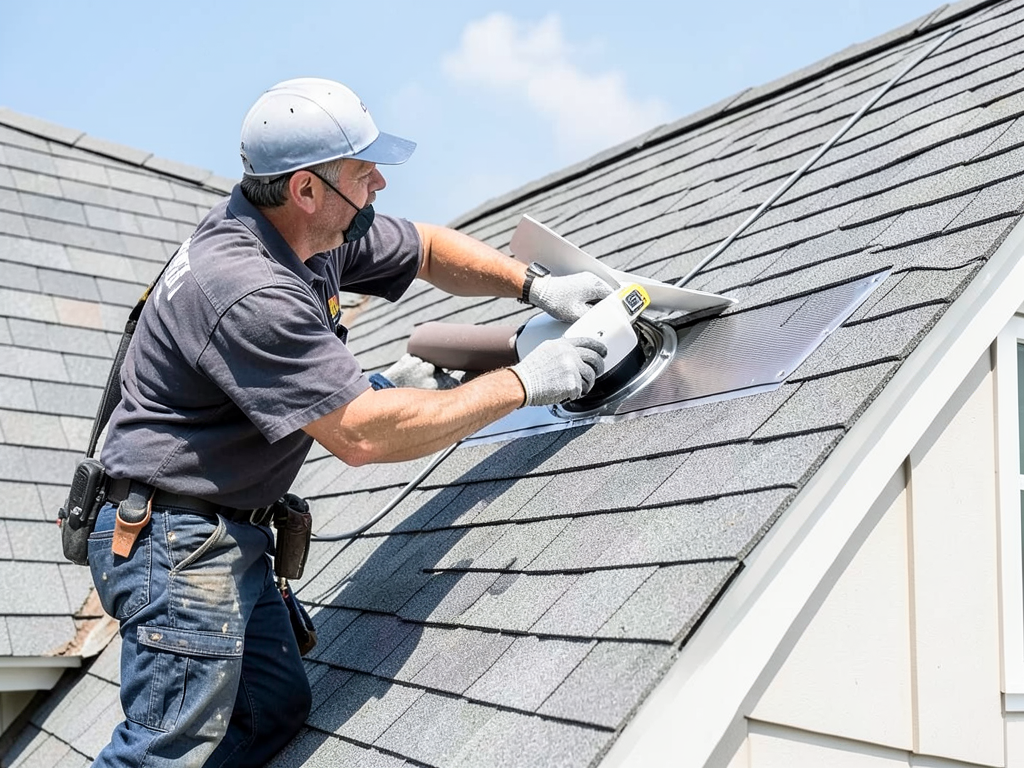
Flashing is where most slate roofs fail. We custom-fabricate copper or lead-coated copper flashing for valleys, chimneys, and sidewalls. Pre-formed aluminum flashing does not last long enough to match the lifespan of slate. Every penetration, every transition, and every edge gets custom metalwork designed to move with your home's seasonal expansion and contraction.

Elite Roofing Indianapolis does not subcontract slate work. Our crews are trained in traditional slate installation methods and modern synthetic slate systems. We know the difference, and your roof will reflect that.

What Happens During Your Slate Roof Installation

Slate & Synthetic Slate Roofing in Indianapolis – Authentic Elegance Built to Last 100+ Years
01

Structural Load Assessment

We measure your roof deck thickness, truss spacing, and ridge beam capacity to calculate the maximum load your structure can handle. If your home was built before 1950, it may already be framed for slate. If not, we provide a detailed report on what reinforcement is required. This prevents catastrophic failure and keeps your family safe.
02

Material Selection and Sourcing

We source natural slate roof tiles from quarries in Vermont, Pennsylvania, or Virginia, depending on your color preference and budget. For composite slate roofing, we use products rated for Class 4 impact resistance and 110 mph wind zones. You review samples in your driveway under natural light, not under fluorescent bulbs in a showroom. Colors change in sunlight.
03

Installation and Final Inspection

Our crew installs underlayment, custom flashing, and each slate tile using copper fasteners and traditional hanging techniques. We inspect every course for alignment, proper overlap, and secure attachment. After installation, we photograph your roof from multiple angles and provide a detailed care guide. You will know how to spot problems early and when to call for maintenance.

Why Elite Roofing Indianapolis Is Your Slate Specialist

Most roofing companies in Indianapolis will not touch slate. They lack the training, the tools, and the insurance capacity to handle high-value installations. Slate roofs cost more upfront, and one mistake can destroy thousands of dollars in materials. We specialize in what others avoid.

Indianapolis has hundreds of historic homes with original slate roofs that need repair or replacement. We work with the Indiana Historic Preservation Tax Credit program and understand the documentation required for historic district approvals. If you live in Meridian-Kessler, Butler-Tarkington, or the Old Northside, we know the approval process and can help you navigate it.

We also understand Indianapolis building codes. Marion County requires specific wind ratings and fire ratings for roofing materials. Natural slate is Class A fire-rated and exceeds wind requirements, but synthetic slate products vary. We only install products that meet or exceed local code, and we pull permits for every job. If a storm damages your roof and you need to file an insurance claim, having a permitted, code-compliant installation protects you.

Elite Roofing Indianapolis carries the insurance coverage required for high-value slate installations. Our general liability policy covers damage to your home, your landscaping, and your vehicles during installation. Our workers' compensation policy protects you from liability if someone gets hurt on your property. Most small roofing companies do not carry adequate coverage for slate work. We do.

We also provide ongoing maintenance and repair services. Slate roofs last a century, but flashing and fasteners do not. We inspect your roof every five years, replace damaged tiles, and re-seal flashing to prevent leaks. You get a roof that outlasts your mortgage.

What to Expect When You Choose Slate Roofing

Installation Timeline and Scheduling

Slate installations take longer than asphalt. A typical 2,500-square-foot home requires 7 to 10 days for natural slate roof tiles and 4 to 6 days for composite slate roofing. Weather delays are common in Indiana, especially during spring and fall when rain interrupts work. We schedule installations during stable weather windows and protect your home with tarps if rain moves in. You will receive a detailed timeline before we start, and we update you daily on progress.

Detailed Inspection and Consultation

We start with a free roof inspection that includes attic access, truss measurement, and deck evaluation. You receive a written report that explains whether your home can support natural slate or if you need composite slate roofing. We also provide color samples, cost breakdowns, and a side-by-side comparison of authentic slate roofing versus faux slate shingles. You make the decision with full information, not a sales pitch.

Long-Term Performance and Appearance

Natural slate roof tiles develop a patina over time. Gray slate darkens, and mineral deposits may appear on the surface. This is normal and does not affect performance. Composite slate roofing and imitation slate tiles maintain consistent color because they use UV-stable pigments. Both options resist algae growth, which is critical in Indianapolis's humid summers. Your roof will look clean and sharp for decades without pressure washing or chemical treatments.

Maintenance and Long-Term Care

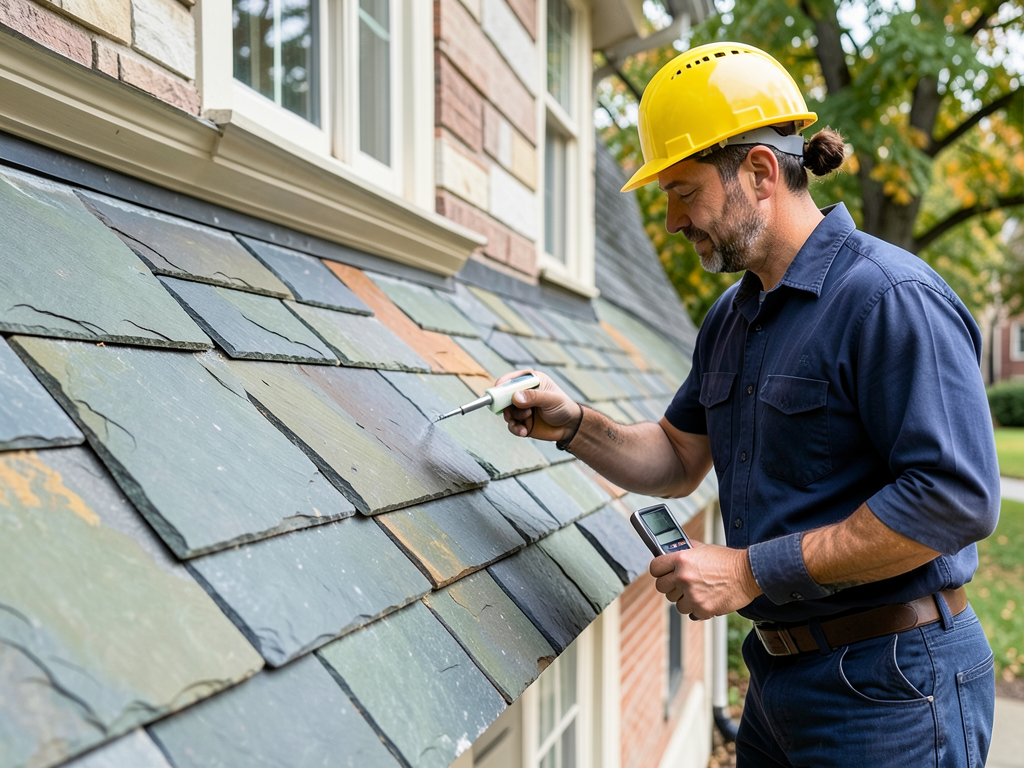
Slate roofs require minimal maintenance, but they do require inspection. We recommend a professional inspection every five years to check flashing, replace broken tiles, and clear debris from valleys. Storm damage happens, and one cracked tile can lead to a major leak if ignored. We offer maintenance plans that include biannual inspections, priority scheduling for repairs, and discounted labor rates. Your roof is a long-term investment, and we protect it.

Frequently Asked Questions

You Have Questions,
We Have Answers

Is slate roofing better than synthetic slate? +

Natural slate offers unmatched durability and authentic aesthetics, lasting 75 to 100 years or more. It resists fire, wind, and hail exceptionally well. However, it weighs significantly more, requiring structural reinforcement and costing more upfront. Synthetic slate provides a lightweight alternative that mimics the look of natural slate at a fraction of the weight and cost. It lasts 40 to 60 years and installs faster. For Indianapolis homeowners, synthetic slate handles freeze-thaw cycles effectively without the structural demands of natural slate. Your choice depends on budget, existing structure, and long-term goals.

How long does synthetic slate last? +

Quality synthetic slate roofs last 40 to 60 years with proper installation and maintenance. High-grade polymer or composite products resist UV degradation, impact from hail, and Indianapolis weather extremes like freeze-thaw cycles. Cheaper products may fade or crack within 20 to 30 years. Longevity depends on material grade, installation quality, and ventilation. Inspect fasteners and underlayment regularly. Well-maintained synthetic slate withstands Midwest humidity and temperature swings better than asphalt shingles. Expect decades of protection if you choose a reputable manufacturer and experienced installer familiar with local climate conditions.

How much does a synthetic slate roof cost? +

Synthetic slate roofing costs depend on material grade, roof complexity, and labor rates. Prices vary based on manufacturer, tile thickness, and warranty length. A typical installation on a moderately complex roof runs significantly more than asphalt but less than natural slate. Indianapolis labor rates and permit costs affect the final number. Factor in tear-off, underlayment, flashing, and potential structural reinforcement. Higher-quality synthetic slate costs more upfront but delivers better UV resistance and longer lifespan. Request detailed quotes from local contractors experienced with synthetic slate to compare value and avoid surprises.

Are artificial slates any good? +

High-quality artificial slates perform exceptionally well in Midwest climates like Indianapolis. They resist impact from hail, endure freeze-thaw cycles, and provide superior wind resistance compared to asphalt shingles. Modern composites and polymers mimic natural slate's appearance without the weight or brittleness. They do not crack from thermal expansion as easily as lower-grade products. Look for Class 4 impact ratings and 50-year warranties. Avoid bargain-bin options that fade quickly or become brittle. Artificial slate delivers excellent value when you choose proven manufacturers and experienced installers who understand local building codes.

What are the downsides of slate roofing? +

Natural slate weighs 800 to 1,500 pounds per square, requiring structural reinforcement that adds cost and complexity. It costs significantly more upfront than synthetic alternatives or asphalt shingles. Slate is brittle and cracks under impact or foot traffic, making repairs tricky. Indianapolis freeze-thaw cycles can exploit existing fractures. Finding skilled slate installers is challenging, and labor costs run high. Replacement tiles must match the original color and thickness, which becomes difficult decades later. Despite its longevity, slate demands careful handling, specialized knowledge, and a robust structure.

What happens if slate gets wet? +

Slate absorbs minimal water due to its dense composition, making it naturally waterproof. Quality slate and synthetic slate shed water effectively when properly installed with correct flashing and underlayment. Problems arise if underlayment fails, fasteners corrode, or flashing deteriorates. Water infiltration happens through gaps, not through the slate itself. In Indianapolis, ice dams from freeze-thaw cycles can force water under tiles if ventilation and insulation are inadequate. Inspect valleys, chimneys, and penetrations regularly. Wet slate is slippery and dangerous to walk on, so leave inspections to professionals.

Why doesn't the US use slate roofs? +

The US uses slate roofs less frequently due to high material and labor costs, limited availability of skilled installers, and the weight requiring structural upgrades. Asphalt shingles dominate because they install quickly and cost significantly less upfront. Most residential structures are not engineered for slate's weight. Synthetic slate offers a compromise, delivering the aesthetic without structural demands. In Indianapolis, homeowners prioritize cost-effectiveness and faster project timelines. Historical districts and upscale neighborhoods still feature natural slate, but widespread adoption remains impractical for budget-conscious builders and homeowners.

Does slate crack with heat? +

Natural slate expands and contracts with temperature changes, but cracking from heat alone is rare. Problems occur when poor installation restricts movement or when existing micro-fractures worsen during thermal cycling. Indianapolis experiences temperature swings from below zero in winter to 90-plus in summer, stressing any roofing material. Synthetic slate handles thermal expansion better due to engineered flexibility. Cracking typically results from impact damage, foot traffic, or improper fastening rather than heat exposure. Proper installation with appropriate spacing and quality underlayment minimizes thermal stress on both natural and synthetic slate.

Should you power wash a slate roof? +

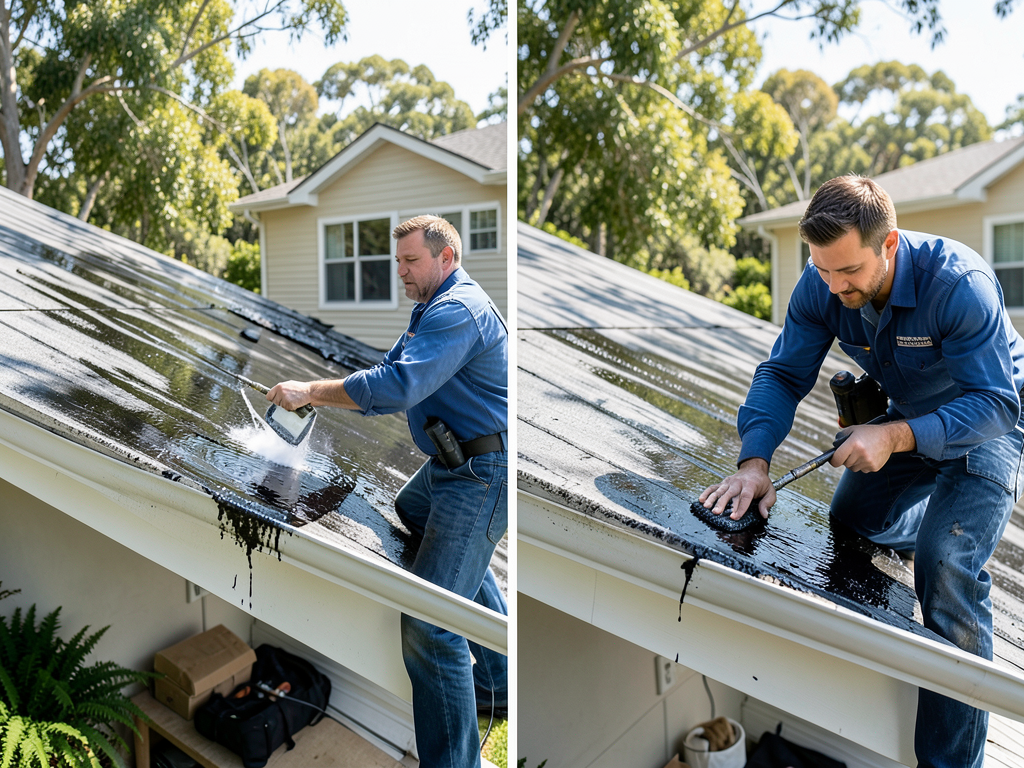
Never power wash a slate roof. High-pressure water dislodges tiles, damages flashing, and forces water under the roofing system. Slate and synthetic slate clean effectively with low-pressure rinsing and gentle brushing. Indianapolis humidity encourages algae and moss growth, but power washing causes more harm than good. Use zinc or copper strips at the ridge to inhibit organic growth naturally. For stubborn stains, hire professionals experienced with slate who use appropriate cleaning solutions and techniques. Walking on slate requires caution to avoid cracking tiles. Protect your investment with gentle maintenance.

How much does it cost to replace a roof on a 4000 square foot house? +

Replacing a roof on a 4,000 square foot house depends on material choice, complexity, and local labor rates. Asphalt shingles cost less than architectural shingles, which cost less than synthetic slate or metal. Factor in tear-off, underlayment, ventilation upgrades, flashing, and disposal fees. Indianapolis contractors charge competitive rates, but prices fluctuate with demand and season. A complex roofline with multiple valleys, dormers, or steep pitch increases labor costs. Obtain detailed quotes from licensed contractors experienced with your chosen material. Compare warranties, material grades, and installation timelines before committing.

How Indianapolis Freeze-Thaw Cycles Make Slate the Smartest Investment

Indianapolis experiences an average of 50 freeze-thaw cycles per winter, where daytime temperatures rise above freezing and nighttime temperatures drop below 32 degrees. This cycle destroys asphalt shingles because water infiltrates the material, freezes, expands, and cracks the granules and backing. Slate does not absorb water. Natural slate roof tiles and composite slate roofing systems are impervious to freeze-thaw damage, which is why you still see 100-year-old slate roofs in historic Indianapolis neighborhoods like Irvington and Woodruff Place. If you want a roof that survives Indiana winters without constant repairs, slate is the only logical choice.

Indianapolis has strict building codes for roofing materials, especially in historic districts. The Indianapolis Historic Preservation Commission requires specific materials and installation methods for homes listed on the National Register. Elite Roofing Indianapolis works directly with the IHPC to ensure your slate roof meets preservation standards and qualifies for tax credits. We also understand Marion County's wind and fire ratings, which affect insurance premiums. Choosing a local contractor who knows the rules saves you time, money, and frustration.
Roofing Services in The Indianapolis Area

We invite you to view our service area and main office location on the map below. While we primarily work on-site at your residential or commercial property, our central Indianapolis location allows us to dispatch our expert teams quickly across the entire metro area and surrounding communities. We are committed to being your accessible, local roofing partner, ready to serve your needs efficiently and professionally wherever you are.

Address:
Elite Roofing Indianapolis, 4201 Millersville Rd, Indianapolis, IN, 46205

Additional Services We Offer

Our news updates

Latest Articles & News from The Blogs

Roof replacement costs for rental properties in the Near Eastside Replacing a roof on a rental property in Indianapolis’s Near…

Roof replacement costs for rental properties in the Near Eastside

Roof replacement costs for rental properties in the Near Eastside Replacing a roof on a rental property in Indianapolis’s Near…

How the brutal Indiana summer heat ages your shingles faster than you think

How the brutal Indiana summer heat ages your shingles faster than you think Indiana summers are no joke. When July…

Maintaining the unique charm and complex rooflines of a Forest Hills Tudor home

Maintaining the unique charm and complex rooflines of a Forest Hills Tudor home Your Forest Hills Tudor home stands out…

Contact Us

Call Elite Roofing Indianapolis at (317) 703-7557 to schedule your free roof inspection and structural assessment. We will evaluate your home, explain your options, and provide a detailed estimate with no pressure. Your roof deserves to last a lifetime.