


Greenwood sits in the heart of central Indiana's weather battleground. Your roof endures temperature swings from below zero in January to over 90 degrees in July. This constant expansion and contraction stresses every shingle, nail, and seal. Winter brings freeze-thaw cycles that force water into cracks, then expand to create bigger damage. Spring storms roll through Johnson County with high winds and heavy rain that test every vulnerable spot on your roof.
The clay-rich soil throughout Greenwood shifts with moisture changes, settling foundations and stressing roof structures. Homes near County Line Road and along US 31 face additional wind exposure from open farmland to the south. Neighborhoods around Craig Park and Old Town see mature trees that drop branches during ice storms. The flat terrain offers no windbreak when severe weather approaches from the west.
Local building codes require proper attic ventilation to prevent ice dams, but many older homes in Greenwood lack adequate ridge vents. Without proper airflow, heat escapes through your roof deck, melting snow that refreezes at the eaves. This creates ice barriers that force water under shingles and into your home. Understanding these regional challenges separates contractors who just nail down shingles from roofing specialists who engineer weather-resistant systems.
Elite Roofing Indianapolis built our reputation responding to central Indiana emergencies. When storms rip through Greenwood, we dispatch crews within hours, not days. We understand that a compromised roof means water damage spreading through your ceiling and walls with every minute that passes. Our rapid response stops that damage before it costs you thousands in interior repairs.
We started serving Johnson County because too many homeowners told us about roofing contractors who disappeared after collecting deposits or did substandard work that failed within years. Those experiences drive how we operate. Every project gets a dedicated crew leader who stays on site from first shingle removal to final cleanup. No subcontractors. No rotating teams who don't know your specific roof challenges.
Our approach combines emergency availability with long-term engineering. When we patch a storm-damaged section, we inspect your entire roof system for vulnerable areas that will fail next. When we replace a roof, we address attic ventilation, flashing details, and structural concerns that generic contractors ignore. This prevents callback visits and repeat failures.
Greenwood homeowners value transparency. We provide written estimates that break down material costs and labor separately. We explain exactly which shingles match your climate needs and budget. We document every phase with photos so you see the decking condition, any structural issues, and the quality of our installation. Insurance claims get the same detailed documentation to support your settlement.
We stock vehicles with emergency tarps and materials to seal damage immediately. When you call about a leak, we secure your roof that day, then schedule proper repairs. This two-step process stops water intrusion while giving us time to source exact materials and plan the correct fix.

Storm damage doesn't wait for business hours. We dispatch emergency crews seven days a week to tarp and secure damaged roofs throughout Greenwood. Our trucks carry materials to stop leaks immediately, preventing water damage from spreading into your home while we schedule permanent repairs.

We document storm damage with detailed photos and measurements that insurance adjusters require. Our estimates match the format carriers expect, speeding your claim approval. We work directly with adjusters to ensure you receive fair settlements that cover complete repairs, not just surface patches.
Roofing means more than shingles. We evaluate attic ventilation, decking condition, flashing integrity, and structural support. Every replacement includes proper ridge vents and soffit intake to prevent moisture buildup. This comprehensive method stops problems before they start, extending your roof life by years.
We know how Johnson County weather patterns stress roofs differently across neighborhoods. Homes near open fields need reinforced flashing. Older sections require deck inspection for water damage. Our crews understand local building codes and inspection requirements, ensuring every project passes without delays or corrections.
Elite Roofing Indianapolis handles every roofing need from emergency storm repairs to complete tear-offs and new construction. Your roof protects everything inside your home. When it fails, you need contractors who can diagnose the problem accurately and fix it permanently.
We organize our services around how roofing problems actually develop. Some issues need immediate attention to prevent damage from spreading. Others represent planned upgrades or preventive maintenance. Still others involve insurance claims and storm damage documentation. Understanding which category your situation falls into determines the right response and timeline.
Our roof damage repair specialists assess every leak or visible problem to find the underlying cause. A missing shingle might seem simple, but it often signals flashing failure or inadequate fastening throughout a section. We locate the root problem, not just the symptom. For planned replacements, we provide multiple shingle options matched to your home style and budget. Each material choice comes with clear explanations of lifespan, warranty coverage, and weather resistance specific to central Indiana conditions.
Emergency services get priority scheduling because water intrusion damages more than roofs. It destroys insulation, ruins drywall, promotes mold growth, and damages electrical systems. Fast response saves you money by containing damage to the smallest possible area. Our systematic approach ensures every roofing challenge gets the right solution.
Indiana storms hit fast and hard. Wind tears off shingles and flashing. Hail creates impact damage that compromises shingle integrity. Tree branches punch through decking. We respond immediately to secure your roof with emergency tarps, then assess the full extent of damage. Our documentation supports insurance claims while we source materials for permanent repairs. Every storm repair includes inspection of surrounding areas to catch hidden damage before it causes leaks.
When your roof reaches the end of its service life, partial repairs waste money. Complete replacement gives you decades of protection with modern materials engineered for Indiana weather. We remove old shingles down to the deck, inspect and replace damaged boards, install proper underlayment and ice barrier, then apply new shingles with correct fastening patterns. Every replacement includes ridge vent installation and soffit intake verification to prevent moisture problems.
Water stains on your ceiling rarely appear directly below the leak source. Water travels along rafters and through insulation before dripping into visible areas. Our roof leak repair specialists trace stains back to entry points, often finding failed flashing around chimneys, skylights, or plumbing vents. We identify every compromised area, then execute repairs that address causes, not just symptoms. Proper leak repair prevents recurring problems and additional damage.
Greenwood's location in central Indiana creates specific roofing challenges that affect every neighborhood. The combination of temperature extremes, high humidity, and severe weather events stresses roofing systems in ways that require local expertise to address properly.
Temperature swings cause constant expansion and contraction in roofing materials. Shingles rated for 25 years in moderate climates often fail in 15 years here. Fasteners work loose. Sealant strips separate. Flashing develops gaps. These aren't installation defects but normal wear accelerated by our climate. Homes built before modern ventilation standards face additional problems from trapped attic heat that degrades shingles from below.
Storm frequency matters as much as storm intensity. A roof that survives one severe hailstorm might fail after the third or fourth impact in the same areas. Wind damage often starts small with lifted shingle edges, then progresses to complete blow-offs during subsequent storms. Understanding these progressive failure patterns helps identify problems before they create emergency situations. Regular inspection catches early-stage damage when repairs cost hundreds instead of thousands.
Inadequate attic insulation and ventilation let heat escape through your roof deck. This melts snow that refreezes at cold eaves, creating ice barriers. Water backs up under shingles and leaks into walls and ceilings. Proper ventilation and ice barrier installation during replacement prevents this costly cycle.
Shingles lose granules, curl at edges, and develop cracks years before expected lifespan. Poor attic ventilation traps heat that cooks shingles from below. Low-quality materials fail faster in temperature extremes. We identify the cause, whether ventilation problems or material defects, then implement solutions that extend roof life.
Chimneys, plumbing vents, skylights, and roof valleys need metal flashing to shed water. Improper installation or degraded sealant lets water flow under shingles at these critical junctions. Most leaks originate at flashing, not shingles. We rebuild flashing details with proper materials and techniques that prevent water entry.
Each hailstorm creates small impacts that weaken shingle integrity. Wind lifts edges and breaks sealant bonds. Over multiple weather events, these minor damages accumulate into system failure. Insurance covers sudden damage, but you need documentation from each event. We assess cumulative impact and provide evidence for legitimate claims.
Elite Roofing Indianapolis operates with complete transparency from first contact through final inspection. You deserve to understand exactly what work your roof needs, why it needs it, and how we'll execute repairs or replacement. Too many homeowners have been burned by contractors who provide vague estimates, then add charges for "unexpected" problems that any competent roofer should have identified during inspection.
Our process eliminates surprises. When you call about a roofing concern, we schedule inspection within 24 hours for active leaks or at your convenience for planned work. The inspector who examines your roof provides a written assessment with photos showing exactly what they found. Estimates break down material costs, labor, disposal fees, and any structural repairs separately. You see every dollar accounted for before work begins.
Communication continues throughout your project. Your crew leader checks in before starting each day and reviews completed work before leaving. We protect landscaping with tarps and complete daily cleanup so your property stays accessible. For multi-day projects, we secure vulnerable areas every evening to prevent weather damage overnight. This professional approach means fewer headaches and better results.
Every project starts with comprehensive roof inspection. We photograph damaged areas, measure affected sections, and check attic spaces for ventilation and moisture issues. You receive copies of all documentation including detailed notes explaining what we found and why it matters. For insurance claims, this documentation format matches what adjusters expect, preventing disputes over coverage. We identify all problems during initial inspection so estimates reflect complete project scope.
We provide realistic schedules based on project size and weather forecasts. Your crew leader confirms arrival times the day before work begins. Throughout installation or repair, we update you on progress and any discoveries that require decisions. If we uncover rotted decking or structural concerns, we stop work, document the issue with photos, explain your options, and get your approval before proceeding. No surprise charges appear on final invoices.
After installation completion, we conduct final inspection to verify every detail meets our standards and building codes. We walk you through the completed work, answer questions, and provide warranty documentation for materials and labor. Our workmanship warranty covers installation defects. Manufacturer warranties cover material failures. We explain exactly what each warranty covers and how to file claims if issues develop. You receive care instructions to maximize your new roof's lifespan.
We designed our process to eliminate confusion and deliver results fast. From your first call to final cleanup, every step follows a proven sequence that protects your home and your investment.
Contact us at (317) 703-7557 to schedule inspection. For emergency situations, we dispatch crews immediately to secure damage and prevent further water intrusion. Planned projects get scheduled within 48 hours. Our inspector examines your entire roof system, documents all issues with photos, checks attic ventilation, and identifies any structural concerns. You receive a written report explaining findings and a detailed estimate breaking down all costs.
Once you approve the estimate, we schedule work based on weather forecasts and material availability. Our crews arrive on time, protect your property with tarps and barriers, then execute repairs or replacement following manufacturer specifications and building codes. For full replacements, we complete most homes in one to two days depending on size and complexity. Your crew leader maintains site cleanliness and updates you on progress throughout each day.
After installation, we conduct detailed quality inspection to verify every aspect meets our standards. Magnetic sweeps remove any nails from your property. We haul away all debris and old materials. You get a final walkthrough explaining the completed work, care instructions, and warranty documentation. We don't consider the job done until you're satisfied with results and your property is cleaner than when we arrived.
Professional roofing in central Indiana requires understanding how materials and installation techniques perform in extreme weather cycles. The Indiana Building Code adopts the International Residential Code with amendments specific to our climate zone. These requirements address wind resistance, ice barrier placement, and ventilation standards that directly impact roof longevity.
Shingle selection matters more than most homeowners realize. Asphalt shingles carry wind ratings from 60 to 130 mph. Greenwood sits in a wind zone requiring minimum Class D (90 mph) resistance, but we recommend Class H (150 mph) products for exposed locations. Impact resistance ratings range from Class 1 to Class 4, with Class 4 providing best protection against hail damage. Many insurance companies offer premium discounts for impact-resistant shingles because they reduce claim frequency.
Proper installation involves more than nailing down shingles. Code requires ice barrier installation along eaves in central Indiana to prevent ice dam damage. This waterproof membrane extends minimum 24 inches inside the exterior wall line. Valleys need either woven shingle construction or metal flashing depending on roof pitch. Fastener placement follows specific patterns with minimum four nails per standard shingle, six for high-wind applications.
Ventilation requirements specify minimum one square foot of net free ventilation area per 150 square feet of attic space, balanced between intake at soffits and exhaust at ridge or gable vents. Inadequate ventilation voids most shingle warranties because trapped heat degrades materials prematurely. We calculate ventilation requirements during every roof replacement to ensure proper airflow.
Decking inspection reveals problems hidden under old shingles. Water damage, structural movement, and improper spacing create weak points that fail under new shingle weight. Code requires minimum 7/16 inch OSB or 3/8 inch plywood decking. We replace any compromised boards and verify proper fastening to rafters before applying underlayment. This attention to substrate condition prevents callbacks for sagging or fastener pop-through.
Shingles tested to ASTM D3161 carry wind resistance classifications from A to H. Class H withstands 150 mph winds without blow-off. Impact resistance follows ASTM D3462 with Class 4 providing maximum hail protection. We stock both standard and high-performance products, explaining cost differences and insurance implications so you make informed material choices for your specific exposure.
Roof replacement costs depend on square footage, pitch steepness, number of penetrations, and material selection. A simple gable roof costs less per square than complex hip designs with multiple valleys. Removing multiple shingle layers adds disposal fees. Required decking repairs increase material and labor expenses. We provide itemized estimates showing exactly where your money goes.
Most residential reroof projects complete in one to three days depending on size and complexity. Weather delays extend schedules, particularly in spring when afternoon storms interrupt work. Steep pitch roofs require additional safety equipment and slower installation. We provide realistic timelines accounting for your specific roof characteristics and current weather patterns to set proper expectations.
Shingle manufacturers provide material warranties from 25 years to lifetime depending on product line. These cover manufacturing defects, not damage from storms or improper installation. Our workmanship warranty covers installation errors separate from material coverage. Understanding both protections helps you maintain coverage through proper maintenance and timely repairs when problems develop.
Elite Roofing Indianapolis explains common roofing problems affecting Greenwood homes and professional solutions for storm damage, leaks, and aging roof systems. This video covers emergency repair response, complete replacement processes, material selection for Indiana climate, and ventilation requirements. Homeowners learn to identify damage early, understand insurance documentation needs, and select proper roofing contractors. Topics include wind and hail damage assessment, ice dam prevention, flashing repair, and installation standards for central Indiana weather conditions.
Elite Roofing Indianapolis proudly serves every neighborhood throughout Greenwood and the greater Johnson County area. Our crews know central Indiana geography and understand how location affects roofing challenges. Homes in different parts of Greenwood face distinct exposure patterns that influence material selection and maintenance needs.
The historic Old Town district features mature trees and established homes built before modern ventilation standards. These properties often need attic upgrades during roof replacement to prevent moisture problems. We've worked extensively throughout this area, addressing unique challenges of older construction while preserving neighborhood character. Properties along Madison Avenue and Main Street require careful material matching when partial repairs blend with existing roofs.
Neighborhoods around Craig Park and near the Greenwood Park Mall see heavy storm exposure from western weather patterns sweeping across open farmland. Wind events hit these areas first, creating higher damage frequency. We recommend impact-resistant shingles and reinforced flashing for homes in this corridor. The newer construction along Worthsville Road and near Interstate 65 generally features better initial roof systems, but rapid development sometimes means rushed installations that fail prematurely.
Areas east toward Franklin and Whiteland share similar clay soil conditions that stress foundation and roof structure connections. Settlement creates stress points where roofs meet walls, particularly around chimneys and where additions connect to original structures. We inspect these junctions carefully during assessment because they're common leak sources. Properties near County Line Road face exposure from both Johnson and Marion County weather patterns, sometimes experiencing different storm intensity than central Greenwood just miles away.
The White River corridor to the west creates localized humidity that affects shingle lifespan and promotes algae growth. Homes in these areas benefit from algae-resistant shingle products and proper ventilation to manage moisture. We've completed hundreds of projects throughout the greater Greenwood metro area from Bargersville to the south up through the north side neighborhoods bordering Indianapolis. This extensive local experience means we recognize your specific area's challenges before climbing on your roof.
Our service territory extends throughout Johnson County including Franklin, Whiteland, New Whiteland, and surrounding communities. We maintain quick response times across this region because our crews live and work here. When you call about a roofing emergency, we're not dispatching from another county. We're already in your area serving neighbors who face identical weather and roofing challenges.
Roofing a 20x20 garage (400 square feet) in Greenwood depends on material choice, pitch, and whether you need tear-off or overlay. Asphalt shingles are the most common and budget-friendly option. Your final price varies based on decking condition, flashing needs, and local permit requirements. Greenwood's freeze-thaw cycles mean quality underlayment is essential to prevent ice dam damage. Steeper pitches add labor time. Most detached garage roofs also need ventilation work and edge metal replacement. Get three written estimates from local contractors familiar with Johnson County building codes to compare material grade and labor warranties before committing.
A 500 square foot asphalt shingle roof in Greenwood is a small project, often a shed, addition, or porch. Pricing depends on roof pitch, accessibility, and whether you need full tear-off. Small roofs sometimes cost more per square foot due to minimum labor charges and dump fees. Greenwood's clay soil shifts foundations, so check decking for rot or sagging before re-roofing. You will pay for underlayment, drip edge, and valley flashing regardless of size. Expect higher rates if your roof is steep or requires scaffolding. Always verify your contractor pulls the required Johnson County permit.
Red flags include refusing to provide a written estimate, demanding large upfront deposits, lacking local references, or pressuring you to decide immediately. A roofer who skips the roof inspection or gives a quote over the phone is guessing. Ask for proof of liability insurance and workers' compensation coverage specific to Indiana. Verify they pull permits in Johnson County. Be wary of vague material descriptions like "premium shingles" without brand names or warranties. Check online reviews and ask for recent Greenwood project addresses you can drive by. Trust your gut if something feels off during the estimate.
Roofing a 20x20 garage (400 square feet) in Greenwood depends on material choice, pitch, and whether you need tear-off or overlay. Asphalt shingles are the most common and budget-friendly option. Your final price varies based on decking condition, flashing needs, and local permit requirements. Greenwood's freeze-thaw cycles mean quality underlayment is essential to prevent ice dam damage. Steeper pitches add labor time. Most detached garage roofs also need ventilation work and edge metal replacement. Get three written estimates from local contractors familiar with Johnson County building codes to compare material grade and labor warranties before committing.
A 500 square foot asphalt shingle roof in Greenwood is a small project, often a shed, addition, or porch. Pricing depends on roof pitch, accessibility, and whether you need full tear-off. Small roofs sometimes cost more per square foot due to minimum labor charges and dump fees. Greenwood's clay soil shifts foundations, so check decking for rot or sagging before re-roofing. You will pay for underlayment, drip edge, and valley flashing regardless of size. Expect higher rates if your roof is steep or requires scaffolding. Always verify your contractor pulls the required Johnson County permit.
Red flags include refusing to provide a written estimate, demanding large upfront deposits, lacking local references, or pressuring you to decide immediately. A roofer who skips the roof inspection or gives a quote over the phone is guessing. Ask for proof of liability insurance and workers' compensation coverage specific to Indiana. Verify they pull permits in Johnson County. Be wary of vague material descriptions like "premium shingles" without brand names or warranties. Check online reviews and ask for recent Greenwood project addresses you can drive by. Trust your gut if something feels off during the estimate.
A 2000 square foot house in Greenwood typically needs 20-22 squares of shingles, accounting for roof pitch and waste. Costs vary widely based on shingle quality (three-tab versus architectural), layers needing removal, and roof complexity. Greenwood homes built in the 1980s-1990s often have multiple valleys and hips, adding labor time. You will also pay for underlayment, ice and water shield, ridge vents, and flashing replacement. Steeper pitches common in traditional Indiana architecture increase labor costs. Decking repairs from storm damage or water intrusion add to the total. Get itemized estimates from three local contractors.
This question is outside roofing scope, but concrete slab work in Greenwood depends on site prep, gravel base depth, reinforcement needs, and finishing. Greenwood's clay soil requires proper compaction and moisture barriers to prevent cracking. You will pay for excavation, grading, formwork, rebar or wire mesh, and concrete delivery. Thicker slabs for vehicle weight cost more than standard four-inch pours. Always hire a licensed concrete contractor familiar with Johnson County frost depth requirements. For roofing needs, focus on contractors who specialize in roof systems, not flatwork. The two trades require different expertise and equipment.
A standard two-car garage measures roughly 400-500 square feet. Re-roofing costs depend on material choice, pitch, and tear-off needs. Greenwood garages often have simple gable roofs, keeping labor costs reasonable. You will pay for shingle removal, disposal fees, underlayment, new shingles, ridge cap, and edge metal. Check for decking damage from raccoons or squirrels, common in wooded Greenwood neighborhoods. Detached garages sometimes lack proper attic ventilation, causing premature shingle failure. Ensure your contractor installs ridge vents or gable vents to meet current code. Get written estimates that itemize materials and labor separately.
Late fall and winter (November through February) are typically the slowest months for roofing in Greenwood. Contractors offer better rates when demand drops. However, Indiana winters bring unpredictable weather, and shingle installation requires temperatures above 40 degrees for proper sealing. Ice and snow delays are common. Early fall (September-October) offers a good balance of moderate weather and competitive pricing before storm season. Avoid scheduling during spring and summer when hail damage claims spike demand and prices rise. Book your project early if you want off-season savings, and stay flexible with scheduling around weather windows.
Labor typically represents the largest cost, especially for complex roof designs with multiple valleys, dormers, or steep pitches common in older Greenwood neighborhoods. Tear-off and disposal of old materials add significant expense. Material costs follow, with premium architectural shingles and underlayment systems increasing the total. Decking replacement surprises many homeowners when rot or water damage is discovered during tear-off. Greenwood's freeze-thaw cycles and occasional severe storms cause hidden structural issues. Proper flashing around chimneys, skylights, and wall intersections requires skilled labor and quality materials. Cutting corners on these details leads to callbacks and leaks within months.
Asphalt three-tab shingles are the most budget-friendly option in Greenwood, though architectural shingles offer better wind resistance and longevity for a modest increase. Metal roofing costs more upfront but lasts 40-plus years and sheds snow efficiently during Indiana winters. Avoid the cheapest shingle grades, which fail prematurely in Greenwood's climate. Flat roofs using rolled roofing or TPO membrane work for garages and additions at lower costs than pitched systems. Roof pitch affects installation labor, so simpler gable designs cost less than complex hip roofs. Long-term value matters more than initial price when facing freeze-thaw cycles and storm exposure.
Never tell a contractor you have insurance money before getting estimates, as some inflate prices when they know a claim is involved. Avoid saying you are in a rush or pressuring for same-day starts, which attracts storm chasers. Do not ask them to waive your deductible, which is insurance fraud. Never say you will pay cash for a discount without a written contract and receipt. Avoid admitting you have not checked references or licensing. Do not tell them you know nothing about roofing, inviting upselling. Never agree to final payment before job completion and inspection. Keep communication professional and document everything in writing.
A 2000 square foot house in Greenwood typically needs 20-22 squares of shingles, accounting for roof pitch and waste. Costs vary widely based on shingle quality (three-tab versus architectural), layers needing removal, and roof complexity. Greenwood homes built in the 1980s-1990s often have multiple valleys and hips, adding labor time. You will also pay for underlayment, ice and water shield, ridge vents, and flashing replacement. Steeper pitches common in traditional Indiana architecture increase labor costs. Decking repairs from storm damage or water intrusion add to the total. Get itemized estimates from three local contractors.
This question is outside roofing scope, but concrete slab work in Greenwood depends on site prep, gravel base depth, reinforcement needs, and finishing. Greenwood's clay soil requires proper compaction and moisture barriers to prevent cracking. You will pay for excavation, grading, formwork, rebar or wire mesh, and concrete delivery. Thicker slabs for vehicle weight cost more than standard four-inch pours. Always hire a licensed concrete contractor familiar with Johnson County frost depth requirements. For roofing needs, focus on contractors who specialize in roof systems, not flatwork. The two trades require different expertise and equipment.
A standard two-car garage measures roughly 400-500 square feet. Re-roofing costs depend on material choice, pitch, and tear-off needs. Greenwood garages often have simple gable roofs, keeping labor costs reasonable. You will pay for shingle removal, disposal fees, underlayment, new shingles, ridge cap, and edge metal. Check for decking damage from raccoons or squirrels, common in wooded Greenwood neighborhoods. Detached garages sometimes lack proper attic ventilation, causing premature shingle failure. Ensure your contractor installs ridge vents or gable vents to meet current code. Get written estimates that itemize materials and labor separately.
Late fall and winter (November through February) are typically the slowest months for roofing in Greenwood. Contractors offer better rates when demand drops. However, Indiana winters bring unpredictable weather, and shingle installation requires temperatures above 40 degrees for proper sealing. Ice and snow delays are common. Early fall (September-October) offers a good balance of moderate weather and competitive pricing before storm season. Avoid scheduling during spring and summer when hail damage claims spike demand and prices rise. Book your project early if you want off-season savings, and stay flexible with scheduling around weather windows.
Labor typically represents the largest cost, especially for complex roof designs with multiple valleys, dormers, or steep pitches common in older Greenwood neighborhoods. Tear-off and disposal of old materials add significant expense. Material costs follow, with premium architectural shingles and underlayment systems increasing the total. Decking replacement surprises many homeowners when rot or water damage is discovered during tear-off. Greenwood's freeze-thaw cycles and occasional severe storms cause hidden structural issues. Proper flashing around chimneys, skylights, and wall intersections requires skilled labor and quality materials. Cutting corners on these details leads to callbacks and leaks within months.
Asphalt three-tab shingles are the most budget-friendly option in Greenwood, though architectural shingles offer better wind resistance and longevity for a modest increase. Metal roofing costs more upfront but lasts 40-plus years and sheds snow efficiently during Indiana winters. Avoid the cheapest shingle grades, which fail prematurely in Greenwood's climate. Flat roofs using rolled roofing or TPO membrane work for garages and additions at lower costs than pitched systems. Roof pitch affects installation labor, so simpler gable designs cost less than complex hip roofs. Long-term value matters more than initial price when facing freeze-thaw cycles and storm exposure.
Never tell a contractor you have insurance money before getting estimates, as some inflate prices when they know a claim is involved. Avoid saying you are in a rush or pressuring for same-day starts, which attracts storm chasers. Do not ask them to waive your deductible, which is insurance fraud. Never say you will pay cash for a discount without a written contract and receipt. Avoid admitting you have not checked references or licensing. Do not tell them you know nothing about roofing, inviting upselling. Never agree to final payment before job completion and inspection. Keep communication professional and document everything in writing.
We invite you to view our service area and main office location on the map below. While we primarily work on-site at your residential or commercial property, our central Indianapolis location allows us to dispatch our expert teams quickly across the entire metro area and surrounding communities. We are committed to being your accessible, local roofing partner, ready to serve your needs efficiently and professionally wherever you are.
Address:
Greenwood, IN, 46143

Understanding roofing warranties in Homecroft \n\n When you invest in a new roof in Homecroft, you’re not just buying shingles. You’re buying a promise of protection that comes in two parts: the manufacturer’s warranty on…
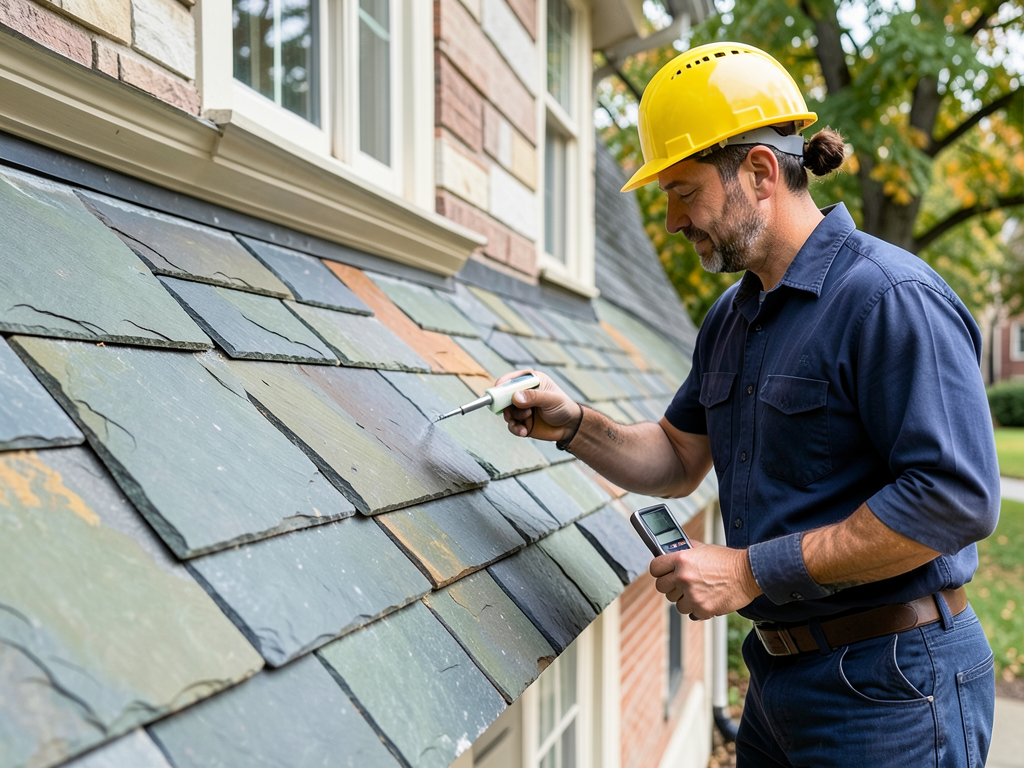
Why hiring an uninsured roofing crew could cost you your Fall Creek Place home Roofing…
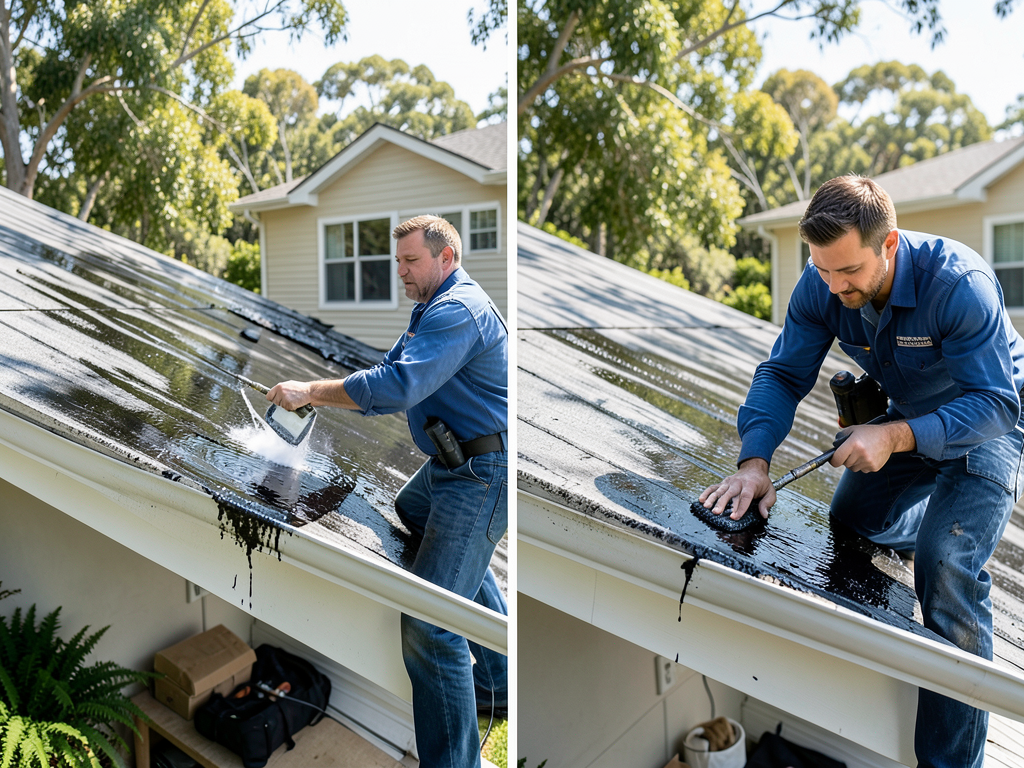
Identifying the green algae on your Wynnedale roof and how to safely remove it Green…
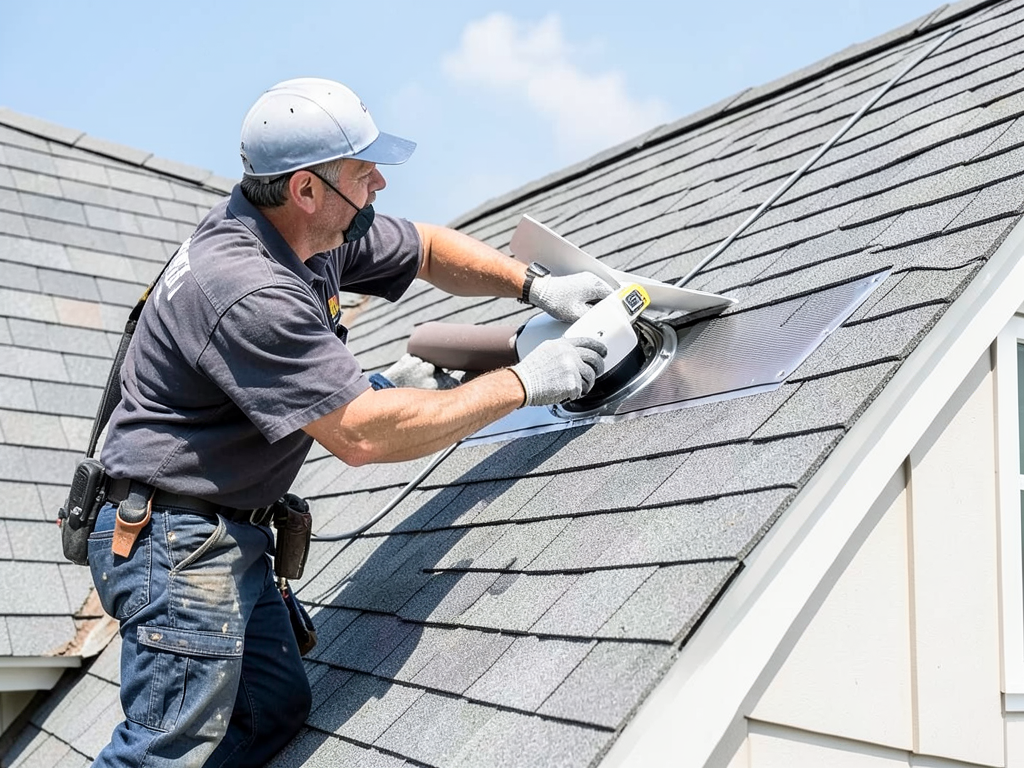
The pros and cons of installing an attic fan to save your Crooked Creek roof…
Don't let roof damage spread into bigger problems. Call Elite Roofing Indianapolis at (317) 703-7557 right now for emergency repairs or schedule inspection for planned replacement. We respond fast, work clean, and fix your roof right the first time.