
menu

Benefits of Cool Roofs in Indianapolis – Cut Energy Costs Up to 30% While Protecting Against Midwest Weather Extremes

Discover how reflective roofing systems lower cooling costs, extend roof lifespan, and combat Indianapolis's humid summers and freeze-thaw cycles with proven energy-saving technology.

Slider Image 1
Slider Image 2
Slider Image 3
Slider Image 4
Slider Image 5
Slider Image 7
Slider Image 8
Slider Image 9
Slider Image 10
Slider Image 11

Why Indianapolis Homeowners Are Switching to Cool Roofing Technology

Indianapolis summers deliver a brutal combination of high heat and oppressive humidity. When your traditional asphalt roof absorbs solar radiation, surface temperatures can exceed 160 degrees. That heat bleeds straight through your attic insulation and forces your air conditioning system to run constantly.

The city's location in USDA Hardiness Zone 6a creates another challenge. Our freeze-thaw cycles crack standard roofing materials. Water seeps into those cracks, freezes, expands, and accelerates deterioration. You end up replacing your roof years earlier than expected.

Cool roofing systems address both problems simultaneously. These reflective roofing materials bounce back up to 90% of solar radiation instead of absorbing it. Your roof surface stays 50 to 60 degrees cooler than conventional materials. That temperature reduction translates directly to lower attic temperatures and reduced strain on your HVAC system.

The advantages of cool roofing extend beyond immediate energy savings. Because the material experiences less thermal expansion and contraction, it resists the cracking that plagues traditional roofs in our climate. The cool roof pros include extended material lifespan, reduced urban heat island effect in densely populated neighborhoods like Broad Ripple and Fountain Square, and improved indoor comfort during those August heat waves.

Benefits of reflective roofing become apparent on your first utility bill after installation. Most Indianapolis homeowners see a 15 to 30% reduction in cooling costs. That savings compounds year after year. Cool roof energy savings pay for the installation premium within five to seven years in most cases.

The technology works equally well on residential and commercial applications. Whether you have a steep-slope home in Carmel or a low-slope commercial building downtown, cool roofing system advantages deliver measurable results.

Why Indianapolis Homeowners Are Switching to Cool Roofing Technology
How Reflective Roofing Materials Deliver Measurable Performance

How Reflective Roofing Materials Deliver Measurable Performance

Cool roofing technology relies on two measurable properties: solar reflectance and thermal emittance. Solar reflectance measures how much sunlight bounces off the surface rather than being absorbed. Thermal emittance measures how efficiently the material releases absorbed heat.

Standard dark asphalt shingles have a solar reflectance around 5 to 15%. Cool roofing materials range from 65 to 90% reflectance. That difference matters enormously in Indianapolis's climate.

The materials come in multiple formats. Single-ply membranes like TPO and PVC work well for low-slope commercial applications. Modified bitumen with reflective granules suits buildings that need durability. Metal roofing with specialized coatings delivers exceptional performance on both residential and commercial structures. Even asphalt shingles now come with cool roof technology built into the granule composition.

Elite Roofing Indianapolis evaluates your specific building characteristics before recommending a cool roofing system. We measure your current attic temperature, assess insulation levels, and calculate potential energy savings based on your roof geometry and orientation. A south-facing roof with minimal shade gets maximum benefit from reflective materials. A heavily shaded north-facing slope might not justify the premium.

We also consider your building's thermal envelope. Cool roofing delivers the best results when paired with proper attic ventilation. Ridge vents, soffit vents, and adequate insulation create a system that works together. Installing reflective roofing on a poorly ventilated attic wastes money and performance.

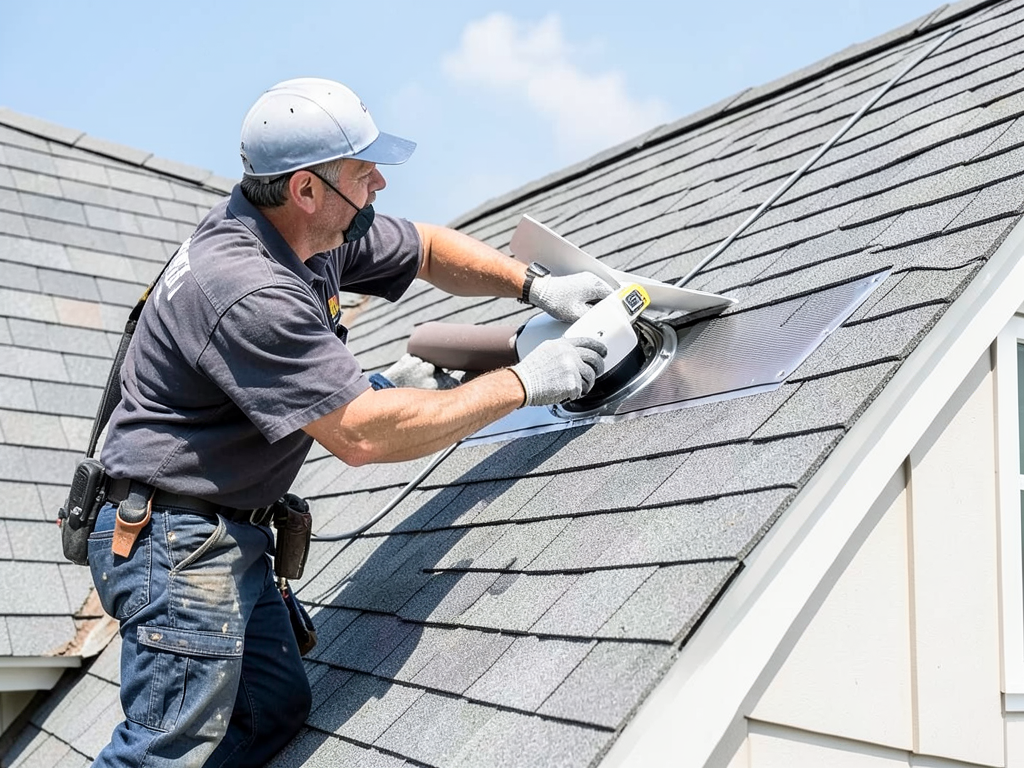
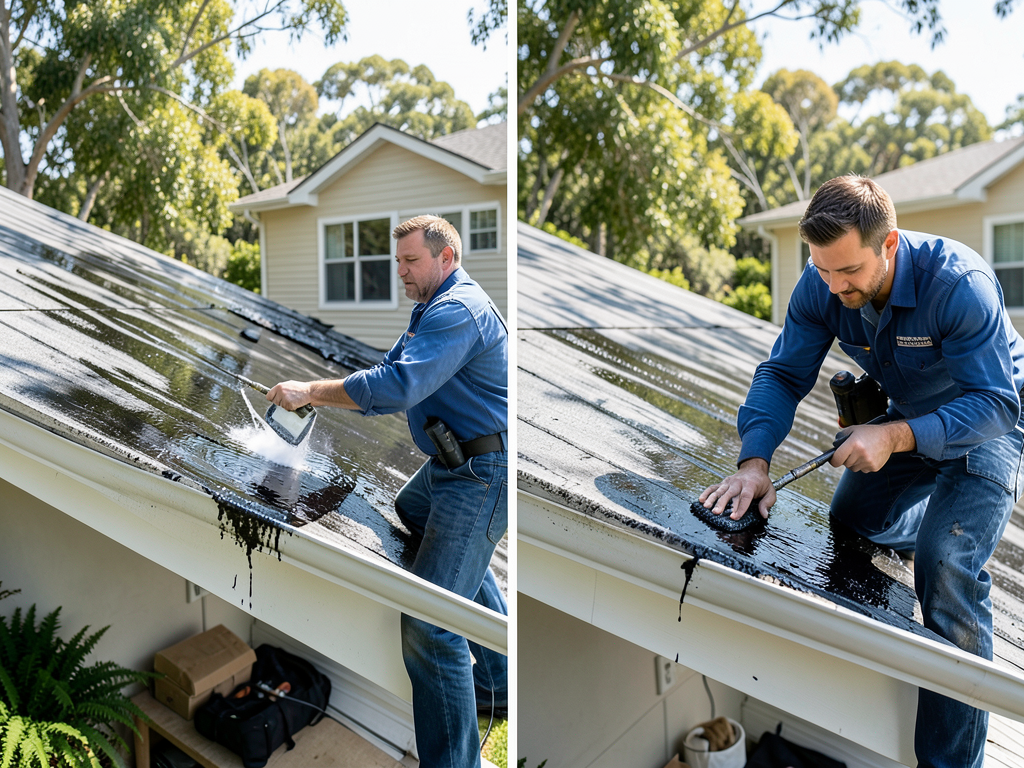
The installation process differs from standard roofing only in material handling. Cool roof coatings require specific application temperatures and humidity levels. We monitor weather conditions carefully and never compromise on manufacturer specifications. That attention to detail ensures you get the rated performance and material warranties.

What Happens During Your Cool Roof Evaluation and Installation

Benefits of Cool Roofs in Indianapolis – Cut Energy Costs Up to 30% While Protecting Against Midwest Weather Extremes
01

Thermal Performance Assessment

We start with an infrared assessment of your current roof surface and attic space. This identifies hot spots, insulation gaps, and areas where heat transfer causes the most energy loss. We measure your existing roof's solar reflectance index and calculate potential energy savings based on your cooling costs. This data-driven approach proves whether cool roofing makes financial sense for your specific building before you spend a dollar on installation.
02

Material Selection and Planning

Based on your roof slope, substrate condition, and budget, we recommend specific cool roofing materials. We provide samples so you can see actual color options and understand how reflective roofing maintains curb appeal. For neighborhoods with HOA restrictions, we source materials that meet architectural guidelines while delivering thermal performance. We also coordinate ventilation upgrades if your attic lacks proper airflow, ensuring the complete system works efficiently together.
03

Installation and Performance Verification

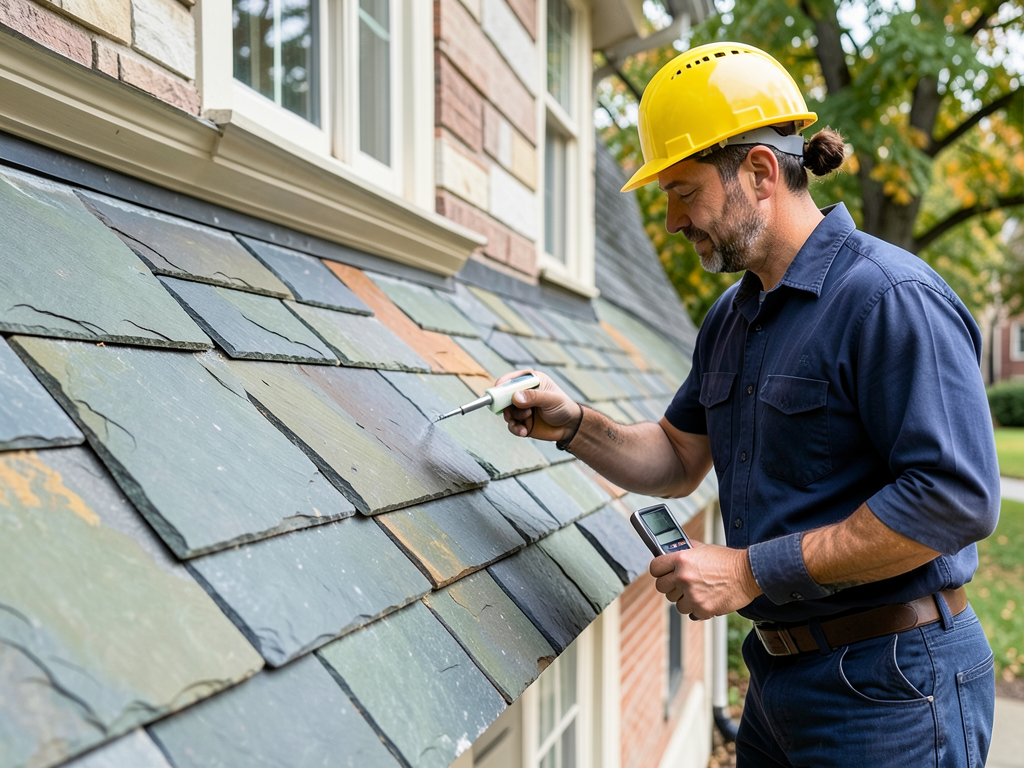
Our crews install cool roofing materials according to manufacturer specifications and local building codes. We use calibrated equipment to verify coating thickness on liquid-applied systems and ensure proper fastening on sheet materials. After installation, we conduct a follow-up thermal assessment to document the temperature reduction. You receive a performance report showing actual surface temperature improvements and projected energy savings based on your building's characteristics.

Why Indianapolis Property Owners Trust Local Expertise for Cool Roofing

Cool roofing technology requires specific knowledge of local climate patterns and building codes. Indianapolis sits in a unique position where we experience both extreme summer heat and harsh winter conditions. A roofing contractor from Phoenix or Miami might understand cool roofing, but they do not understand how to balance reflective performance with ice dam prevention and snow load requirements.

Marion County building codes require specific underlayment and flashing details that affect cool roofing installations. We know which inspectors want to see detailed ventilation calculations and which materials meet local fire ratings for different neighborhoods. That familiarity prevents delays and ensures your project passes inspection the first time.

Elite Roofing Indianapolis has installed cool roofing systems across every neighborhood in the metro area. We know which materials hold up best against the wind-driven rain common in Fishers and Noblesville. We understand how historic districts like Meridian-Kessler require specific architectural considerations. We have experience with the commercial buildings downtown that need to meet LEED certification standards.

Our material suppliers are local, which matters when you need warranty service or additional materials for future repairs. National chains use distribution centers hundreds of miles away. We get materials delivered within hours when needed.

The advantages of cool roofing only materialize if the installation is done correctly. We see problems regularly where property owners hired cut-rate contractors who did not understand thermal bridging, failed to address attic ventilation, or used materials inappropriate for our climate. Those installations underperform and give cool roofing technology a bad reputation.

We also provide realistic expectations about cool roof energy savings. Some contractors promise unrealistic results. We calculate savings conservatively based on actual utility rate structures, your building's current efficiency, and documented performance data from similar installations in Indianapolis.

What You Can Expect From a Cool Roofing Installation

Project Timeline and Scheduling

Most residential cool roofing installations take two to four days depending on roof size and complexity. Commercial projects require more time due to building access and operational considerations. We schedule installations during optimal weather windows when temperatures and humidity levels meet material specifications. Indianapolis weather changes quickly, so we monitor forecasts continuously and adjust schedules to prevent installation problems. You get daily updates on progress and any weather-related delays. We coordinate material deliveries to minimize disruption to your property and never leave your building exposed overnight.

Comprehensive Property Evaluation

Our initial assessment examines your entire thermal envelope, not just the roof surface. We inspect attic insulation depth and condition, evaluate ventilation adequacy, check for existing moisture problems, and identify any structural issues that need addressing before installation. We use thermal imaging to document current heat transfer patterns and establish baseline measurements. This evaluation includes a detailed cost analysis showing projected energy savings, material costs, available tax credits or utility rebates, and realistic payback timelines. You receive a written report with photographs and thermal images documenting our findings.

Performance and Quality Standards

Cool roofing materials must meet specific performance standards to deliver advertised benefits. We only install products with third-party tested solar reflectance values and thermal emittance ratings. Every installation includes proper substrate preparation, correct fastening patterns, and detailed flashing work that prevents leaks. We verify coating thickness on liquid-applied systems using calibrated gauges. For sheet materials, we document seam integrity and proper overlap. After installation, we conduct thermal imaging to confirm surface temperatures dropped as calculated. You receive documentation showing your roof meets Energy Star requirements and qualifies for available rebates.

Material Warranties and Maintenance Plans

Cool roofing materials come with manufacturer warranties covering material defects and performance degradation. These warranties typically guarantee that solar reflectance will not drop below specified levels for 10 to 20 years depending on the product. We provide detailed warranty documentation and register your installation with the manufacturer. Regular maintenance extends both material life and thermal performance. Dirt, biological growth, and environmental pollutants reduce reflectivity over time. We offer maintenance programs that include annual inspections, cleaning services, and minor repairs. Keeping your cool roof clean maintains energy savings and prevents premature material degradation.

Frequently Asked Questions

You Have Questions,
We Have Answers

What are the benefits of a cool roof? +

Cool roofs reflect more sunlight and absorb less heat than standard roofs. In Indianapolis, where summer temperatures often hit 90 degrees with high humidity, this means lower attic temperatures and reduced cooling costs. You can expect 10-20% savings on air conditioning bills during peak months. Cool roofs also extend roof lifespan by reducing thermal stress from Indianapolis's freeze-thaw cycles. They decrease urban heat island effects in dense neighborhoods like Broad Ripple and Fountain Square. Your HVAC system works less, which means fewer repairs and lower energy consumption year-round.

What are the benefits of a cold roof? +

A cold roof uses ventilation to create an air gap between the roof deck and insulation, allowing heat to escape. This design works well in Indianapolis's climate, where winter ice dams and summer attic heat create problems. The ventilation layer prevents moisture buildup during humid spring and summer months, reducing mold risk. Cold roofs handle Indianapolis's temperature swings better than sealed systems. They prevent ice dam formation along eaves during winter freezes. This approach extends shingle life and maintains consistent indoor temperatures without overworking your heating and cooling systems.

Are cool roof shingles worth it? +

Cool roof shingles pay for themselves in Indianapolis. The upfront cost runs slightly higher than standard shingles, but you recover that through lower cooling bills within 3-5 years. Indianapolis homeowners see measurable savings during June through September when humidity and heat stress HVAC systems. Cool shingles resist algae growth better in our humid climate, maintaining curb appeal longer. They reduce thermal shock from rapid temperature changes common in central Indiana. For homes without mature tree cover, the energy savings become even more significant. The investment makes financial sense for long-term homeowners.

How long do cool roofs last? +

Cool roofs in Indianapolis last 20-30 years with proper maintenance, similar to traditional roofing systems. The reflective coatings or specialized shingles do not significantly impact structural lifespan. What changes is how well they perform throughout that period. Indianapolis's weather, freeze-thaw cycles, spring storms, and UV exposure can degrade reflective properties over time. Most cool roof products maintain 80-90% of their reflectivity after 10 years. Regular inspections and cleaning help preserve performance. The substrate and installation quality matter more than the cool roof technology itself for determining total lifespan.

How Indianapolis's Humid Continental Climate Maximizes Cool Roof Energy Savings

Indianapolis experiences over 30 days annually with temperatures exceeding 86 degrees, combined with relative humidity often above 70%. This combination forces air conditioning systems to work harder than in dry climates. Your AC must remove both sensible heat and latent heat from humid air. When a traditional roof absorbs solar energy and radiates it into your attic, that heat load compounds the humidity problem. Cool roofing systems reduce that thermal gain dramatically. The reflective surface keeps attic temperatures 20 to 40 degrees cooler, which means your AC removes heat more efficiently and cycles less frequently.

Local building codes in Marion County and surrounding counties have started recognizing cool roofing benefits. New commercial construction often requires minimum solar reflectance values for low-slope roofs. Residential applications do not face the same requirements yet, but energy-conscious builders increasingly specify cool roofing materials for new homes in developments like Fishers and Carmel. Elite Roofing Indianapolis works directly with code officials and stays current on evolving requirements. We also maintain relationships with local utility companies that offer rebates for energy-efficient roofing installations. That local knowledge helps you capture available incentives and ensures your project meets all regulatory requirements.
Roofing Services in The Indianapolis Area

We invite you to view our service area and main office location on the map below. While we primarily work on-site at your residential or commercial property, our central Indianapolis location allows us to dispatch our expert teams quickly across the entire metro area and surrounding communities. We are committed to being your accessible, local roofing partner, ready to serve your needs efficiently and professionally wherever you are.

Address:
Elite Roofing Indianapolis, 4201 Millersville Rd, Indianapolis, IN, 46205

Additional Services We Offer

Our news updates

Latest Articles & News from The Blogs

Roof replacement costs for rental properties in the Near Eastside Replacing a roof on a rental property in Indianapolis’s Near…

Roof replacement costs for rental properties in the Near Eastside

Roof replacement costs for rental properties in the Near Eastside Replacing a roof on a rental property in Indianapolis’s Near…

How the brutal Indiana summer heat ages your shingles faster than you think

How the brutal Indiana summer heat ages your shingles faster than you think Indiana summers are no joke. When July…

Maintaining the unique charm and complex rooflines of a Forest Hills Tudor home

Maintaining the unique charm and complex rooflines of a Forest Hills Tudor home Your Forest Hills Tudor home stands out…

Contact Us

Find out exactly how much you can save with reflective roofing technology. Call Elite Roofing Indianapolis at (317) 703-7557 for a no-obligation thermal assessment and energy savings calculation. We provide detailed analysis specific to your building and honest recommendations about whether cool roofing makes sense for your situation.