
Why adding a roof cricket can stop persistent leaks on large Delaware Trails homes
Water pooling behind your chimney is more than an annoyance—it’s a warning sign that your roof’s drainage system is failing. In Delaware Trails, where many homes feature wide masonry chimneys and expansive roof planes, a roof cricket (also called a saddle) can be the difference between a dry living room and costly water damage. This article explains why crickets are essential for large chimneys, how they work, and what Indianapolis homeowners need to know before installation. Indiana Residential Code.
What is a roof cricket and why does your Indy home need one?
A roof cricket is a small, peaked structure installed behind a chimney to divert water around it. Think of it as a miniature roof that channels rainwater and snowmelt to either side rather than letting it collect in the flat area behind the chimney. For homes in Delaware Trails with chimneys wider than 30 inches, this diversion is critical because Indiana’s freeze-thaw cycles cause ice to build up in dead valleys, leading to leaks and structural rot.. Read more about Why your Meridian-Kessler chimney needs a custom saddle to stop persistent leaking.
How crickets prevent water damage
Without a cricket, water flows directly toward the chimney base and collects in what roofers call a “dead valley.” Over time, this standing water seeps under shingles, corrodes flashing, and saturates the roof deck. In Indianapolis winters, the problem compounds as ice dams form, forcing water under shingles and into your home. A properly installed cricket eliminates this pooling by creating a sloped surface that matches your roof’s pitch, ensuring water flows away from vulnerable areas. The best asphalt shingle brands for Greenwood homes (and why they matter).
Signs your roof requires a cricket installation
Many Delaware Trails homeowners don’t realize they need a cricket until they see water stains on interior walls or ceilings near the chimney. Here are the most common warning signs:
- Water stains or bubbling paint on walls adjacent to the chimney
- Musty odors in rooms below the chimney area
- Visible rust or corrosion on chimney flashing
- Ice buildup behind the chimney during winter months
- Shingle deterioration in the valley behind the chimney
If you notice any of these symptoms, your chimney may be too wide for the current roof configuration. According to NRCA (National Roofing Contractors Association) standards, chimneys exceeding 30 inches in width typically require a cricket to prevent water accumulation. NRCA standards.
Our installation process: step-by-step
Professional cricket installation requires precise measurements and careful integration with existing roofing materials. Here’s what the process looks like when done correctly: How to navigate a roofing insurance claim in Brownsburg without the headache.
- Site assessment and measurements
Technicians measure chimney width, roof pitch, and calculate the cricket’s required height using the 1:3 ratio (cricket height should be one-third the chimney’s width). Should you choose cedar shake or asphalt for your Meridian-Kessler home?.
- Frame construction
Using pressure-treated lumber, we build a sloped framework that matches your existing roof pitch. For steep roofs common in Delaware Trails, this may require additional bracing for structural integrity.
- Ice and water shield application
We install a self-adhering ice and water shield over the entire cricket area, extending at least 12 inches beyond all edges to create a waterproof barrier.
- Decking and underlayment
OSB or plywood decking is installed over the frame, followed by synthetic underlayment that provides secondary water protection.
- Flashing integration
Step flashing is woven into the cricket’s sides, with counter flashing mortared into the chimney joints to create a watertight seal.
- Final roofing material application
The cricket is covered with matching shingles or metal roofing, ensuring the transition between old and new materials is seamless.
Local considerations: Indianapolis building codes and weather
Indianapolis building codes, based on the Indiana Residential Code (IRC), require specific standards for roof modifications. For cricket installations, Marion County inspectors verify that the structure meets minimum slope requirements and that proper ice barriers are installed. The IRC mandates ice barrier underlayment extending at least 24 inches inside the exterior wall line for homes in Indiana’s climate zone.
Delaware Trails’ location in northeast Indianapolis exposes homes to particular weather challenges. The area experiences an average of 42 inches of annual rainfall and significant snowfall, creating conditions where water management is critical. The freeze-thaw cycles common from December through March cause soil expansion that can shift foundations, potentially affecting chimney alignment and creating gaps in existing flashing.
Cost factors for roof cricket retrofitting
Several variables affect the cost of adding a cricket to your existing roof. Material costs have increased significantly in 2026 due to supply chain factors, but the investment typically pays for itself by preventing water damage repairs that can cost thousands of dollars.
| Factor | Impact on Cost | Typical Range |
|---|---|---|
| Chimney width | Wider chimneys require larger crickets | $200-$800 |
| Roof pitch | Steeper roofs increase labor complexity | $300-$600 |
| Material choice | Metal vs. shingle affects material costs | $400-$1,200 |
| Existing damage | Water damage repair adds to project | $500-$2,000+ |
| Permit requirements | Marion County permits add administrative fees | $100-$250 |
Most Delaware Trails homeowners find that addressing the issue proactively costs significantly less than emergency repairs after a major leak occurs during a spring thunderstorm. Getting emergency roof repairs in Broad Ripple before the next big rain.
Material matching: integrating crickets with Indiana roofing systems
The cricket must blend seamlessly with your existing roof to maintain both function and aesthetics. In Delaware Trails, where architectural styles range from mid-century ranches to newer craftsman designs, material selection is crucial.
For homes with architectural shingles, we typically match the cricket’s shingles to your existing roof. This requires careful attention to color fading, as Indiana’s UV exposure can cause variations over time. For metal roofs common on newer constructions, we fabricate the cricket from matching metal panels, ensuring the seams align with your existing roof pattern.
EPDM rubber is another excellent option for crickets, particularly on flat or low-slope sections. Its flexibility accommodates slight movements in the chimney structure that occur with seasonal temperature changes, reducing the likelihood of cracks developing in rigid materials.
Maintenance schedule for crickets following extreme Midwest seasonal transitions
Even the best-installed cricket requires periodic inspection to ensure it continues functioning properly. Indiana’s dramatic seasonal changes create specific maintenance needs:
- Early spring inspection: Check for damage from ice dams and clear any debris that accumulated over winter
- Late fall preparation: Ensure all flashing is secure before freeze-thaw cycles begin
- Post-storm assessment: After severe weather, verify that no shingles or flashing have been displaced
During inspections, technicians look for signs of deterioration such as cracked caulking, lifted shingles, or rusted flashing. These issues, when caught early, require simple repairs rather than complete replacement. The honest cost of a full roof replacement in Indianapolis for 2026.
Professional vs. DIY risk assessment
While some homeowners consider installing crickets themselves, the risks often outweigh the potential savings. Professional installation ensures compliance with local building codes, proper integration with existing roofing, and warranty protection on both materials and labor.
DIY installations frequently encounter problems with:
- Incorrect slope calculations leading to inadequate water diversion
- Poor flashing integration causing leaks at the most vulnerable points
- Improper underlayment installation allowing water infiltration
- Failure to obtain required permits resulting in code violations
Additionally, working on roofs carries significant safety risks, particularly on the steep pitches common in many Delaware Trails homes. Professional roofers have the equipment and training to work safely at heights while ensuring the finished product meets industry standards.
Frequently Asked Questions
How long does cricket installation take?
Most cricket installations in Delaware Trails can be completed in one to two days, depending on weather conditions and the complexity of integrating with your existing roof system.
Will my homeowner’s insurance cover cricket installation?
Standard policies typically don’t cover preventive installations. However, if water damage from an inadequate chimney drainage system has already occurred, some policies may cover the cricket as part of the repair process.
Can a cricket be added to any roof type?
Yes, crickets can be installed on asphalt shingle, metal, tile, and flat roofs. The installation method varies slightly by material, but the fundamental water diversion principle remains the same.
How do I know if my chimney needs a cricket?
Chimneys wider than 30 inches on roofs with a pitch greater than 4:12 typically require crickets. A professional inspection can determine if your specific configuration meets these thresholds.
What happens if I don’t install a cricket when needed?
Without a cricket, water will continue to pool behind your chimney, eventually causing leaks, wood rot, and potentially structural damage to your roof decking and supporting structures.
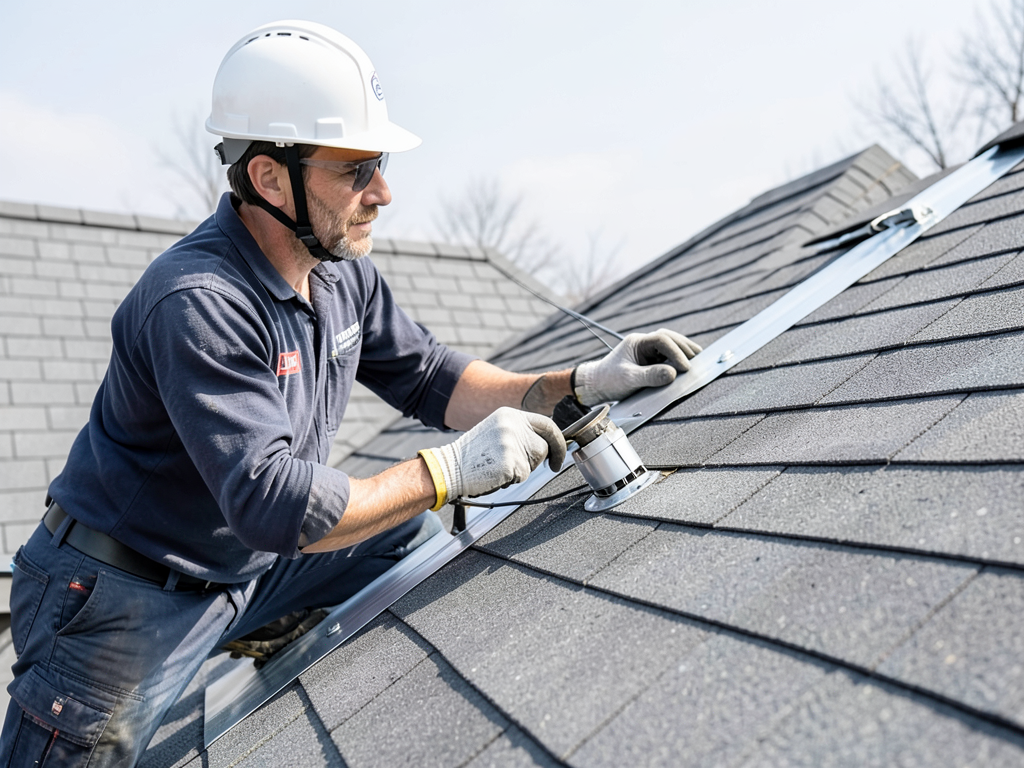
Diagram showing how a chimney cricket diverts water on a 12:12 pitch roof

Technician measuring chimney width and calculating cricket height requirements
Completed cricket installation with integrated flashing and matching shingles
Call (317) 703-7557 today to schedule your inspection
Don’t wait for the next heavy rain to discover your chimney’s drainage system has failed. Our experienced technicians can assess your roof’s needs and provide a detailed plan for protecting your Delaware Trails home from water damage. Call (317) 703-7557 today to schedule your inspection before the next storm hits.
Pick up the phone and call (317) 703-7557 before the next storm hits. We’ll help you understand exactly what your chimney needs to stay dry through every season Indianapolis throws at it.
You may also find this helpful. When to replace your old Eagle Creek skylights instead of trying another quick fix.
{
“@context”: “https://schema.org”,
“@type”: “BlogPosting”,
“headline”: “Why adding a roof cricket can stop persistent leaks on large Delaware Trails homes”,
“description”: “Discover how a roof cricket installation can solve chimney leaks in large Delaware Trails homes. Learn about Indianapolis building codes, ice dam prevention, and professional installation techniques.”,
“wordCount”: 1546,
“datePublished”: “2026-05-28T13:37:00.000Z”,
“dateModified”: “2026-05-28T13:37:00.000Z”,
“inLanguage”: “en-US”,
“mainEntityOfPage”: {
“@type”: “WebPage”,
“@id”: “https://eliteroofingindianapolis.com”
},
“publisher”: {
“@type”: “LocalBusiness”,
“name”: “Elite Roofing Indianapolis”,
“url”: “https://eliteroofingindianapolis.com”
},
“author”: {
“@type”: “Organization”,
“name”: “Elite Roofing Indianapolis”,
“url”: “https://eliteroofingindianapolis.com”
},
“image”: {
“@type”: “ImageObject”,
“url”: “https://eliteroofingindianapolis.com/wp-content/uploads/2026/03/why-adding-a-roof-cricket-can-stop-persistent-leak-1.png”
}
}
{
“@context”: “https://schema.org”,
“@type”: “RoofingContractor”,
“name”: “Elite Roofing Indianapolis”,
“url”: “https://eliteroofingindianapolis.com”,
“address”: {
“@type”: “PostalAddress”,
“addressLocality”: “Indianapolis”
},
“areaServed”: {
“@type”: “City”,
“name”: “Indianapolis”
}
}
{
“@context”: “https://schema.org”,
“@type”: “FAQPage”,
“mainEntity”: [
{
“@type”: “Question”,
“name”: “What is a roof cricket and why does your Indy home need one?”,
“acceptedAnswer”: {
“@type”: “Answer”,
“text”: “A roof cricket is a small, peaked structure installed behind a chimney to divert water around it. Think of it as a miniature roof that channels rainwater and snowmelt to either side rather than letting it collect in the flat area behind the chimney. For homes in Delaware Trails with chimneys wider than 30 inches, this diversion is critical because Indiana’s freeze-thaw cycles cause ice to build up in dead valleys, leading to leaks and structural rot.”
}
},
{
“@type”: “Question”,
“name”: “How long does cricket installation take?”,
“acceptedAnswer”: {
“@type”: “Answer”,
“text”: “Most cricket installations in Delaware Trails can be completed in one to two days, depending on weather conditions and the complexity of integrating with your existing roof system.”
}
},
{
“@type”: “Question”,
“name”: “Will my homeowner’s insurance cover cricket installation?”,
“acceptedAnswer”: {
“@type”: “Answer”,
“text”: “Standard policies typically don’t cover preventive installations. However, if water damage from an inadequate chimney drainage system has already occurred, some policies may cover the cricket as part of the repair process.”
}
},
{
“@type”: “Question”,
“name”: “Can a cricket be added to any roof type?”,
“acceptedAnswer”: {
“@type”: “Answer”,
“text”: “Yes, crickets can be installed on asphalt shingle, metal, tile, and flat roofs. The installation method varies slightly by material, but the fundamental water diversion principle remains the same.”
}
},
{
“@type”: “Question”,
“name”: “How do I know if my chimney needs a cricket?”,
“acceptedAnswer”: {
“@type”: “Answer”,
“text”: “Chimneys wider than 30 inches on roofs with a pitch greater than 4:12 typically require crickets. A professional inspection can determine if your specific configuration meets these thresholds.”
}
},
{
“@type”: “Question”,
“name”: “What happens if I don’t install a cricket when needed?”,
“acceptedAnswer”: {
“@type”: “Answer”,
“text”: “Without a cricket, water will continue to pool behind your chimney, eventually causing leaks, wood rot, and potentially structural damage to your roof decking and supporting structures.”
}
}
]
}
{
“@context”: “https://schema.org”,
“@type”: “HowTo”,
“name”: “How to install a roof cricket”,
“step”: [
{
“@type”: “HowToStep”,
“position”: 1,
“name”: “Site assessment and measurements”,
“text”: “Technicians measure chimney width, roof pitch, and calculate the cricket’s required height using the 1:3 ratio (cricket height should be one-third the chimney’s width). Should you choose cedar shake or asphalt for your Meridian-Kessler home?.”
},
{
“@type”: “HowToStep”,
“position”: 2,
“name”: “Frame construction”,
“text”: “Using pressure-treated lumber, we build a sloped framework that matches your existing roof pitch. For steep roofs common in Delaware Trails, this may require additional bracing for structural integrity.”
},
{
“@type”: “HowToStep”,
“position”: 3,
“name”: “Ice and water shield application”,
“text”: “We install a self-adhering ice and water shield over the entire cricket area, extending at least 12 inches beyond all edges to create a waterproof barrier.”
},
{
“@type”: “HowToStep”,
“position”: 4,
“name”: “Decking and underlayment”,
“text”: “OSB or plywood decking is installed over the frame, followed by synthetic underlayment that provides secondary water protection.”
},
{
“@type”: “HowToStep”,
“position”: 5,
“name”: “Flashing integration”,
“text”: “Step flashing is woven into the cricket’s sides, with counter flashing mortared into the chimney joints to create a watertight seal.”
},
{
“@type”: “HowToStep”,
“position”: 6,
“name”: “Final roofing material application”,
“text”: “The cricket is covered with matching shingles or metal roofing, ensuring the transition between old and new materials is seamless.”
}
],
“image”: “https://eliteroofingindianapolis.com/wp-content/uploads/2026/03/why-adding-a-roof-cricket-can-stop-persistent-leak-1.png”
}
{
“@context”: “https://schema.org”,
“@type”: “BreadcrumbList”,
“itemListElement”: [
{
“@type”: “ListItem”,
“position”: 1,
“name”: “Home”,
“item”: “https://eliteroofingindianapolis.com”
},
{
“@type”: “ListItem”,
“position”: 2,
“name”: “Blog”,
“item”: “https://eliteroofingindianapolis.com/blog”
},
{
“@type”: “ListItem”,
“position”: 3,
“name”: “Why adding a roof cricket can stop persistent leaks on large Delaware Trails homes”
}
]
}
{
“@context”: “https://schema.org”,
“@type”: “Service”,
“serviceType”: “Roofing”,
“provider”: {
“@type”: “LocalBusiness”,
“name”: “Elite Roofing Indianapolis”,
“url”: “https://eliteroofingindianapolis.com”
},
“areaServed”: {
“@type”: “City”,
“name”: “Indianapolis”
},
“description”: “Discover how a roof cricket installation can solve chimney leaks in large Delaware Trails homes. Learn about Indianapolis building codes, ice dam prevention, and professional installation techniques.”
}