
How the brutal Indiana summer heat ages your shingles faster than you think
Indiana summers are no joke. When July and August temperatures soar into the 90s, your roof surface can hit 150°F or higher. That extreme heat bakes asphalt shingles from the outside in, evaporating the essential oils that keep them flexible and accelerating granule loss. This article explains exactly how the heat damages your roof, what warning signs to look for, and how to protect your home from premature aging. The best asphalt shingle brands for Greenwood homes (and why they matter).
Why Indiana summers are so hard on asphalt shingles
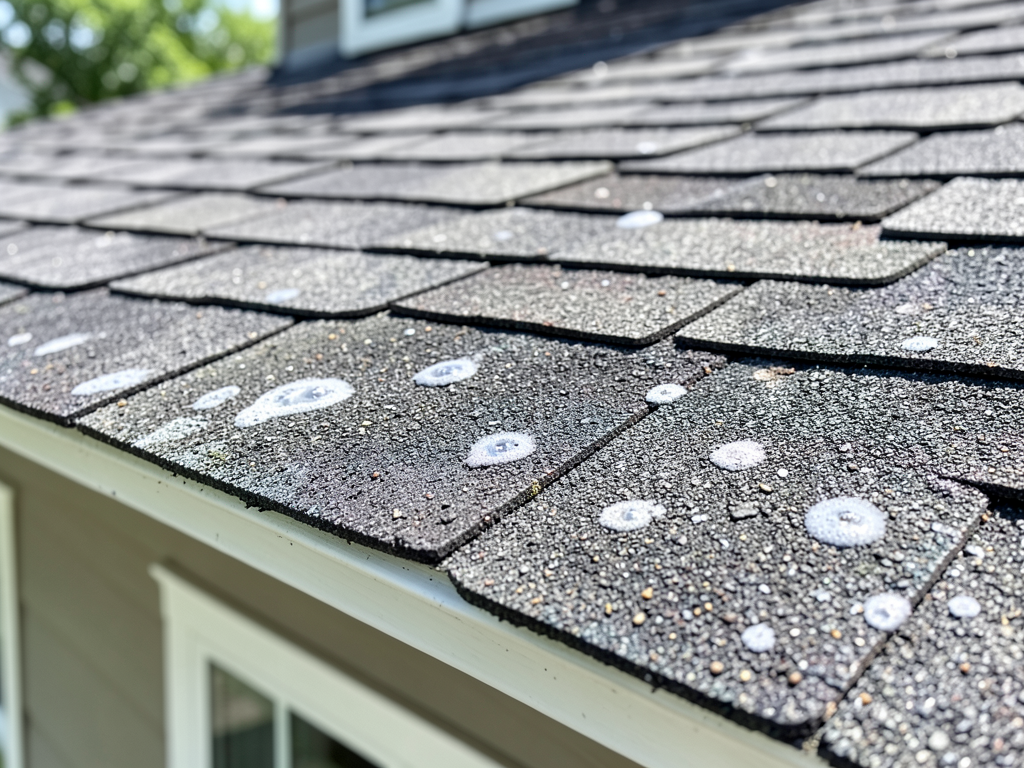
Indiana’s climate creates a perfect storm for shingle degradation. High summer humidity traps heat against your roof surface, while sudden afternoon thunderstorms create rapid temperature swings. This “thermal shock” cycle—heating up to 150°F during the day, then cooling rapidly when rain hits—causes shingles to expand and contract repeatedly. Over time, this weakens the asphalt binder and causes cracking, curling, and granule loss.
The science of heat damage
Asphalt shingles contain a mix of asphalt binder and mineral granules. The binder provides flexibility and waterproofing, while the granules protect against UV radiation. When exposed to intense heat and UV rays, the binder’s essential oils evaporate, leaving the shingle brittle and prone to cracking. This process, called oxidation, is accelerated by Indiana’s high UV index during summer months. How to navigate a roofing insurance claim in Brownsburg without the headache.
5 signs of heat damage you can spot from the ground
Before climbing a ladder, you can often identify heat-damaged shingles with a simple visual inspection. Here are the five most common warning signs:
- Blistering – Bubbles or raised areas on the shingle surface indicate trapped moisture or air pockets that expanded from heat
- Curling or cupping – Shingles that curl upward at the edges or cup downward have lost flexibility from heat exposure
- Granule accumulation in gutters – Finding sand-like granules in your gutters means the protective coating is wearing away
- Bleeding or staining – Dark streaks or discoloration can indicate asphalt binder breakdown
- Brittle texture – If you can snap a spare shingle easily, it’s lost its flexibility from heat damage
The attic ventilation connection
Poor attic ventilation is a major contributor to heat damage. When hot air gets trapped in your attic, temperatures can reach 160°F or higher. This “bakes” your shingles from underneath, accelerating the aging process. According to Marion County building codes, homes require 1 square foot of ventilation for every 150 square feet of attic space, with vents placed both high and low for proper airflow.. Read more about Solving the unique ventilation and drainage issues on Dutch Colonial roofs in Butler-Tarkington.
Common ventilation problems in Indianapolis homes
Many older Indianapolis homes, particularly those built before 1980 in neighborhoods like Meridian-Kessler and Broad Ripple, were constructed with inadequate ventilation. These homes often lack proper soffit vents or ridge vents, creating hot spots that damage shingles prematurely. The problem is compounded in homes with complex roof designs or multiple valleys where airflow gets restricted.. Read more about The pros and cons of scheduling your Indianapolis roof replacement for the spring versus the fall.
Thermal shock: The hidden danger of Indiana thunderstorms
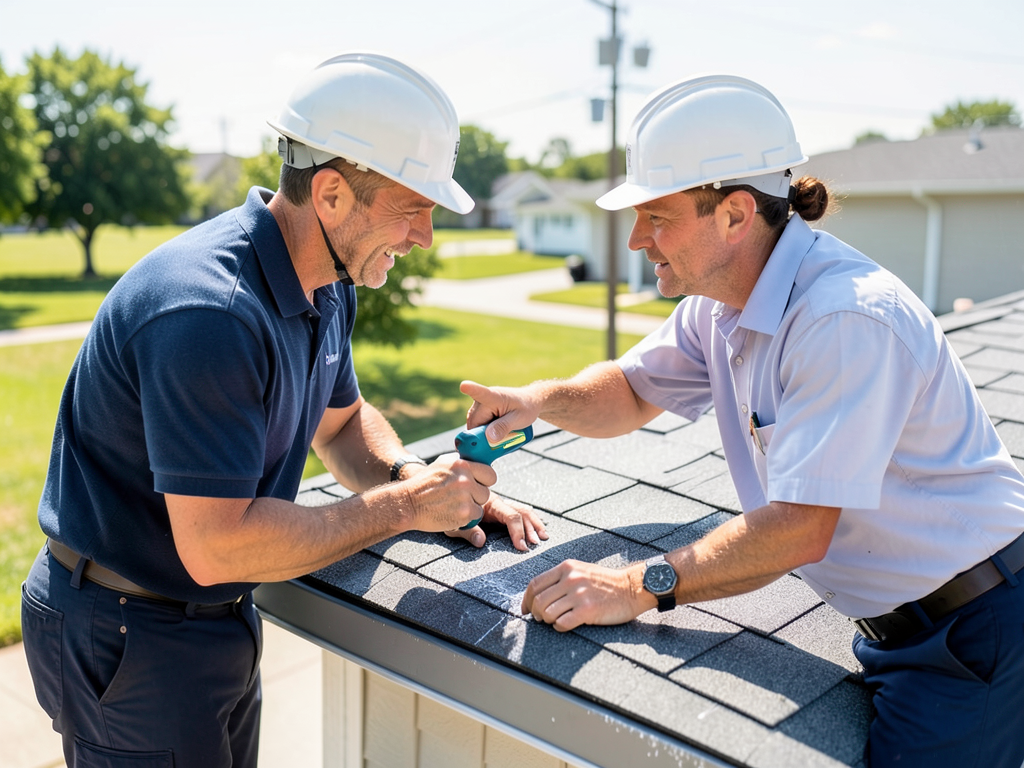
Indiana’s summer weather pattern creates a particularly damaging scenario. A typical July day might see temperatures climb to 95°F, heating your roof surface to 160°F. Then, a sudden afternoon thunderstorm rolls in, dropping the temperature by 30 degrees in minutes. This rapid cooling causes the shingles to contract quickly, creating stress that leads to cracking and separation. EPA Heat Island Effect.
The role of humidity in heat retention
Indianapolis’s high summer humidity makes heat damage worse. Moist air holds heat more effectively than dry air, meaning your roof stays hotter for longer periods. This extended exposure to high temperatures accelerates the breakdown of asphalt binders and increases the rate of granule loss.
Repair vs. replacement: Making the right call
Not all heat damage requires a full roof replacement. The decision depends on several factors: The honest cost of a full roof replacement in Indianapolis for 2026.
| Damage Level | Roof Age | Recommended Action | Expected Lifespan After Repair |
|---|---|---|---|
| Minor (20% or less) | Under 10 years | Spot repair of damaged shingles | 5-7 more years |
| Moderate (21-40%) | 5-12 years | Partial replacement of affected areas | 3-5 more years |
| Severe (41%+) | Any age | Full replacement recommended | 15-20 years with new installation |
Cost factors to consider
Repairing heat-damaged shingles typically costs $300-$800 for minor issues, while a partial replacement runs $2,000-$5,000. A full replacement for an average Indianapolis home ranges from $8,000-$15,000 depending on roof size and materials. The key is catching damage early before it spreads to the roof decking underneath.
Preventing heat damage: What Indianapolis homeowners can do
While you can’t control the weather, you can take steps to minimize heat damage:
- Improve attic ventilation – Add ridge vents, soffit vents, or powered attic fans to reduce heat buildup
- Consider cool roof technology – Reflective shingles can reduce surface temperatures by 10-15°F
- Schedule regular inspections – Annual professional inspections catch problems before they spread
- Clean your gutters – Clogged gutters trap moisture and increase heat retention
- Trim overhanging trees – While shade helps, overhanging branches trap moisture and debris
The impact on your energy bills
Heat-damaged shingles don’t just threaten your roof’s integrity—they also drive up cooling costs. When granules wear away, your roof absorbs more heat instead of reflecting it. This can increase attic temperatures by 20-30°F, forcing your air conditioner to work harder. The EPA estimates that proper roof maintenance can reduce cooling costs by 10-15% in hot climates. Preventative Roof Maintenance Plans.
Insurance considerations
Most homeowner’s insurance policies cover sudden, accidental damage but not gradual deterioration from heat exposure. This means heat damage is typically considered normal wear and tear, which insurance won’t cover. However, if heat damage is compounded by a covered event like a hailstorm or fallen tree, the combination might be covered.
Industry standards and building codes
The International Building Code (IBC) and Indiana Residential Code require specific ventilation standards for asphalt shingle roofs. Section R806.2 of the Indiana Residential Code mandates minimum ventilation ratios and specifies that vents must be evenly distributed between the soffit and ridge to create proper airflow. Additionally, the National Roofing Contractors Association (NRCA) recommends attic temperatures stay within 10-15°F of the outside air temperature. National Roofing Contractors Association.
Manufacturer warranty implications
Major shingle manufacturers like GAF and Owens Corning include ventilation requirements in their warranties. Failing to maintain proper attic ventilation can void your warranty, leaving you responsible for premature replacement costs. These companies typically require proof of adequate ventilation for warranty claims related to curling, buckling, or granule loss.
Professional inspection: What to expect
A thorough roof inspection for heat damage includes several diagnostic steps:
- Visual assessment of shingle condition from ground level and ladder
- Checking attic ventilation and measuring temperature differentials
- Inspecting for moisture damage or rot in the roof decking
- Evaluating the condition of flashing and roof penetrations
- Checking for proper installation of previous repairs or patches
During inspection, professionals use tools like infrared thermometers to measure surface temperatures and moisture meters to detect hidden water damage. They also check for proper nailing patterns and sealant application, which can affect how well shingles withstand thermal expansion and contraction.
Frequently Asked Questions
How hot does an Indiana roof get in summer?
On a 90°F day, an asphalt shingle roof in Indianapolis can reach 150-160°F, with some surfaces hitting 170°F during peak afternoon hours. This extreme heat accelerates the breakdown of asphalt binders and protective granules.
Can I repair heat-damaged shingles myself?
While you can replace individual damaged shingles, matching the color and style of existing roofing is difficult. Plus, improper installation can void manufacturer warranties and lead to leaks. Professional repair ensures proper sealing and ventilation. Roofing Beech Grove.
How often should I have my roof inspected for heat damage?
Schedule a professional inspection annually, preferably in late spring before summer heat intensifies. Additionally, inspect your roof yourself after severe weather events or if you notice increased cooling costs.
Does heat damage affect my home’s resale value?
Yes. A roof with visible heat damage can reduce your home’s value by $5,000-$15,000 and may deter potential buyers. Many lenders also require roof certification for homes over 15 years old.
What’s the best type of shingle for Indiana’s heat?
Architectural shingles with reflective granules offer better heat resistance than traditional three-tab shingles. Some manufacturers also offer “cool roof” shingles specifically designed to reflect more sunlight and reduce heat absorption.
Heat damage is a slow but steady threat to your Indianapolis home’s roof. By understanding the warning signs and taking preventive measures, you can extend your roof’s lifespan by 5-10 years and avoid costly premature replacement. Don’t wait until you see curling shingles or water stains on your ceiling—the damage may already be extensive by then.
Call (317) 703-7557 today to schedule your professional heat damage inspection. Our experienced technicians will assess your roof’s condition and recommend the most cost-effective solutions to protect your home from Indiana’s brutal summer heat.
Pick up the phone and call (317) 703-7557 before the next heat wave hits. Early detection can save you thousands in premature roof replacement costs.
You may also find this helpful. Why choosing a Bates-Hendricks roofer familiar with the local renovation boom matters.
You may also find this helpful. Using cool roof technology to combat the urban heat island effect in downtown Indianapolis.
You may also find this helpful. How Class 4 impact resistant shingles pay for themselves in lower insurance premiums for Carmel homeowners.
You may also find this helpful. The best roofing solutions for those tricky glass or metal sunroom additions in Noblesville.
{
“@context”: “https://schema.org”,
“@type”: “BlogPosting”,
“headline”: “How the brutal Indiana summer heat ages your shingles faster than you think”,
“description”: “Discover how Indianapolis summers accelerate asphalt shingle aging. Learn warning signs, attic ventilation fixes, and when to call for a heat damage inspection.”,
“wordCount”: 1510,
“datePublished”: “2026-04-15T15:39:00.000Z”,
“dateModified”: “2026-04-15T15:39:00.000Z”,
“inLanguage”: “en-US”,
“mainEntityOfPage”: {
“@type”: “WebPage”,
“@id”: “https://eliteroofingindianapolis.com”
},
“publisher”: {
“@type”: “LocalBusiness”,
“name”: “Elite Roofing Indianapolis”,
“url”: “https://eliteroofingindianapolis.com”
},
“author”: {
“@type”: “Organization”,
“name”: “Elite Roofing Indianapolis”,
“url”: “https://eliteroofingindianapolis.com”
},
“image”: {
“@type”: “ImageObject”,
“url”: “https://eliteroofingindianapolis.com/wp-content/uploads/2026/03/how-the-brutal-indiana-summer-heat-ages-your-shing-1.png”
}
}
{
“@context”: “https://schema.org”,
“@type”: “RoofingContractor”,
“name”: “Elite Roofing Indianapolis”,
“url”: “https://eliteroofingindianapolis.com”,
“address”: {
“@type”: “PostalAddress”,
“addressLocality”: “Indianapolis”
},
“areaServed”: {
“@type”: “City”,
“name”: “Indianapolis”
}
}
{
“@context”: “https://schema.org”,
“@type”: “FAQPage”,
“mainEntity”: [
{
“@type”: “Question”,
“name”: “How hot does an Indiana roof get in summer?”,
“acceptedAnswer”: {
“@type”: “Answer”,
“text”: “On a 90°F day, an asphalt shingle roof in Indianapolis can reach 150-160°F, with some surfaces hitting 170°F during peak afternoon hours. This extreme heat accelerates the breakdown of asphalt binders and protective granules.”
}
},
{
“@type”: “Question”,
“name”: “Can I repair heat-damaged shingles myself?”,
“acceptedAnswer”: {
“@type”: “Answer”,
“text”: “While you can replace individual damaged shingles, matching the color and style of existing roofing is difficult. Plus, improper installation can void manufacturer warranties and lead to leaks. Professional repair ensures proper sealing and ventilation. Roofing Beech Grove.”
}
},
{
“@type”: “Question”,
“name”: “How often should I have my roof inspected for heat damage?”,
“acceptedAnswer”: {
“@type”: “Answer”,
“text”: “Schedule a professional inspection annually, preferably in late spring before summer heat intensifies. Additionally, inspect your roof yourself after severe weather events or if you notice increased cooling costs.”
}
},
{
“@type”: “Question”,
“name”: “Does heat damage affect my home’s resale value?”,
“acceptedAnswer”: {
“@type”: “Answer”,
“text”: “Yes. A roof with visible heat damage can reduce your home’s value by $5,000-$15,000 and may deter potential buyers. Many lenders also require roof certification for homes over 15 years old.”
}
},
{
“@type”: “Question”,
“name”: “What’s the best type of shingle for Indiana’s heat?”,
“acceptedAnswer”: {
“@type”: “Answer”,
“text”: “Architectural shingles with reflective granules offer better heat resistance than traditional three-tab shingles. Some manufacturers also offer \”cool roof\” shingles specifically designed to reflect more sunlight and reduce heat absorption.”
}
}
]
}
{
“@context”: “https://schema.org”,
“@type”: “BreadcrumbList”,
“itemListElement”: [
{
“@type”: “ListItem”,
“position”: 1,
“name”: “Home”,
“item”: “https://eliteroofingindianapolis.com”
},
{
“@type”: “ListItem”,
“position”: 2,
“name”: “Blog”,
“item”: “https://eliteroofingindianapolis.com/blog”
},
{
“@type”: “ListItem”,
“position”: 3,
“name”: “How the brutal Indiana summer heat ages your shingles faster than you think”
}
]
}
{
“@context”: “https://schema.org”,
“@type”: “Service”,
“serviceType”: “Roofing”,
“provider”: {
“@type”: “LocalBusiness”,
“name”: “Elite Roofing Indianapolis”,
“url”: “https://eliteroofingindianapolis.com”
},
“areaServed”: {
“@type”: “City”,
“name”: “Indianapolis”
},
“description”: “Discover how Indianapolis summers accelerate asphalt shingle aging. Learn warning signs, attic ventilation fixes, and when to call for a heat damage inspection.”
}