
Preparing your roof for the spring rain season in New Palestine
Spring rain in New Palestine brings more than just fresh flowers. It tests your roof after months of winter freeze-thaw cycles and Indiana’s unpredictable weather swings. By late March, thawing snow and heavy spring downpours can expose hidden damage from ice dams, cracked shingles, and clogged gutters. The goal is to catch problems early before water finds its way inside. The best asphalt shingle brands for Greenwood homes (and why they matter).
Start with a visual inspection from the ground. Look for missing or curled shingles, sagging gutters, or dark streaks that signal algae growth from last summer’s humidity. Then check your attic for daylight through the roof deck or musty odors that hint at moisture buildup. If you spot any of these signs, call (317) 703-7557 before the next storm hits.. Read more about Dealing with moss growth on your Zionsville roof without ruining the shingles.
Why New Palestine roofs need special attention before spring
New Palestine sits in Hancock County where expansive clay soils shift with moisture changes. That movement transfers stress to your roof framing, often loosening fasteners and creating nail pops that let water seep in. Combine that with Indiana’s freeze-thaw cycles and you get cracked flashing and ice dam buildup along eaves.
Local building codes in Hancock County require ice barrier membranes extending at least 24 inches inside the exterior wall line for roofs with slopes less than 4:12. If your home predates the 2018 IRC adoption, that protection may be missing. A professional inspection can verify compliance and recommend upgrades. 2018 International Residential Code.
7 critical areas to inspect before spring rain arrives
1. Shingle condition – Check for curling, cracking, or missing granules. Granule loss exposes asphalt to UV rays, accelerating deterioration.
2. Flashing and sealants – Look at chimney, vent, and skylight seals. Cracked caulk lets water creep behind siding.
3. Gutter alignment and downspouts – Clogged or sagging gutters overflow during heavy rain. Downspouts should extend at least five feet from the foundation.
4. Attic ventilation and insulation – Poor airflow traps moisture, encouraging mold. Check soffit vents for blockage by insulation.
5. Soffit and fascia integrity – Rotted wood invites pests and allows water intrusion along roof edges.
6. Tree limb clearance – Overhanging branches deposit debris and can scrape shingles during wind storms.
7. Skylight seals – Failed seals around skylights are a common leak source after heavy rain.
DIY vs. professional inspection: When to call an expert
You can handle basic visual checks from the ground or a sturdy ladder. But walking the roof yourself risks injury and may miss subtle issues like soft decking or hidden flashing gaps. A licensed roofer uses thermal imaging to detect moisture behind shingles and checks attic ventilation with a hygrometer to measure humidity levels.. Read more about How to handle emergency tree removal and roof tarping in Meridian Hills.
If you notice daylight through the roof deck, sagging areas, or widespread granule loss, stop and call (317) 703-7557. Those signs often mean structural repairs are needed before the next storm. EPA mold guidelines.
Spring maintenance checklist for New Palestine homeowners
- Clear debris from gutters and downspouts
Remove leaves, twigs, and granules that block water flow. Flush with a garden hose to check drainage.
- Inspect and clean roof surface
Use a leaf blower or soft broom to remove debris. Avoid pressure washing, which can strip granules.
- Check attic for moisture and ventilation issues
Look for dark stains, mold, or damp insulation. Verify soffit vents are open.
- Examine flashing and seals
Seal small cracks with roofing caulk. Replace missing or damaged flashing. How to navigate a roofing insurance claim in Brownsburg without the headache.
- Trim overhanging tree limbs
Cut back branches at least six feet from the roof to prevent abrasion and debris buildup.
- Test for nail pops and soft spots
Walk the roof carefully and feel for spongy areas that indicate rot.
- Schedule a professional inspection if issues are found
Call (317) 703-7557 for a detailed assessment and repair estimate.
Common spring roof problems in New Palestine and how to spot them
Ice dam damage – Look for water stains on ceilings below eaves. Ice dams force melting snow under shingles.
Algae streaks – Dark vertical lines on north-facing slopes indicate Gloeocapsa magma growth, common in Indiana’s humid climate.
Nail pops – Raised nail heads create entry points for water. Tap suspect nails with a screwdriver; if they move, they need resetting.
Damaged flashing – Cracked or missing flashing around chimneys and vents lets water into wall cavities.
Ponding water – Flat or low-slope areas may hold water after heavy rain, increasing leak risk.
When to act fast: Emergency roof warning signs
If you see active dripping, large ceiling stains, or daylight through the roof deck, do not wait. Cover the affected area with a tarp and call (317) 703-7557 immediately. Delaying can lead to interior damage, mold growth, and higher repair costs.
Spring thunderstorms in Central Indiana can drop several inches of rain in hours. A compromised roof may not survive the next system.
Protecting your investment: Long-term roof care tips
Regular maintenance extends roof life by five to ten years. Keep trees trimmed, clean gutters twice a year, and inspect after major storms. Consider a professional inspection every two years to catch issues early. Preventative Roof Maintenance Plans.
If your roof is over 15 years old or shows widespread wear, a full replacement may be more cost-effective than repeated repairs. Asphalt shingles in Indiana typically last 20 to 25 years with proper care. The honest cost of a full roof replacement in Indianapolis for 2026.
Frequently Asked Questions
How often should I inspect my roof in New Palestine?
Inspect twice a year, in spring and fall, and after severe weather events.
Can I clean my roof myself?
You can remove debris with a leaf blower or soft broom, but avoid pressure washing, which can damage shingles.
What are the signs of a roof leak?
Water stains on ceilings, damp insulation in the attic, and daylight visible through the roof deck are key indicators.
How long does a typical roof last in Indiana?
Asphalt shingle roofs last 20 to 25 years with proper maintenance and ventilation.
Should I replace or repair my old roof?
If your roof is over 15 years old and showing widespread wear, replacement is often more cost-effective than repeated repairs.
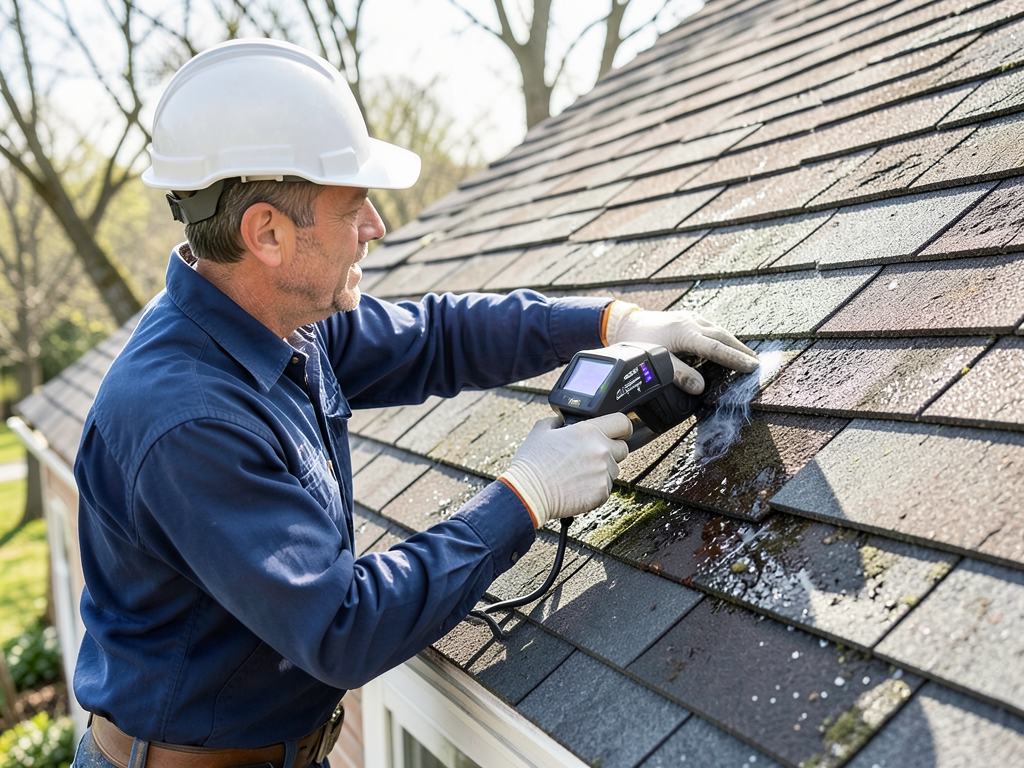
– Technician using thermal imaging camera to detect moisture behind shingles during a spring roof inspection.
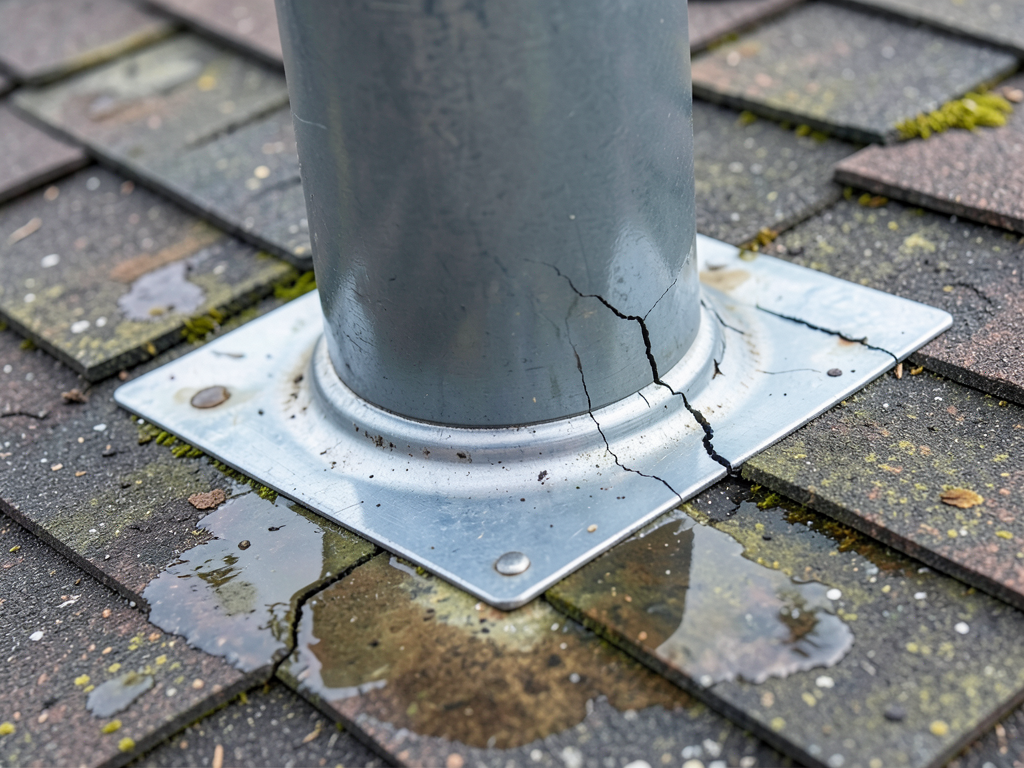
– Close-up of cracked flashing around a chimney vent with water stains on surrounding shingles.. Read more about Fixing leaky chimney flashing in Herron-Morton historic properties.
– Technician installing ice and water shield membrane along eaves during a roof replacement.
Take action before the next storm
Spring rain waits for no one. A small leak today can become a major repair tomorrow. If you notice any warning signs or just want peace of mind, call (317) 703-7557 today to schedule your inspection. Do not let the next storm catch you off guard.
Pick up the phone and call (317) 703-7557 before the next storm hits. Your roof protects everything inside your home. Make sure it is ready.
You may also find this helpful. Seeing sand in your gutters? Here is why Carmel homeowners should worry about shingle granule loss.
You may also find this helpful. Does a metal roof really sound like a drum set during a McCordsville rainstorm?.
You may also find this helpful. Why the valleys of your Noblesville roof are usually the first place to start leaking.
{
“@context”: “https://schema.org”,
“@type”: “BlogPosting”,
“headline”: “Preparing your roof for the spring rain season in New Palestine”,
“description”: “Get your New Palestine roof ready for spring storms. Learn local inspection tips, drainage fixes, and when to call a pro before heavy rain hits.”,
“wordCount”: 1172,
“datePublished”: “2026-03-18T10:33:00.000Z”,
“dateModified”: “2026-03-18T10:33:00.000Z”,
“inLanguage”: “en-US”,
“mainEntityOfPage”: {
“@type”: “WebPage”,
“@id”: “https://eliteroofingindianapolis.com”
},
“publisher”: {
“@type”: “LocalBusiness”,
“name”: “Elite Roofing Indianapolis”,
“url”: “https://eliteroofingindianapolis.com”
},
“author”: {
“@type”: “Organization”,
“name”: “Elite Roofing Indianapolis”,
“url”: “https://eliteroofingindianapolis.com”
},
“image”: {
“@type”: “ImageObject”,
“url”: “https://eliteroofingindianapolis.com/wp-content/uploads/2026/03/preparing-your-roof-for-the-spring-rain-season-in-1.png”
}
}
{
“@context”: “https://schema.org”,
“@type”: “RoofingContractor”,
“name”: “Elite Roofing Indianapolis”,
“url”: “https://eliteroofingindianapolis.com”,
“address”: {
“@type”: “PostalAddress”,
“addressLocality”: “Indianapolis”
},
“areaServed”: {
“@type”: “City”,
“name”: “Indianapolis”
}
}
{
“@context”: “https://schema.org”,
“@type”: “FAQPage”,
“mainEntity”: [
{
“@type”: “Question”,
“name”: “How often should I inspect my roof in New Palestine?”,
“acceptedAnswer”: {
“@type”: “Answer”,
“text”: “Inspect twice a year, in spring and fall, and after severe weather events.”
}
},
{
“@type”: “Question”,
“name”: “Can I clean my roof myself?”,
“acceptedAnswer”: {
“@type”: “Answer”,
“text”: “You can remove debris with a leaf blower or soft broom, but avoid pressure washing, which can damage shingles.”
}
},
{
“@type”: “Question”,
“name”: “What are the signs of a roof leak?”,
“acceptedAnswer”: {
“@type”: “Answer”,
“text”: “Water stains on ceilings, damp insulation in the attic, and daylight visible through the roof deck are key indicators.”
}
},
{
“@type”: “Question”,
“name”: “How long does a typical roof last in Indiana?”,
“acceptedAnswer”: {
“@type”: “Answer”,
“text”: “Asphalt shingle roofs last 20 to 25 years with proper maintenance and ventilation.”
}
},
{
“@type”: “Question”,
“name”: “Should I replace or repair my old roof?”,
“acceptedAnswer”: {
“@type”: “Answer”,
“text”: “If your roof is over 15 years old and showing widespread wear, replacement is often more cost-effective than repeated repairs.”
}
}
]
}
{
“@context”: “https://schema.org”,
“@type”: “HowTo”,
“name”: “How to prepare your roof for spring rain”,
“step”: [
{
“@type”: “HowToStep”,
“position”: 1,
“name”: “Clear debris from gutters and downspouts”,
“text”: “Remove leaves, twigs, and granules that block water flow. Flush with a garden hose to check drainage.”
},
{
“@type”: “HowToStep”,
“position”: 2,
“name”: “Inspect and clean roof surface”,
“text”: “Use a leaf blower or soft broom to remove debris. Avoid pressure washing, which can strip granules.”
},
{
“@type”: “HowToStep”,
“position”: 3,
“name”: “Check attic for moisture and ventilation issues”,
“text”: “Look for dark stains, mold, or damp insulation. Verify soffit vents are open.”
},
{
“@type”: “HowToStep”,
“position”: 4,
“name”: “Examine flashing and seals”,
“text”: “Seal small cracks with roofing caulk. Replace missing or damaged flashing. How to navigate a roofing insurance claim in Brownsburg without the headache.”
},
{
“@type”: “HowToStep”,
“position”: 5,
“name”: “Trim overhanging tree limbs”,
“text”: “Cut back branches at least six feet from the roof to prevent abrasion and debris buildup.”
},
{
“@type”: “HowToStep”,
“position”: 6,
“name”: “Test for nail pops and soft spots”,
“text”: “Walk the roof carefully and feel for spongy areas that indicate rot.”
},
{
“@type”: “HowToStep”,
“position”: 7,
“name”: “Schedule a professional inspection if issues are found”,
“text”: “Call (317) 703-7557 for a detailed assessment and repair estimate.”
}
],
“image”: “https://eliteroofingindianapolis.com/wp-content/uploads/2026/03/preparing-your-roof-for-the-spring-rain-season-in-1.png”
}
{
“@context”: “https://schema.org”,
“@type”: “BreadcrumbList”,
“itemListElement”: [
{
“@type”: “ListItem”,
“position”: 1,
“name”: “Home”,
“item”: “https://eliteroofingindianapolis.com”
},
{
“@type”: “ListItem”,
“position”: 2,
“name”: “Blog”,
“item”: “https://eliteroofingindianapolis.com/blog”
},
{
“@type”: “ListItem”,
“position”: 3,
“name”: “Preparing your roof for the spring rain season in New Palestine”
}
]
}
{
“@context”: “https://schema.org”,
“@type”: “Service”,
“serviceType”: “Roofing”,
“provider”: {
“@type”: “LocalBusiness”,
“name”: “Elite Roofing Indianapolis”,
“url”: “https://eliteroofingindianapolis.com”
},
“areaServed”: {
“@type”: “City”,
“name”: “Indianapolis”
},
“description”: “Get your New Palestine roof ready for spring storms. Learn local inspection tips, drainage fixes, and when to call a pro before heavy rain hits.”
}