
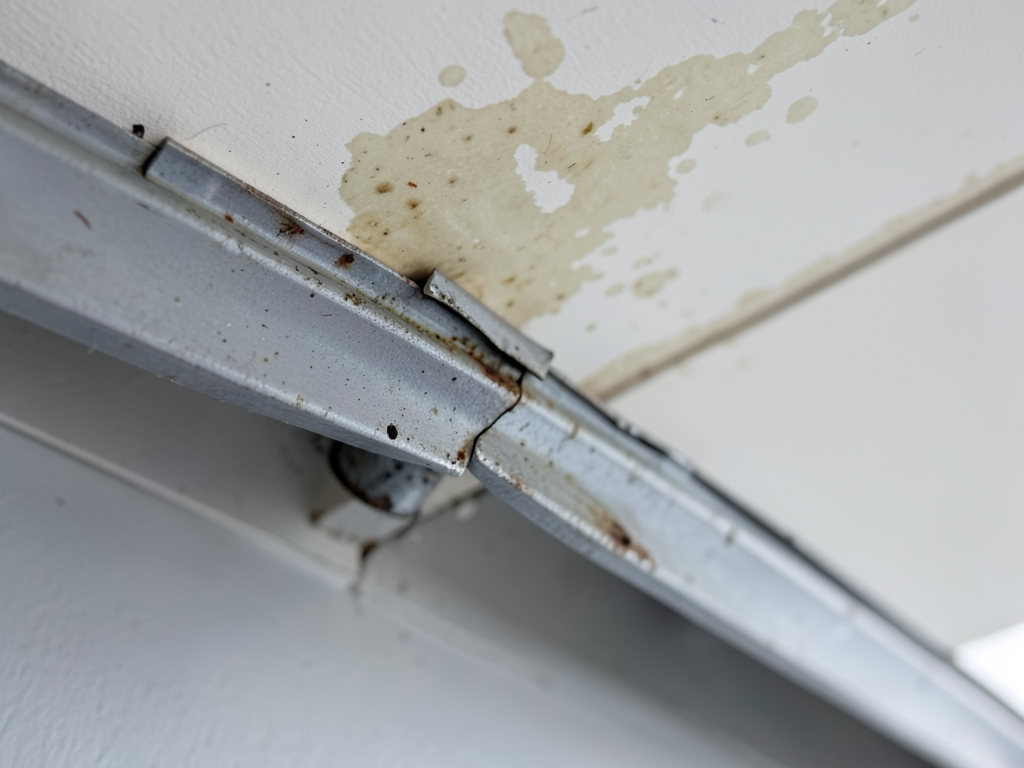
Why the valleys of your Noblesville roof are usually the first place to start leaking
The valleys on your Noblesville roof are the most vulnerable spots for leaks because they handle concentrated water flow from multiple roof planes. Indiana’s freeze-thaw cycles cause ice damming in valleys while heavy spring rains overwhelm compromised flashing. When you see water stains on your ceiling, the valley flashing is often the culprit.
Roof valleys act like gutters on your roof’s surface, channeling water from two sloping planes into a single drainage path. In Noblesville’s climate, this concentrated flow becomes problematic when flashing deteriorates or when debris blocks proper drainage. The constant expansion and contraction from temperature swings creates stress points that lead to separation and leaks. EPA mold prevention guidelines.
Understanding valley construction and common failure points helps you identify problems before they cause major damage to your home’s interior. Let’s examine why these critical areas fail first and what you can do about it.
Common causes of valley leaks in Noblesville homes
Several factors specific to Central Indiana contribute to valley failures. The combination of weather patterns, building materials, and architectural styles creates a perfect storm for leaks in these critical areas.
Ice dam formation and freeze-thaw damage
Noblesville experiences frequent freeze-thaw cycles during winter months. When snow melts on warmer roof sections and refreezes at the colder valley edges, ice dams form. These ice barriers prevent proper drainage and force water under shingles. The best asphalt shingle brands for Greenwood homes (and why they matter).
The repeated freezing and thawing causes flashing materials to expand and contract beyond their designed tolerances. Over time, this movement creates gaps where water can penetrate. Metal flashing becomes brittle in cold temperatures, making it more susceptible to cracking.
According to the National Roofing Contractors Association, ice dam damage accounts for a significant portion of winter-related roof failures in the Midwest. The valleys bear the brunt of this damage because they collect water from larger roof areas. National Roofing Contractors Association.
Debris buildup blocking water flow
Leaves, pine needles, and small branches accumulate in roof valleys throughout the year. In Noblesville’s mature neighborhoods with large trees, this debris creates dams that force water to back up under shingles.
When debris remains wet for extended periods, it accelerates the deterioration of valley materials. The constant moisture breaks down asphalt components and causes metal flashing to corrode faster than normal.
Regular valley cleaning prevents these issues, but many homeowners overlook this critical maintenance task. The buildup often goes unnoticed until water stains appear on interior ceilings.
Improper installation techniques
Many valley leaks stem from installation errors that become apparent only after several years of weather exposure. Common mistakes include inadequate underlayment, improper flashing overlap, and incorrect shingle cutting techniques.
Closed-cut valleys, where shingles from both sides meet in the center, are particularly prone to failure if not installed correctly. The cut edges create weak points where water can penetrate, especially when debris accumulates.
Open valleys with metal flashing provide better protection but require precise installation to prevent water infiltration at the edges. The flashing must extend beyond the roof deck and be properly sealed to prevent wind-driven rain from entering.
Types of valley construction and their vulnerabilities
Different valley styles offer varying levels of protection against leaks. Understanding these differences helps you identify potential problems in your own roof.
Open valley construction
Open valleys use metal flashing that runs the entire length of the valley. This creates a smooth channel for water flow and provides excellent protection against leaks when properly installed.
The main vulnerability in open valleys occurs at the edges where shingles meet the flashing. If the flashing extends too far or too little beyond the roof deck, water can find its way underneath.
Metal valley flashing comes in various materials including aluminum, copper, and galvanized steel. Each has different durability characteristics in Indiana’s climate. Aluminum resists corrosion but can dent from hail impact. Copper develops a protective patina but costs significantly more.
Closed-cut valley construction
Closed-cut valleys create a more uniform appearance since shingles cover the entire valley surface. However, this style introduces more potential failure points than open valleys.
The cut lines where shingles from opposite roof planes meet create natural weak points. These cuts must be precise and sealed properly to prevent water infiltration. Any gap or unsealed edge becomes a pathway for water entry.
Debris accumulation is more problematic in closed valleys because the shingle surface provides more places for materials to catch and build up. The trapped debris retains moisture against the roof deck, accelerating deterioration.
Woven valley construction
Woven valleys create a seamless appearance by alternating shingle courses from each roof plane. This technique eliminates cut lines but requires more skill to install properly.
The main vulnerability in woven valleys is the alternating pattern that creates multiple layers of shingles in the valley center. These extra layers can create ridges that trap debris and slow water flow.
Woven valleys also require more shingle material and precise cutting to maintain the alternating pattern. Any deviation from the pattern creates potential leak points.
Diagnostic signs of valley leaks
Identifying valley leaks early prevents extensive interior damage. Look for these warning signs before water stains appear on your ceiling.
Attic inspection techniques
Examining your attic during or after rainfall reveals many valley problems before they cause visible interior damage. Use a bright flashlight to inspect the area where valleys meet the roof deck.
Look for water stains, mold growth, or damp spots on the underside of the roof deck. Pay special attention to areas around nails and seams where water might penetrate.
Check for daylight penetration through the roof deck. Small gaps that allow light through will also allow water entry during heavy rain or when ice dams form.
Exterior warning signs
Missing or damaged shingles in the valley area indicate potential problems. Shingles that appear lifted or curled suggest water has penetrated beneath them.
Dark streaks or discoloration in the valley often indicate algae growth or water damage. These areas retain moisture longer than surrounding roof sections.
Damaged or missing valley flashing creates obvious entry points for water. Look for sections where flashing has pulled away from the roof deck or shows signs of corrosion.
Interior indicators
Water stains on ceilings directly below roof valleys indicate active leaks. The stains often appear as brown or yellow discoloration with irregular edges.
Peeling paint or bubbling drywall near ceiling corners suggests moisture penetration. These signs indicate the leak has been active for some time.
Mildew or musty odors in rooms below valleys indicate moisture problems even when visible stains aren’t present. The smell often precedes visible damage.
Professional repair solutions for valley leaks
Valley leak repairs require specific techniques to ensure long-lasting results. Professional roofers use different approaches based on the extent of damage and valley construction type.
Complete valley replacement process
Severe valley damage requires removing all existing materials down to the roof deck. This allows inspection of underlying structure and ensures proper installation of new components.
The process begins with removing shingles from both sides of the valley. Careful removal prevents damage to surrounding roofing materials that remain in good condition. How to navigate a roofing insurance claim in Brownsburg without the headache.
After removing old materials, the roof deck is inspected for rot or water damage. Any compromised wood must be replaced before installing new underlayment and flashing.
Ice and water shield installation
Modern valley repairs include installing ice and water shield underlayment. This self-adhering membrane provides superior protection compared to traditional felt paper.
The shield extends at least 24 inches beyond the valley center on each side, creating a waterproof barrier that prevents water infiltration even if shingles fail. This meets or exceeds Marion County building code requirements for ice barrier protection in roof valleys.
The self-sealing properties of ice and water shield create watertight seals around nails and fasteners, eliminating common leak points in traditional installations.
Flashing replacement techniques
New flashing installation requires precise measurements and proper overlap to ensure water flows correctly. The flashing must extend beyond the roof deck edge and be properly secured to prevent wind uplift.
Professional roofers use specific fastening patterns that prevent water from following nail holes into the roof structure. Fasteners are placed in patterns that direct water away from potential entry points.
Sealant application around flashing edges creates additional protection against wind-driven rain and ice dam formation. The sealant must be compatible with both the flashing material and surrounding roofing components.
Preventative maintenance for valley protection
Regular maintenance prevents most valley leaks and extends the life of your roof. Simple steps can save thousands in repair costs.
Seasonal cleaning schedule
Clean roof valleys at least twice yearly, in late spring and early fall. Remove all debris, paying special attention to corners and areas where water flow might be restricted.
Use a leaf blower or soft brush to remove loose materials. Avoid pressure washing, which can damage shingles and force water under roofing materials.
Check for and remove any moss or algae growth. These organisms retain moisture against roofing materials and accelerate deterioration.
Inspection protocols
Inspect your roof valleys after severe weather events, especially hailstorms or high winds common in Central Indiana. Look for damaged or missing shingles and check flashing for signs of separation.
Examine the area where shingles meet flashing for signs of lifting or separation. These gaps often develop after temperature extremes cause materials to expand and contract.
Check for granule loss in the valley area. Excessive granule loss indicates shingle deterioration that requires professional attention.
Professional assessment benefits
Annual professional roof inspections identify potential problems before they cause leaks. Experienced roofers can spot early warning signs that homeowners might miss.
Professional inspections include checking for proper ventilation, which affects valley performance. Poor attic ventilation causes ice dams and accelerates shingle deterioration.
Documentation from professional inspections provides valuable records for insurance claims and helps track roof condition over time.
Emergency response for active leaks
When valley leaks occur during storms, quick action minimizes interior damage. Follow these steps to protect your home until professional repairs can be made.
Immediate containment steps
Place buckets or containers under active leaks to catch water. Use plastic sheeting to protect furniture and flooring from water damage.
If water is spreading across ceilings, puncture the lowest point with a small nail to create a controlled drainage point. This prevents ceiling collapse from water weight.
Move electronics and valuables away from affected areas. Water and electricity create dangerous conditions that require immediate attention.
Temporary tarping techniques
Emergency tarping can prevent further water entry until professional repairs arrive. Use a heavy-duty tarp that extends at least 4 feet beyond the damaged area on all sides. Getting emergency roof repairs in Broad Ripple before the next big rain.
Secure the tarp with 2×4 boards rather than nails, which can create additional roof damage. The boards should be screwed to the roof deck through the tarp. Should you choose cedar shake or asphalt for your Meridian-Kessler home?.
Ensure the tarp creates a slope that directs water away from the damaged area. Flat tarp installations often trap water and cause more problems.
When to call for emergency service
Call for emergency service when leaks are active during storms, when water is spreading rapidly through multiple rooms, or when structural damage is apparent.
Emergency services are available 24/7 for active leaks that threaten home safety or cause significant property damage. Quick response prevents mold growth and structural deterioration.
Document damage with photos for insurance purposes before making temporary repairs. This documentation supports claims for both emergency services and permanent repairs.
Cost considerations for valley repairs
Valley repair costs vary based on damage extent, valley construction type, and accessibility. Understanding cost factors helps you budget for necessary repairs.
Factors affecting repair costs
The extent of damage significantly impacts repair costs. Minor flashing repairs might cost a few hundred dollars, while complete valley replacements can exceed several thousand. The honest cost of a full roof replacement in Indianapolis for 2026.
Roof accessibility affects labor costs. Steep roofs or complex architectural features increase the difficulty and time required for repairs.
Material choices impact costs. Copper flashing costs more than aluminum but provides superior longevity in Indiana’s climate.
Insurance coverage considerations
Insurance typically covers valley damage from sudden events like storms or fallen trees. However, damage from lack of maintenance or normal wear usually isn’t covered.
Document storm damage immediately with photos and contact your insurance company promptly. Many policies have time limits for filing claims after weather events.
Professional roofers can provide detailed damage assessments that support insurance claims. These assessments include specific measurements and photographs of all damage.
Frequently Asked Questions
How long do roof valley repairs typically last?
Quality valley repairs using proper materials and techniques should last 15-20 years or more. The longevity depends on installation quality, maintenance, and local weather conditions. Regular inspections and cleaning significantly extend repair life.
Can I repair a roof valley myself?
Valley repairs require specialized knowledge and equipment. DIY attempts often create more problems than they solve, potentially voiding roof warranties and creating safety hazards. Professional installation ensures proper materials and techniques are used.
How much does valley leak repair cost in Noblesville?
Valley repair costs in Noblesville typically range from $500 to $3,000 depending on damage extent and repair complexity. Simple flashing repairs cost less than complete valley replacements with new underlayment and shingles.
What causes valley leaks to develop suddenly?
Sudden valley leaks often result from storm damage, ice dam formation, or debris buildup that blocks water flow. Temperature extremes can cause materials to expand and contract beyond their designed tolerances, creating gaps where water enters.
How can I prevent valley leaks on my roof?
Prevent valley leaks through regular cleaning, annual inspections, and prompt repairs of minor damage. Ensure proper attic ventilation to prevent ice dams and remove debris that can trap moisture against roofing materials.
Take action before your valley leak worsens
Roof valley leaks don’t improve on their own. The damage continues to worsen with each rainfall and freeze-thaw cycle. Early detection and repair prevent extensive interior damage and costly restoration work.
If you notice water stains, missing shingles, or damaged flashing in your roof valleys, don’t wait for the next storm to cause major damage. Professional inspection can identify the extent of damage and recommend appropriate repair solutions.
Call (317) 703-7557 today to schedule your valley inspection. Our experienced team serves Noblesville and surrounding communities with prompt, professional service that protects your home from water damage.
Don’t let a small valley leak turn into a major repair project. Pick up the phone and call (317) 703-7557 before the next storm hits. We’ll assess your roof’s condition and provide clear recommendations for protecting your home.
{
“@context”: “https://schema.org”,
“@type”: “BlogPosting”,
“headline”: “Why the valleys of your Noblesville roof are usually the first place to start leaking”,
“description”: “Learn why roof valleys in Noblesville homes are vulnerable to leaks and how Indiana’s freeze-thaw cycles and heavy rains accelerate damage.”,
“wordCount”: 2472,
“datePublished”: “2026-04-03T08:09:00.000Z”,
“dateModified”: “2026-04-03T08:09:00.000Z”,
“inLanguage”: “en-US”,
“mainEntityOfPage”: {
“@type”: “WebPage”,
“@id”: “https://eliteroofingindianapolis.com”
},
“publisher”: {
“@type”: “LocalBusiness”,
“name”: “Elite Roofing Indianapolis”,
“url”: “https://eliteroofingindianapolis.com”
},
“author”: {
“@type”: “Organization”,
“name”: “Elite Roofing Indianapolis”,
“url”: “https://eliteroofingindianapolis.com”
},
“image”: {
“@type”: “ImageObject”,
“url”: “https://eliteroofingindianapolis.com/wp-content/uploads/2026/03/why-the-valleys-of-your-noblesville-roof-are-usual-1.png”
}
}
{
“@context”: “https://schema.org”,
“@type”: “RoofingContractor”,
“name”: “Elite Roofing Indianapolis”,
“url”: “https://eliteroofingindianapolis.com”,
“address”: {
“@type”: “PostalAddress”,
“addressLocality”: “Indianapolis”
},
“areaServed”: {
“@type”: “City”,
“name”: “Indianapolis”
}
}
{
“@context”: “https://schema.org”,
“@type”: “FAQPage”,
“mainEntity”: [
{
“@type”: “Question”,
“name”: “How long do roof valley repairs typically last?”,
“acceptedAnswer”: {
“@type”: “Answer”,
“text”: “Quality valley repairs using proper materials and techniques should last 15-20 years or more. The longevity depends on installation quality, maintenance, and local weather conditions. Regular inspections and cleaning significantly extend repair life.”
}
},
{
“@type”: “Question”,
“name”: “Can I repair a roof valley myself?”,
“acceptedAnswer”: {
“@type”: “Answer”,
“text”: “Valley repairs require specialized knowledge and equipment. DIY attempts often create more problems than they solve, potentially voiding roof warranties and creating safety hazards. Professional installation ensures proper materials and techniques are used.”
}
},
{
“@type”: “Question”,
“name”: “How much does valley leak repair cost in Noblesville?”,
“acceptedAnswer”: {
“@type”: “Answer”,
“text”: “Valley repair costs in Noblesville typically range from $500 to $3,000 depending on damage extent and repair complexity. Simple flashing repairs cost less than complete valley replacements with new underlayment and shingles.”
}
},
{
“@type”: “Question”,
“name”: “What causes valley leaks to develop suddenly?”,
“acceptedAnswer”: {
“@type”: “Answer”,
“text”: “Sudden valley leaks often result from storm damage, ice dam formation, or debris buildup that blocks water flow. Temperature extremes can cause materials to expand and contract beyond their designed tolerances, creating gaps where water enters.”
}
},
{
“@type”: “Question”,
“name”: “How can I prevent valley leaks on my roof?”,
“acceptedAnswer”: {
“@type”: “Answer”,
“text”: “Prevent valley leaks through regular cleaning, annual inspections, and prompt repairs of minor damage. Ensure proper attic ventilation to prevent ice dams and remove debris that can trap moisture against roofing materials.”
}
}
]
}
{
“@context”: “https://schema.org”,
“@type”: “BreadcrumbList”,
“itemListElement”: [
{
“@type”: “ListItem”,
“position”: 1,
“name”: “Home”,
“item”: “https://eliteroofingindianapolis.com”
},
{
“@type”: “ListItem”,
“position”: 2,
“name”: “Blog”,
“item”: “https://eliteroofingindianapolis.com/blog”
},
{
“@type”: “ListItem”,
“position”: 3,
“name”: “Why the valleys of your Noblesville roof are usually the first place to start leaking”
}
]
}
{
“@context”: “https://schema.org”,
“@type”: “Service”,
“serviceType”: “Roofing”,
“provider”: {
“@type”: “LocalBusiness”,
“name”: “Elite Roofing Indianapolis”,
“url”: “https://eliteroofingindianapolis.com”
},
“areaServed”: {
“@type”: “City”,
“name”: “Indianapolis”
},
“description”: “Learn why roof valleys in Noblesville homes are vulnerable to leaks and how Indiana’s freeze-thaw cycles and heavy rains accelerate damage.”
}