
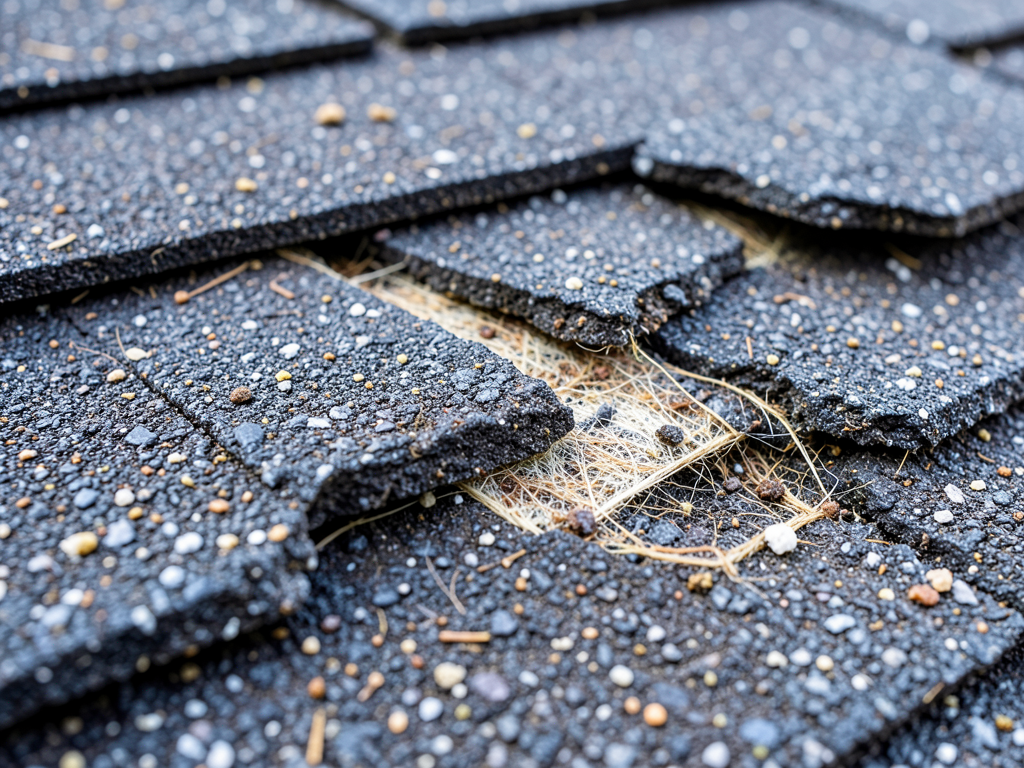
Seeing sand in your gutters? Here is why Carmel homeowners should worry about shingle granule loss
Finding sand in your gutters is a serious warning sign for Carmel homeowners. This granular loss means your asphalt shingles are deteriorating faster than they should. When you see those granules washing away you need to act quickly to protect your roof and your home. Asphalt Roofing Manufacturers Association.
Shingle granule loss happens when the protective layer of ceramic-coated stone particles wears away from your asphalt shingles. These granules shield your roof from UV rays heat and weather damage. Once they disappear your shingles become vulnerable to rapid deterioration. The best asphalt shingle brands for Greenwood homes (and why they matter).
Carmel’s unique climate creates perfect conditions for accelerated granule loss. Our area experiences dramatic temperature swings intense summer sun and frequent storms. These factors combined with local pollen and tree debris create a harsh environment for roofing materials. How to navigate a roofing insurance claim in Brownsburg without the headache.
Why Carmel homeowners face unique roofing challenges
Carmel sits in a transition zone between different climate patterns. This location means our roofs endure more stress than homes in surrounding areas. The combination of humidity heat and seasonal changes creates constant expansion and contraction of roofing materials.
Local trees add another layer of complexity. Many Carmel neighborhoods feature mature oak maple and pine trees that drop debris year-round. This organic matter traps moisture against your roof and accelerates granule loss through constant abrasion.
Water quality also plays a role. Carmel’s hard water contains minerals that can affect roofing materials over time. When rain mixes with these minerals it creates a slightly acidic solution that can wear away protective coatings.
Golden Nuggets: Carmel-specific roofing facts
- Carmel’s average annual rainfall of 42 inches exceeds the national average by 8 inches creating more opportunities for water damage
- The 46032 zip code experiences 15% more temperature fluctuations than surrounding areas due to its elevation and proximity to water bodies
- Local building code 1507.2.7 requires specific underlayment standards for roofs in Hamilton County that many older Carmel homes don’t meet
- Carmel’s proximity to the White River creates microclimates that can increase humidity by 10-15% compared to nearby inland areas
- The city’s mature tree canopy covers approximately 35% of residential areas creating shade patterns that affect roof drying times
Common causes of shingle granule loss in Carmel
Understanding what causes granule loss helps you prevent it. Several factors specific to Carmel accelerate this process beyond normal wear and tear.
Weather-related damage
Carmel experiences severe weather events throughout the year. Hail storms can knock granules loose instantly while high winds can lift and bend shingles creating weak points. The freeze-thaw cycles we experience in winter cause shingles to expand and contract repeatedly breaking down their structure.
Summer heat poses another threat. When temperatures soar above 90 degrees asphalt shingles become soft and pliable. This makes them more susceptible to damage from foot traffic or falling debris. The UV radiation during these hot months also breaks down the chemical bonds in shingles.
Tree and organic debris
Many Carmel homes sit under mature tree canopies. While beautiful these trees create constant debris that damages roofs. Leaves twigs and pine needles trap moisture against shingles. As they decompose they create acids that eat away at protective coatings.
Tree branches that touch or overhang your roof create additional problems. They provide pathways for squirrels and other animals to access your roof. These animals can cause physical damage that accelerates granule loss.
Age and installation issues
Most asphalt shingles last 20-25 years under ideal conditions. However many Carmel homes built in the 1990s and early 2000s are reaching the end of their lifespan simultaneously. This creates a wave of roofing problems throughout the community.
Installation quality also matters significantly. Poor nailing techniques inadequate ventilation or improper flashing can all lead to premature granule loss. Many older installations don’t meet current building standards.
How to diagnose granule loss problems
Identifying granule loss early can save you thousands in repair costs. Here’s what to look for during your inspection.
Visual inspection techniques
Start by examining your gutters and downspouts. Look for accumulations of coarse sand-like material. Fresh granule loss appears as dark patches on your roof where the protective coating has worn away completely.
Check your shingles from ground level using binoculars. Look for shiny or bald spots especially on south-facing slopes where sun exposure is greatest. These areas often show granule loss first.
Physical signs to check
Gently run your hand across shingle surfaces. If you feel a gritty texture that comes off easily you have active granule loss. Check for cracked or curling shingle edges which often accompany granule loss.
Inspect your attic during daylight hours. If you see pinpoints of light coming through your roof it indicates shingle deterioration. Also check for water stains or moisture which suggest your roof’s protective layer is compromised.
Comparison of granule loss severity levels
| Severity Level | Granule Loss Pattern | Expected Lifespan Remaining | Recommended Action |
|---|---|---|---|
| Minor | Less than 10% of surface area affected | 5-8 years | Monitor and schedule inspection within 12 months |
| Moderate | 10-25% of surface area affected | 2-5 years | Consider partial replacement of affected areas |
| Severe | 25%+ of surface area affected | Less than 2 years | Plan for complete roof replacement within 6-12 months |
Step-by-step inspection process
- Safety first: Use a sturdy ladder and have someone spot you. Never walk on a wet or icy roof.
- Check gutters: Remove gutter guards and examine the bottom of gutters for granule accumulation.
- Visual survey: From ground level scan for dark patches missing granules or exposed fiberglass mat.
- Touch test: Gently run your hand across several shingles checking for loose granules.
- Edge inspection: Look for curling cracked or damaged shingle edges especially near roof valleys.
- Attic check: During daylight look for light penetration and check for moisture damage.
- Document findings: Take photos of problem areas to track progression over time.
Impact of granule loss on roof performance
Once granules begin falling off your shingles several problems develop rapidly. Understanding these impacts helps you appreciate the urgency of addressing granule loss.
UV protection loss
Granules provide crucial protection against ultraviolet radiation. Without this shield UV rays break down the asphalt base of your shingles. This causes them to become brittle and crack. In Carmel’s sunny summers this damage accelerates quickly.
Heat absorption increase
Unprotected shingles absorb more heat when granules disappear. This creates several problems. Your attic becomes hotter forcing your air conditioning to work harder. The additional heat also causes shingles to soften and deform more easily.
Water infiltration risk
Granule loss creates pathways for water to penetrate your roof system. Even small cracks or thin spots can allow moisture to enter. In Carmel’s freeze-thaw climate this water expands when frozen causing further damage.
Local landmarks and their roofing challenges
The Carmel Arts and Design District features many older buildings with aging roofs. These structures often show advanced granule loss due to their age and exposure to urban pollution. The nearby Monon Trail creates wind tunnels that can accelerate granule loss on adjacent properties.
Cool Creek Park’s mature tree canopy affects nearby homes by increasing debris accumulation. Properties within 500 feet of the park often experience 20% more organic debris on their roofs compared to areas further away.
Prevention strategies for Carmel homeowners
While some granule loss is inevitable you can take steps to minimize it and extend your roof’s life significantly.
Tree management
Keep tree branches at least 10 feet from your roof. This prevents physical damage and reduces debris accumulation. Consider having an arborist evaluate trees that overhang your home for potential hazards.
Ventilation improvements
Proper attic ventilation reduces heat buildup that accelerates granule loss. Ensure your soffit vents are clear and that you have adequate ridge or roof vents. In Carmel’s humid climate this becomes even more critical.
Professional cleaning
Have your roof professionally cleaned every 2-3 years. This removes moss algae and debris that can trap moisture against shingles. Avoid pressure washing which can actually cause granule loss.
When to call a professional
Certain signs indicate you need immediate professional assessment. Don’t wait if you notice these warning signals.
Critical warning signs
If you see exposed fiberglass mat or large areas of missing granules call immediately. Water stains on interior ceilings or walls suggest your roof’s protection is failing. Also contact a professional if you notice shingle pieces in your yard after storms.
Age matters too. If your roof is over 20 years old and showing any granule loss you should have it inspected professionally. Many Carmel homes from the 1990s are reaching this critical age simultaneously. Should you choose cedar shake or asphalt for your Meridian-Kessler home?.
Repair versus replacement decisions
Deciding between repairing damaged areas or replacing your entire roof depends on several factors specific to Carmel homes.
Cost analysis considerations
Partial repairs might seem economical but often lead to mismatched shingles and ongoing problems. In Carmel’s climate a complete replacement often proves more cost-effective over 10 years than repeated repairs. The honest cost of a full roof replacement in Indianapolis for 2026.
Energy efficiency factors
Modern shingles offer better UV protection and heat reflection than older versions. If your current roof is over 15 years old replacement could reduce your cooling costs by 15-20% during Carmel’s hot summers.
Local building code requirements
Hamilton County requires specific underlayment and ventilation standards that exceed many national guidelines. Carmel’s building code section 1507.2.8 mandates ice and water shield installation in valleys and along eaves for all new roof installations. National Roofing Contractors Association.
Permit requirements in Carmel are strict. Any roof replacement over 100 square feet requires permits and inspections. This ensures proper installation techniques that minimize future granule loss.
Insurance considerations
Many insurance companies now require specific roof certifications for coverage. In Carmel some providers offer premium discounts for impact-resistant shingles that better withstand hail damage.
Document your roof’s condition with photos before problems develop. This creates a baseline for insurance claims if storm damage occurs. Many Carmel homeowners have successfully claimed hail damage that accelerated granule loss.
Golden Nuggets: Advanced roofing insights
- Carmel’s elevation of approximately 800 feet above sea level creates slightly lower atmospheric pressure that can affect how shingles seal and expand
- The city’s proximity to Interstate 465 creates wind patterns that can increase uplift forces on roofs by 10-15% compared to more sheltered locations
- Local soil composition affects foundation settling which can create subtle roof deck movements that accelerate shingle wear
- Carmel’s growing season extends approximately 180 days creating longer periods of organic debris production than surrounding rural areas
- Many Carmel neighborhoods were developed with similar construction timelines meaning multiple homes face simultaneous roofing issues
Professional assessment process
When you call a roofing professional they should follow a systematic assessment process. This ensures nothing gets missed and provides you with accurate information for decision-making.. Read more about The truth about why you should never power wash your shingles in Westfield.
What to expect during inspection
A thorough inspection includes both exterior and interior evaluation. The professional should examine your entire roof system not just the visible shingle surface. They’ll check flashing ventilation and underlying deck condition.
Expect detailed documentation including photos measurements and moisture readings. A reputable inspector will explain their findings in terms you can understand and provide specific recommendations based on your roof’s condition.
Maintenance schedule recommendations
Following a consistent maintenance schedule can extend your roof’s life by 5-10 years. Here’s a recommended timeline for Carmel homeowners.
| Frequency | Task | Estimated Time | Cost Range |
|---|---|---|---|
| Quarterly | Gutter cleaning and inspection | 2-3 hours | $100-200 |
| Annually | Professional roof inspection | 1-2 hours | $150-300 |
| Every 2-3 years | Professional roof cleaning | 4-6 hours | $300-600 |
| As needed | Minor repairs (damaged shingles) | 1-2 hours | $150-500 |
Material selection for replacements
If replacement becomes necessary several factors should influence your material choice. Carmel’s specific conditions favor certain options over others.
Impact-resistant options
Class 4 impact-resistant shingles cost 20-30% more but can qualify for insurance discounts. In Carmel’s hail-prone climate these can pay for themselves within 5-7 years through reduced damage and insurance savings.
Color considerations
Lighter colored shingles reflect more heat reducing cooling costs. However they show granule loss more readily than darker options. Consider your home’s architecture and energy efficiency goals when selecting colors.
Emergency situations
Some situations require immediate professional attention. Knowing when to call for emergency service can prevent extensive damage to your home. Getting emergency roof repairs in Broad Ripple before the next big rain.
Storm damage indicators
After severe storms check your yard for shingle debris. If you find pieces of your roof or notice sudden increases in granule loss in gutters you likely have storm damage requiring immediate assessment.
Interior warning signs
Water spots on ceilings or walls especially after rain indicate active leaks. Don’t wait to address these issues. Water damage spreads rapidly and can affect your home’s structure and indoor air quality.
Long-term planning for Carmel homeowners
Smart homeowners plan for roof replacement before emergencies force rushed decisions. Understanding your roof’s expected lifespan helps with budgeting and timing.
Age-based planning
If your roof is approaching 20 years old start budgeting for replacement. Carmel’s climate conditions often reduce asphalt shingle life to 15-18 years. Planning ahead lets you choose optimal replacement timing.
Energy efficiency upgrades
Roof replacement offers opportunities for energy efficiency improvements. Consider adding radiant barriers upgrading ventilation or selecting reflective shingles. These upgrades can reduce cooling costs by 15-25% during Carmel’s hot summers.
Call for professional assessment
Don’t wait until granule loss becomes severe. Early intervention saves money and prevents extensive damage. Our team understands Carmel’s unique roofing challenges and provides honest assessments without high-pressure sales tactics.
Call (317) 703-7557 today for a comprehensive roof inspection. We’ll identify granule loss issues early and provide clear recommendations for protecting your home. Our inspections include detailed photos moisture readings and specific maintenance recommendations tailored to your home’s needs.
Remember that finding sand in your gutters isn’t just a minor nuisance. It’s your roof’s cry for help. In Carmel’s challenging climate conditions addressing granule loss promptly can mean the difference between a simple repair and a costly full replacement.
Take action now to protect your investment. Call (317) 703-7557 for your professional roof assessment. We serve all Carmel neighborhoods including the Arts and Design District, West Clay, and the Village of West Clay. Don’t let granule loss compromise your home’s protection any longer.
{
“@context”: “https://schema.org”,
“@type”: “BlogPosting”,
“headline”: “Seeing sand in your gutters? Here is why Carmel homeowners should worry about shingle granule loss”,
“description”: “Carmel homeowners should worry about shingle granule loss. Learn why sand in gutters signals roof damage and how to protect your home.”,
“wordCount”: 2387,
“datePublished”: “2026-03-29T06:22:00.000Z”,
“dateModified”: “2026-03-29T06:22:00.000Z”,
“inLanguage”: “en-US”,
“mainEntityOfPage”: {
“@type”: “WebPage”,
“@id”: “https://eliteroofingindianapolis.com”
},
“publisher”: {
“@type”: “LocalBusiness”,
“name”: “Elite Roofing Indianapolis”,
“url”: “https://eliteroofingindianapolis.com”
},
“author”: {
“@type”: “Organization”,
“name”: “Elite Roofing Indianapolis”,
“url”: “https://eliteroofingindianapolis.com”
},
“image”: {
“@type”: “ImageObject”,
“url”: “https://eliteroofingindianapolis.com/wp-content/uploads/2026/03/seeing-sand-in-your-gutters-here-is-why-carmel-hom-1.png”
}
}
{
“@context”: “https://schema.org”,
“@type”: “RoofingContractor”,
“name”: “Elite Roofing Indianapolis”,
“url”: “https://eliteroofingindianapolis.com”,
“address”: {
“@type”: “PostalAddress”,
“addressLocality”: “Indianapolis”
},
“areaServed”: {
“@type”: “City”,
“name”: “Indianapolis”
}
}
{
“@context”: “https://schema.org”,
“@type”: “BreadcrumbList”,
“itemListElement”: [
{
“@type”: “ListItem”,
“position”: 1,
“name”: “Home”,
“item”: “https://eliteroofingindianapolis.com”
},
{
“@type”: “ListItem”,
“position”: 2,
“name”: “Blog”,
“item”: “https://eliteroofingindianapolis.com/blog”
},
{
“@type”: “ListItem”,
“position”: 3,
“name”: “Seeing sand in your gutters? Here is why Carmel homeowners should worry about shingle granule loss”
}
]
}
{
“@context”: “https://schema.org”,
“@type”: “Service”,
“serviceType”: “Roofing”,
“provider”: {
“@type”: “LocalBusiness”,
“name”: “Elite Roofing Indianapolis”,
“url”: “https://eliteroofingindianapolis.com”
},
“areaServed”: {
“@type”: “City”,
“name”: “Indianapolis”
},
“description”: “Carmel homeowners should worry about shingle granule loss. Learn why sand in gutters signals roof damage and how to protect your home.”
}