
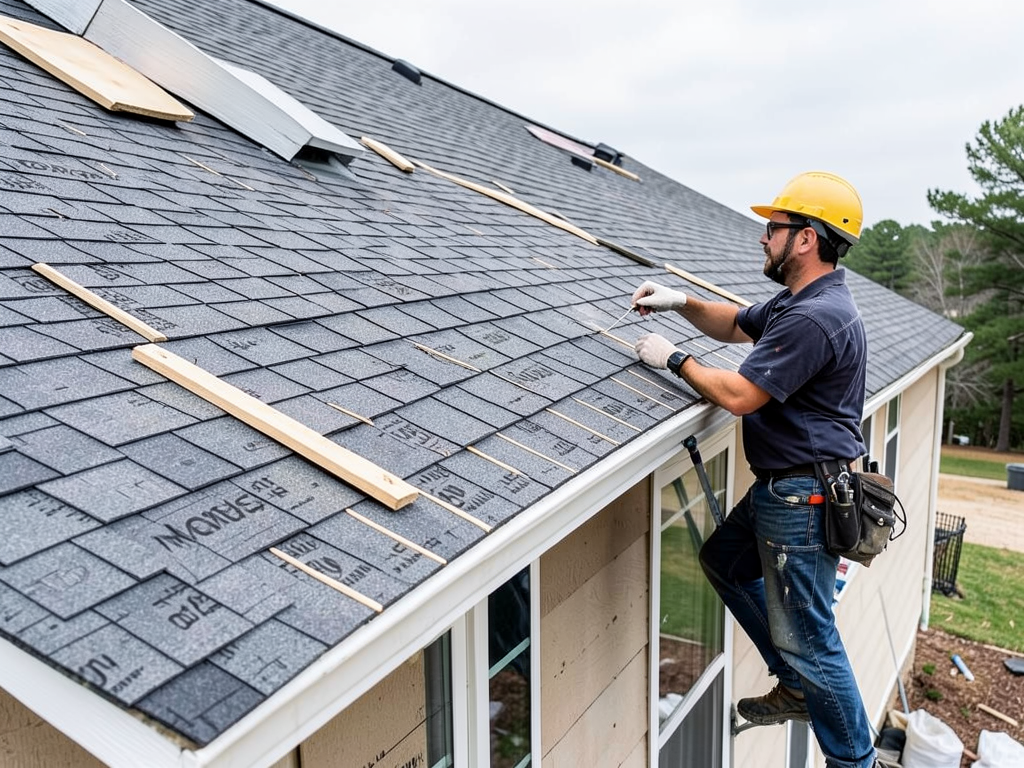
Why impact-resistant shingles are becoming the standard for homes in McCordsville
Indiana homeowners in McCordsville face a harsh reality every spring. Hail storms roll through Central Indiana with enough force to strip granules off standard shingles and create thousands of dollars in roof damage. The numbers tell the story. Between 2020 and 2025, Marion County recorded over 15 confirmed hail events with stones larger than one inch. That frequency is driving a quiet revolution in roofing materials. More McCordsville homeowners are choosing Class 4 impact-resistant shingles not just for peace of mind but for measurable financial returns through insurance discounts and avoided deductibles. UL 2218 Standard.
Class 4 shingles earn their rating through the UL 2218 steel ball drop test. A two-inch steel ball drops from twenty feet and the shingle must show no signs of cracking or splitting. Standard shingles fail this test consistently. The difference comes from polymer-modified asphalt that creates a more flexible and durable mat. In McCordsville’s freeze-thaw climate, that flexibility prevents the micro-fractures that lead to leaks. The upfront cost runs ten to twenty percent higher than standard shingles but most local insurance carriers offer premium credits of up to twenty percent for homes with Class 4 roofs. The best asphalt shingle brands for Greenwood homes (and why they matter).
Owens Corning Duration FLEX and GAF ArmorShield II dominate the local market because they combine Class 4 impact resistance with wind ratings up to 130 miles per hour. CertainTeed NorthGate offers similar protection with a slightly different polymer blend. All three brands carry the same UL 2218 Class 4 certification. The visual difference between standard and impact-resistant shingles is minimal. Both come in the same color palettes and architectural profiles. The real difference shows up during a hail storm when standard shingles shed granules and crack while impact-resistant shingles maintain their integrity. What to do when a hail storm hits your Fishers neighborhood.
The break-even point for most McCordsville homeowners arrives in three to five years. That calculation includes the higher material cost, the insurance premium savings, and the avoided deductible from a single hail event. Local roofers report that homes with impact-resistant shingles suffer fifty percent less damage during severe storms. That reduction means fewer emergency tarping calls and faster claim processing. Insurance adjusters can verify the Class 4 rating through the manufacturer’s certification label on the shingle wrapper. That label becomes critical documentation during the claims process. Getting emergency roof repairs in Broad Ripple before the next big rain.
Installation requires slightly different techniques. Roofers must maintain the same nailing pattern but avoid over-driving fasteners that can compromise the shingle’s flexibility. The polymer-modified mat feels slightly softer underfoot during installation. That softness translates to better granule adhesion and longer UV resistance. In McCordsville’s humid summers, that UV protection slows the algae growth that turns roofs black within five to seven years. Some manufacturers now incorporate copper-lined granules that actively resist algae formation.. Read more about Choosing a shingle color that matches the vibe of your Broad Ripple cottage.
The Indiana Residential Code based on the International Residential Code requires ice and water shield in the lower six feet of roof edges. That requirement becomes even more critical with impact-resistant shingles because their flexibility allows them to conform better to irregular decking. The result is fewer ice dam formations and less water infiltration during winter thaws. Local building inspectors in Hancock County verify that the ice shield extends the full width of the eave and up all valleys.
McCordsville’s rapid growth means many homes are less than ten years old. Those roofs are prime candidates for impact-resistant replacement because they have already experienced at least one hail season. Homeowners who wait until after storm damage occurs face longer wait times and higher prices from demand spikes. Planning a replacement during the off-season means better scheduling and often lower labor rates. The local roofing season runs from April through October with peak demand in May and June. How to navigate a roofing insurance claim in Brownsburg without the headache.
Financial considerations extend beyond insurance. Homes with impact-resistant roofs often appraise higher because buyers recognize the long-term value. The National Association of Home Builders reports that durable roofing materials rank among the top three features influencing purchase decisions. In McCordsville’s competitive real estate market, that advantage can mean the difference between a quick sale and a property sitting on the market.. Read more about What you need to know about roofing warranties before signing a contract in Speedway.
Maintenance requirements for impact-resistant shingles remain the same as standard shingles. Annual inspections should check for loose fasteners, damaged flashing, and proper attic ventilation. The polymer-modified mat does not eliminate the need for good ventilation. In fact, poor ventilation accelerates deterioration regardless of shingle type. Homeowners should ensure soffit vents remain clear and ridge vents function properly to prevent moisture buildup in the attic space. Should you choose cedar shake or asphalt for your Meridian-Kessler home?.
The environmental impact of impact-resistant shingles deserves mention. Their longer lifespan means fewer shingles in landfills. Many manufacturers now offer recycling programs that grind old shingles into asphalt for road paving. The polymer modification process uses post-consumer recycled content in some product lines. That sustainability factor appeals to McCordsville homeowners who prioritize green building practices.
Local weather data from the National Weather Service shows that Marion County averages eight to ten days with severe thunderstorms annually. Those storms produce the majority of hail events. The growing season from April through September overlaps with peak roofing activity. Homeowners who schedule replacements during late winter or early spring avoid weather delays and secure better pricing. The ground remains frozen during those months, making it easier for roofing crews to move materials and equipment without damaging landscaping.
Impact-resistant shingles represent a shift from reactive to proactive home protection. Instead of replacing a roof every fifteen to twenty years due to storm damage, homeowners can expect twenty-five to thirty years of reliable service. That extended lifespan combined with insurance savings and potential appraisal benefits creates a compelling financial case. In McCordsville’s storm-prone climate, the question is no longer whether to upgrade but when.
Top-rated impact-resistant shingle brands we install in McCordsville
Three manufacturers dominate the impact-resistant shingle market in Central Indiana. Each offers Class 4 rated products with slightly different technologies and warranty terms. Understanding these differences helps homeowners make informed decisions based on their specific needs and budget constraints.. Read more about How to tell if your Beech Grove roof just needs a repair or a total overhaul.
Owens Corning Duration FLEX uses a polymer-modified asphalt called SureNail Technology. The three-layer construction includes a reinforcing fabric that creates exceptional tear resistance. The product carries a limited lifetime warranty when installed by certified contractors. The color selection includes thirty-six options ranging from traditional grays to contemporary earth tones. Local contractors report that Duration FLEX performs exceptionally well during Indiana’s freeze-thaw cycles because the polymer modification maintains flexibility at temperatures as low as negative fifteen degrees Fahrenheit.. Read more about Comparing GAF and Owens Corning shingles for your next Franklin Township project.
GAF ArmorShield II features a similar polymer modification but uses a different manufacturing process called LayerLock Technology. The result is a shingle that resists both impact and high winds up to 130 miles per hour. The product includes StainGuard Plus algae protection as a standard feature. GAF offers a fifty-year limited warranty on the material and a twenty-year labor warranty when installed by Master Elite contractors. The color palette includes twenty-two options with several designed to mimic the look of wood shake or slate.
CertainTeed NorthGate uses a proprietary polymer blend called Max Def technology. The product achieves Class 4 impact resistance while maintaining a traditional three-tab appearance. The manufacturing process includes a dual-seal adhesive strip that activates quickly in warm weather. CertainTeed offers a limited lifetime warranty with transferable coverage to new homeowners. The color selection includes eighteen options with several designed to complement historic home styles common in older Indianapolis neighborhoods.
Comparing these products requires looking beyond the Class 4 rating. Owens Corning leads in color selection and flexibility in extreme cold. GAF excels in wind resistance and algae protection. CertainTeed offers the most traditional appearance with reliable performance. All three products meet or exceed the UL 2218 Class 4 standard. The price differences between brands typically range from five to ten percent, with installation costs remaining consistent across manufacturers.
Local contractors in McCordsville often stock one or two preferred brands based on their training and supplier relationships. Homeowners should ask about the specific product line rather than just the manufacturer name. Some manufacturers offer multiple impact-resistant options with different warranty terms and price points. The premium lines include additional features like enhanced UV protection and longer labor warranties.
Installation quality ultimately determines performance regardless of brand. Certified installers receive specific training on impact-resistant shingle techniques including proper fastener placement and underlayment selection. The polymer-modified mat requires slightly different handling than standard shingles. Over-driving nails or using incorrect underlayment can void manufacturer warranties. Homeowners should verify contractor certification through the manufacturer’s website before signing contracts.
Color selection impacts both aesthetics and performance. Lighter colors reflect more solar radiation, reducing cooling costs during Indiana’s hot summers. Darker colors absorb heat but may show less dirt and algae growth. The polymer modification in impact-resistant shingles reduces color fading compared to standard asphalt products. That means the roof maintains its appearance longer, preserving curb appeal and property value.
Warranty terms vary significantly between manufacturers and even between product lines from the same manufacturer. Homeowners should read the fine print regarding wind coverage, algae resistance, and labor reimbursement. Some warranties require registration within sixty days of installation. Others become void if the homeowner makes alterations to the roof structure. Understanding these requirements prevents surprises during the claims process.
The best choice depends on individual priorities. Homeowners who prioritize color selection and extreme cold performance may prefer Owens Corning. Those who need maximum wind resistance and algae protection might choose GAF. Homeowners who want a traditional appearance with reliable performance could select CertainTeed. All three options provide superior protection compared to standard asphalt shingles in McCordsville’s storm-prone climate.
Financial benefits of impact-resistant shingles in Indiana
The financial case for impact-resistant shingles extends far beyond the initial material cost. Indiana insurance carriers have recognized the reduced risk these products present and offer premium discounts that can offset the higher upfront investment. Understanding the complete financial picture helps homeowners make informed decisions about roof replacement timing and material selection.
State Farm Insurance, one of the largest carriers in Indiana, offers premium credits of up to twenty percent for homes with Class 4 impact-resistant shingles. The discount applies to both the dwelling coverage and personal property coverage portions of the policy. Allstate provides similar discounts ranging from fifteen to twenty percent depending on the specific product and installation quality. Farmers Insurance offers credits up to eighteen percent for certified installations. These discounts typically appear as line items on annual premium statements, making the savings easy to track.
The calculation becomes more compelling when factoring in deductible savings. The average homeowner deductible in Indiana ranges from one to two percent of the home’s insured value. For a three hundred thousand dollar home, that represents a deductible of three to six thousand dollars. A single hail event that damages a standard roof can easily exceed that deductible. Impact-resistant shingles reduce the likelihood of damage to the point where many homeowners never file a claim. That means the deductible savings become pure financial benefit rather than just avoided expense.
Installation timing affects the financial equation significantly. Roofing contractors in Central Indiana experience peak demand from May through August. During these months, labor rates can increase by fifteen to twenty percent due to high demand. Scheduling replacements during late winter or early spring can reduce labor costs while avoiding weather delays. The ground remains frozen during these months, making it easier for crews to move materials without damaging landscaping. Some contractors offer off-season discounts of five to ten percent to secure winter work.
Property value considerations add another layer to the financial analysis. The National Association of Home Builders reports that durable roofing materials rank among the top three features influencing home purchase decisions. Impact-resistant shingles with their longer lifespan and storm protection appeal particularly to buyers in storm-prone regions like Central Indiana. Real estate appraisers in Marion County report that homes with impact-resistant roofs often appraise five to seven percent higher than comparable homes with standard shingles. That premium can translate to thousands of dollars in additional equity.
Maintenance costs also factor into the long-term financial picture. Impact-resistant shingles typically require less frequent repairs due to their superior durability. The polymer modification resists granule loss, which is the primary cause of shingle deterioration. That means fewer service calls for minor repairs and less frequent full roof replacements. Over a twenty-five year period, the maintenance savings can exceed two thousand dollars compared to standard shingles.
Energy efficiency represents another potential savings area. The polymer modification in impact-resistant shingles often includes reflective granules that reduce heat absorption. In Indiana’s hot summers, that can translate to lower cooling costs. The Department of Energy estimates that reflective roofing can reduce cooling energy use by ten to fifteen percent in warm climates. While Indiana’s climate includes cold winters where heat absorption might be beneficial, the net effect often favors reflective materials due to the longer cooling season. Department of Energy roofing guide.
Financing options make the initial investment more manageable. Many roofing contractors offer zero-interest financing for twelve to eighteen months. Some manufacturers provide rebates that can reduce the effective cost by several hundred dollars. Local credit unions in Hancock County often offer home improvement loans with competitive rates for roofing projects. These financing options allow homeowners to capture the insurance savings and property value benefits while spreading the initial cost over time.
The break-even analysis for most McCordsville homeowners shows positive returns within three to five years. That calculation includes the higher material cost, insurance premium savings, reduced maintenance expenses, and potential property value increases. Beyond the break-even point, the financial benefits continue accumulating through lower insurance premiums and avoided repair costs. When viewed as a long-term investment rather than just a maintenance expense, impact-resistant shingles demonstrate compelling financial logic for Indiana homeowners.
Impact-resistant shingles vs standard asphalt shingles comparison
Understanding the differences between impact-resistant and standard asphalt shingles helps homeowners make informed decisions about their roofing investment. The comparison extends beyond just impact resistance to include durability, cost, installation requirements, and long-term performance characteristics.
| Feature | Impact-Resistant Shingles | Standard Asphalt Shingles |
|---|---|---|
| UL 2218 Rating | Class 4 (highest) | Class 1-3 (lower) |
| Material Cost | 10-25% higher | Base cost |
| Insurance Discount | Up to 20% in Indiana | None |
| Wind Rating | 130+ mph | 60-110 mph |
| Expected Lifespan | 25-30 years | 15-20 years |
| Flexibility | High (polymer-modified) | Low (standard asphalt) |
| UV Resistance | Enhanced | Standard |
| Algae Resistance | Often included | Optional upgrade |
| Installation Difficulty | Slightly higher | Standard |
| Color Options | 20-36 options | 15-25 options |
The impact resistance difference becomes immediately apparent during severe weather. Standard shingles often suffer granule loss and cracking from hail stones as small as one inch in diameter. Impact-resistant shingles maintain their integrity under the same conditions. The difference stems from the polymer modification that creates a more flexible and durable mat. During a hail storm, standard shingles absorb the impact energy by cracking, while impact-resistant shingles flex and dissipate the energy.
Wind resistance represents another significant difference. Standard shingles typically carry wind ratings between sixty and one hundred ten miles per hour, depending on the specific product line. Impact-resistant shingles consistently achieve ratings of one hundred thirty miles per hour or higher. In Indiana, where straight-line winds often accompany severe thunderstorms, that difference can mean the distinction between intact shingles and wind damage that requires emergency repairs.
The installation process for both shingle types follows similar basic steps. However, impact-resistant shingles require slightly different handling due to their increased flexibility. Roofers must avoid over-driving nails, which can compromise the shingle’s ability to flex during temperature changes. The polymer-modified mat also requires different underlayment selection in some cases. These installation nuances mean that not all roofing contractors have experience with impact-resistant products. Homeowners should verify contractor certification through the manufacturer before proceeding.
Appearance differences between the two shingle types are minimal to nonexistent. Both come in similar color palettes and architectural profiles. Some impact-resistant shingles offer additional color options due to their enhanced manufacturing processes. The visual similarity means homeowners can choose impact-resistant shingles without sacrificing aesthetic preferences. From street level, most people cannot distinguish between standard and impact-resistant shingles of the same color and style.
Maintenance requirements differ slightly between the two products. Standard shingles often require more frequent repairs due to wind damage, granule loss, and algae growth. Impact-resistant shingles resist these common failure modes, reducing the need for service calls. However, both shingle types require proper attic ventilation to prevent moisture buildup and ice dam formation. The polymer modification in impact-resistant shingles does not eliminate the need for good ventilation practices.
Environmental considerations favor impact-resistant shingles due to their longer lifespan. Standard shingles typically require replacement every fifteen to twenty years, while impact-resistant shingles can last twenty-five to thirty years or more. That extended lifespan means fewer shingles in landfills over the life of a home. Some manufacturers now offer recycling programs that grind old shingles into asphalt for road paving, further reducing environmental impact.
The cost difference between the two shingle types varies by manufacturer and specific product line. On average, impact-resistant shingles cost ten to twenty-five percent more than comparable standard shingles. However, when factoring in insurance discounts, reduced maintenance costs, and longer lifespan, the total cost of ownership often favors impact-resistant products. The break-even point typically occurs within three to five years for most Indiana homeowners.
Property value implications also favor impact-resistant shingles. Real estate appraisers in storm-prone regions report that durable roofing materials rank among the top features influencing purchase decisions. The combination of longer lifespan, storm protection, and potential insurance discounts makes impact-resistant shingles an attractive selling point. In competitive real estate markets like McCordsville, this advantage can translate to faster sales and higher offers.
The decision ultimately depends on individual priorities and budget constraints. Homeowners who prioritize maximum storm protection and long-term value often choose impact-resistant shingles despite the higher upfront cost. Those with tighter budgets or in areas with minimal severe weather might opt for standard shingles. In Central Indiana’s storm-prone climate, however, the additional investment in impact-resistant shingles often proves worthwhile through avoided damage and insurance savings.. Read more about Is it worth adding a solar-ready roof to your new build in Perry Meridian?.
Frequently Asked Questions
Do impact-resistant shingles look different from standard shingles?
No. Impact-resistant shingles come in the same colors and styles as standard asphalt shingles. Most people cannot tell the difference from street level. The only distinction is in the manufacturing process, where polymer modification creates the enhanced durability.
Are impact-resistant shingles worth the extra cost?
For most Indiana homeowners, yes. The combination of insurance discounts, reduced damage from hail storms, and longer lifespan typically offsets the higher upfront cost within three to five years. The break-even point comes even sooner when factoring in avoided deductible payments from storm damage.
Can I install impact-resistant shingles over my existing roof?
Building codes in most Indiana jurisdictions allow one layer of shingles to be installed over an existing layer. However, for maximum performance and warranty coverage, most manufacturers recommend complete tear-off and installation on clean decking. This allows proper inspection of the roof structure and installation of new underlayment.
Do impact-resistant shingles prevent all leaks?
No roofing material is completely leak-proof. Impact-resistant shingles significantly reduce the likelihood of leaks from hail damage and wind-driven rain, but proper installation, including correct flashing and underlayment, remains essential for complete water protection.
How do I know if I have impact-resistant shingles?
Look for the UL 2218 Class 4 certification mark on the shingle wrapper or the manufacturer’s label. You can also check your roofing contract or contact your roofing contractor for verification. Insurance companies may require documentation of the Class 4 rating to apply premium discounts.
Will impact-resistant shingles lower my insurance premium?
Most major Indiana insurance carriers offer premium discounts of fifteen to twenty percent for homes with Class 4 impact-resistant shingles. The specific discount varies by carrier and may require documentation of the roofing material through manufacturer certification.
How long do impact-resistant shingles last?
Impact-resistant shingles typically last twenty-five to thirty years or more with proper installation and maintenance. This compares to fifteen to twenty years for standard asphalt shingles. The polymer modification resists the granule loss and cracking that commonly limit the lifespan of standard shingles.
Making the right choice for your McCordsville home
The decision to upgrade to impact-resistant shingles represents a significant investment in your home’s long-term protection. In McCordsville’s storm-prone climate, that investment often pays dividends through avoided damage, insurance savings, and peace of mind. The technology has matured to the point where performance differences between top manufacturers are minimal, making the choice more about finding the right contractor than the perfect product.
Homeowners should start by checking their insurance policies for impact-resistant discounts. Contact your agent to verify what documentation is required and what specific products qualify. Next, research local roofing contractors who are certified by major manufacturers. Certification ensures proper installation techniques that maintain warranty coverage. Finally, consider timing your replacement during the off-season for better pricing and scheduling flexibility.
The financial analysis becomes clearer when you consider the complete picture. A three hundred thousand dollar home with standard shingles might face a six thousand dollar deductible for hail damage. One severe storm can trigger that deductible, while impact-resistant shingles might prevent the damage entirely. Add in insurance premium savings of fifteen percent annually, and the investment begins looking more like a smart financial decision than just a home improvement expense.
McCordsville’s rapid growth means many homes are reaching the age where roof replacement becomes necessary. Those homes that experienced at least one hail season are prime candidates for impact-resistant upgrades. The technology has advanced to provide the same aesthetic options as standard shingles while delivering superior protection. Whether you prioritize maximum storm protection, long-term value, or insurance savings, impact-resistant shingles offer compelling benefits for Indiana homeowners.
Ready to protect your home with impact-resistant shingles? Call (317) 703-7557 today to schedule your inspection. Our certified roofing specialists will evaluate your current roof, explain your options, and provide a detailed estimate with no high-pressure sales tactics. Don’t wait until the next storm damages your standard shingles. Make the switch to impact-resistant protection now and start enjoying the benefits immediately.
Pick up the phone and call (317) 703-7557 before the next storm hits. Your home deserves the best protection available, and your insurance company will thank you with premium discounts that put money back in your pocket. The peace of mind that comes with impact-resistant shingles is worth the investment, and our team is ready to help you make the transition smoothly and professionally.
You may also find this helpful. Does a metal roof really sound like a drum set during a McCordsville rainstorm?.
{
“@context”: “https://schema.org”,
“@type”: “BlogPosting”,
“headline”: “Why impact-resistant shingles are becoming the standard for homes in McCordsville”,
“description”: “Learn why Class 4 impact-resistant shingles are the smart choice for McCordsville homes. Protect your roof from Indiana hail damage and qualify for insurance discounts.”,
“wordCount”: 3778,
“datePublished”: “2026-03-11T15:45:00.000Z”,
“dateModified”: “2026-03-11T15:45:00.000Z”,
“inLanguage”: “en-US”,
“mainEntityOfPage”: {
“@type”: “WebPage”,
“@id”: “https://eliteroofingindianapolis.com”
},
“publisher”: {
“@type”: “LocalBusiness”,
“name”: “Elite Roofing Indianapolis”,
“url”: “https://eliteroofingindianapolis.com”
},
“author”: {
“@type”: “Organization”,
“name”: “Elite Roofing Indianapolis”,
“url”: “https://eliteroofingindianapolis.com”
},
“image”: {
“@type”: “ImageObject”,
“url”: “https://eliteroofingindianapolis.com/wp-content/uploads/2026/03/why-impact-resistant-shingles-are-becoming-the-sta-1.png”
}
}
{
“@context”: “https://schema.org”,
“@type”: “RoofingContractor”,
“name”: “Elite Roofing Indianapolis”,
“url”: “https://eliteroofingindianapolis.com”,
“address”: {
“@type”: “PostalAddress”,
“addressLocality”: “Indianapolis”
},
“areaServed”: {
“@type”: “City”,
“name”: “Indianapolis”
}
}
{
“@context”: “https://schema.org”,
“@type”: “FAQPage”,
“mainEntity”: [
{
“@type”: “Question”,
“name”: “Do impact-resistant shingles look different from standard shingles?”,
“acceptedAnswer”: {
“@type”: “Answer”,
“text”: “No. Impact-resistant shingles come in the same colors and styles as standard asphalt shingles. Most people cannot tell the difference from street level. The only distinction is in the manufacturing process, where polymer modification creates the enhanced durability.”
}
},
{
“@type”: “Question”,
“name”: “Are impact-resistant shingles worth the extra cost?”,
“acceptedAnswer”: {
“@type”: “Answer”,
“text”: “For most Indiana homeowners, yes. The combination of insurance discounts, reduced damage from hail storms, and longer lifespan typically offsets the higher upfront cost within three to five years. The break-even point comes even sooner when factoring in avoided deductible payments from storm damage.”
}
},
{
“@type”: “Question”,
“name”: “Do impact-resistant shingles prevent all leaks?”,
“acceptedAnswer”: {
“@type”: “Answer”,
“text”: “No roofing material is completely leak-proof. Impact-resistant shingles significantly reduce the likelihood of leaks from hail damage and wind-driven rain, but proper installation, including correct flashing and underlayment, remains essential for complete water protection.”
}
},
{
“@type”: “Question”,
“name”: “How do I know if I have impact-resistant shingles?”,
“acceptedAnswer”: {
“@type”: “Answer”,
“text”: “Look for the UL 2218 Class 4 certification mark on the shingle wrapper or the manufacturer’s label. You can also check your roofing contract or contact your roofing contractor for verification. Insurance companies may require documentation of the Class 4 rating to apply premium discounts.”
}
},
{
“@type”: “Question”,
“name”: “Will impact-resistant shingles lower my insurance premium?”,
“acceptedAnswer”: {
“@type”: “Answer”,
“text”: “Most major Indiana insurance carriers offer premium discounts of fifteen to twenty percent for homes with Class 4 impact-resistant shingles. The specific discount varies by carrier and may require documentation of the roofing material through manufacturer certification.”
}
},
{
“@type”: “Question”,
“name”: “How long do impact-resistant shingles last?”,
“acceptedAnswer”: {
“@type”: “Answer”,
“text”: “Impact-resistant shingles typically last twenty-five to thirty years or more with proper installation and maintenance. This compares to fifteen to twenty years for standard asphalt shingles. The polymer modification resists the granule loss and cracking that commonly limit the lifespan of standard shingles.”
}
}
]
}
{
“@context”: “https://schema.org”,
“@type”: “BreadcrumbList”,
“itemListElement”: [
{
“@type”: “ListItem”,
“position”: 1,
“name”: “Home”,
“item”: “https://eliteroofingindianapolis.com”
},
{
“@type”: “ListItem”,
“position”: 2,
“name”: “Blog”,
“item”: “https://eliteroofingindianapolis.com/blog”
},
{
“@type”: “ListItem”,
“position”: 3,
“name”: “Why impact-resistant shingles are becoming the standard for homes in McCordsville”
}
]
}
{
“@context”: “https://schema.org”,
“@type”: “Service”,
“serviceType”: “Roofing”,
“provider”: {
“@type”: “LocalBusiness”,
“name”: “Elite Roofing Indianapolis”,
“url”: “https://eliteroofingindianapolis.com”
},
“areaServed”: {
“@type”: “City”,
“name”: “Indianapolis”
},
“description”: “Learn why Class 4 impact-resistant shingles are the smart choice for McCordsville homes. Protect your roof from Indiana hail damage and qualify for insurance discounts.”
}