
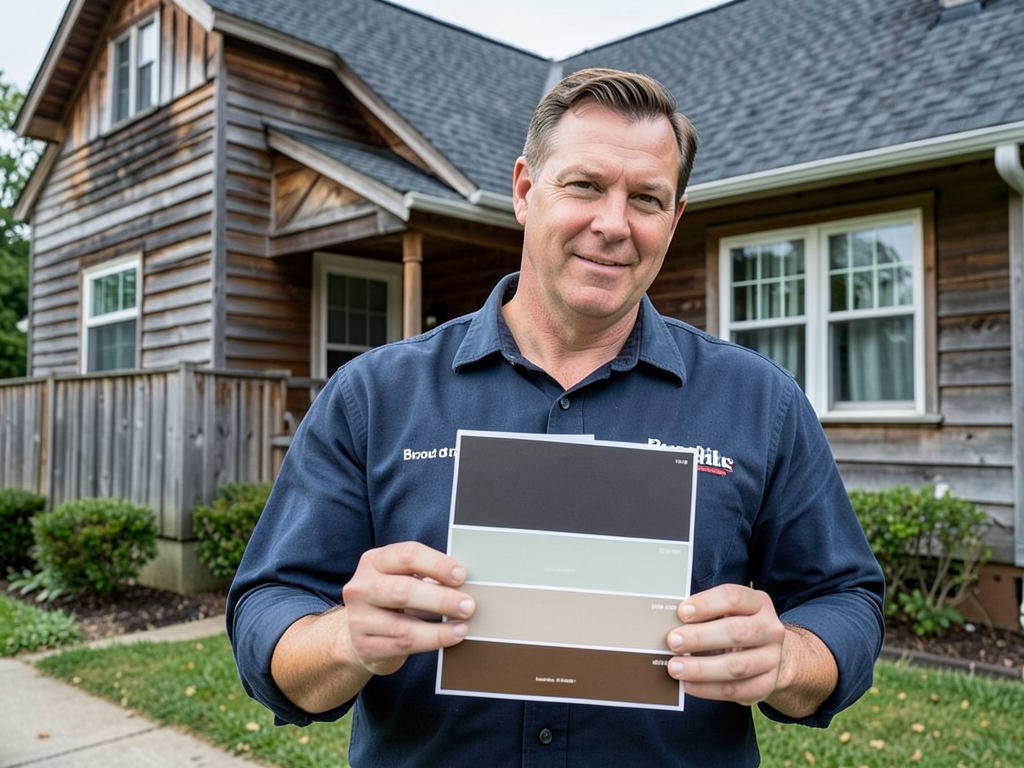
Choosing a shingle color that matches the vibe of your Broad Ripple cottage
Selecting the right shingle color for your Broad Ripple cottage is about more than just curb appeal. In this historic Indianapolis neighborhood with its tree-lined streets and craftsman bungalows, your roof color needs to complement the home’s architectural character while standing up to Indiana’s unique climate challenges. The humid summers, freeze-thaw winters, and occasional severe storms mean your color choice affects not just aesthetics but long-term durability and energy efficiency. The best asphalt shingle brands for Greenwood homes (and why they matter).
Understanding Broad Ripple’s architectural character
Broad Ripple’s charm comes from its collection of early 20th-century craftsman and bungalow homes, many built between 1900 and 1940. These homes feature wide front porches, tapered columns, and natural wood elements that create a warm, inviting aesthetic. The neighborhood’s mature trees and proximity to the White River also create a specific visual context where roof colors need to harmonize with both the built environment and natural surroundings.
When evaluating your cottage’s existing features, consider your siding color, brick accents, and landscaping. Many Broad Ripple homes feature earthy tones like sage green, warm beige, or classic white siding. Your roof should either complement these colors or provide intentional contrast without clashing. The goal is creating visual harmony that enhances your home’s historic character while meeting modern performance standards. Should you choose cedar shake or asphalt for your Meridian-Kessler home?.
How Indianapolis weather affects shingle color longevity
Indiana’s climate creates specific challenges for roof color selection. Our high humidity summers (averaging 75% relative humidity) accelerate algae growth, particularly on north-facing slopes where moisture lingers. This Gloeocapsa magma algae creates those black streaks that plague many roofs, especially darker colors that absorb more heat and stay damp longer.
Temperature fluctuations also matter. Indianapolis experiences 30-40 freeze-thaw cycles annually, causing thermal expansion in darker shingles. This expansion-contraction stress can lead to curling and cracking over time. Lighter colors reflect more UV radiation, reducing heat absorption by up to 20% compared to dark charcoal or black shingles. This temperature difference directly impacts your cooling costs during July and August when Indianapolis temperatures regularly exceed 90°F.
Marion County building codes require Class A fire-rated materials for all residential structures, but they don’t restrict color choices. However, the Indiana Residential Code (based on IRC 2021) does mandate specific ice barrier requirements for eaves in our climate zone, which affects how certain colors perform in winter conditions. 2021 International Residential Code.
Popular shingle colors that work in Broad Ripple
Based on recent installations throughout the Indianapolis metro area, certain colors have emerged as favorites for craftsman-style homes. Driftwood and weathered wood tones have become increasingly popular because they complement the natural wood elements common in Broad Ripple architecture. These medium-toned grays and browns hide minor algae staining better than pure grays while maintaining a classic appearance.
Charcoal and black shingles offer dramatic contrast against white or light-colored siding but show algae streaks more prominently. If you choose dark colors, look for algae-resistant options with copper granules that inhibit growth. Many Indianapolis homeowners now opt for these premium features despite the 15-20% cost increase because they reduce maintenance needs.
Earth tones like brown, tan, and clay work exceptionally well with the brick accents found on many Broad Ripple cottages. These colors blend with the neighborhood’s mature landscaping and create a cohesive streetscape. However, very light colors like white or light gray show dirt and debris more readily and may require more frequent cleaning.
Energy efficiency considerations for Central Indiana
Your shingle color choice directly impacts your home’s energy performance. In Indianapolis, where cooling season runs from May through September, reflective roofing can reduce attic temperatures by 20-30°F. This translates to 7-15% lower cooling costs during peak summer months. How to navigate a roofing insurance claim in Brownsburg without the headache.
The Solar Reflectance Index (SRI) measures a material’s ability to reject solar heat. Standard asphalt shingles have an SRI of 17-20, while cool roof options reach 25-30. For Broad Ripple cottages, this might mean choosing a light gray or tan over a dark brown, potentially saving $150-300 annually on cooling costs.
Indiana’s Energy Star program recommends lighter colors for homes with limited tree coverage or those facing west/south. However, Broad Ripple’s mature tree canopy provides natural shading that reduces cooling loads, making darker colors more viable than in open suburban areas. The key is balancing energy efficiency with the neighborhood’s historic character.
Matching shingles to your cottage’s specific features
Craftsman bungalows in Broad Ripple often feature specific architectural elements that influence color selection. Exposed rafter tails, decorative brackets, and wide eaves create shadow lines that interact with roof color. Darker shingles can make these details appear more dramatic, while lighter colors emphasize the home’s horizontal lines.
Consider your front door and porch elements. Many Broad Ripple cottages feature colorful front doors in red, blue, or green. Your roof color should complement rather than compete with these focal points. A warm brown roof works well with a red door, while a cool gray complements blue or green accents.
The Monon Trail’s proximity to many Broad Ripple homes means your roof is visible from a popular walking and biking path. Choosing a color that looks good from both street level and elevated viewpoints ensures your home contributes positively to the neighborhood’s visual character.
Top shingle brands for Indianapolis homes
Three manufacturers dominate the Indianapolis roofing market: Owens Corning, GAF, and CertainTeed. Each offers colors specifically engineered for Midwest conditions. Owens Corning’s Duration series features their patented SureNail technology and algae-resistant options. Their TruDefinition color platform provides richer, more consistent tones that resist fading in Indiana’s UV exposure.
GAF’s Timberline HDZ line has become popular in Broad Ripple for its wider nailing area and enhanced wind resistance (up to 130 mph). Their StainGuard Plus technology actively prevents algae growth, crucial for our humid climate. The color selection includes several weathered wood and driftwood options that match craftsman aesthetics.
CertainTeed’s Landmark series offers a 50-year warranty and superior impact resistance, important for hail-prone Indiana. Their color palette includes authentic wood-shake looks that complement historic homes. The main difference between brands comes down to local availability, warranty terms, and specific color options rather than fundamental quality differences.
Installation considerations for historic Broad Ripple homes
Many Broad Ripple cottages have unique structural characteristics that affect installation. Older homes often have narrower roof decks (24-inch vs modern 48-inch spacing) requiring specific underlayment techniques. The Indiana Residential Code allows for these variations but requires proper evaluation before installation.
Ventilation is critical in our climate. The code requires 1 square foot of net free ventilation area per 300 square feet of attic space. Poor ventilation leads to moisture buildup, ice dams in winter, and premature shingle failure. This is especially important for craftsman homes with complex rooflines and multiple valleys where airflow can be restricted.
Ice dam prevention is crucial for Broad Ripple homes. Marion County requires ice and water shield extending at least 24 inches past the exterior wall on all eaves. This protects against the freeze-thaw cycles that create ice dams, which can force water under shingles and cause interior damage. The shield’s rubberized asphalt backing provides superior protection compared to traditional felt paper.
Cost factors and investment considerations
Shingle color choice affects overall project cost in several ways. Premium colors and algae-resistant options add $500-1,500 to a typical Broad Ripple cottage roof. However, choosing the wrong color can cost more in the long run through increased energy bills or premature replacement.
Architectural shingles cost 20-40% more than 3-tab options but offer better wind resistance (130 mph vs 60 mph) and longer warranties (50 years vs 25 years). For historic homes, the enhanced aesthetics and durability often justify the higher upfront cost. The key is viewing your roof as a 20-30 year investment rather than just a maintenance expense.
Installation timing affects pricing. Late winter and early spring often offer the best rates as contractors have more availability. However, waiting until you have visible damage can lead to emergency pricing and limited color availability. Most Broad Ripple homeowners schedule replacements during April-June or September-October when weather conditions are optimal. Getting emergency roof repairs in Broad Ripple before the next big rain.
Maintenance requirements by color
Different shingle colors require varying maintenance levels in Indianapolis’s climate. Dark colors show dust and pollen more readily but hide algae staining better. Light colors stay cooler but show black streaks prominently. Medium tones like driftwood or weathered wood offer the best compromise for our climate.
Annual inspections are recommended regardless of color. Look for curling edges, missing granules, and algae growth. In Broad Ripple’s mature tree canopy, debris accumulation is common and can trap moisture against the roof surface. Soft washing (low-pressure cleaning) removes algae without damaging shingles and costs $300-500 for an average cottage.
Zinc or copper strips installed near the roof peak can prevent algae growth naturally. As rain washes over these metals, it creates an environment hostile to algae. This preventative measure costs $200-400 but can extend your roof’s clean appearance by 5-7 years in our humid climate.
Visual inspiration from local Broad Ripple homes
Walking through Broad Ripple’s side streets reveals successful color combinations. Many homeowners on the streets near the Monon Trail have chosen weathered wood shingles that complement both their cottage architecture and the neighborhood’s natural setting. These medium tones work particularly well with the area’s mature landscaping.
Along the White River, where homes often feature larger porches and more dramatic rooflines, darker colors like charcoal create striking contrast against lighter siding. However, these homes typically have better tree coverage, reducing algae concerns. The key is observing what works in your specific microclimate within the neighborhood.
Local architectural salvage yards and home improvement stores in Indianapolis offer displays where you can see color samples in person. The lighting in Broad Ripple differs from other neighborhoods due to tree coverage and the White River’s proximity, so viewing samples on-site is crucial before making your final decision.
Making your final decision
Start by gathering physical samples from multiple manufacturers. View them at different times of day as Indiana’s intense midday sun differs from the softer morning and evening light. Consider how colors look wet versus dry, as our frequent summer thunderstorms mean your roof spends significant time in damp conditions. What to do when a hail storm hits your Fishers neighborhood.
Consult with a local roofing contractor who understands Broad Ripple’s specific challenges. They can provide insights about which colors perform best in your immediate area, considering factors like tree coverage, sun exposure, and local weather patterns. A contractor familiar with Marion County codes will also ensure your choice meets all requirements.
Remember that your roof represents 30-40% of your home’s visible exterior. In a historic neighborhood like Broad Ripple, where architectural character matters, choosing the right color enhances not just your property but the entire community’s aesthetic appeal. Take time to make an informed decision that balances personal preference with practical considerations.
Frequently Asked Questions
What shingle color lasts longest in Indianapolis weather?
Medium-toned colors with algae-resistant technology typically last longest. Colors like weathered wood or driftwood hide staining better than pure grays while reflecting enough heat to prevent excessive thermal stress. The key is choosing quality materials with proper installation rather than focusing solely on color.
Are dark shingles hotter in summer?
Yes, dark shingles can be 20-30°F hotter than light colors in direct sun. In Indianapolis summers, this heat transfer can increase attic temperatures by 15-25°F, raising cooling costs. However, Broad Ripple’s tree canopy often provides enough shading to minimize this effect.
Can I change my shingle color during replacement?
Absolutely. Roof replacement is the perfect time to change colors. The existing shingles are removed anyway, so switching colors adds no additional labor cost. Just ensure your choice complements your home’s current siding and trim colors.
How do I know if a color will look good on my house?
Request physical samples and view them on your roof from different angles and at different times of day. Many contractors offer digital visualization tools, but physical samples provide the most accurate representation. Consider your home’s architectural style and the neighborhood’s overall character.
Does shingle color affect home value?
Yes, roof color impacts curb appeal and can affect resale value. In Broad Ripple’s historic district, colors that complement the architectural style typically provide the best return on investment. Neutral, timeless colors generally appeal to the broadest range of buyers.
Ready to choose your perfect shingle color?
Selecting the right shingle color for your Broad Ripple cottage involves balancing aesthetics, climate performance, and long-term value. With Indianapolis’s unique weather patterns and Broad Ripple’s distinctive architectural character, this decision deserves careful consideration and expert guidance.
Call (317) 703-7557 today to schedule your free color consultation and estimate. Our team understands the specific challenges of roofing in Central Indiana and can help you choose a color that enhances your home’s beauty while providing lasting protection. Don’t wait until storm season hits – let’s get started on your perfect roof today.
Pick up the phone and call (317) 703-7557 before the next storm hits. Your Broad Ripple cottage deserves a roof that’s as beautiful as it is durable. For more information, visit EPA Heat Island Resources.
You may also find this helpful. Modernizing a mid-century roof in Eagledale without losing its character.
{
“@context”: “https://schema.org”,
“@type”: “BlogPosting”,
“headline”: “Choosing a shingle color that matches the vibe of your Broad Ripple cottage”,
“description”: “Find the perfect shingle color for your Broad Ripple cottage. Learn how local climate, architecture, and style impact your choice. Get expert advice from Elite Roofing Indianapolis.”,
“wordCount”: 2225,
“datePublished”: “2026-03-09T16:25:00.000Z”,
“dateModified”: “2026-03-09T16:25:00.000Z”,
“inLanguage”: “en-US”,
“mainEntityOfPage”: {
“@type”: “WebPage”,
“@id”: “https://eliteroofingindianapolis.com”
},
“publisher”: {
“@type”: “LocalBusiness”,
“name”: “Elite Roofing Indianapolis”,
“url”: “https://eliteroofingindianapolis.com”
},
“author”: {
“@type”: “Organization”,
“name”: “Elite Roofing Indianapolis”,
“url”: “https://eliteroofingindianapolis.com”
},
“image”: {
“@type”: “ImageObject”,
“url”: “https://eliteroofingindianapolis.com/wp-content/uploads/2026/03/choosing-a-shingle-color-that-matches-the-vibe-of-1.png”
}
}
{
“@context”: “https://schema.org”,
“@type”: “RoofingContractor”,
“name”: “Elite Roofing Indianapolis”,
“url”: “https://eliteroofingindianapolis.com”,
“address”: {
“@type”: “PostalAddress”,
“addressLocality”: “Indianapolis”
},
“areaServed”: {
“@type”: “City”,
“name”: “Indianapolis”
}
}
{
“@context”: “https://schema.org”,
“@type”: “FAQPage”,
“mainEntity”: [
{
“@type”: “Question”,
“name”: “What shingle color lasts longest in Indianapolis weather?”,
“acceptedAnswer”: {
“@type”: “Answer”,
“text”: “Medium-toned colors with algae-resistant technology typically last longest. Colors like weathered wood or driftwood hide staining better than pure grays while reflecting enough heat to prevent excessive thermal stress. The key is choosing quality materials with proper installation rather than focusing solely on color.”
}
},
{
“@type”: “Question”,
“name”: “Are dark shingles hotter in summer?”,
“acceptedAnswer”: {
“@type”: “Answer”,
“text”: “Yes, dark shingles can be 20-30°F hotter than light colors in direct sun. In Indianapolis summers, this heat transfer can increase attic temperatures by 15-25°F, raising cooling costs. However, Broad Ripple’s tree canopy often provides enough shading to minimize this effect.”
}
},
{
“@type”: “Question”,
“name”: “Can I change my shingle color during replacement?”,
“acceptedAnswer”: {
“@type”: “Answer”,
“text”: “Absolutely. Roof replacement is the perfect time to change colors. The existing shingles are removed anyway, so switching colors adds no additional labor cost. Just ensure your choice complements your home’s current siding and trim colors.”
}
},
{
“@type”: “Question”,
“name”: “How do I know if a color will look good on my house?”,
“acceptedAnswer”: {
“@type”: “Answer”,
“text”: “Request physical samples and view them on your roof from different angles and at different times of day. Many contractors offer digital visualization tools, but physical samples provide the most accurate representation. Consider your home’s architectural style and the neighborhood’s overall character.”
}
},
{
“@type”: “Question”,
“name”: “Does shingle color affect home value?”,
“acceptedAnswer”: {
“@type”: “Answer”,
“text”: “Yes, roof color impacts curb appeal and can affect resale value. In Broad Ripple’s historic district, colors that complement the architectural style typically provide the best return on investment. Neutral, timeless colors generally appeal to the broadest range of buyers.”
}
},
{
“@type”: “Question”,
“name”: “Ready to choose your perfect shingle color?”,
“acceptedAnswer”: {
“@type”: “Answer”,
“text”: “Selecting the right shingle color for your Broad Ripple cottage involves balancing aesthetics, climate performance, and long-term value. With Indianapolis’s unique weather patterns and Broad Ripple’s distinctive architectural character, this decision deserves careful consideration and expert guidance.”
}
}
]
}
{
“@context”: “https://schema.org”,
“@type”: “BreadcrumbList”,
“itemListElement”: [
{
“@type”: “ListItem”,
“position”: 1,
“name”: “Home”,
“item”: “https://eliteroofingindianapolis.com”
},
{
“@type”: “ListItem”,
“position”: 2,
“name”: “Blog”,
“item”: “https://eliteroofingindianapolis.com/blog”
},
{
“@type”: “ListItem”,
“position”: 3,
“name”: “Choosing a shingle color that matches the vibe of your Broad Ripple cottage”
}
]
}
{
“@context”: “https://schema.org”,
“@type”: “Service”,
“serviceType”: “Roofing”,
“provider”: {
“@type”: “LocalBusiness”,
“name”: “Elite Roofing Indianapolis”,
“url”: “https://eliteroofingindianapolis.com”
},
“areaServed”: {
“@type”: “City”,
“name”: “Indianapolis”
},
“description”: “Find the perfect shingle color for your Broad Ripple cottage. Learn how local climate, architecture, and style impact your choice. Get expert advice from Elite Roofing Indianapolis.”
}