
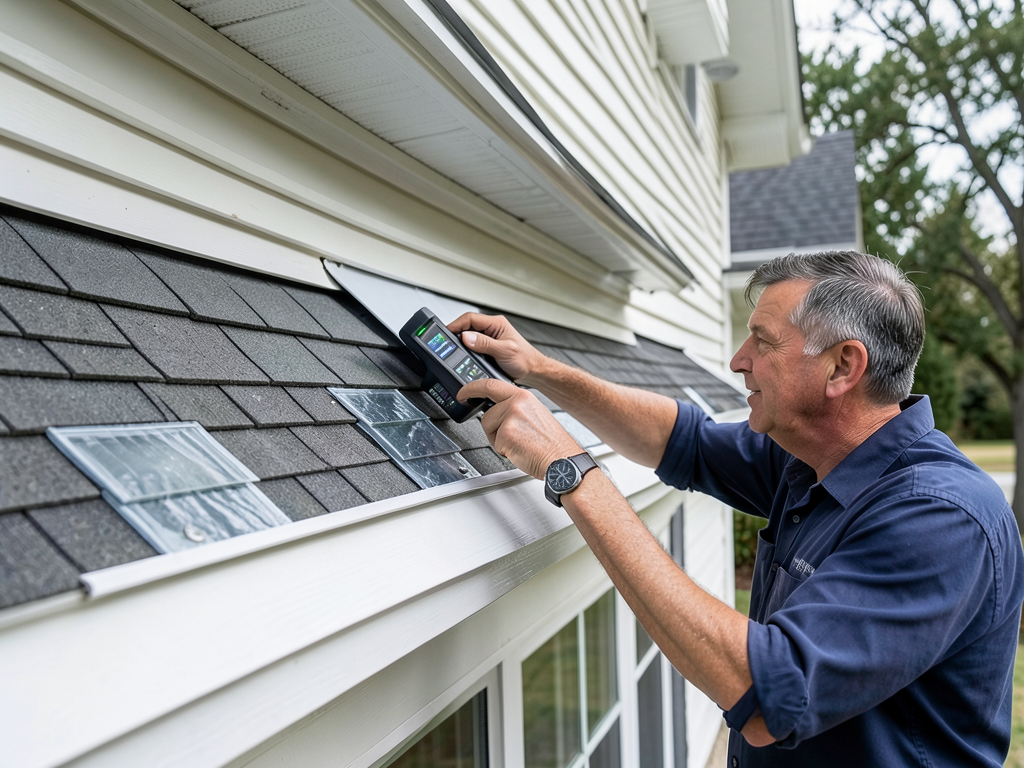
Ventilation secrets for ranch-style homes in Nora that keep cooling costs down
Ranch-style homes in Nora face unique cooling challenges. Their sprawling single-story footprint creates larger attic spaces that trap heat, driving up energy bills during Indiana’s humid summers. Proper ventilation can cut cooling costs by up to 30% while extending your roof’s lifespan by preventing moisture damage and ice dam formation.. Read more about Why your attic insulation is actually killing your Lawrence roof from the inside out.
The solution isn’t complicated, but it requires understanding how heat moves through your attic and what systems work best for your specific home layout. This guide breaks down the ventilation strategies that actually work in Nora’s climate, with real-world examples from nearby homes on College Avenue and College Park where similar ranch designs create the same cooling challenges.. Read more about A guide to upgrading your soffit and fascia during a Glendale home remodel.
Why Nora ranch homes struggle with cooling costs
Nora’s ranch homes typically feature wide, low-pitched roofs with expansive attic spaces. This design creates a perfect storm for heat retention. During summer months, temperatures in poorly ventilated attics can reach 150°F, radiating heat downward through insulation and forcing your AC to work overtime.. Read more about Is that a roof leak or just attic condensation? (A guide for Plainfield homeowners).
The problem compounds because many Nora homes were built before modern ventilation codes were enforced. Original construction often included minimal soffit vents or blocked airflow paths, creating stagnant air pockets that trap heat and moisture.
Indiana’s climate makes this worse. Our hot, humid summers mean that heat doesn’t just build up from sunlight—it also comes from outside air that’s already warm and holds more moisture. This moisture can condense on cool attic surfaces at night, leading to mold growth and wood rot.. Read more about Why high humidity makes your Greenwood attic feel like a sauna (and how it rots your roof deck).
The good news? Strategic ventilation upgrades can reduce your cooling load by 20-30%, according to studies from the Department of Energy. For a typical Nora home, that translates to $40-60 monthly savings during peak cooling season. Department of Energy attic ventilation guide.
Understanding the ventilation system basics
Effective attic ventilation works on a simple principle: hot air rises and needs somewhere to escape. A balanced system requires both intake vents (usually at the soffits) and exhaust vents (at or near the ridge).. Read more about How a simple drip edge protects your New Palestine home from fascia and soffit rot.
Think of your attic like a chimney. Cool air enters through soffit vents, pushes out hot air through ridge vents, and creates continuous airflow. Without both components, the system fails. Many Nora homes only have exhaust vents, which actually pulls hot air in through the soffits instead of pushing it out.
The building code requires a minimum 1:300 ratio of net free ventilation area to attic floor area. That means for every 300 square feet of attic space, you need 1 square foot of net free vent area. Most older Nora homes fall far short of this requirement.
Beyond temperature control, proper ventilation prevents moisture accumulation that leads to ice dams in winter. When snow melts on a warm roof deck and refreezes at the eaves, it creates damaging ice dams that force water under shingles. The best asphalt shingle brands for Greenwood homes (and why they matter).
Types of ventilation systems for ranch homes
Ridge vents offer the most effective exhaust solution for ranch homes. Installed along the peak of your roof, they provide continuous ventilation across the entire ridge. Unlike box vents or turbines, ridge vents don’t create hot spots and work passively without moving parts.
Soffit vents serve as the primary intake source. Continuous soffit vents along the eaves provide more airflow than individual vents spaced every few feet. Many Nora homes have blocked soffit vents from insulation pushed against the roof deck—a common installation error that cripples ventilation.
Gable vents can supplement the system but shouldn’t replace ridge and soffit vents. They work best in cross-ventilation setups where wind can flow directly through the attic space. Should you choose cedar shake or asphalt for your Meridian-Kessler home?.
For homes with complex rooflines or cathedral ceilings, powered attic fans might seem appealing. However, they often pull conditioned air from living spaces through ceiling leaks, actually increasing cooling costs. Passive systems typically outperform powered options in ranch homes.
Solar-powered vents offer a middle ground, providing exhaust without drawing from your home’s electrical system. They’re particularly effective for Nora’s ranch homes with good southern exposure.
Common ventilation problems in Nora homes
Many Nora ranch homes suffer from blocked soffit vents. During original construction or later insulation upgrades, contractors often push insulation over the soffit openings, creating an invisible barrier to airflow. This single mistake can reduce ventilation effectiveness by 70%.
Another frequent issue involves improper vent ratios. Some homes have adequate exhaust but insufficient intake, creating negative pressure that pulls hot air from outside rather than pushing it out. The result feels like a convection oven instead of a cooling system.
Attic bypasses represent a hidden problem. Gaps around light fixtures, plumbing stacks, and attic access doors allow conditioned air to escape into the attic. This not only wastes cooling energy but also introduces moisture that ventilation systems must then remove.
Roof design can also create ventilation dead zones. L-shaped ranch homes or those with multiple roof planes may have sections where airflow doesn’t reach, creating hot spots that undermine the entire system’s effectiveness.
Finally, many Nora homeowners install new roofing without addressing ventilation. This misses the opportunity to integrate ventilation improvements during the re-roofing process when access is easiest. How to navigate a roofing insurance claim in Brownsburg without the headache.
Step-by-step ventilation assessment for your Nora home
Start by examining your soffits from outside. Look for continuous vent strips or individual vent holes along the eaves. Count the number of intake vents and measure their dimensions to calculate total intake area.
Next, check your attic access. Pop your head into the attic during daylight hours and turn off the lights. If you see light coming through soffit vents, airflow is possible. If it’s dark, vents may be blocked or non-existent.
Feel the underside of your roof deck. If it’s uniformly cool, ventilation is likely working. If you find hot spots or condensation, you’ve identified problem areas that need attention.
Examine your exhaust vents from the ground. Count ridge vents, box vents, or turbines. Compare this to your attic’s square footage to see if you’re meeting the 1:300 ratio.
Look for signs of moisture damage: water stains on rafters, mold growth, or rusted nails. These indicate ventilation problems that have already caused damage.
Finally, consider a professional assessment. Thermal imaging can reveal heat patterns that indicate ventilation failures invisible to the naked eye.
Cost-effective ventilation upgrades for Nora ranch homes
Adding ridge vents during a re-roofing project typically costs $300-600 for an average Nora ranch home. This upgrade provides the most dramatic improvement in ventilation effectiveness. Roofing Beech Grove.
Unblocking soffit vents often requires removing insulation and installing proper baffles. This DIY-friendly project costs $100-200 in materials and can be completed in a weekend.
Installing continuous soffit vents where individual vents exist runs $200-400 in materials. The improvement in airflow often justifies the investment even without other upgrades.
For homes with severe ventilation problems, a complete system overhaul including ridge vents, soffit upgrades, and attic fan installation might cost $1,500-2,500. However, the energy savings typically pay for this investment within 3-5 years.
Solar-powered attic fans provide a good compromise for homes where passive ventilation isn’t sufficient. Units cost $300-500 installed and can reduce attic temperatures by 20-30°F.
Remember that ventilation upgrades often qualify for energy efficiency tax credits. Check current Indiana and federal programs for potential rebates that can offset costs.
Real results from Nora ventilation projects
A College Park homeowner replaced blocked soffit vents and added ridge ventilation to their 1970s ranch. Before the upgrade, their attic reached 145°F on summer afternoons. After installation, temperatures dropped to 105°F, and their cooling bills decreased by 22% in the first month.
On College Avenue, a similar ranch home had persistent ice dam problems every winter. Adding proper intake ventilation and ice and water shield underlayment eliminated the ice dams and reduced winter heating costs by 15%.. Read more about Is it worth adding a solar-ready roof to your new build in Perry Meridian?.
A Nora resident with a complex L-shaped ranch home installed solar-powered vents in the dead zones of their attic. The targeted approach reduced their peak cooling load by 18% without the need for a complete system overhaul.
These results align with Department of Energy findings that proper ventilation can reduce cooling energy consumption by 10-30% depending on the starting conditions and local climate.
Maintenance tips to keep your ventilation working
Inspect your soffit vents annually for blockages from leaves, nests, or insulation. A quick visual check can identify problems before they impact your cooling costs.
Clean ridge vents every few years to remove debris that can impede airflow. Use a soft brush and avoid harsh chemicals that might damage the vent materials.
Check attic insulation levels without blocking vents. Insulation should cover the attic floor but not extend into the soffit area where it would block intake airflow.
Monitor your energy bills seasonally. A sudden increase in cooling costs might indicate ventilation problems developing in your attic.
Consider a professional inspection every 3-5 years. Technicians can identify developing issues like moisture damage or vent deterioration before they cause major problems.
Remember that ventilation works as a system. If one component fails, the entire system’s effectiveness drops dramatically. Address problems comprehensively rather than piecemeal.
Frequently Asked Questions
How do I know if my ranch home has ventilation problems?
Common signs include hot upstairs rooms, ice dams in winter, mold in the attic, rusted nails on the roof deck, and unexpectedly high cooling bills. You can also check if light shows through your soffit vents during a daytime attic inspection.
Can I add ventilation without replacing my roof?
Yes, but it’s more challenging. Soffit vent upgrades and attic fan installations can be done without roof replacement. However, ridge vents typically require removing the existing ridge shingles, making them most cost-effective during a re-roofing project. The honest cost of a full roof replacement in Indianapolis for 2026.
How much can ventilation really save on cooling costs?
Most Nora homeowners see 15-30% reductions in cooling costs after proper ventilation upgrades. The exact savings depend on your home’s starting conditions, attic size, and local climate factors.
Should I use powered or passive ventilation?
For most ranch homes, passive ventilation through ridge and soffit vents provides the best balance of effectiveness and reliability. Powered options can help in specific situations but often create more problems than they solve if not properly designed.
How long does ventilation last before needing replacement?
Quality ridge vents and soffit systems typically last 20-30 years. However, they should be inspected annually and may need cleaning or minor repairs to maintain optimal performance.
Does ventilation help in winter too?
Absolutely. Proper ventilation prevents ice dams by keeping the roof deck cold, reduces moisture accumulation that can lead to mold, and helps maintain consistent temperatures that protect your roof structure year-round.
What building codes apply to ventilation in Nora?
Indianapolis follows the International Residential Code, which requires minimum 1:300 ventilation ratios and specific installation methods for ice and water shield in our climate zone. Local inspections verify compliance for new construction and major renovations. International Residential Code ventilation requirements.
Take control of your cooling costs today
Don’t let another summer drain your wallet through inefficient attic ventilation. The solutions are straightforward, the costs are reasonable, and the savings are real. Whether you need a simple soffit vent cleaning or a complete ventilation system upgrade, the right approach depends on your specific home’s needs.
Call (317) 703-7557 today to schedule your ventilation assessment. Our technicians will evaluate your current system, identify problems specific to your Nora ranch home, and recommend cost-effective solutions that deliver measurable energy savings. Stop overpaying for cooling and start enjoying a more comfortable, efficient home.
Pick up the phone and call (317) 703-7557 before the next heat wave hits. Your energy bills will thank you, and your home will be more comfortable year-round.
Conclusion
Proper attic ventilation transforms how your ranch home handles Indiana’s extreme temperatures. By understanding the principles and addressing common problems specific to Nora’s housing stock, you can significantly reduce cooling costs while protecting your roof investment. The combination of ridge vents, unobstructed soffit intake, and proper maintenance creates a system that works silently but effectively year after year.
The key is recognizing that ventilation isn’t just about temperature—it’s about moisture control, energy efficiency, and long-term home protection. With the right approach, your Nora ranch home can stay cooler in summer, drier in winter, and more affordable to operate all year long.
You may also find this helpful. Modernizing a mid-century roof in Eagledale without losing its character.
{
“@context”: “https://schema.org”,
“@type”: “BlogPosting”,
“headline”: “Ventilation secrets for ranch-style homes in Nora that keep cooling costs down”,
“description”: “Discover how proper attic ventilation in Nora’s ranch homes can cut cooling costs by up to 30%. Learn about ridge vents, soffit systems, and energy savings.”,
“wordCount”: 2075,
“datePublished”: “2026-03-21T08:21:00.000Z”,
“dateModified”: “2026-03-21T08:21:00.000Z”,
“inLanguage”: “en-US”,
“mainEntityOfPage”: {
“@type”: “WebPage”,
“@id”: “https://eliteroofingindianapolis.com”
},
“publisher”: {
“@type”: “LocalBusiness”,
“name”: “Elite Roofing Indianapolis”,
“url”: “https://eliteroofingindianapolis.com”
},
“author”: {
“@type”: “Organization”,
“name”: “Elite Roofing Indianapolis”,
“url”: “https://eliteroofingindianapolis.com”
},
“image”: {
“@type”: “ImageObject”,
“url”: “https://eliteroofingindianapolis.com/wp-content/uploads/2026/03/ventilation-secrets-for-ranch-style-homes-in-nora-1.png”
}
}
{
“@context”: “https://schema.org”,
“@type”: “RoofingContractor”,
“name”: “Elite Roofing Indianapolis”,
“url”: “https://eliteroofingindianapolis.com”,
“address”: {
“@type”: “PostalAddress”,
“addressLocality”: “Indianapolis”
},
“areaServed”: {
“@type”: “City”,
“name”: “Indianapolis”
}
}
{
“@context”: “https://schema.org”,
“@type”: “FAQPage”,
“mainEntity”: [
{
“@type”: “Question”,
“name”: “How do I know if my ranch home has ventilation problems?”,
“acceptedAnswer”: {
“@type”: “Answer”,
“text”: “Common signs include hot upstairs rooms, ice dams in winter, mold in the attic, rusted nails on the roof deck, and unexpectedly high cooling bills. You can also check if light shows through your soffit vents during a daytime attic inspection.”
}
},
{
“@type”: “Question”,
“name”: “Can I add ventilation without replacing my roof?”,
“acceptedAnswer”: {
“@type”: “Answer”,
“text”: “Yes, but it’s more challenging. Soffit vent upgrades and attic fan installations can be done without roof replacement. However, ridge vents typically require removing the existing ridge shingles, making them most cost-effective during a re-roofing project. The honest cost of a full roof replacement in Indianapolis for 2026.”
}
},
{
“@type”: “Question”,
“name”: “How much can ventilation really save on cooling costs?”,
“acceptedAnswer”: {
“@type”: “Answer”,
“text”: “Most Nora homeowners see 15-30% reductions in cooling costs after proper ventilation upgrades. The exact savings depend on your home’s starting conditions, attic size, and local climate factors.”
}
},
{
“@type”: “Question”,
“name”: “Should I use powered or passive ventilation?”,
“acceptedAnswer”: {
“@type”: “Answer”,
“text”: “For most ranch homes, passive ventilation through ridge and soffit vents provides the best balance of effectiveness and reliability. Powered options can help in specific situations but often create more problems than they solve if not properly designed.”
}
},
{
“@type”: “Question”,
“name”: “How long does ventilation last before needing replacement?”,
“acceptedAnswer”: {
“@type”: “Answer”,
“text”: “Quality ridge vents and soffit systems typically last 20-30 years. However, they should be inspected annually and may need cleaning or minor repairs to maintain optimal performance.”
}
},
{
“@type”: “Question”,
“name”: “Does ventilation help in winter too?”,
“acceptedAnswer”: {
“@type”: “Answer”,
“text”: “Absolutely. Proper ventilation prevents ice dams by keeping the roof deck cold, reduces moisture accumulation that can lead to mold, and helps maintain consistent temperatures that protect your roof structure year-round.”
}
},
{
“@type”: “Question”,
“name”: “What building codes apply to ventilation in Nora?”,
“acceptedAnswer”: {
“@type”: “Answer”,
“text”: “Indianapolis follows the International Residential Code, which requires minimum 1:300 ventilation ratios and specific installation methods for ice and water shield in our climate zone. Local inspections verify compliance for new construction and major renovations. International Residential Code ventilation requirements.”
}
}
]
}
{
“@context”: “https://schema.org”,
“@type”: “BreadcrumbList”,
“itemListElement”: [
{
“@type”: “ListItem”,
“position”: 1,
“name”: “Home”,
“item”: “https://eliteroofingindianapolis.com”
},
{
“@type”: “ListItem”,
“position”: 2,
“name”: “Blog”,
“item”: “https://eliteroofingindianapolis.com/blog”
},
{
“@type”: “ListItem”,
“position”: 3,
“name”: “Ventilation secrets for ranch-style homes in Nora that keep cooling costs down”
}
]
}
{
“@context”: “https://schema.org”,
“@type”: “Service”,
“serviceType”: “Roofing”,
“provider”: {
“@type”: “LocalBusiness”,
“name”: “Elite Roofing Indianapolis”,
“url”: “https://eliteroofingindianapolis.com”
},
“areaServed”: {
“@type”: “City”,
“name”: “Indianapolis”
},
“description”: “Discover how proper attic ventilation in Nora’s ranch homes can cut cooling costs by up to 30%. Learn about ridge vents, soffit systems, and energy savings.”
}