
Why your attic insulation is actually killing your Lawrence roof from the inside out
Your Lawrence home’s attic insulation should protect your roof, not destroy it. When insulation fails to work with your home’s ventilation system, it creates a perfect storm of moisture, heat, and ice that rots your roof deck from the inside out. This isn’t just about energy bills—it’s about preventing thousands in premature roof replacement costs. Should you choose cedar shake or asphalt for your Meridian-Kessler home?.
In Central Indiana’s climate zone, the relationship between your attic insulation and roof health is critical. Lawrence homes, particularly those built before 2000, often suffer from insulation systems that trap heat in winter and moisture in summer. This creates conditions where your shingles bake from below while ice dams form above, cutting your roof’s lifespan in half. The best asphalt shingle brands for Greenwood homes (and why they matter).
The good news? Most attic insulation problems are fixable with proper ventilation upgrades and insulation balancing. But first, you need to understand exactly how your Lawrence roof is being damaged from the inside.. Read more about Is that a roof leak or just attic condensation? (A guide for Plainfield homeowners).
The Hidden Link Between Your Attic and Your Roof’s Lifespan
Your attic operates as a complete thermal system. When insulation works correctly with proper ventilation, it maintains consistent temperatures that protect your roof structure. But when this system fails, the damage happens silently for years before you notice ceiling stains or curled shingles.
In Lawrence’s Zone 5 climate, Indiana building code requires R-49 to R-60 insulation in attics. Many older homes have compressed or insufficient insulation that allows heat to escape upward. This escaping heat melts snow on your roof, creating ice dams that back up under shingles. The trapped moisture then rots your roof deck and creates perfect conditions for mold growth.
Beyond ice dams, poor attic insulation causes your roof to experience extreme temperature swings. During summer, heat builds up in poorly ventilated attics, reaching 150°F or higher. This superheats your shingles from below, causing them to blister, crack, and lose their protective granules years before their expected lifespan.
3 Ways Improper Insulation Destroys Indianapolis Roofs
Ice Damming: How heat loss melts snow and rots your eaves
Ice dams form when warm air escapes through your ceiling into the attic, warming the roof deck above freezing. Snow on the upper roof melts and flows down to the colder eaves where it refreezes. This creates a dam that traps water, forcing it under shingles and into your home.
Lawrence homes near Fall Creek Trail often experience severe ice damming due to their proximity to water and older construction methods. The ice barrier requirements in Indiana Residential Code (R905.1.2) mandate specific protection in these vulnerable areas, but many homes lack proper installation.
Moisture Trapping: Why ‘over-insulating’ leads to mold and deck rot
Adding insulation without proper ventilation creates a moisture trap. Warm, moist air from your living space rises and gets trapped in the attic. Without adequate airflow through soffit and ridge vents, this moisture condenses on cold surfaces, soaking your roof deck and creating ideal conditions for black mold growth.
Many Lawrence homeowners make the mistake of piling on more insulation thinking it will solve their problems. Without baffles to maintain airflow channels between insulation and roof sheathing, you’re actually accelerating the damage. The trapped moisture causes plywood to delaminate and lose structural integrity.
Heat Cooking: How a baked attic destroys shingles from the inside out
Your attic can reach temperatures 30-50°F higher than outside air on sunny summer days. This heat radiates downward through your ceiling, forcing your air conditioner to work overtime. But the real damage happens upward—superheated air cooks your shingles from below, causing them to warp, blister, and lose their protective asphalt coating.
Lawrence homes with dark-colored roofs suffer the most from this effect. The combination of poor ventilation and dark shingles can reduce your roof’s lifespan by 40% or more. You might notice curling shingle edges or exposed fiberglass matting years before your neighbors with properly balanced attic systems.
Signs of Damage: What to Look for in Your Attic
Before your roof fails completely, your attic shows warning signs. Learning to spot these indicators can save you from emergency repairs during Indiana’s next severe storm season. EPA mold prevention resources.
Start with the R-value test. In Indiana’s Zone 5, your attic should have R-49 to R-60 insulation. If you can see the tops of your ceiling joists through the insulation, you’re likely below code requirements. Use a ruler to measure insulation depth—fiberglass batts should be 16-20 inches deep for proper R-value.
Check your roof deck for dark stains or water marks. These indicate past moisture problems that have already damaged your sheathing. Pay special attention to areas near vents, chimneys, and where roof planes meet—these are common failure points.
Look for rusty nails or fasteners protruding through your roof deck. This rust means moisture has been present long enough to corrode metal components. In severe cases, you might feel soft spots when walking carefully through your attic—this indicates rotted plywood that can no longer support your roof’s weight.
Examine your soffit vents for blockage. Many Lawrence homes have insulation stuffed into soffit areas, blocking the very airflow needed to protect your roof. Proper ventilation requires clear channels from soffit to ridge vent to create continuous airflow.
The Solution: Balancing Ventilation and Insulation
Fixing attic insulation problems requires a system approach, not just adding more insulation. The goal is creating balanced airflow that maintains consistent attic temperatures year-round.
Start with proper ventilation ratios. Building code requires 1 square foot of net free ventilation area for every 150 square feet of attic floor space. This ventilation should be split 50/50 between intake (soffit) and exhaust (ridge or gable) vents to create effective airflow.
Install baffles or rafter vents along the eaves before adding insulation. These plastic or foam channels maintain a clear path for air to flow from soffit vents up under the roof deck. Without baffles, insulation blocks this critical airflow, trapping moisture and heat.
Consider adding a radiant barrier in homes with severe heat problems. These reflective sheets installed under roof decking can reduce attic temperatures by 20-30°F in summer. This is particularly effective for Lawrence homes with south-facing roofs that receive intense afternoon sun.
Upgrade to high-density insulation materials that resist settling and maintain their R-value over time. Cellulose insulation, while environmentally friendly, can settle significantly, reducing its effectiveness. Fiberglass batts or blown-in fiberglass maintain their thickness better but require proper installation to avoid gaps.
Professional Attic & Roof Audit
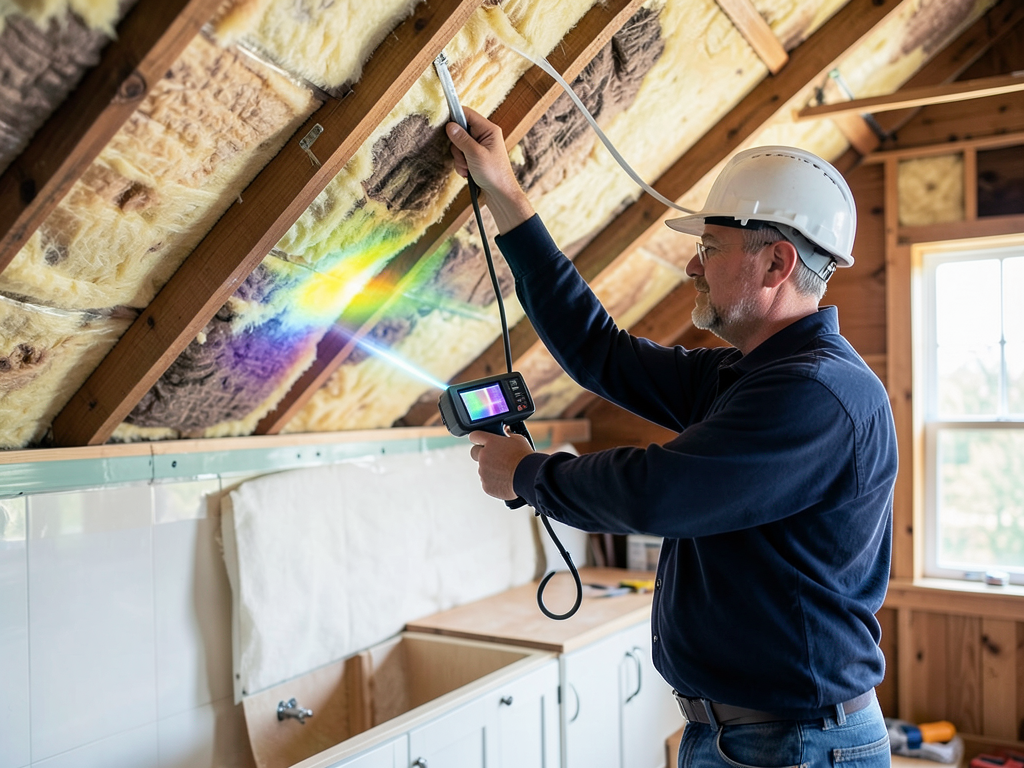
While some attic inspections are DIY-friendly, professional audits reveal problems you might miss. A thorough inspection includes thermal imaging to detect heat loss patterns, moisture meter readings to identify water damage, and airflow testing to verify ventilation effectiveness.
During an audit, technicians measure actual R-values, check for proper vapor barrier installation, and assess your current ventilation system’s effectiveness. They’ll identify specific problem areas unique to your Lawrence home’s construction and recommend targeted solutions rather than blanket recommendations.
The audit process typically takes 1-2 hours and provides you with a detailed report showing exactly where your attic system is failing. This data-driven approach helps you prioritize repairs based on actual problems rather than assumptions.
Many Lawrence homeowners qualify for utility rebates through Duke Energy or AES Indiana weatherization programs. These programs often cover 50% or more of insulation upgrades, making professional improvements surprisingly affordable.
Frequently Asked Questions
How do I know if my attic insulation is causing roof damage?
Look for ice dams in winter, excessive heat in your upstairs rooms during summer, high energy bills, and signs of moisture in your attic like dark stains or rusty nails. If your roof is less than 15 years old but showing significant wear, insulation problems are likely the cause.
Can I just add more insulation to fix the problem?
Simply adding insulation without addressing ventilation often makes problems worse. You need balanced airflow to prevent moisture buildup. The right solution usually involves adding baffles for proper airflow, then installing the correct amount of insulation for your home’s specific needs.. Read more about Why high humidity makes your Greenwood attic feel like a sauna (and how it rots your roof deck).
How much does it cost to fix attic insulation problems?
Costs vary widely based on your home’s size and current conditions. Basic baffle installation and insulation upgrades typically range from $2,000 to $5,000. Complete attic system overhauls with new ventilation can cost $5,000 to $10,000 but often pay for themselves through energy savings within 3-5 years.
Will my homeowner’s insurance cover damage from poor insulation?
Most insurance policies consider poor insulation a maintenance issue rather than a sudden event, so coverage is unlikely. However, if insulation problems led to specific damage from a covered event like a severe storm, some related repairs might be covered. Always check with your insurance provider. Preventative Roof Maintenance Plans.
How long does it take to see results after fixing attic insulation?
You’ll notice improved comfort within days as your HVAC system doesn’t have to work as hard. Energy bill reductions typically appear within the first billing cycle. Roof protection benefits accumulate over seasons as your attic maintains more consistent temperatures year-round.
Don’t wait until your roof fails completely. Lawrence’s climate puts unique stress on attic systems, and the damage happens silently for years before becoming visible. A professional inspection can identify problems early when they’re still affordable to fix.
Call (317) 703-7557 today to schedule your comprehensive attic and roof inspection. Our team serves Lawrence and all surrounding Indianapolis communities with expert diagnostics and proven solutions that protect your home for decades to come.
Pick up the phone and call (317) 703-7557 before the next storm hits. Lawrence’s weather patterns make attic insulation problems worse each season, and waiting only increases the cost of repairs. Our inspections are thorough, our recommendations are honest, and our solutions work with your home’s specific construction. The honest cost of a full roof replacement in Indianapolis for 2026.
Don’t let another winter of ice dams or summer of heat damage destroy your roof from the inside out. Contact us now at (317) 703-7557 and take the first step toward protecting your Lawrence home’s most important investment. For more information, visit Department of Energy insulation guide.
You may also find this helpful. What to do when a raccoon or squirrel decides your Meridian-Kessler roof is its new home.
You may also find this helpful. Seeing sand in your gutters? Here is why Carmel homeowners should worry about shingle granule loss.
You may also find this helpful. How to tell if your Broad Ripple skylight is actually leaking or just sweating in the cold.
{
“@context”: “https://schema.org”,
“@type”: “BlogPosting”,
“headline”: “Why your attic insulation is actually killing your Lawrence roof from the inside out”,
“description”: “Discover how poor attic insulation causes roof damage in Lawrence, Indiana. Learn the signs, solutions, and when to call a professional for an inspection.”,
“wordCount”: 1699,
“datePublished”: “2026-03-27T15:32:00.000Z”,
“dateModified”: “2026-03-27T15:32:00.000Z”,
“inLanguage”: “en-US”,
“mainEntityOfPage”: {
“@type”: “WebPage”,
“@id”: “https://eliteroofingindianapolis.com”
},
“publisher”: {
“@type”: “LocalBusiness”,
“name”: “Elite Roofing Indianapolis”,
“url”: “https://eliteroofingindianapolis.com”
},
“author”: {
“@type”: “Organization”,
“name”: “Elite Roofing Indianapolis”,
“url”: “https://eliteroofingindianapolis.com”
},
“image”: {
“@type”: “ImageObject”,
“url”: “https://eliteroofingindianapolis.com/wp-content/uploads/2026/03/why-your-attic-insulation-is-actually-killing-your-1.png”
}
}
{
“@context”: “https://schema.org”,
“@type”: “RoofingContractor”,
“name”: “Elite Roofing Indianapolis”,
“url”: “https://eliteroofingindianapolis.com”,
“address”: {
“@type”: “PostalAddress”,
“addressLocality”: “Indianapolis”
},
“areaServed”: {
“@type”: “City”,
“name”: “Indianapolis”
}
}
{
“@context”: “https://schema.org”,
“@type”: “FAQPage”,
“mainEntity”: [
{
“@type”: “Question”,
“name”: “How do I know if my attic insulation is causing roof damage?”,
“acceptedAnswer”: {
“@type”: “Answer”,
“text”: “Look for ice dams in winter, excessive heat in your upstairs rooms during summer, high energy bills, and signs of moisture in your attic like dark stains or rusty nails. If your roof is less than 15 years old but showing significant wear, insulation problems are likely the cause.”
}
},
{
“@type”: “Question”,
“name”: “Can I just add more insulation to fix the problem?”,
“acceptedAnswer”: {
“@type”: “Answer”,
“text”: “Simply adding insulation without addressing ventilation often makes problems worse. You need balanced airflow to prevent moisture buildup. The right solution usually involves adding baffles for proper airflow, then installing the correct amount of insulation for your home’s specific needs.”
}
},
{
“@type”: “Question”,
“name”: “How much does it cost to fix attic insulation problems?”,
“acceptedAnswer”: {
“@type”: “Answer”,
“text”: “Costs vary widely based on your home’s size and current conditions. Basic baffle installation and insulation upgrades typically range from $2,000 to $5,000. Complete attic system overhauls with new ventilation can cost $5,000 to $10,000 but often pay for themselves through energy savings within 3-5 years.”
}
},
{
“@type”: “Question”,
“name”: “Will my homeowner’s insurance cover damage from poor insulation?”,
“acceptedAnswer”: {
“@type”: “Answer”,
“text”: “Most insurance policies consider poor insulation a maintenance issue rather than a sudden event, so coverage is unlikely. However, if insulation problems led to specific damage from a covered event like a severe storm, some related repairs might be covered. Always check with your insurance provider. Preventative Roof Maintenance Plans.”
}
},
{
“@type”: “Question”,
“name”: “How long does it take to see results after fixing attic insulation?”,
“acceptedAnswer”: {
“@type”: “Answer”,
“text”: “You’ll notice improved comfort within days as your HVAC system doesn’t have to work as hard. Energy bill reductions typically appear within the first billing cycle. Roof protection benefits accumulate over seasons as your attic maintains more consistent temperatures year-round.”
}
}
]
}
{
“@context”: “https://schema.org”,
“@type”: “BreadcrumbList”,
“itemListElement”: [
{
“@type”: “ListItem”,
“position”: 1,
“name”: “Home”,
“item”: “https://eliteroofingindianapolis.com”
},
{
“@type”: “ListItem”,
“position”: 2,
“name”: “Blog”,
“item”: “https://eliteroofingindianapolis.com/blog”
},
{
“@type”: “ListItem”,
“position”: 3,
“name”: “Why your attic insulation is actually killing your Lawrence roof from the inside out”
}
]
}
{
“@context”: “https://schema.org”,
“@type”: “Service”,
“serviceType”: “Roofing”,
“provider”: {
“@type”: “LocalBusiness”,
“name”: “Elite Roofing Indianapolis”,
“url”: “https://eliteroofingindianapolis.com”
},
“areaServed”: {
“@type”: “City”,
“name”: “Indianapolis”
},
“description”: “Discover how poor attic insulation causes roof damage in Lawrence, Indiana. Learn the signs, solutions, and when to call a professional for an inspection.”
}