
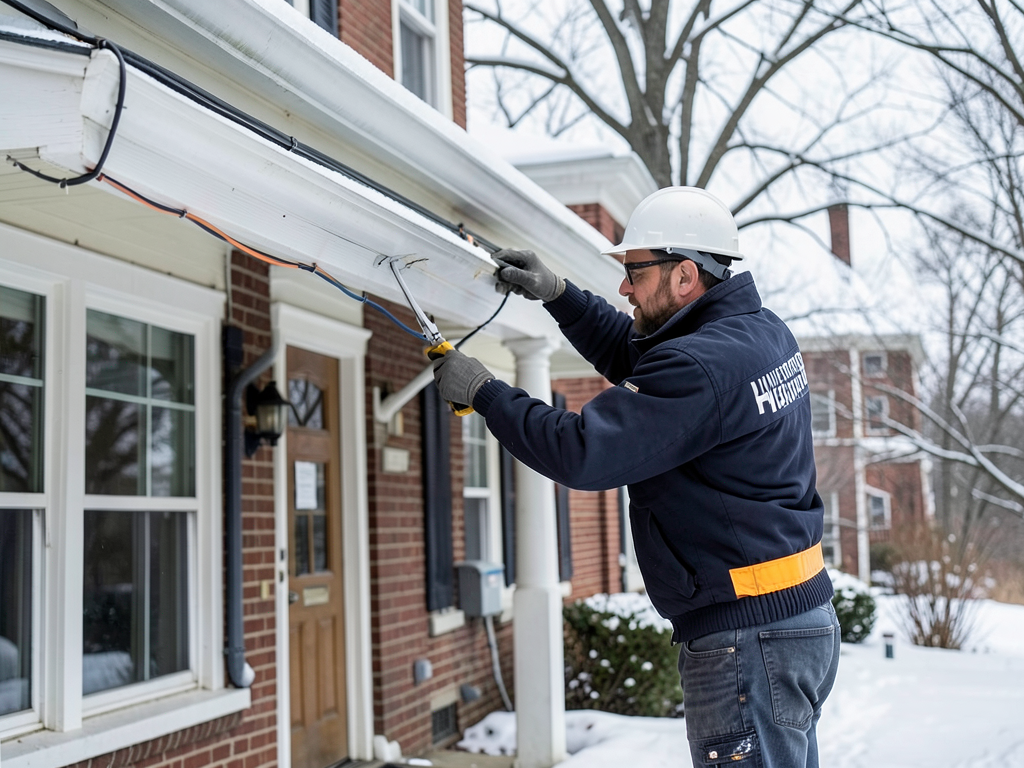
Using heat cables to prevent ice dams on older homes in University Heights
Ice dams form when snow melts on a warm roof, then refreezes at the colder eaves, creating a wall of ice that traps water. In University Heights, where mid-century bungalows and historic cottages sit near the University of Indianapolis, poor attic insulation and ventilation turn winter storms into costly roof leaks. Heat cables, when installed correctly, melt channels through the ice to let water drain safely. But cables are only a band-aid if the root cause—heat loss from the attic—isn’t fixed. This guide covers the science, permanent fixes, and safe installation practices for University Heights homeowners.
Why University Heights homes are prone to ice dams
Many homes in this neighborhood were built between the 1920s and 1960s with minimal attic insulation by today’s standards. Narrow roof pitches, shallow soffits, and original single-pane windows allow warm interior air to rise into the attic. When outdoor temperatures drop below 20°F, that trapped heat melts rooftop snow, which then refreezes at the eaves. The freeze-thaw cycle repeats until water backs up under shingles and drips into walls and ceilings. University Heights’ older housing stock, combined with Indianapolis’ average annual snowfall of 22 inches, makes it a high-risk zone for ice dam formation.. Read more about Why your Augusta home needs more than just a standard gutter cleaning this fall.
The science of ice dams: insulation vs. ventilation
Ice dams are a symptom of heat transfer from your living space into the attic. The fix starts with stopping that transfer. Indiana’s climate zone 4 requires attic insulation levels of R-49 to R-60. Many University Heights homes have only R-19 or less. Adding blown-in cellulose or fiberglass batts to meet code can cut heat loss by up to 70%. Ventilation is the second half of the equation. Continuous soffit vents paired with ridge vents create a cold roof system that keeps the attic near outdoor temperature. Without both upgrades, even the best heat cables will struggle to keep ice at bay.
Permanent prevention strategies
Stopping ice dams permanently means addressing the three root causes: heat loss, poor ventilation, and inadequate roof protection. First, seal attic bypasses—gaps around recessed lights, plumbing vents, and chimney chases—with spray foam or fire-rated caulk. Second, upgrade attic insulation to R-49 or higher, focusing on even coverage with no gaps. Third, ensure balanced airflow by installing baffles to keep soffit vents clear and adding ridge or gable vents if needed. Finally, apply a self-adhering ice-and-water shield membrane along the eaves; this rubberized asphalt barrier prevents water infiltration even if ice forms above it.
Immediate solutions for this winter
If ice dams have already formed, heat cables can provide emergency relief. Use only commercial-grade, self-regulating cables designed for roof use; avoid cheap hardware-store models that can overheat. Install cables in a zigzag pattern along the eaves and in downspouts, keeping them 6 inches from shingles to prevent damage. Plug cables into a dedicated GFCI outlet and use a thermostat or timer to run them only when temperatures drop below 32°F. For a faster fix, a roof rake can pull snow off the lower 3-4 feet of the roof after each storm, reducing the snow load that fuels ice dam growth.
Local case study: Preventing ice dams on Hanna Avenue
Last winter, a 1950s bungalow on Hanna Avenue in University Heights suffered repeated ceiling leaks from ice dams. An inspection revealed just R-22 insulation and blocked soffit vents behind old insulation. We sealed all attic bypasses, added R-60 blown-in cellulose, and installed new continuous soffit and ridge vents. We then applied a 6-foot-wide ice-and-water shield along the eaves and ran commercial-grade heat cables in the critical trouble zones. When the next heavy snow hit, the attic stayed cold, the snow melted evenly, and no ice dams formed. The homeowner avoided thousands in potential drywall and insulation repairs. Repair vs. Replace Analysis.
Comparing heat cable types and costs
| Heat Cable Type | Cost per Foot (Installed) | Lifespan | Best For |
|---|---|---|---|
| Self-Regulating Commercial | $8 – $12 | 15-20 years | Long-term prevention |
| Constant-Wattage Basic | $4 – $6 | 5-7 years | Short-term emergency |
| Roof De-Icing Mats | $10 – $15 | 10-15 years | High-traffic areas |
Attic bypass identification: the screwdriver test
Finding hidden air leaks is critical to stopping ice dams. Our technicians use a simple but effective diagnostic: the screwdriver test. On a cold day, we run a screwdriver along the attic floor perimeter; if the handle feels warm, heat is escaping there. We then use an infrared camera to scan for cold spots, which reveal missing insulation. Common culprits in University Heights homes include gaps around bathroom exhaust fans, unsealed attic hatches, and recessed light fixtures. Sealing these bypasses can reduce attic heat gain by 30% or more, making your insulation investment far more effective.. Read more about Finding the source of a mysterious ceiling stain in historic Ransom Place cottages.
Indianapolis building code and ice protection
Marion County follows the 2021 Indiana Residential Code, which adopts the International Residential Code (IRC) with local amendments. Section R905.1.2 requires ice barrier membranes along eaves extending at least 24 inches inside the exterior wall line on roofs with a slope of 4:12 or greater. In University Heights, where many roofs are 6:12 or 8:12 pitch, this means a 3-foot-wide strip of ice-and-water shield is mandatory. Failure to install this barrier can void manufacturer warranties and leave you exposed to water damage claims. Always verify your roofer pulls the proper permits and follows local code.
Energy efficiency rebates for insulation upgrades
Indiana homeowners can offset the cost of attic upgrades through federal and state programs. The Inflation Reduction Act offers a 30% tax credit up to $1,200 for insulation improvements. Duke Energy and AES Indiana provide rebates of up to $300 for attic insulation when installed by a participating contractor. These incentives, combined with reduced heating bills, can cut the payback period for an insulation upgrade to under three years. Check with your utility provider for current offers, as many require a pre- and post-upgrade energy audit to qualify.
Maintaining gutters to prevent ice buildup
Clogged gutters are a hidden contributor to ice dams. When leaves and debris block water flow, melting snow has nowhere to go and pools at the eaves, where it freezes. Clean gutters at least twice a year—late fall after leaves drop and early spring after seed pods fall. Consider installing gutter guards to reduce maintenance. Also, ensure downspouts extend at least 4 feet from the foundation to prevent ice from backing up under the roofline. In University Heights, where mature trees line many streets, regular gutter cleaning is a simple but critical step in ice dam prevention. Preventative Roof Maintenance Plans.
Choosing a qualified contractor in University Heights
Not all roofers are trained in ice dam prevention. Look for a contractor with specific experience in attic insulation, ventilation, and ice-and-water shield installation. Verify they are licensed in Marion County, carry both general liability and workers’ compensation insurance, and can provide references from local University Heights projects. A qualified contractor will perform a thermal scan of your attic, identify bypasses, and recommend a holistic solution rather than just selling you heat cables. Ask to see before-and-after photos of similar homes and confirm they pull all required permits. This due diligence can save you thousands in future repairs.
Frequently Asked Questions
Do heat cables use a lot of electricity?
Modern self-regulating cables draw only the power they need based on temperature. On a typical Indianapolis winter night, a 100-foot run uses about 300-400 watts—similar to running three standard light bulbs. Using a thermostat or timer can cut consumption by 50% or more.
Can I install heat cables myself?
While DIY kits exist, improper installation can damage shingles, void warranties, or create fire hazards. Cables must be secured with manufacturer-approved clips, kept clear of debris, and connected to a dedicated GFCI circuit. For safety and code compliance, professional installation is strongly recommended.. Read more about Is your Mapleton-Fall Creek roof strong enough to handle a heavy Indiana snowfall?.
How long do heat cables last?
Commercial-grade self-regulating cables typically last 15-20 years with proper installation. Cheaper constant-wattage models may fail in 5-7 years. Regular inspections each fall can catch wear before winter storms hit.
Will heat cables prevent all ice dams?
Cables create melt channels to let water drain, but they don’t stop heat loss from your attic. For complete protection, combine cables with insulation and ventilation upgrades. Think of cables as a safety net, not a cure.
Are there tax credits for heat cables?
Heat cables themselves are not eligible for federal tax credits, but the insulation, ventilation, and ice-and-water shield upgrades that support them often are. Check with your tax advisor about the 30% credit for qualifying energy efficiency improvements.
Ready to stop ice dams for good?
Ice dams don’t just cause roof leaks—they can destroy insulation, promote mold growth, and cost thousands in repairs. If you live in University Heights and are tired of winter water damage, now is the time to act. Our team at Elite Roofing Indianapolis has been diagnosing and solving ice dam problems in Indianapolis for over 15 years. We’ll perform a full attic assessment, seal bypasses, upgrade insulation to R-60, and install code-compliant ice-and-water shield. Call (317) 703-7557 today to schedule your inspection before the next storm hits. Don’t wait until water is dripping through your ceiling—pick up the phone and call (317) 703-7557 now for a permanent solution. Roofing Beech Grove.
Additional resources
For more on attic insulation standards, visit the U.S. Department of Energy’s insulation guide. To understand Indiana’s residential code requirements, see the Indiana Department of Homeland Security building codes page. If you’re considering a full roof replacement with integrated ice protection, read our commercial roof replacement guide for best practices.
You may also find this helpful. Why snow guards are essential for metal roofs on the hilly properties of Clarendon Heights.
{
“@context”: “https://schema.org”,
“@type”: “BlogPosting”,
“headline”: “Using heat cables to prevent ice dams on older homes in University Heights”,
“description”: “Learn how heat cables can stop ice dams on University Heights’ historic bungalows. Get local prevention tips, code-compliant solutions, and expert installation from Indianapolis roofers.”,
“wordCount”: 1588,
“datePublished”: “2026-05-16T11:25:00.000Z”,
“dateModified”: “2026-05-16T11:25:00.000Z”,
“inLanguage”: “en-US”,
“mainEntityOfPage”: {
“@type”: “WebPage”,
“@id”: “https://eliteroofingindianapolis.com”
},
“publisher”: {
“@type”: “LocalBusiness”,
“name”: “Elite Roofing Indianapolis”,
“url”: “https://eliteroofingindianapolis.com”
},
“author”: {
“@type”: “Organization”,
“name”: “Elite Roofing Indianapolis”,
“url”: “https://eliteroofingindianapolis.com”
},
“image”: {
“@type”: “ImageObject”,
“url”: “https://eliteroofingindianapolis.com/wp-content/uploads/2026/03/using-heat-cables-to-prevent-ice-dams-on-older-hom-1.png”
}
}
{
“@context”: “https://schema.org”,
“@type”: “RoofingContractor”,
“name”: “Elite Roofing Indianapolis”,
“url”: “https://eliteroofingindianapolis.com”,
“address”: {
“@type”: “PostalAddress”,
“addressLocality”: “Indianapolis”
},
“areaServed”: {
“@type”: “City”,
“name”: “Indianapolis”
}
}
{
“@context”: “https://schema.org”,
“@type”: “FAQPage”,
“mainEntity”: [
{
“@type”: “Question”,
“name”: “Do heat cables use a lot of electricity?”,
“acceptedAnswer”: {
“@type”: “Answer”,
“text”: “Modern self-regulating cables draw only the power they need based on temperature. On a typical Indianapolis winter night, a 100-foot run uses about 300-400 watts—similar to running three standard light bulbs. Using a thermostat or timer can cut consumption by 50% or more.”
}
},
{
“@type”: “Question”,
“name”: “Can I install heat cables myself?”,
“acceptedAnswer”: {
“@type”: “Answer”,
“text”: “While DIY kits exist, improper installation can damage shingles, void warranties, or create fire hazards. Cables must be secured with manufacturer-approved clips, kept clear of debris, and connected to a dedicated GFCI circuit. For safety and code compliance, professional installation is strongly recommended.”
}
},
{
“@type”: “Question”,
“name”: “How long do heat cables last?”,
“acceptedAnswer”: {
“@type”: “Answer”,
“text”: “Commercial-grade self-regulating cables typically last 15-20 years with proper installation. Cheaper constant-wattage models may fail in 5-7 years. Regular inspections each fall can catch wear before winter storms hit.”
}
},
{
“@type”: “Question”,
“name”: “Will heat cables prevent all ice dams?”,
“acceptedAnswer”: {
“@type”: “Answer”,
“text”: “Cables create melt channels to let water drain, but they don’t stop heat loss from your attic. For complete protection, combine cables with insulation and ventilation upgrades. Think of cables as a safety net, not a cure.”
}
},
{
“@type”: “Question”,
“name”: “Are there tax credits for heat cables?”,
“acceptedAnswer”: {
“@type”: “Answer”,
“text”: “Heat cables themselves are not eligible for federal tax credits, but the insulation, ventilation, and ice-and-water shield upgrades that support them often are. Check with your tax advisor about the 30% credit for qualifying energy efficiency improvements.”
}
},
{
“@type”: “Question”,
“name”: “Ready to stop ice dams for good?”,
“acceptedAnswer”: {
“@type”: “Answer”,
“text”: “Ice dams don’t just cause roof leaks—they can destroy insulation, promote mold growth, and cost thousands in repairs. If you live in University Heights and are tired of winter water damage, now is the time to act. Our team at Elite Roofing Indianapolis has been diagnosing and solving ice dam problems in Indianapolis for over 15 years. We’ll perform a full attic assessment, seal bypasses, upgrade insulation to R-60, and install code-compliant ice-and-water shield. Call (317) 703-7557 today to schedule your inspection before the next storm hits. Don’t wait until water is dripping through your ceiling—pick up the phone and call (317) 703-7557 now for a permanent solution. Roofing Beech Grove.”
}
}
]
}
{
“@context”: “https://schema.org”,
“@type”: “BreadcrumbList”,
“itemListElement”: [
{
“@type”: “ListItem”,
“position”: 1,
“name”: “Home”,
“item”: “https://eliteroofingindianapolis.com”
},
{
“@type”: “ListItem”,
“position”: 2,
“name”: “Blog”,
“item”: “https://eliteroofingindianapolis.com/blog”
},
{
“@type”: “ListItem”,
“position”: 3,
“name”: “Using heat cables to prevent ice dams on older homes in University Heights”
}
]
}
{
“@context”: “https://schema.org”,
“@type”: “Service”,
“serviceType”: “Roofing”,
“provider”: {
“@type”: “LocalBusiness”,
“name”: “Elite Roofing Indianapolis”,
“url”: “https://eliteroofingindianapolis.com”
},
“areaServed”: {
“@type”: “City”,
“name”: “Indianapolis”
},
“description”: “Learn how heat cables can stop ice dams on University Heights’ historic bungalows. Get local prevention tips, code-compliant solutions, and expert installation from Indianapolis roofers.”
}