
Finding the source of a mysterious ceiling stain in historic Ransom Place cottages
Water spots on your ceiling might seem simple but in Ransom Place’s historic cottages the source can be surprisingly complex. These charming 1920s and 1930s homes were built with materials and techniques that handle water very differently than modern construction. That brown stain above your living room might be traveling along rafters for twenty feet before it finally drips down. Understanding how these older homes behave is the first step to stopping the leak for good.
Historic Ransom Place features narrow lots and tightly packed cottages where roof leaks often travel horizontally through old growth lumber before showing up as ceiling stains. This neighborhood’s mix of slate tile cedar shake and early asphalt shingle roofs creates unique diagnostic challenges that generic leak detection methods miss. The best asphalt shingle brands for Greenwood homes (and why they matter).
Why Older Roofs Leak Differently: The Science of ‘Water Migration’
Modern homes use engineered trusses and drywall that show leaks quickly. Ransom Place cottages use balloon framing and lath-and-plaster ceilings where water can travel laterally along structural members for surprising distances. The moisture follows the path of least resistance often moving sideways through porous wood before finally dripping through a ceiling joint.
Ice dam formation in Indianapolis winters makes this worse. When snow melts on a warm roof deck and refreezes at the cold eaves it creates a dam that forces water under shingles. In older homes with minimal attic insulation this happens repeatedly each winter expanding the damage area far beyond the initial entry point.
The plaster in these homes absorbs water like a sponge creating a delay between the actual leak and the visible stain. By the time you see the brown spot the water might have already traveled along multiple rafters and saturated several ceiling bays.. Read more about The link between a failing roof and black mold in your Devington attic.
Safety First: Precautions for Inspecting Aging Structures
Historic homes require special safety considerations before any inspection. The attic spaces in Ransom Place cottages often have knob-and-tube wiring that predates modern insulation standards. This wiring becomes dangerous when covered with cellulose or fiberglass insulation creating fire hazards that weren’t anticipated when the homes were built.. Read more about How to safely inspect your Mars Hill roof from the ground (without climbing a ladder).
Old growth lumber used in these structures can appear solid but may have internal rot that compromises structural integrity. Walking on ceiling joists without proper support can result in falls through the ceiling. Always use a sturdy ladder and never step between joists where the plaster ceiling provides no support.
Wear an N95 respirator when entering these attics. The dust from century-old insulation often contains asbestos vermiculite and other hazardous materials. Proper personal protective equipment isn’t optional when dealing with historic building materials.
The Step-by-Step Diagnostic Process (Interior to Exterior)
- Document the Stain Pattern
Photograph the ceiling stain and measure its dimensions. Note whether the stain has rings indicating repeated wetting and drying cycles. This helps determine if the leak is active or historical.
- Check Interior Plumbing
Examine nearby plumbing fixtures for signs of leaks. Ransom Place homes often have galvanized pipes nearing the end of their lifespan. A bathroom above or near the stain could be the actual source rather than roof failure.
- Attic Inspection Protocol
Using a bright flashlight examine the attic space directly above the stain. Look for water trails on rafters moisture patterns on the underside of roof decking and daylight penetration through the roof surface.
- Moisture Meter Testing
Take moisture readings at the stain location and compare them to dry areas. Readings above 20% indicate active moisture that requires immediate attention. Document these readings with photos for insurance purposes.
- Exterior Roof Survey
Examine the roof surface for missing shingles damaged flashing or debris accumulation in valleys. Pay special attention to areas where different roofing materials meet such as slate-to-asphalt transitions common in Ransom Place renovations. How to navigate a roofing insurance claim in Brownsburg without the headache.
Inspecting the Attic: Signs of Wood Rot and Moisture Stains
The attic tells the real story of water intrusion in historic homes. Look for dark streaks running along rafters where water has traveled. These trails often appear as dark lines against the natural wood color and can extend far from the actual entry point.
Press a screwdriver into suspicious wood areas. If it sinks easily the wood has lost structural integrity from rot. This test reveals damage that visual inspection alone might miss. Pay special attention to areas around chimneys and where roof planes intersect.. Read more about Why your Meridian-Kessler chimney needs a custom saddle to stop persistent leaking.
Check for mold growth on the underside of roof decking. Black white or green spots indicate ongoing moisture problems. The presence of mold suggests the leak has been active for months or years creating potential health hazards beyond the structural damage.
Look for insulation that appears darker or compressed in certain areas. This indicates where water has traveled through the insulation creating visible patterns that trace the leak path. In Ransom Place’s older homes this often reveals how water moves through the structure.
The ‘Garden Hose Test’: A Controlled Way to Find the Entry Point
When visual inspection fails the garden hose test provides controlled confirmation of leak sources. This method requires a helper and patience but can pinpoint leaks that visual inspection misses especially in Ransom Place’s complex roof geometries.
Start at the lowest roof area near the eaves and work upward in sections. Have someone inside watch for water intrusion while you run water for 15-20 minutes per section. This simulates prolonged rain exposure that reveals slow leaks.
Pay special attention to chimney flashing valleys and areas where different roofing materials meet. These transition zones are the most vulnerable in historic homes. Document which areas produce water intrusion to create a targeted repair plan. Roofing Beech Grove.
Never perform this test alone. Water can enter through multiple points simultaneously and tracking the source requires coordinated observation from inside and outside the home.
Common Culprits in Indianapolis Historical Architecture (Chimneys, Valleys, and Dormers)
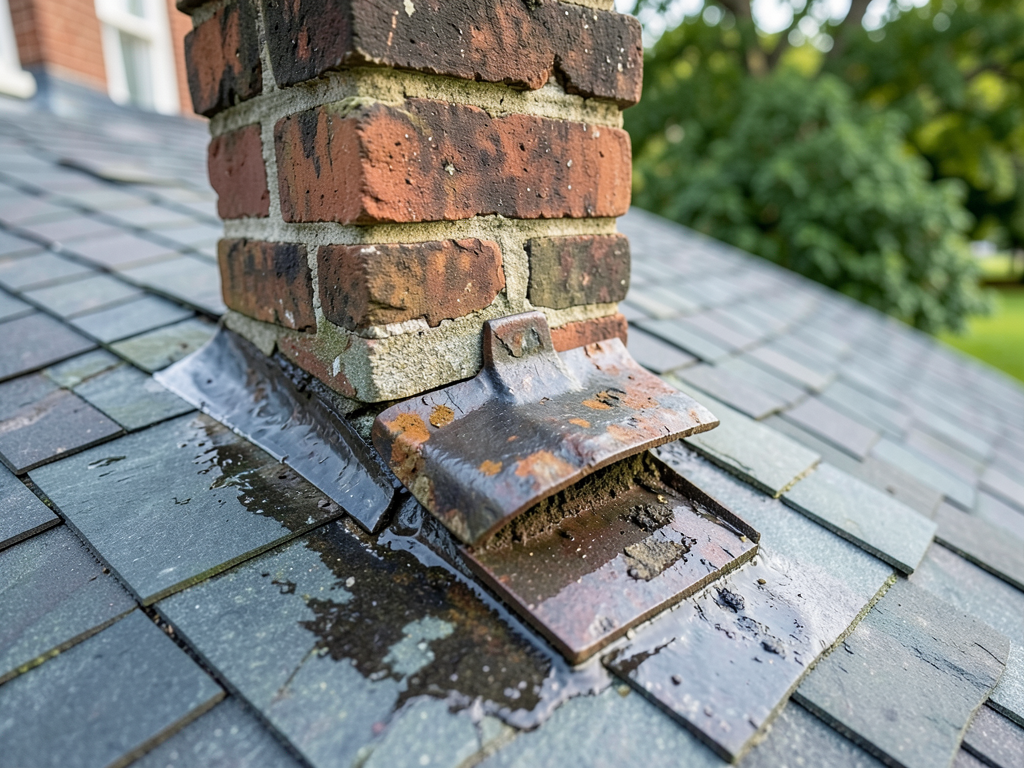
Chimneys are the primary leak source in Ransom Place cottages. The mortar in 90-year-old chimneys often deteriorates allowing water to saturate the masonry. This water then migrates through the chimney structure appearing as ceiling stains far from the actual entry point.
Valley areas where two roof planes meet collect debris and create water dams. In Ransom Place’s mature tree canopy these valleys often fill with leaves and twigs creating perfect conditions for ice dam formation and water backup under shingles.
Dormer windows and their associated flashing systems are another common failure point. The vertical walls of dormers interrupt roof planes creating numerous joints where water can penetrate. The step flashing around dormer sides often fails before the main roof surface.
Box gutters found in some Ransom Place homes present unique challenges. These built-in gutters can clog overflow and direct water behind the fascia board where it rots the roof structure from the inside out. The damage often remains hidden until major repairs are needed.
When to Call an Indianapolis Specialist vs. DIY Fixes
DIY inspection works for documenting damage and identifying obvious problems. However Ransom Place’s historic construction requires specialized knowledge for proper repair. The cost of incorrect diagnosis often exceeds professional inspection fees.
Call a specialist when you find active moisture readings above 20% or see daylight through the roof from inside. These conditions indicate structural compromise that requires immediate professional attention. Also contact a specialist if your home has slate or cedar shake roofing as these materials require specific expertise.
Insurance companies often require professional documentation for claims on historic homes. A certified inspection provides the evidence needed for coverage and ensures repairs meet current building standards while preserving historic character.
Professional thermal imaging can reveal moisture patterns invisible to the naked eye. This technology shows exactly where water has traveled through the structure helping target repairs rather than replacing entire roof sections unnecessarily.
Preventing Future Leaks: Maintenance for Aging Roof Systems
Regular maintenance prevents the catastrophic failures common in Ransom Place’s aging housing stock. Clean gutters twice yearly in late fall and early spring to prevent ice dam formation. Remove debris from roof valleys and around chimneys where water concentrates.
Inspect flashing annually for signs of separation or deterioration. The metal flashing around chimneys and roof penetrations typically needs replacement every 20-30 years in Indiana’s climate. Early replacement prevents water damage to the underlying structure. The honest cost of a full roof replacement in Indianapolis for 2026.
Consider attic insulation upgrades to prevent ice dams. The 2021 Indiana Residential Code requires R-49 insulation in attics but many Ransom Place homes have less than R-20. Proper insulation keeps the roof deck cold preventing the freeze-thaw cycles that cause ice dams.
Install ice and water shield underlayment when replacing roofs. This rubberized asphalt membrane provides backup protection in vulnerable areas like eaves valleys and around penetrations. It’s now required by Indiana Residential Code Section R905.1.2 for ice barrier protection in northern Indiana.
Schedule professional roof inspections every two years for homes over 20 years old. These inspections catch minor problems before they become major structural issues. The cost of prevention is always less than emergency repairs. Getting emergency roof repairs in Broad Ripple before the next big rain.
Frequently Asked Questions
How long can a roof leak go unnoticed in a historic home?
Roof leaks in historic homes like those in Ransom Place can remain hidden for months or even years. The plaster ceilings absorb water and the balloon framing allows moisture to travel laterally before showing visible signs. By the time you see a stain the damage may already be extensive.
Can I repair a roof leak myself in a historic cottage?
Minor repairs like replacing a few shingles might be DIY appropriate but Ransom Place’s historic construction requires specialized knowledge. The mix of materials and the way water travels through these structures makes accurate diagnosis difficult without experience. Incorrect repairs often cause more damage than the original leak.
How much does professional leak detection cost in Indianapolis?
Professional leak detection in Indianapolis typically ranges from $200 to $500 depending on the complexity of your roof and the diagnostic methods required. Thermal imaging and moisture mapping cost more but provide the accuracy needed for historic homes where the leak source may be far from visible damage.
Call (317) 703-7557 today to schedule your inspection. Don’t wait for the next storm to reveal hidden damage. Our team specializes in historic Ransom Place cottages and understands how water travels through these unique structures.
Pick up the phone and call (317) 703-7557 before the next storm hits. We’ll identify the true source of your ceiling stain and provide a permanent solution that protects your historic home for decades to come.

You may also find this helpful. Why adding a roof cricket can stop persistent leaks on large Delaware Trails homes.
You may also find this helpful. When to replace your old Eagle Creek skylights instead of trying another quick fix.
You may also find this helpful. Why your Irvington kitchen exhaust and dryer vents are leaking through the roof.
You may also find this helpful. Comparing pea sized versus marble sized hail damage on your Carmel roof.
{
“@context”: “https://schema.org”,
“@type”: “BlogPosting”,
“headline”: “Finding the source of a mysterious ceiling stain in historic Ransom Place cottages”,
“description”: “Discover why ceiling stains in Ransom Place’s historic cottages hide complex roof leak sources. Learn diagnostic steps before calling (317) 703-7557 for expert leak detection.”,
“wordCount”: 1778,
“datePublished”: “2026-05-22T12:45:00.000Z”,
“dateModified”: “2026-05-22T12:45:00.000Z”,
“inLanguage”: “en-US”,
“mainEntityOfPage”: {
“@type”: “WebPage”,
“@id”: “https://eliteroofingindianapolis.com”
},
“publisher”: {
“@type”: “LocalBusiness”,
“name”: “Elite Roofing Indianapolis”,
“url”: “https://eliteroofingindianapolis.com”
},
“author”: {
“@type”: “Organization”,
“name”: “Elite Roofing Indianapolis”,
“url”: “https://eliteroofingindianapolis.com”
},
“image”: {
“@type”: “ImageObject”,
“url”: “https://eliteroofingindianapolis.com/wp-content/uploads/2026/03/finding-the-source-of-a-mysterious-ceiling-stain-i-1.png”
}
}
{
“@context”: “https://schema.org”,
“@type”: “RoofingContractor”,
“name”: “Elite Roofing Indianapolis”,
“url”: “https://eliteroofingindianapolis.com”,
“address”: {
“@type”: “PostalAddress”,
“addressLocality”: “Indianapolis”
},
“areaServed”: {
“@type”: “City”,
“name”: “Indianapolis”
}
}
{
“@context”: “https://schema.org”,
“@type”: “FAQPage”,
“mainEntity”: [
{
“@type”: “Question”,
“name”: “How long can a roof leak go unnoticed in a historic home?”,
“acceptedAnswer”: {
“@type”: “Answer”,
“text”: “Roof leaks in historic homes like those in Ransom Place can remain hidden for months or even years. The plaster ceilings absorb water and the balloon framing allows moisture to travel laterally before showing visible signs. By the time you see a stain the damage may already be extensive.”
}
},
{
“@type”: “Question”,
“name”: “Can I repair a roof leak myself in a historic cottage?”,
“acceptedAnswer”: {
“@type”: “Answer”,
“text”: “Minor repairs like replacing a few shingles might be DIY appropriate but Ransom Place’s historic construction requires specialized knowledge. The mix of materials and the way water travels through these structures makes accurate diagnosis difficult without experience. Incorrect repairs often cause more damage than the original leak.”
}
},
{
“@type”: “Question”,
“name”: “How much does professional leak detection cost in Indianapolis?”,
“acceptedAnswer”: {
“@type”: “Answer”,
“text”: “Professional leak detection in Indianapolis typically ranges from $200 to $500 depending on the complexity of your roof and the diagnostic methods required. Thermal imaging and moisture mapping cost more but provide the accuracy needed for historic homes where the leak source may be far from visible damage.”
}
}
]
}
{
“@context”: “https://schema.org”,
“@type”: “HowTo”,
“name”: “How to Diagnose Roof Leaks in Historic Homes”,
“step”: [
{
“@type”: “HowToStep”,
“position”: 1,
“name”: “Document the Stain Pattern”,
“text”: “Photograph the ceiling stain and measure its dimensions. Note whether the stain has rings indicating repeated wetting and drying cycles. This helps determine if the leak is active or historical.”
},
{
“@type”: “HowToStep”,
“position”: 2,
“name”: “Check Interior Plumbing”,
“text”: “Examine nearby plumbing fixtures for signs of leaks. Ransom Place homes often have galvanized pipes nearing the end of their lifespan. A bathroom above or near the stain could be the actual source rather than roof failure.”
},
{
“@type”: “HowToStep”,
“position”: 3,
“name”: “Attic Inspection Protocol”,
“text”: “Using a bright flashlight examine the attic space directly above the stain. Look for water trails on rafters moisture patterns on the underside of roof decking and daylight penetration through the roof surface.”
},
{
“@type”: “HowToStep”,
“position”: 4,
“name”: “Moisture Meter Testing”,
“text”: “Take moisture readings at the stain location and compare them to dry areas. Readings above 20% indicate active moisture that requires immediate attention. Document these readings with photos for insurance purposes.”
},
{
“@type”: “HowToStep”,
“position”: 5,
“name”: “Exterior Roof Survey”,
“text”: “Examine the roof surface for missing shingles damaged flashing or debris accumulation in valleys. Pay special attention to areas where different roofing materials meet such as slate-to-asphalt transitions common in Ransom Place renovations. How to navigate a roofing insurance claim in Brownsburg without the headache.”
}
],
“image”: “https://eliteroofingindianapolis.com/wp-content/uploads/2026/03/finding-the-source-of-a-mysterious-ceiling-stain-i-1.png”
}
{
“@context”: “https://schema.org”,
“@type”: “BreadcrumbList”,
“itemListElement”: [
{
“@type”: “ListItem”,
“position”: 1,
“name”: “Home”,
“item”: “https://eliteroofingindianapolis.com”
},
{
“@type”: “ListItem”,
“position”: 2,
“name”: “Blog”,
“item”: “https://eliteroofingindianapolis.com/blog”
},
{
“@type”: “ListItem”,
“position”: 3,
“name”: “Finding the source of a mysterious ceiling stain in historic Ransom Place cottages”
}
]
}
{
“@context”: “https://schema.org”,
“@type”: “Service”,
“serviceType”: “Roofing”,
“provider”: {
“@type”: “LocalBusiness”,
“name”: “Elite Roofing Indianapolis”,
“url”: “https://eliteroofingindianapolis.com”
},
“areaServed”: {
“@type”: “City”,
“name”: “Indianapolis”
},
“description”: “Discover why ceiling stains in Ransom Place’s historic cottages hide complex roof leak sources. Learn diagnostic steps before calling (317) 703-7557 for expert leak detection.”
}