
Modernizing a mid-century roof in Eagledale without losing its character
Mid-century modern homes in Eagledale feature distinctive low-slope and flat rooflines that define their architectural character. These homes built between the 1950s and 1970s require specialized roofing solutions that maintain their clean aesthetic while meeting modern performance standards. The challenge lies in upgrading materials and insulation without destroying the signature thin profile that makes these homes so recognizable. How to navigate a roofing insurance claim in Brownsburg without the headache.
Indianapolis experiences freeze-thaw cycles and heavy snow loads that can stress original MCM roofing systems. Modern materials like TPO membranes and standing seam metal can preserve the sleek appearance while providing superior weather protection. The key is understanding how to work within the structural constraints of these homes while meeting current building codes. Roofing Beech Grove.
The anatomy of a mid-century modern roof
Mid-century modern roofs typically feature low-slope designs ranging from 1:12 to 3:12 pitch. Many Eagledale homes have true flat roofs with minimal drainage slope or butterfly configurations that channel water to a central valley. Original construction often used built-up tar and gravel systems or simple single-ply membranes that have reached the end of their service life.
The structural system beneath these roofs usually consists of tongue-and-groove decking over dimensional lumber rafters. This creates a thin profile that modern insulation codes can complicate. Achieving R-38 insulation requirements while maintaining the original roofline depth requires creative solutions like tapered polyiso insulation or exterior rigid foam installation.
Common issues in aging MCM roofs include ponding water on flat sections, deteriorated flashing at parapet walls, and compromised underlayment. The original gravel ballast systems often lose aggregate over decades, exposing the membrane to UV damage. These problems require careful assessment before any modernization work begins.
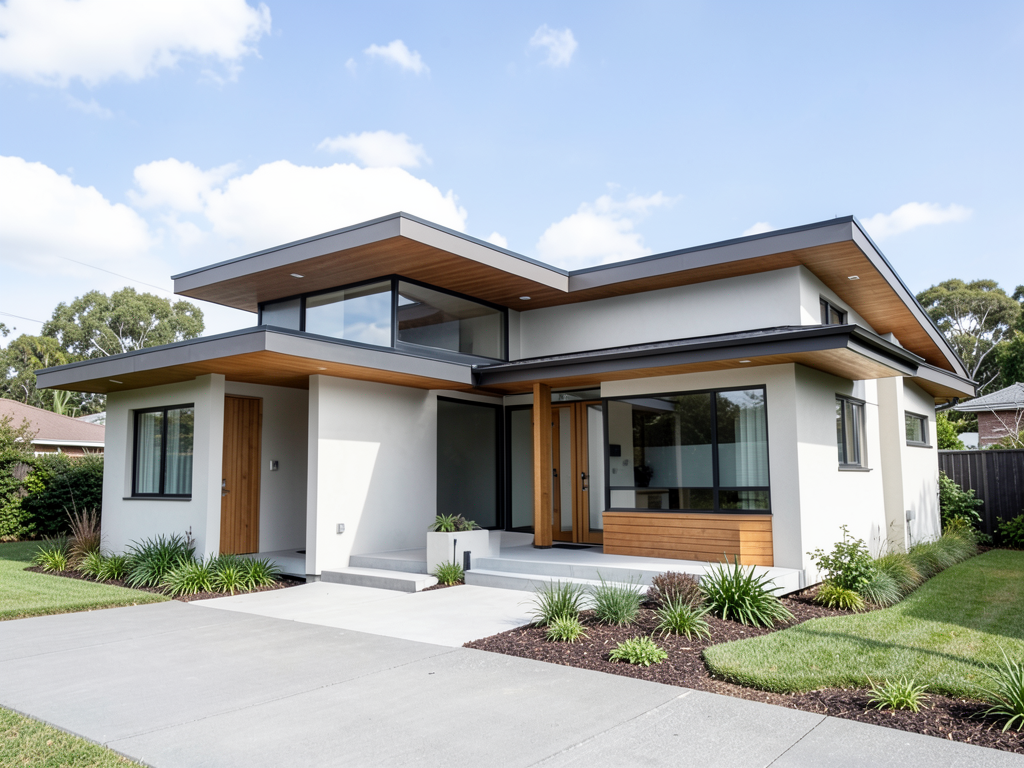
Diagram showing typical mid-century modern roof configurations including flat, butterfly, and low-slope designs with structural details
Best roofing materials for MCM homes in Indiana
Modern roofing materials offer significant advantages over original MCM systems while preserving aesthetic integrity. TPO (thermoplastic polyolefin) membranes provide excellent durability and energy efficiency with clean lines that complement modern architecture. These single-ply systems can achieve the thin profile MCM homes require while offering 25-30 year lifespans.
Standing seam metal roofing works well for homes with shed or slightly pitched roof sections. The vertical seam profiles create shadow lines that enhance the modern aesthetic while providing superior wind resistance. Aluminum or painted steel options resist corrosion in Indianapolis’s humid climate and can be installed over existing decking with minimal profile increase.
EPDM rubber remains a viable option for true flat roofs, particularly in areas where cost considerations matter. The black membrane absorbs heat in winter but requires regular maintenance to prevent UV degradation. Modified bitumen offers another alternative with multiple ply layers providing redundancy against leaks. Preventative Roof Maintenance Plans.
Material comparison for MCM applications:
| Material | Profile Height | Lifespan (years) | Energy Efficiency | Cost Range |
|---|---|---|---|---|
| TPO Membrane | 1/4 inch | 25-30 | Excellent | $$ |
| Standing Seam Metal | 1 inch | 40-50 | Very Good | $$$ |
| EPDM Rubber | 1/8 inch | 20-25 | Fair | $ |
| Modified Bitumen | 1/4 inch | 20-25 | Good | $$ |
Solving the insulation challenge
Modern energy codes require R-38 insulation in Indianapolis, but original MCM roof structures cannot accommodate this thickness without altering the profile. The solution involves either removing the existing roof deck and rebuilding with deeper rafters or installing exterior insulation systems that add minimal height.
Tapered insulation systems use polyiso foam boards cut at specific angles to create positive drainage while adding insulation value. A typical system might use 2-inch tapered boards sloping to 4-inch thickness at drains, providing R-13 insulation while directing water flow. This approach maintains the original roofline while meeting code requirements.
Exterior insulation retrofit involves installing 2-3 inches of polyiso over the existing roof deck, then applying a new membrane system. This adds minimal height while providing R-13 to R-19 insulation value. The challenge lies in extending flashings, coping caps, and edge details to accommodate the added thickness.
Thermal bridging remains a concern in low-slope roofs where rafters penetrate the insulation layer. Installing continuous insulation with minimal thermal breaks helps prevent condensation issues that can damage tongue-and-groove decking. The moisture meter test becomes critical during assessment to identify existing water damage before encapsulation.
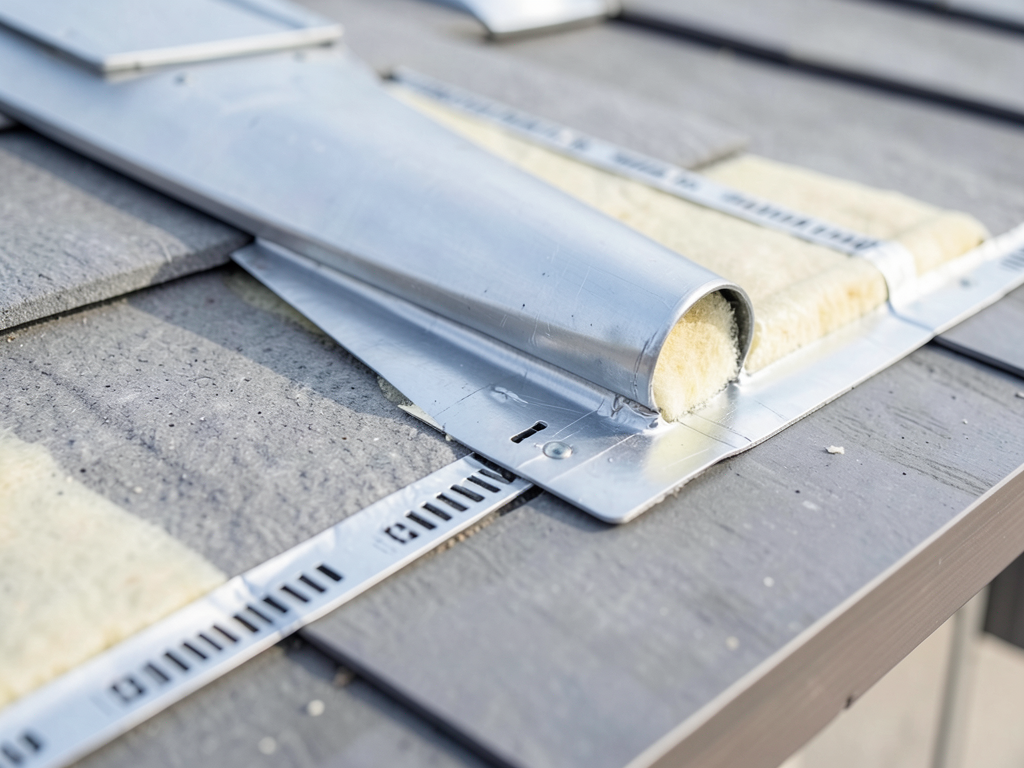
Close-up of tapered insulation installation showing drainage slope and membrane termination details
MCM neighborhood spotlight: Eagledale characteristics
Eagledale features a high concentration of mid-century modern homes built during Indianapolis’s post-war expansion. The neighborhood’s sandy loam soils provide good drainage but can shift during wet-dry cycles, potentially affecting roof structures. Many homes sit on lots with mature trees that provide summer shade but drop debris that can clog scuppers and drains.
Local building patterns show most MCM homes in Eagledale use 2×6 or 2×8 rafters at 16-inch centers, creating the thin roof profiles characteristic of the style. Original construction often included minimal attic ventilation since flat roofs don’t accommodate traditional soffit and ridge systems. This affects how modern insulation must be installed.
Indianapolis Municipal Code Section 503.2 requires ice barrier protection extending 24 inches inside vertical walls for low-slope roofs. This affects MCM homes where parapet walls create unique flashing challenges. The code also mandates minimum 2 percent slope for flat roofs, though many original MCM installations fall below this standard.
Climate considerations specific to Eagledale include summer humidity levels averaging 75 percent, creating algae growth potential on north-facing roof sections. Winter snow loads typically range from 15-20 pounds per square foot, requiring structural assessment of original roof framing before adding insulation weight.
Case study: Recent MCM roof restoration in Eagledale
A 1962 ranch home on High School Road presented classic MCM roofing challenges. The original tar and gravel system had lost most aggregate, exposing the membrane to UV damage. Ponding water created soft spots in the tongue-and-groove decking, and the owner wanted to maintain the home’s architectural integrity while improving energy efficiency.
The restoration process began with complete removal of the existing roof down to the decking. Moisture meter testing revealed water damage in three rafter bays, requiring selective decking replacement. The structural assessment showed 2×6 rafters at 24-inch centers could support the planned insulation upgrade with minor reinforcement. The honest cost of a full roof replacement in Indianapolis for 2026.
We installed a tapered polyiso system with 2-inch minimum thickness sloping to 4 inches at drains, providing R-13 insulation while creating positive drainage. A TPO membrane system with heat-welded seams replaced the original material, offering superior weather protection and clean lines that complement the home’s modern aesthetic.
The project included extending parapet flashing and coping caps to accommodate the new insulation thickness. Scupper drains were enlarged to prevent future ponding, and a maintenance protocol was established for the homeowner including annual debris removal and seam inspection. The total project cost was $18,500, with energy savings projected at 25 percent annually.
Before and after comparison showing original tar and gravel roof versus new TPO membrane installation
Maintenance considerations for modern MCM roofs
Modern roofing systems require different maintenance approaches than original MCM installations. TPO and EPDM membranes need regular cleaning to prevent debris accumulation that can cause drainage issues. Standing seam metal requires inspection of fasteners and sealant joints every two years to prevent wind uplift damage.
Ice dam prevention becomes critical in Indianapolis’s climate. Even with proper insulation, heat loss can create melt-freeze cycles on low-slope sections. Installing heat cables at eaves and in valleys helps prevent ice buildup that can damage membranes or create dangerous icicle formations.
Annual inspections should include checking scupper drains for clogs, examining seams for separation or punctures, and verifying that tapered insulation maintains its slope. The screwdriver test helps identify soft spots in decking that might indicate water infiltration beneath the membrane surface. EPA Cool Roof Information.
Cost factors for MCM roof modernization typically range from $8 to $15 per square foot depending on material selection and necessary structural modifications. TPO systems fall on the lower end while standing seam metal commands premium pricing. The investment often pays for itself through energy savings and extended roof life.
Frequently Asked Questions
Can I maintain my MCM home’s original roof profile while upgrading?
Yes, through exterior insulation systems or tapered interior insulation that adds minimal height while meeting modern energy codes. The key is working with contractors experienced in low-slope roof design.
How long does a modern MCM roof replacement take?
Most projects require 3-5 days for complete removal and installation, though weather delays can extend this timeline. Complex structural repairs may add additional time.
Will modernizing my roof affect my home’s value?
Properly executed modernizations typically increase home value by improving energy efficiency and preventing water damage. Maintaining the original aesthetic is crucial for preserving architectural character.
What permits are required for MCM roof work in Indianapolis?
Indianapolis requires building permits for roof replacements, including structural modifications. The city’s Department of Business and Neighborhood Services reviews plans to ensure compliance with current codes.
How do I find contractors experienced with MCM roofing?
Look for contractors with specific experience in low-slope and flat roof systems. Ask for portfolios showing similar projects and verify their familiarity with modern membrane technologies.
- Assessment
Schedule a professional inspection to evaluate existing roof condition, structural capacity, and moisture damage using moisture meters and visual inspection.
- Design Planning
Work with your contractor to select materials that maintain the original profile while meeting energy codes. Consider tapered insulation systems for drainage.
- Permit Acquisition
Submit plans to Indianapolis building department, including structural calculations if modifications are needed. Allow 2-3 weeks for approval.
- Preparation
Remove existing roofing, inspect and repair decking as needed. Install temporary protection if weather threatens during the project.
- Installation
Install insulation system, apply membrane according to manufacturer specifications, and complete all flashing and termination details.
- Final Inspection
Schedule city inspection if required, then establish maintenance schedule with your contractor for ongoing care.
Modernizing a mid-century roof requires balancing preservation with performance. The right approach maintains your home’s architectural character while providing decades of reliable protection. Call (317) 703-7557 today to schedule your inspection and discover how we can help preserve your MCM home’s legacy.
Pick up the phone and call (317) 703-7557 before the next storm hits. Our team specializes in preserving mid-century modern architecture while delivering modern performance that Indianapolis homeowners expect. For more information, visit 2018 International Residential Code.
You may also find this helpful. Why TPO is the go-to choice for flat roof restoration on Mass Ave storefronts.
{
“@context”: “https://schema.org”,
“@type”: “BlogPosting”,
“headline”: “Modernizing a mid-century roof in Eagledale without losing its character”,
“description”: “Expert guide to preserving mid-century modern roof character in Eagledale while upgrading to modern materials. Learn about TPO membranes, insulation challenges, and Indianapolis-specific climate considerations.”,
“wordCount”: 1718,
“datePublished”: “2026-03-24T14:38:00.000Z”,
“dateModified”: “2026-03-24T14:38:00.000Z”,
“inLanguage”: “en-US”,
“mainEntityOfPage”: {
“@type”: “WebPage”,
“@id”: “https://eliteroofingindianapolis.com”
},
“publisher”: {
“@type”: “LocalBusiness”,
“name”: “Elite Roofing Indianapolis”,
“url”: “https://eliteroofingindianapolis.com”
},
“author”: {
“@type”: “Organization”,
“name”: “Elite Roofing Indianapolis”,
“url”: “https://eliteroofingindianapolis.com”
},
“image”: {
“@type”: “ImageObject”,
“url”: “https://eliteroofingindianapolis.com/wp-content/uploads/2026/03/modernizing-a-mid-century-roof-in-eagledale-withou-1.png”
}
}
{
“@context”: “https://schema.org”,
“@type”: “RoofingContractor”,
“name”: “Elite Roofing Indianapolis”,
“url”: “https://eliteroofingindianapolis.com”,
“address”: {
“@type”: “PostalAddress”,
“addressLocality”: “Indianapolis”
},
“areaServed”: {
“@type”: “City”,
“name”: “Indianapolis”
}
}
{
“@context”: “https://schema.org”,
“@type”: “FAQPage”,
“mainEntity”: [
{
“@type”: “Question”,
“name”: “Can I maintain my MCM home’s original roof profile while upgrading?”,
“acceptedAnswer”: {
“@type”: “Answer”,
“text”: “Yes, through exterior insulation systems or tapered interior insulation that adds minimal height while meeting modern energy codes. The key is working with contractors experienced in low-slope roof design.”
}
},
{
“@type”: “Question”,
“name”: “How long does a modern MCM roof replacement take?”,
“acceptedAnswer”: {
“@type”: “Answer”,
“text”: “Most projects require 3-5 days for complete removal and installation, though weather delays can extend this timeline. Complex structural repairs may add additional time.”
}
},
{
“@type”: “Question”,
“name”: “Will modernizing my roof affect my home’s value?”,
“acceptedAnswer”: {
“@type”: “Answer”,
“text”: “Properly executed modernizations typically increase home value by improving energy efficiency and preventing water damage. Maintaining the original aesthetic is crucial for preserving architectural character.”
}
},
{
“@type”: “Question”,
“name”: “What permits are required for MCM roof work in Indianapolis?”,
“acceptedAnswer”: {
“@type”: “Answer”,
“text”: “Indianapolis requires building permits for roof replacements, including structural modifications. The city’s Department of Business and Neighborhood Services reviews plans to ensure compliance with current codes.”
}
},
{
“@type”: “Question”,
“name”: “How do I find contractors experienced with MCM roofing?”,
“acceptedAnswer”: {
“@type”: “Answer”,
“text”: “Look for contractors with specific experience in low-slope and flat roof systems. Ask for portfolios showing similar projects and verify their familiarity with modern membrane technologies.”
}
}
]
}
{
“@context”: “https://schema.org”,
“@type”: “HowTo”,
“name”: “How to modernize your MCM roof”,
“step”: [
{
“@type”: “HowToStep”,
“position”: 1,
“name”: “Assessment”,
“text”: “Schedule a professional inspection to evaluate existing roof condition, structural capacity, and moisture damage using moisture meters and visual inspection.”
},
{
“@type”: “HowToStep”,
“position”: 2,
“name”: “Design Planning”,
“text”: “Work with your contractor to select materials that maintain the original profile while meeting energy codes. Consider tapered insulation systems for drainage.”
},
{
“@type”: “HowToStep”,
“position”: 3,
“name”: “Permit Acquisition”,
“text”: “Submit plans to Indianapolis building department, including structural calculations if modifications are needed. Allow 2-3 weeks for approval.”
},
{
“@type”: “HowToStep”,
“position”: 4,
“name”: “Preparation”,
“text”: “Remove existing roofing, inspect and repair decking as needed. Install temporary protection if weather threatens during the project.”
},
{
“@type”: “HowToStep”,
“position”: 5,
“name”: “Installation”,
“text”: “Install insulation system, apply membrane according to manufacturer specifications, and complete all flashing and termination details.”
},
{
“@type”: “HowToStep”,
“position”: 6,
“name”: “Final Inspection”,
“text”: “Schedule city inspection if required, then establish maintenance schedule with your contractor for ongoing care.”
}
],
“image”: “https://eliteroofingindianapolis.com/wp-content/uploads/2026/03/modernizing-a-mid-century-roof-in-eagledale-withou-1.png”
}
{
“@context”: “https://schema.org”,
“@type”: “BreadcrumbList”,
“itemListElement”: [
{
“@type”: “ListItem”,
“position”: 1,
“name”: “Home”,
“item”: “https://eliteroofingindianapolis.com”
},
{
“@type”: “ListItem”,
“position”: 2,
“name”: “Blog”,
“item”: “https://eliteroofingindianapolis.com/blog”
},
{
“@type”: “ListItem”,
“position”: 3,
“name”: “Modernizing a mid-century roof in Eagledale without losing its character”
}
]
}
{
“@context”: “https://schema.org”,
“@type”: “Service”,
“serviceType”: “Roofing”,
“provider”: {
“@type”: “LocalBusiness”,
“name”: “Elite Roofing Indianapolis”,
“url”: “https://eliteroofingindianapolis.com”
},
“areaServed”: {
“@type”: “City”,
“name”: “Indianapolis”
},
“description”: “Expert guide to preserving mid-century modern roof character in Eagledale while upgrading to modern materials. Learn about TPO membranes, insulation challenges, and Indianapolis-specific climate considerations.”
}