
Why TPO is the go-to choice for flat roof restoration on Mass Ave storefronts
Mass Ave storefront owners face unique challenges with flat roof restoration. The combination of historic brick facades, high foot traffic, and Indianapolis’s extreme weather patterns makes TPO roofing the smart choice for commercial buildings along Massachusetts Avenue. This thermoplastic polyolefin membrane offers unmatched durability against UV exposure, thermal cycling, and the seasonal debris that accumulates in downtown Indianapolis. How to navigate a roofing insurance claim in Brownsburg without the headache.
Property owners along Mass Ave need roofing solutions that protect their investment while maintaining the area’s historic character. TPO delivers both performance and aesthetics, with its bright white surface reflecting heat and reducing cooling costs during those sweltering Indiana summers. The heat-welded seams create a monolithic barrier that prevents the water infiltration that can devastate retail spaces and restaurants. Roofing Beech Grove.
Commercial building owners along Mass Ave know that roof failures mean lost revenue and damaged inventory. TPO’s resistance to punctures from rooftop equipment, HVAC units, and even the occasional satellite dish makes it ideal for the mixed-use buildings that define this vibrant corridor. The membrane’s flexibility handles the freeze-thaw cycles that crack traditional roofing materials, while its Class A fire rating provides crucial protection for densely packed urban structures.
Understanding TPO’s advantages for Indianapolis commercial buildings
TPO roofing systems consist of a single-ply membrane that’s become the industry standard for flat commercial applications. The material’s polymer base provides exceptional resistance to ozone, chemical exposure, and microbial growth that commonly affects roofs in humid environments. For Mass Ave businesses, this translates to fewer maintenance calls and longer replacement cycles. The honest cost of a full roof replacement in Indianapolis for 2026.
The energy efficiency benefits of TPO are particularly valuable in Indianapolis’s climate zone. With Solar Reflectance Index ratings typically above 100, TPO membranes can reduce cooling costs by 20-30% compared to traditional dark roofing materials. This matters when summer temperatures regularly exceed 90°F and air conditioning systems work overtime to keep customers comfortable.
TPO’s installation versatility makes it perfect for Mass Ave’s diverse building stock. Whether you’re dealing with a 1920s warehouse converted to loft apartments or a modern mixed-use development, TPO can be installed using fully adhered, mechanically attached, or induction welding methods. This flexibility means less disruption to tenants and faster project completion times.. Read more about Using cool roof technology to combat the urban heat island effect in downtown Indianapolis.
The material’s puncture resistance stands up to the unique challenges of urban environments. From maintenance personnel walking on the roof to wind-blown debris during spring storms, TPO maintains its integrity where other materials fail. The 45-mil to 80-mil thickness options allow building owners to specify the right level of protection for their specific needs and budget.
Installation process for TPO flat roof restoration
The TPO installation process begins with a comprehensive roof assessment to identify underlying structural issues. Our technicians use moisture meters and infrared scanning to detect water intrusion that might compromise the new roofing system. This diagnostic step prevents future failures by addressing problems before they’re covered by new material.
Deck preparation involves removing existing roofing materials down to the structural substrate. For Mass Ave’s older buildings, this often reveals decades of roofing history, from built-up tar and gravel to failed single-ply systems. The substrate must be clean, dry, and sound before new insulation boards can be installed. EPA Cool Roofs information.
Insulation installation creates the thermal barrier that makes TPO so energy efficient. We typically use polyisocyanurate boards with R-values of 6-8 per inch, providing superior insulation compared to older materials. The insulation is mechanically fastened or adhered based on building height and wind exposure requirements.
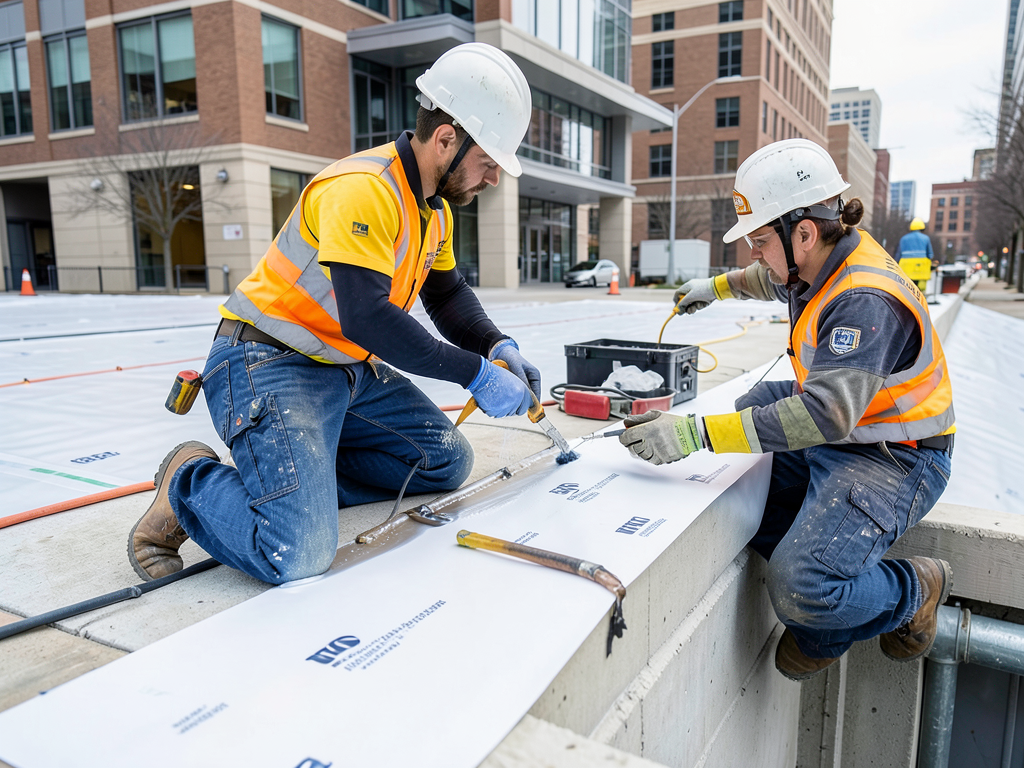
Membrane welding represents the critical step that distinguishes professional TPO installation. Our technicians use hot-air welding equipment to create seams that are actually stronger than the membrane itself. This heat fusion creates a monolithic surface without the weak points that plague glued or taped systems.
Detailing work includes installing flashings around rooftop penetrations, HVAC curbs, and parapet walls. These areas require special attention because they’re the most common failure points on any roofing system. We use prefabricated accessories and custom-fabricated pieces to ensure watertight seals at every transition.
Comparing TPO with other commercial roofing options
TPO vs EPDM represents the most common comparison for flat roof applications. While EPDM (ethylene propylene diene monomer) offers good performance at a lower initial cost, TPO outperforms it in several critical areas. TPO’s heat-welded seams eliminate the adhesive failure points that plague EPDM systems, particularly in Indianapolis’s temperature extremes.
The durability comparison shows TPO lasting 25-30 years versus EPDM’s typical 20-year lifespan. TPO also resists UV degradation better, maintaining its reflective properties throughout its service life. For Mass Ave buildings where roof access is limited by surrounding structures, this longevity translates to fewer disruptive replacement projects.
PVC roofing offers similar heat-welded advantages to TPO but at a significantly higher cost. While PVC provides excellent chemical resistance for restaurants and industrial applications, TPO delivers comparable performance for most commercial uses at 15-20% lower installed cost. The material flexibility of TPO also makes it easier to install around complex rooftop configurations.
Built-up roofing (BUR) remains an option for some applications, but its multiple layers create weight concerns for older Mass Ave buildings. The hot asphalt application process also poses fire risks in dense urban settings. TPO’s cold-applied installation eliminates these concerns while providing superior insulation values. The best asphalt shingle brands for Greenwood homes (and why they matter).
Modified bitumen offers another alternative, particularly for buildings requiring frequent roof access. However, its torch-applied seams create fire hazards, and the material’s petroleum base makes it more susceptible to UV degradation. TPO’s polymer composition provides better long-term performance with lower environmental impact.
Mass Ave specific considerations for TPO restoration
Historic preservation requirements affect roofing choices along Mass Ave. While TPO’s white surface might seem modern, it actually helps maintain the historic character by reducing heat absorption that can damage older masonry facades. The material’s clean lines and minimal profile preserve sight lines from street level.
Marion County building codes require specific wind uplift ratings for commercial buildings based on height and location. TPO systems can be engineered to meet or exceed these requirements using mechanical attachment patterns or enhanced adhesive applications. Our designs account for the corridor effect created by Mass Ave’s tall buildings that can increase wind velocities at roof level.
Fire safety regulations in downtown Indianapolis mandate Class A fire ratings for commercial buildings. TPO naturally achieves this rating without additional treatments or coatings. This compliance is crucial for buildings with mixed residential and commercial occupancy, where fire safety requirements are most stringent.
Stormwater management requirements affect drainage system design. Indianapolis’s combined sewer system means that roof drainage must be carefully engineered to prevent overwhelming municipal infrastructure during heavy rains. TPO’s smooth surface and proper slope integration ensure efficient water shedding and prevent ponding that can lead to premature failure.
Noise considerations matter for buildings with residential units above commercial spaces. TPO’s insulation layers provide sound dampening that helps meet noise ordinance requirements. This acoustic benefit adds value for mixed-use developments where commercial activity must coexist with residential comfort.
Maintenance requirements for TPO roofs in Indianapolis
Regular maintenance extends TPO roof life and prevents costly repairs. Indianapolis’s seasonal debris requires biannual cleaning to prevent organic matter from decomposing on the membrane surface. Fallen leaves in autumn and spring pollen can create acidic conditions that degrade roofing materials over time.
Seam inspection should occur annually, particularly after severe weather events. While TPO’s heat-welded seams are extremely durable, they can be damaged by falling tree limbs or HVAC maintenance activities. Early detection of seam separation prevents water infiltration that can damage insulation and structural components. Should you choose cedar shake or asphalt for your Meridian-Kessler home?.
Drainage system maintenance prevents ponding water that can compromise TPO’s integrity. Indianapolis’s freeze-thaw cycles make proper drainage critical, as standing water expands when frozen and can lift membrane sections. We recommend checking scuppers, internal drains, and gutters quarterly to ensure unobstructed water flow.
HVAC equipment maintenance directly impacts roof longevity. Condensate lines, exhaust vents, and rooftop units all create potential leak points. Regular inspection of these penetrations, along with resealing as needed, prevents the most common source of commercial roof failures.
Membrane cleaning should use appropriate cleaners that won’t degrade the TPO surface. Harsh chemicals or abrasive cleaning methods can remove the protective layer that gives TPO its UV resistance. Professional cleaning every 3-5 years maintains the membrane’s reflective properties and extends its service life.
Cost factors for TPO roof restoration on Mass Ave
Material costs for TPO roofing vary based on thickness and manufacturer. 45-mil membranes offer the lowest initial cost but may not provide the longevity needed for commercial applications. 60-mil and 80-mil options cost more upfront but deliver better puncture resistance and longer service life, often justifying the higher investment.
Labor costs in downtown Indianapolis reflect the logistical challenges of working in dense urban environments. Material hoisting, limited staging areas, and coordination with building occupants all affect project timelines and costs. Experienced contractors familiar with Mass Ave’s specific challenges can provide more accurate estimates and efficient execution.
Building height impacts installation methods and safety requirements. Higher buildings require additional fall protection, specialized equipment, and sometimes night work to minimize disruption. These factors can increase costs by 15-25% compared to single-story installations in suburban settings.
Existing roof conditions significantly affect restoration costs. Multiple roof layers require removal, adding disposal costs and project duration. Structural repairs discovered during the assessment phase can also impact budgets, though addressing these issues prevents more expensive failures later.
Energy efficiency incentives may offset some TPO installation costs. Indianapolis Power & Light and federal programs occasionally offer rebates for cool roof installations that reduce energy consumption. These incentives can reduce net project costs by 10-15% while providing immediate utility savings.
Energy efficiency and TPO in Indianapolis climate
Indianapolis’s climate creates unique energy challenges for commercial buildings. Summer cooling loads can account for 40-60% of annual energy consumption in poorly insulated buildings. TPO’s high solar reflectance directly addresses this by reducing heat gain through the roof assembly.
The material’s thermal emittance properties help buildings release absorbed heat quickly. This characteristic is particularly valuable during Indianapolis’s hot summer nights when buildings typically radiate stored heat. TPO’s ability to release this heat reduces nighttime cooling loads and improves occupant comfort.
Winter performance considerations often concern building owners about cool roof materials. TPO’s insulation integration means that heat loss through the roof assembly remains minimal even with its reflective surface. The energy savings during cooling season typically outweigh any minor winter heating penalties in Indianapolis’s climate.
Urban heat island effects are particularly noticeable in downtown areas like Mass Ave. TPO’s reflective properties help mitigate these effects by reducing the ambient temperature around buildings. This cooling benefit extends beyond individual buildings to improve the overall microclimate of the area.
Moisture management plays a crucial role in energy efficiency. TPO’s seamless installation prevents the air infiltration that can compromise insulation performance. Proper vapor barrier integration ensures that moisture doesn’t accumulate in roof assemblies, maintaining insulation R-values throughout the system’s life.
Common TPO failure points and prevention
Membrane shrinkage represents the most common TPO failure mode, particularly in older installations. The material can contract slightly over time, creating stress at terminations and penetrations. Professional installation with appropriate allowance for thermal movement prevents this issue through proper detailing and fastening patterns.
Puncture damage from rooftop activities causes many premature failures. HVAC maintenance, window washing, and holiday decorations all create potential for membrane damage. Establishing rooftop traffic protocols and using protective walkway pads in high-traffic areas prevents these avoidable failures.
Chemical exposure from exhaust vents, HVAC condensate, or even bird droppings can degrade TPO over time. While the material resists most chemicals, prolonged exposure to petroleum products or certain solvents can cause swelling or discoloration. Proper containment and drainage of these substances prevents chemical damage.
Improper welding during installation creates weak seams that fail prematurely. This underscores the importance of choosing experienced contractors with certified technicians. Poor welding technique results in seams that separate under thermal stress or wind uplift, leading to water infiltration and insulation damage.. Read more about Why choosing a Bates-Hendricks roofer familiar with the local renovation boom matters.
Flashing failures at walls, curbs, and penetrations often result from using incompatible materials or improper installation techniques. TPO requires specific adhesives and accessories designed for its polymer composition. Using generic products or incorrect application methods creates failure points that compromise the entire roofing system.
Local building codes and TPO compliance
Marion County building codes require specific wind uplift ratings for commercial roofing based on building height and location. TPO systems must be engineered to meet these requirements using appropriate attachment methods and fastener patterns. Our designs exceed minimum code requirements to provide additional safety margins.
Fire safety regulations in downtown Indianapolis mandate Class A fire ratings for commercial buildings. TPO naturally achieves this rating through its material composition without requiring additional treatments or coatings. This compliance is documented through manufacturer testing and certification.
Energy code requirements affect insulation specifications for new roofing installations. Indiana’s commercial energy code mandates specific R-values based on climate zone and building use. TPO installations must integrate adequate insulation to meet these requirements while maintaining proper roof slope for drainage.
Stormwater management regulations impact drainage system design. Indianapolis’s combined sewer system means that roof drainage must be engineered to prevent overwhelming municipal infrastructure during heavy rainfall events. TPO installations must integrate with properly sized drainage components to meet these requirements.
Permit requirements for commercial roofing in Marion County include detailed submittal packages showing material specifications, attachment methods, and engineering calculations. Our team handles all permitting requirements, ensuring that installations meet all local code requirements before work begins.
Case studies from Mass Ave commercial buildings
A 15,000 square foot mixed-use building on Mass Ave recently underwent TPO restoration after 20 years of repeated leak issues with built-up roofing. The project involved complete removal of existing roofing down to the deck, installation of new insulation, and application of 60-mil TPO. The building owner reported 35% reduction in cooling costs and zero leak calls in the three years since installation.
A historic theater renovation required careful integration of new roofing with preserved architectural elements. The TPO installation maintained the building’s historic character while providing modern performance. Special attention to flashing details around ornamental features ensured watertight seals without compromising historic integrity.
A restaurant with rooftop HVAC equipment faced unique challenges with chemical exposure from kitchen exhaust. The TPO installation included chemical-resistant accessories and enhanced detailing around exhaust penetrations. Five years later, the roof shows no signs of degradation despite constant exposure to cooking fumes and grease.
A multi-tenant retail building required phased installation to keep businesses operational during construction. The TPO system’s versatility allowed work to proceed in sections without compromising the integrity of completed areas. Tenants reported minimal disruption and immediate improvement in interior comfort due to better insulation.
A converted warehouse now housing creative offices needed roofing that could support occasional rooftop events. The TPO installation included reinforced walkways and designated event areas with additional protection. The membrane’s puncture resistance has proven ideal for the mixed-use application, supporting both regular operations and special events.
Frequently Asked Questions
How long does a TPO roof last on a Mass Ave commercial building?
A properly installed TPO roof typically lasts 25-30 years in Indianapolis’s climate. Factors affecting longevity include installation quality, building height, rooftop traffic, and maintenance frequency. 60-mil and 80-mil membranes generally outlast 45-mil options in commercial applications.
What’s the cost difference between TPO and other commercial roofing options?
TPO typically costs 15-20% less than PVC and 10-15% more than EPDM for comparable quality installations. While initial costs vary based on building specifics, TPO’s longer lifespan and energy savings often provide better lifetime value than lower-cost alternatives.
Can TPO be installed over existing roofing on Mass Ave buildings?
Roof recover installations are possible if the existing roof is in good condition and meets building code requirements for additional layers. However, most Mass Ave buildings benefit from complete removal to address underlying issues and maximize energy efficiency with new insulation.
How does Indianapolis weather affect TPO performance?
TPO performs exceptionally well in Indianapolis’s climate, handling summer heat, UV exposure, and winter freeze-thaw cycles. The material’s flexibility prevents cracking during temperature extremes, while its reflective surface reduces summer cooling loads. Proper installation ensures seams withstand high winds common in downtown areas.
What maintenance does a TPO roof require?
TPO roofs need biannual cleaning to remove debris, annual seam inspection, and quarterly drainage system checks. Professional inspection every 2-3 years identifies potential issues before they become costly repairs. Most maintenance involves simple cleaning and minor sealing rather than major repairs.
Making the right choice for your Mass Ave property
Selecting the right roofing system for your Mass Ave commercial building requires balancing multiple factors: initial cost, long-term performance, energy efficiency, and building-specific requirements. TPO roofing consistently delivers superior value across all these considerations, making it the preferred choice for discerning property owners.
The combination of durability, energy efficiency, and installation versatility makes TPO particularly well-suited to Mass Ave’s diverse building stock. Whether you’re dealing with a historic renovation or a modern development, TPO provides the performance and reliability that commercial property owners demand.
Professional installation remains critical to TPO’s success. The material’s heat-welded seams and specialized details require experienced technicians with proper training and certification. Cutting corners on installation quality inevitably leads to premature failures and costly repairs.
Energy savings represent a significant benefit for Mass Ave businesses facing high cooling costs during Indianapolis summers. The reflective surface of TPO can reduce cooling loads by 20-30%, providing immediate utility savings that help offset installation costs. These savings continue throughout the roof’s service life.
Building code compliance and fire safety requirements must be addressed in any commercial roofing project. TPO’s Class A fire rating and ability to meet wind uplift requirements make it a code-compliant choice for downtown Indianapolis buildings. Our team handles all permitting and ensures installations meet or exceed local requirements.
Ready to protect your Mass Ave commercial property with a durable, energy-efficient TPO roofing system? Call (317) 703-7557 today to schedule your free assessment. Our experienced team will evaluate your specific needs and provide a detailed proposal for your TPO roof restoration project. For more information, visit ASTM TPO roofing standards.
{
“@context”: “https://schema.org”,
“@type”: “BlogPosting”,
“headline”: “Why TPO is the go-to choice for flat roof restoration on Mass Ave storefronts”,
“description”: “Discover why TPO roofing dominates Mass Ave flat roof restorations. Learn about durability, energy savings, and local building code compliance for Indianapolis commercial buildings.”,
“wordCount”: 3051,
“datePublished”: “2026-04-08T12:09:00.000Z”,
“dateModified”: “2026-04-08T12:09:00.000Z”,
“inLanguage”: “en-US”,
“mainEntityOfPage”: {
“@type”: “WebPage”,
“@id”: “https://eliteroofingindianapolis.com”
},
“publisher”: {
“@type”: “LocalBusiness”,
“name”: “Elite Roofing Indianapolis”,
“url”: “https://eliteroofingindianapolis.com”
},
“author”: {
“@type”: “Organization”,
“name”: “Elite Roofing Indianapolis”,
“url”: “https://eliteroofingindianapolis.com”
},
“image”: {
“@type”: “ImageObject”,
“url”: “https://eliteroofingindianapolis.com/wp-content/uploads/2026/03/why-tpo-is-the-go-to-choice-for-flat-roof-restorat-1.png”
}
}
{
“@context”: “https://schema.org”,
“@type”: “RoofingContractor”,
“name”: “Elite Roofing Indianapolis”,
“url”: “https://eliteroofingindianapolis.com”,
“address”: {
“@type”: “PostalAddress”,
“addressLocality”: “Indianapolis”
},
“areaServed”: {
“@type”: “City”,
“name”: “Indianapolis”
}
}
{
“@context”: “https://schema.org”,
“@type”: “FAQPage”,
“mainEntity”: [
{
“@type”: “Question”,
“name”: “How long does a TPO roof last on a Mass Ave commercial building?”,
“acceptedAnswer”: {
“@type”: “Answer”,
“text”: “A properly installed TPO roof typically lasts 25-30 years in Indianapolis’s climate. Factors affecting longevity include installation quality, building height, rooftop traffic, and maintenance frequency. 60-mil and 80-mil membranes generally outlast 45-mil options in commercial applications.”
}
},
{
“@type”: “Question”,
“name”: “What’s the cost difference between TPO and other commercial roofing options?”,
“acceptedAnswer”: {
“@type”: “Answer”,
“text”: “TPO typically costs 15-20% less than PVC and 10-15% more than EPDM for comparable quality installations. While initial costs vary based on building specifics, TPO’s longer lifespan and energy savings often provide better lifetime value than lower-cost alternatives.”
}
},
{
“@type”: “Question”,
“name”: “Can TPO be installed over existing roofing on Mass Ave buildings?”,
“acceptedAnswer”: {
“@type”: “Answer”,
“text”: “Roof recover installations are possible if the existing roof is in good condition and meets building code requirements for additional layers. However, most Mass Ave buildings benefit from complete removal to address underlying issues and maximize energy efficiency with new insulation.”
}
},
{
“@type”: “Question”,
“name”: “How does Indianapolis weather affect TPO performance?”,
“acceptedAnswer”: {
“@type”: “Answer”,
“text”: “TPO performs exceptionally well in Indianapolis’s climate, handling summer heat, UV exposure, and winter freeze-thaw cycles. The material’s flexibility prevents cracking during temperature extremes, while its reflective surface reduces summer cooling loads. Proper installation ensures seams withstand high winds common in downtown areas.”
}
},
{
“@type”: “Question”,
“name”: “What maintenance does a TPO roof require?”,
“acceptedAnswer”: {
“@type”: “Answer”,
“text”: “TPO roofs need biannual cleaning to remove debris, annual seam inspection, and quarterly drainage system checks. Professional inspection every 2-3 years identifies potential issues before they become costly repairs. Most maintenance involves simple cleaning and minor sealing rather than major repairs.”
}
}
]
}
{
“@context”: “https://schema.org”,
“@type”: “BreadcrumbList”,
“itemListElement”: [
{
“@type”: “ListItem”,
“position”: 1,
“name”: “Home”,
“item”: “https://eliteroofingindianapolis.com”
},
{
“@type”: “ListItem”,
“position”: 2,
“name”: “Blog”,
“item”: “https://eliteroofingindianapolis.com/blog”
},
{
“@type”: “ListItem”,
“position”: 3,
“name”: “Why TPO is the go-to choice for flat roof restoration on Mass Ave storefronts”
}
]
}
{
“@context”: “https://schema.org”,
“@type”: “Service”,
“serviceType”: “Roofing”,
“provider”: {
“@type”: “LocalBusiness”,
“name”: “Elite Roofing Indianapolis”,
“url”: “https://eliteroofingindianapolis.com”
},
“areaServed”: {
“@type”: “City”,
“name”: “Indianapolis”
},
“description”: “Discover why TPO roofing dominates Mass Ave flat roof restorations. Learn about durability, energy savings, and local building code compliance for Indianapolis commercial buildings.”
}