
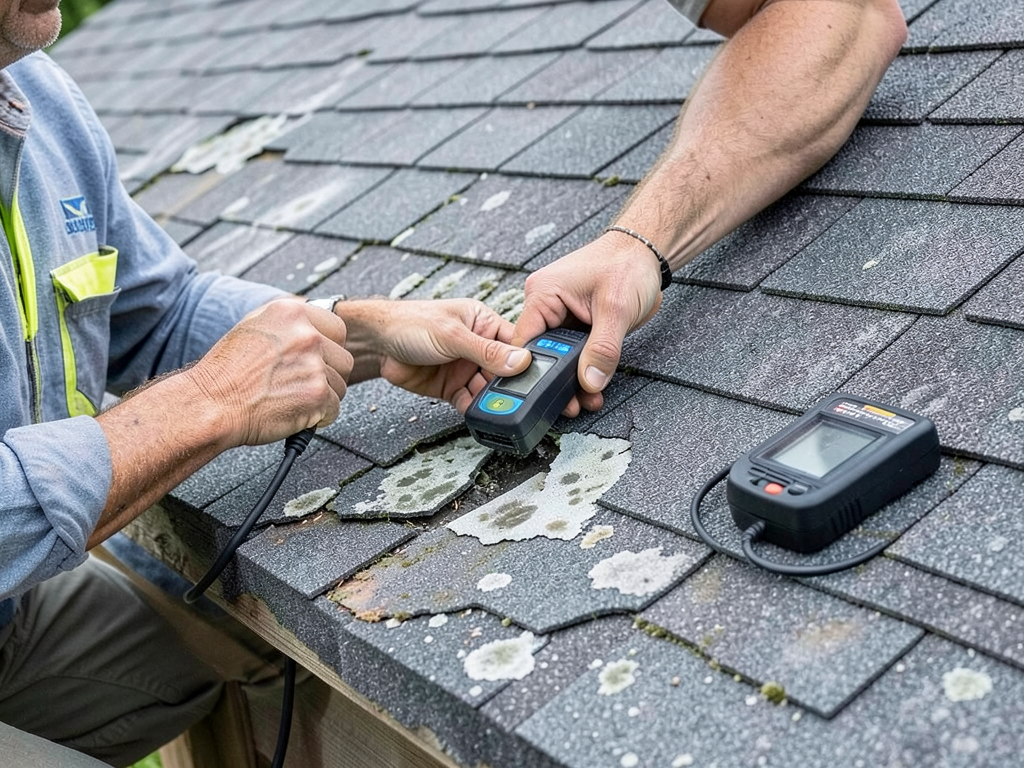
How to spot a storm chaser roofing scam in the Fletcher Place area
After a major storm hits Indianapolis, Fletcher Place residents often face a second threat: out-of-state contractors who show up at their door offering “free inspections” and quick fixes. These storm chasers prey on homeowners’ anxiety and lack of knowledge about roofing systems. The damage from hail or wind is real, but the solutions they offer often lead to insurance fraud, poor workmanship, or disappearing deposits. Indiana Attorney General Consumer Protection Division.
The first sign of trouble is the timing. Legitimate local roofers don’t wait for storms to knock on doors. They build relationships through community involvement and referrals. When someone arrives within hours of severe weather, claiming to have “extra materials” from a nearby job or offering a price that seems too good to be true, that’s your first red flag.
Storm chasers typically operate in three stages. First comes the door knock, often with a clipboard and a badge that looks official but isn’t. Second is the “free inspection” where they find extensive damage that may or may not exist. Third is the high-pressure sales pitch that pushes you to sign before you’ve had time to think or get other opinions.
Understanding how these scams work is your best defense. The following sections break down the specific tactics used in Indianapolis and what you can do to protect yourself and your home.
Red Flags That Signal a Storm Chaser
Legitimate roofing contractors build their business on trust and quality work. Storm chasers rely on deception and urgency. Here are the warning signs that should make you pause before signing anything. Should you choose cedar shake or asphalt for your Meridian-Kessler home?.
A contractor who demands cash upfront or wants you to sign over your insurance check before any work begins is operating outside standard industry practices. Most reputable companies require no more than 30% down and only after you’ve received and approved a detailed contract.
The “we’ll pay your deductible” offer is illegal in Indiana under the Home Improvement Fraud Statute. This practice, called deductible waiver, is insurance fraud that can result in your claim being denied and you being held liable for the full cost of repairs.
Be wary of anyone who claims to be “working in the neighborhood” without proof of local licensing. Marion County requires contractors to register with the Building Authority, and this registration should be verifiable through public records.
High-pressure tactics are another major red flag. If someone tells you that you must sign today because they’re leaving town tomorrow or that the damage will get worse if you don’t act immediately, they’re trying to manipulate your decision-making process.
Finally, watch for contractors who avoid discussing permits, insurance coverage, or warranty details. A legitimate roofing company will explain the entire process, including how permits work in Indianapolis and what your insurance will actually cover. How to navigate a roofing insurance claim in Brownsburg without the headache.
Common Storm Chaser Tactics in Indianapolis
Storm chasers use specific techniques that have proven effective at separating homeowners from their money. Understanding these tactics helps you recognize them when they appear at your door.
The free inspection scam often starts with a contractor claiming they were “in the area” after a storm. They’ll climb on your roof and find extensive damage, sometimes using tactics like tapping shingles with a golf ball to create the sound of hail damage. They photograph every minor imperfection and present it as evidence of major storm damage. The best asphalt shingle brands for Greenwood homes (and why they matter).
Insurance overpayment schemes involve contractors who intentionally inflate the scope of work to get more money from your insurance company. They might claim damage to areas that weren’t actually affected by the storm or add unnecessary repairs to increase the claim amount.
The disappearing deposit scam works when you pay a large upfront fee, sometimes 50% or more, and the contractor never returns to complete the work. By the time you realize what happened, they’ve moved on to the next storm-hit area.
“Leftover materials” is a classic pitch where someone claims they have excess roofing materials from a job down the street and can give you a great deal. This usually means they’re using substandard or mismatched materials that won’t properly protect your home.
Contingency agreements are contracts that require you to use their services if your insurance approves any claim, regardless of the actual damage. These agreements often include clauses that give the contractor control over your insurance claim and payment.
Indiana Licensing and Insurance Requirements
Indiana doesn’t have a statewide roofing contractor license, which makes it easier for out-of-state operators to work here. However, Marion County and several surrounding counties have their own registration requirements that legitimate contractors must follow.
In Marion County, roofing contractors must register with the Building Authority and carry general liability insurance. This registration isn’t the same as a license, but it does provide a layer of accountability and allows homeowners to verify that a contractor is operating legally in the area.
General liability insurance protects you if a contractor damages your property during the job. Workers’ compensation insurance protects you from liability if a worker gets injured on your property. Any reputable contractor should carry both and be willing to provide proof.
The Indiana Home Improvement Contracts Act requires certain disclosures and protections for homeowners. Contracts must include specific information about cancellation rights, payment terms, and dispute resolution procedures. If a contractor refuses to provide a written contract with these elements, that’s a major red flag.
Local building permits are required for most roofing work in Indianapolis. A legitimate contractor will pull the necessary permits and ensure the work meets local building codes. Storm chasers often skip permits to save time and money, leaving you with potential liability issues.
How to Verify an Indianapolis Roofing Contractor
Before signing any contract, take these steps to verify that you’re dealing with a legitimate local contractor who will stand behind their work.
Start with the Better Business Bureau of Central Indiana. Look for companies with high ratings and check for any complaints filed in the past three years. Pay attention to how the company responded to complaints, not just whether they occurred. Better Business Bureau of Central Indiana.
Check the Indiana Attorney General’s Consumer Protection Division website for complaints against the contractor. This database includes reports of fraud, unlicensed activity, and other consumer protection issues.
Ask for proof of insurance and verify it directly with the insurance company. Don’t just take the contractor’s word for it. A legitimate company will provide you with the insurance company’s name and policy number.
Request references from recent local jobs, not just jobs from out of state. Call these references and ask about their experience with the contractor, the quality of work, and whether the project was completed on time and within budget.
Verify their physical business address. Storm chasers often operate from hotels or temporary offices. A legitimate local company will have a permanent office location where you can visit if needed.
Check their vehicle and equipment. Local contractors typically have company vehicles with consistent branding and professional equipment. Storm chasers often use unmarked vehicles or rental trucks.
Indiana-Specific Storm Damage Patterns
Understanding how storms actually damage roofs in central Indiana helps you spot when someone is exaggerating the extent of damage.
Hail damage in Indianapolis typically appears as circular impressions on shingles where the impact broke the protective granules. The size and depth of these impressions indicate the severity of the storm. Not every mark on your roof is hail damage, and a legitimate inspector will distinguish between impact damage and normal wear.
Wind damage often affects the edges and corners of roofs first. Shingles may be lifted or torn away, exposing the underlayment. A contractor who claims extensive damage in the center of your roof without visible edge damage might be exaggerating.
Freeze-thaw cycles common in Indiana can cause ice dams that lead to water infiltration. This damage typically appears as ice buildup at the eaves and water stains on interior walls. Storm chasers might confuse this with hail damage to justify unnecessary repairs.
The timing of damage matters. If someone claims your roof was severely damaged in a storm that happened three months ago but you’re just hearing about it now, be skeptical. Most storm damage becomes apparent within days or weeks, not months.
Local weather patterns also matter. Indianapolis typically experiences severe weather in spring and summer, with hail being most common in May and June. A contractor claiming major hail damage in January should raise immediate suspicion.
Steps to Take If You Suspect a Scam
If you believe you’re dealing with a storm chaser or suspect roofing fraud, take these steps immediately to protect yourself and your property.
Document everything. Take photos of the contractor’s vehicle, business cards, and any documents they provide. Note the date, time, and what was said during any interactions. This documentation can be crucial if you need to file a complaint or pursue legal action.
Don’t sign anything under pressure. If a contractor insists you must sign immediately or claims the offer expires today, that’s a tactic to prevent you from doing research or getting other opinions. Getting emergency roof repairs in Broad Ripple before the next big rain.
Contact your insurance company directly. They can send their own adjuster to assess the damage independently. Insurance companies have experience dealing with storm chasers and can help you determine if the claimed damage is legitimate.
File a complaint with the Indiana Attorney General’s Consumer Protection Division. They investigate roofing fraud and can take action against unlicensed or fraudulent contractors. The complaint process is online and can be completed quickly.
Report the contractor to the Marion County Building Authority if they’re operating without proper registration. This helps protect other homeowners from falling victim to the same scam.
Consider contacting local media. Stations like WTHR and Fox59 have investigative reporters who cover consumer protection issues, including roofing scams. Public exposure can help prevent others from being victimized.
Seek legal advice if you’ve already signed a contract and paid money. An attorney can help you understand your rights and options for canceling the contract or recovering your money.
Protecting Your Home Long-Term
The best protection against storm chasers is having a relationship with a reputable local contractor before you need emergency repairs. This proactive approach saves you from making rushed decisions during stressful situations.. Read more about How to handle emergency tree removal and roof tarping in Meridian Hills.
Schedule a professional roof inspection every few years, even if you haven’t experienced storm damage. This establishes a baseline condition for your roof and helps you identify genuine damage when it occurs.
Keep records of all maintenance and repairs. This documentation proves the condition of your roof over time and helps insurance companies assess claims accurately.
Consider investing in impact-resistant shingles if you live in an area prone to hail. These shingles may cost more upfront but can reduce damage from storms and potentially lower your insurance premiums.
Maintain your gutters and downspouts to ensure proper water drainage. Poor drainage can cause damage that storm chasers might incorrectly attribute to hail or wind.
Trim trees near your home to prevent branches from damaging your roof during storms. This simple maintenance step can prevent many types of storm-related damage.
Join neighborhood social media groups where residents share information about contractors and suspicious activity. Community awareness is one of the best defenses against storm chasers.
Finally, trust your instincts. If something feels wrong about a contractor’s approach or offer, it probably is. Take the time to verify credentials and get multiple opinions before making any decisions about major home repairs.
Frequently Asked Questions
How can I tell if hail damage is real or being exaggerated?
Real hail damage typically shows as circular impressions on shingles where granules are missing. A legitimate inspector will look for patterns consistent with hail impact and may use a golf ball test to demonstrate what hail damage looks like. If someone claims every mark on your roof is hail damage, be skeptical.
What should I do if a contractor asks me to sign over my insurance check?
Never sign over an insurance check to a contractor before the work is completed to your satisfaction. This practice leaves you vulnerable if the contractor doesn’t finish the job or does poor quality work. Pay only after the work is inspected and approved.
Are storm chasers more active after certain types of storms?
Yes, storm chasers typically follow major hail and wind events. They monitor weather reports and insurance claims data to identify areas with the most damage. Indianapolis experiences frequent severe weather in spring and summer, making these seasons particularly active for storm chasers.
Resources for Fletcher Place Homeowners
The Fletcher Place neighborhood, located just south of downtown Indianapolis, has specific characteristics that make it both attractive and vulnerable to certain types of storm damage. The area’s mix of historic and newer construction means roofing systems vary widely in age and quality.
Local landmarks like the Fountain Square Theatre and the many converted warehouses in the area have unique roofing challenges that require specialized knowledge. Storm chasers often lack experience with these architectural styles and may recommend inappropriate solutions.
The neighborhood’s proximity to Pleasant Run Creek means some areas experience higher humidity and moisture levels, which can affect roof longevity and create conditions that storm chasers might exploit by claiming “hidden damage” that doesn’t exist.
Zip codes serving Fletcher Place include 46203 and parts of 46225. When verifying contractors, ask specifically about their experience working in these zip codes and with the types of homes common to the area.
The ongoing development along Virginia Avenue and the cultural trail has increased construction activity in Fletcher Place, creating more opportunities for storm chasers to blend in with legitimate contractors. Stay vigilant and verify credentials carefully.
Local building codes in Marion County require specific underlayment and ice barrier installations for roofs in this area due to freeze-thaw cycles. A legitimate contractor will know these requirements and ensure your roof meets current standards.
For emergency situations, keep the phone number of a trusted local contractor handy. When storm damage occurs, you won’t have time to research companies thoroughly, so having a pre-vetted option can save you from making rushed decisions with storm chasers.
Conclusion
Storm chasers represent a real threat to Indianapolis homeowners, especially in neighborhoods like Fletcher Place that experience frequent severe weather. By understanding their tactics, knowing what to look for, and taking proactive steps to verify contractors, you can protect your home and your finances from these predatory operators.
Remember that legitimate local contractors build their business on trust, quality work, and community relationships. They don’t need to pressure you into signing contracts or make unrealistic promises about insurance payouts. If someone is pushing you to make a quick decision after a storm, that’s your signal to slow down and do more research.
Your home is likely your largest investment. Don’t let storm chasers turn a weather emergency into a financial disaster. Take the time to verify credentials, get multiple opinions, and work with contractors who have established reputations in the Indianapolis area.
Call (317) 703-7557 today to schedule your inspection. Our team has served Fletcher Place and the greater Indianapolis area for years, and we’re committed to honest assessments and quality workmanship that protects your home for the long term. The honest cost of a full roof replacement in Indianapolis for 2026.
Pick up the phone and call (317) 703-7557 before the next storm hits. Don’t wait until you’re facing a crisis to find a roofing contractor you can trust. Let us show you the difference between a storm chaser and a true professional who cares about your home as much as you do.
You may also find this helpful. Why TPO is the go-to choice for flat roof restoration on Mass Ave storefronts.
{
“@context”: “https://schema.org”,
“@type”: “BlogPosting”,
“headline”: “How to spot a storm chaser roofing scam in the Fletcher Place area”,
“description”: “Learn how to identify and avoid roofing scams in Fletcher Place after Indiana storms. Protect your home with these expert tips from local Indianapolis roofers.”,
“wordCount”: 2643,
“datePublished”: “2026-03-20T10:05:00.000Z”,
“dateModified”: “2026-03-20T10:05:00.000Z”,
“inLanguage”: “en-US”,
“mainEntityOfPage”: {
“@type”: “WebPage”,
“@id”: “https://eliteroofingindianapolis.com”
},
“publisher”: {
“@type”: “LocalBusiness”,
“name”: “Elite Roofing Indianapolis”,
“url”: “https://eliteroofingindianapolis.com”
},
“author”: {
“@type”: “Organization”,
“name”: “Elite Roofing Indianapolis”,
“url”: “https://eliteroofingindianapolis.com”
},
“image”: {
“@type”: “ImageObject”,
“url”: “https://eliteroofingindianapolis.com/wp-content/uploads/2026/03/how-to-spot-a-storm-chaser-roofing-scam-in-the-fle-1.png”
}
}
{
“@context”: “https://schema.org”,
“@type”: “RoofingContractor”,
“name”: “Elite Roofing Indianapolis”,
“url”: “https://eliteroofingindianapolis.com”,
“address”: {
“@type”: “PostalAddress”,
“addressLocality”: “Indianapolis”
},
“areaServed”: {
“@type”: “City”,
“name”: “Indianapolis”
}
}
{
“@context”: “https://schema.org”,
“@type”: “FAQPage”,
“mainEntity”: [
{
“@type”: “Question”,
“name”: “How can I tell if hail damage is real or being exaggerated?”,
“acceptedAnswer”: {
“@type”: “Answer”,
“text”: “Real hail damage typically shows as circular impressions on shingles where granules are missing. A legitimate inspector will look for patterns consistent with hail impact and may use a golf ball test to demonstrate what hail damage looks like. If someone claims every mark on your roof is hail damage, be skeptical.”
}
},
{
“@type”: “Question”,
“name”: “What should I do if a contractor asks me to sign over my insurance check?”,
“acceptedAnswer”: {
“@type”: “Answer”,
“text”: “Never sign over an insurance check to a contractor before the work is completed to your satisfaction. This practice leaves you vulnerable if the contractor doesn’t finish the job or does poor quality work. Pay only after the work is inspected and approved.”
}
},
{
“@type”: “Question”,
“name”: “Are storm chasers more active after certain types of storms?”,
“acceptedAnswer”: {
“@type”: “Answer”,
“text”: “Yes, storm chasers typically follow major hail and wind events. They monitor weather reports and insurance claims data to identify areas with the most damage. Indianapolis experiences frequent severe weather in spring and summer, making these seasons particularly active for storm chasers.”
}
}
]
}
{
“@context”: “https://schema.org”,
“@type”: “BreadcrumbList”,
“itemListElement”: [
{
“@type”: “ListItem”,
“position”: 1,
“name”: “Home”,
“item”: “https://eliteroofingindianapolis.com”
},
{
“@type”: “ListItem”,
“position”: 2,
“name”: “Blog”,
“item”: “https://eliteroofingindianapolis.com/blog”
},
{
“@type”: “ListItem”,
“position”: 3,
“name”: “How to spot a storm chaser roofing scam in the Fletcher Place area”
}
]
}
{
“@context”: “https://schema.org”,
“@type”: “Service”,
“serviceType”: “Roofing”,
“provider”: {
“@type”: “LocalBusiness”,
“name”: “Elite Roofing Indianapolis”,
“url”: “https://eliteroofingindianapolis.com”
},
“areaServed”: {
“@type”: “City”,
“name”: “Indianapolis”
},
“description”: “Learn how to identify and avoid roofing scams in Fletcher Place after Indiana storms. Protect your home with these expert tips from local Indianapolis roofers.”
}