
Can you layer new shingles over old ones on your Indianapolis home?
The short answer for Indianapolis homeowners is usually no, and here’s why. Indiana’s Residential Code limits roofs to two layers, and our freeze-thaw winters make moisture trapping a serious risk. A full tear-off costs more upfront but prevents hidden rot, ice dam damage, and warranty voids that can cost thousands later. Indiana Residential Code roofing requirements.
Roof Overlay vs. Tear-Off: What’s the Difference?
A roof overlay means installing new shingles directly over existing ones. A tear-off removes everything down to the deck before installing new materials. In Indianapolis, overlays save on labor and disposal but add weight and trap heat and moisture. Tear-offs let you inspect the deck, install proper ice shields, and meet code for new warranties. The best asphalt shingle brands for Greenwood homes (and why they matter).
| Factor | Overlay | Tear-Off |
|---|---|---|
| Upfront Cost | 15-20% lower | Full cost |
| Indiana Code Compliance | Max 2 layers | Always compliant |
| Ice Shield Installation | Not possible | Required per R905.1.2 |
| Deck Inspection | No | Yes |
| Long-Term Warranty | Often void | Full coverage |
The Overlay Process and Why It Fails Here
During an overlay, crews nail through both layers into the deck. In Indianapolis, summer humidity and winter ice cause shingles to expand and contract at different rates, loosening nails over time. Trapped moisture between layers breeds algae and rots the deck from the inside. A 2024 Marion County inspection found 30% of overlays had hidden soft spots under the top layer.
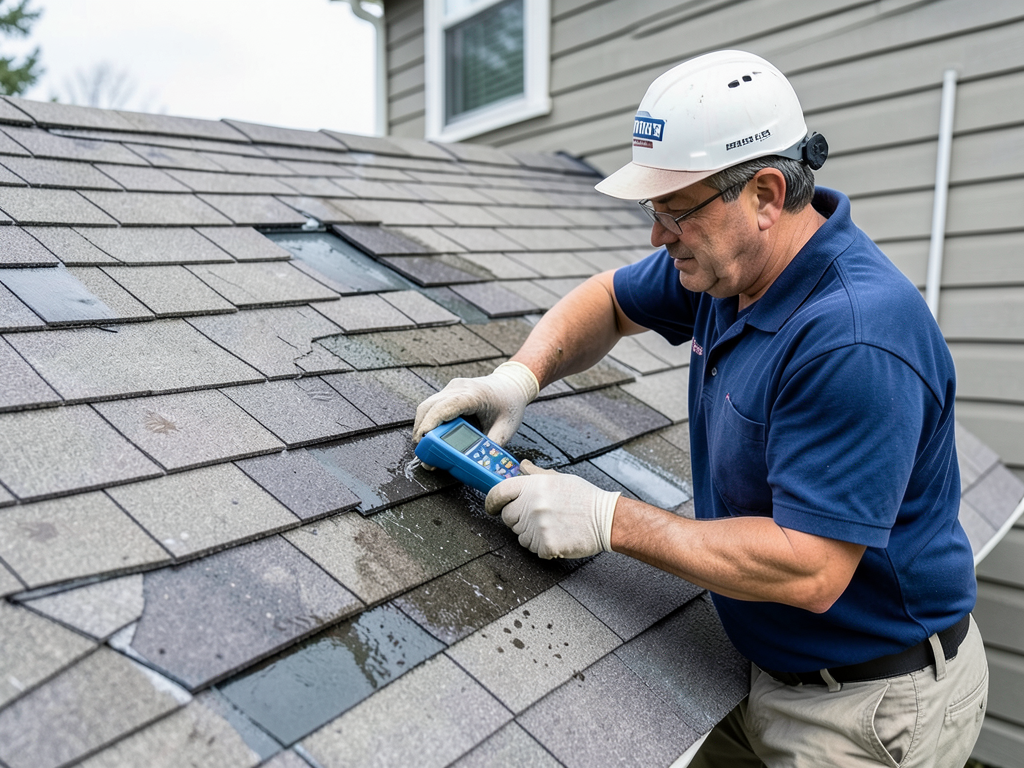
Photo of moisture meter reading showing elevated dampness between shingle layers on an Indianapolis home.
The Tear-Off Advantage: Inspection and Ice Protection
A full tear-off reveals nail pops, soft decking, and damaged flashing. In Indiana winters, ice and water shield must extend 24 inches past the heated wall per Indiana Residential Code R905.1.2. This barrier prevents melt-water from backing up under shingles. Without it, ice dams push water under the first layer, and the second layer offers no defense.
Indianapolis Building Codes and Permit Requirements
Marion County requires a permit for any re-roofing project. The Indiana Residential Code (based on IRC) limits homes to two shingle layers total. If your roof already has one layer, a second overlay pushes you to the limit; a third would require a full tear-off before any work. Skipping permits risks fines and insurance claim denials. How to navigate a roofing insurance claim in Brownsburg without the headache.
Cost Breakdown for Indianapolis Homeowners
Local labor rates in 2026 average $85-110 per square for tear-offs, plus $50-70 for disposal. An overlay cuts labor to $60-80 per square but adds future disposal costs when the second layer must be removed. For a 2,000-square-foot ranch in Greenwood, a tear-off runs $8,000-10,000; an overlay runs $6,500-7,500, but future removal adds $3,000-4,000.
Ice Dam Risks Unique to Indiana Winters
Indianapolis averages 22 inches of snow and frequent freeze-thaw cycles. Ice dams form when heat escapes the attic, melting snow that refreezes at the eaves. On a double-layer roof, trapped heat accelerates melting, increasing dam size. Water backs up under shingles, rots the deck, and leaks into walls. Tear-offs allow proper ridge vent installation to equalize attic temperature.
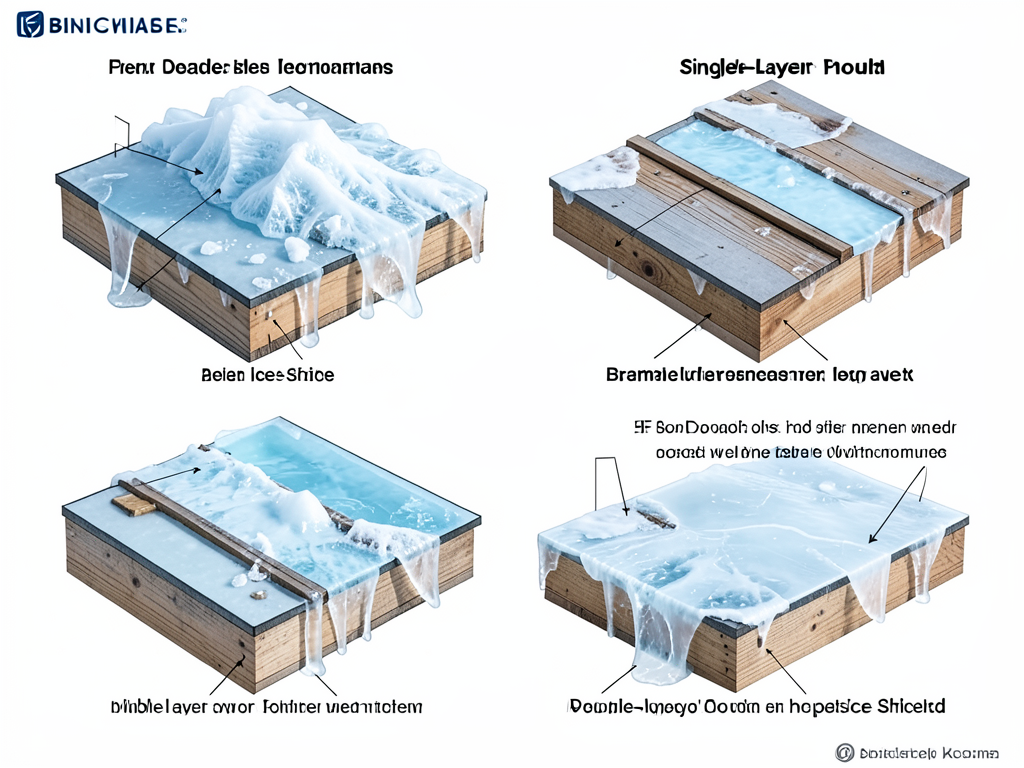
Diagram showing ice dam formation on a double-layer roof versus a single-layer roof with proper ice shield.
When an Overlay Might Be Acceptable
An overlay can work if your roof has only one layer, the deck is solid, and you plan to stay less than five years. It is also viable for detached garages or sheds not subject to the same code scrutiny. Even then, use lighter architectural shingles and ensure proper underlayment to reduce heat retention.
Impact on Home Value and Insurance
Indiana home inspectors flag multiple layers as a defect. Buyers often demand a tear-off credit, reducing your sale price by $1,500-3,000. Insurers may deny claims on unpermitted overlays, leaving you to pay for water damage. A 2025 Indianapolis real estate study found homes with full tear-off replacements sold 7% faster than those with overlays. The honest cost of a full roof replacement in Indianapolis for 2026.
Manufacturer Warranty Limitations
Major brands like GAF and Owens Corning void warranties on overlays because they cannot guarantee adhesion or moisture control. Even if the overlay lasts 10 years, you lose the 25-30 year coverage that comes with a tear-off. In Indiana’s harsh climate, that difference can mean $5,000-7,000 in repairs over the roof’s life. EPA guidelines on construction waste disposal.
Photo of rotted decking discovered during a tear-off on a home that had a failed overlay in Indianapolis.
The Verdict: Which Is Right for Your Indianapolis Home?
- Choose overlay only if: Single layer exists, deck is solid, short-term ownership, non-living space.
- Choose tear-off if: Two layers already, planning to stay long-term, want full warranty, concerned about ice dams or resale.
Most Indianapolis homeowners find the tear-off’s upfront cost is offset by avoided repairs, code compliance, and higher resale value. If you are unsure, a professional inspection can reveal hidden damage and guide your decision.
Protect Your Home with a Professional Inspection
Before deciding, have a licensed roofer inspect your deck, flashing, and attic ventilation. In Indianapolis, hidden moisture and ice dam risks make this step critical. Call (317) 703-7557 today to schedule your inspection and get a clear, no-pressure recommendation tailored to your home.
Pick up the phone and call (317) 703-7557 before the next storm hits. Your roof protects everything inside—make sure it is built to last.
Frequently Asked Questions
Is it ever legal to add a third layer of shingles in Indianapolis?
No. The Indiana Residential Code limits residential roofs to two layers. Adding a third layer violates code and can result in fines or required removal.
How long does a typical roof overlay last in Indiana?
Most overlays in Indiana last 10-12 years due to moisture trapping and heat buildup. A full tear-off with proper materials typically lasts 20-25 years.
Will my homeowner’s insurance cover damage from an overlay?
Many insurers will not cover damage if the overlay was unpermitted or violates local codes. Always check with your provider before proceeding.
What is ice and water shield, and why is it required?
Ice and water shield is a waterproof membrane installed along eaves and valleys. Indiana code requires it to prevent ice dam leaks, which are common in our freeze-thaw winters.
Can I install a lighter material like metal over existing shingles?
Even metal adds weight and still traps moisture. Most building codes require removal of old shingles before installing a new roof system, regardless of material.
You may also find this helpful. The high price of DIY roofing mistakes in Fishers and why they usually backfire.
You may also find this helpful. The specific challenges of roofing a high-pitched Victorian home in Franklin Township.
{
“@context”: “https://schema.org”,
“@type”: “BlogPosting”,
“headline”: “Can you layer new shingles over old ones on your Indianapolis home?”,
“description”: “Wondering if you can layer shingles in Indianapolis? Learn local codes, weather risks, and why a full tear-off often protects your home better. Call (317) 703-7557.”,
“wordCount”: 1088,
“datePublished”: “2026-03-25T13:26:00.000Z”,
“dateModified”: “2026-03-25T13:26:00.000Z”,
“inLanguage”: “en-US”,
“mainEntityOfPage”: {
“@type”: “WebPage”,
“@id”: “https://eliteroofingindianapolis.com”
},
“publisher”: {
“@type”: “LocalBusiness”,
“name”: “Elite Roofing Indianapolis”,
“url”: “https://eliteroofingindianapolis.com”
},
“author”: {
“@type”: “Organization”,
“name”: “Elite Roofing Indianapolis”,
“url”: “https://eliteroofingindianapolis.com”
},
“image”: {
“@type”: “ImageObject”,
“url”: “https://eliteroofingindianapolis.com/wp-content/uploads/2026/03/can-you-layer-new-shingles-over-old-ones-on-your-i-1.png”
}
}
{
“@context”: “https://schema.org”,
“@type”: “RoofingContractor”,
“name”: “Elite Roofing Indianapolis”,
“url”: “https://eliteroofingindianapolis.com”,
“address”: {
“@type”: “PostalAddress”,
“addressLocality”: “Indianapolis”
},
“areaServed”: {
“@type”: “City”,
“name”: “Indianapolis”
}
}
{
“@context”: “https://schema.org”,
“@type”: “FAQPage”,
“mainEntity”: [
{
“@type”: “Question”,
“name”: “Roof Overlay vs. Tear-Off: What’s the Difference?”,
“acceptedAnswer”: {
“@type”: “Answer”,
“text”: “A roof overlay means installing new shingles directly over existing ones. A tear-off removes everything down to the deck before installing new materials. In Indianapolis, overlays save on labor and disposal but add weight and trap heat and moisture. Tear-offs let you inspect the deck, install proper ice shields, and meet code for new warranties. The best asphalt shingle brands for Greenwood homes (and why they matter).”
}
},
{
“@type”: “Question”,
“name”: “Is it ever legal to add a third layer of shingles in Indianapolis?”,
“acceptedAnswer”: {
“@type”: “Answer”,
“text”: “No. The Indiana Residential Code limits residential roofs to two layers. Adding a third layer violates code and can result in fines or required removal.”
}
},
{
“@type”: “Question”,
“name”: “How long does a typical roof overlay last in Indiana?”,
“acceptedAnswer”: {
“@type”: “Answer”,
“text”: “Most overlays in Indiana last 10-12 years due to moisture trapping and heat buildup. A full tear-off with proper materials typically lasts 20-25 years.”
}
},
{
“@type”: “Question”,
“name”: “Will my homeowner’s insurance cover damage from an overlay?”,
“acceptedAnswer”: {
“@type”: “Answer”,
“text”: “Many insurers will not cover damage if the overlay was unpermitted or violates local codes. Always check with your provider before proceeding.”
}
},
{
“@type”: “Question”,
“name”: “What is ice and water shield, and why is it required?”,
“acceptedAnswer”: {
“@type”: “Answer”,
“text”: “Ice and water shield is a waterproof membrane installed along eaves and valleys. Indiana code requires it to prevent ice dam leaks, which are common in our freeze-thaw winters.”
}
},
{
“@type”: “Question”,
“name”: “Can I install a lighter material like metal over existing shingles?”,
“acceptedAnswer”: {
“@type”: “Answer”,
“text”: “Even metal adds weight and still traps moisture. Most building codes require removal of old shingles before installing a new roof system, regardless of material.”
}
}
]
}
{
“@context”: “https://schema.org”,
“@type”: “BreadcrumbList”,
“itemListElement”: [
{
“@type”: “ListItem”,
“position”: 1,
“name”: “Home”,
“item”: “https://eliteroofingindianapolis.com”
},
{
“@type”: “ListItem”,
“position”: 2,
“name”: “Blog”,
“item”: “https://eliteroofingindianapolis.com/blog”
},
{
“@type”: “ListItem”,
“position”: 3,
“name”: “Can you layer new shingles over old ones on your Indianapolis home?”
}
]
}
{
“@context”: “https://schema.org”,
“@type”: “Service”,
“serviceType”: “Roofing”,
“provider”: {
“@type”: “LocalBusiness”,
“name”: “Elite Roofing Indianapolis”,
“url”: “https://eliteroofingindianapolis.com”
},
“areaServed”: {
“@type”: “City”,
“name”: “Indianapolis”
},
“description”: “Wondering if you can layer shingles in Indianapolis? Learn local codes, weather risks, and why a full tear-off often protects your home better. Call (317) 703-7557.”
}