
The specific challenges of roofing a high-pitched Victorian home in Franklin Township
Steep Victorian roofs in Franklin Township demand specialized expertise. The combination of extreme pitch angles, historic architectural details, and Midwest weather patterns creates unique challenges that standard roofing crews simply cannot handle safely. These homes require precision flashing around ornate dormers, proper ventilation in complex attic spaces, and materials rated for both high wind uplift and heavy snow loads. How to navigate a roofing insurance claim in Brownsburg without the headache.
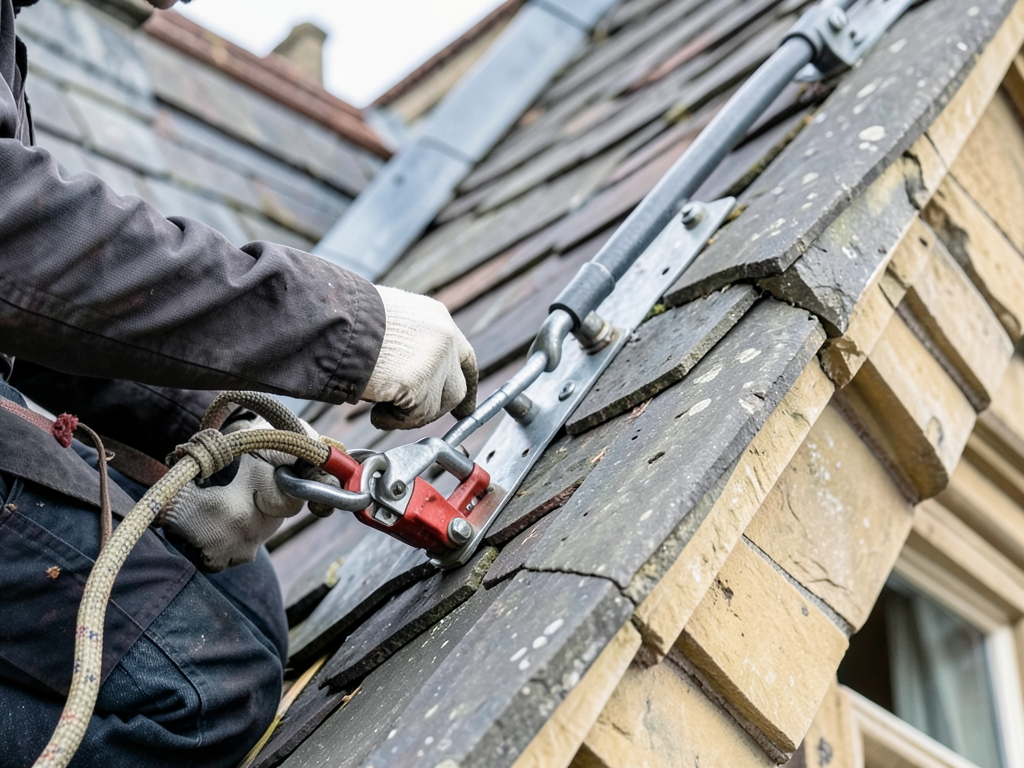
Franklin Township’s older neighborhoods feature many Victorian-era homes with roof pitches often exceeding 9:12 or even 12:12. At these angles, standard safety equipment becomes inadequate. Workers need specialized fall protection systems, including roof jacks, toe boards, and full-body harnesses anchored to the structure itself. The steep slope also affects material selection since standard three-tab shingles may not provide adequate wind resistance on such dramatic inclines. The best asphalt shingle brands for Greenwood homes (and why they matter).
Indiana’s seasonal extremes compound these challenges. Summer heat causes rapid expansion and contraction of roofing materials on steep slopes, while winter ice dams can force water under improperly installed flashing. The freeze-thaw cycles common in Franklin Township can cause historic slate or cedar shake roofs to crack if not properly maintained. Local building codes require specific underlayment and ice barrier installations for roofs exceeding certain pitch thresholds. Roofing Beech Grove.
Working on these historic structures requires understanding original construction methods. Many Victorian homes in Franklin Township were built with balloon framing and lack modern hurricane ties or lateral bracing. This affects how loads transfer during high winds. Additionally, the ornate architectural details like turrets, widow’s walks, and complex valleys require custom-fabricated flashing rather than standard pre-formed pieces.
Material weight becomes a critical factor on steep slopes. While heavy slate or clay tile provides excellent longevity, the roof structure must support this additional load. Many historic homes may need structural reinforcement before heavy materials can be installed. Synthetic alternatives like polymer slate offer similar aesthetics with reduced weight but still require proper fastening patterns specific to steep applications.. Read more about Why synthetic slate is the perfect middle ground for homeowners in Crows Nest and North Willow.
Ventilation presents another unique challenge. The complex rooflines of Victorian homes create multiple attic spaces with varying volumes and exposures. Proper intake and exhaust ventilation must be calculated for each section to prevent moisture buildup and ice dam formation. Ridge vents may not be feasible on certain roof styles, requiring alternative solutions like powered attic fans or strategically placed gable vents.
Local permitting in Franklin Township requires detailed structural calculations for roof replacements on homes with pitches exceeding 8:12. The township engineering department reviews these submissions to ensure the existing structure can handle both the weight of new materials and potential snow loads. This process can add several weeks to project timelines compared to standard roof replacements. The honest cost of a full roof replacement in Indianapolis for 2026.
Weather windows become critical when working on steep slopes. Unlike standard roofs where work can continue in light rain, steep Victorian roofs become dangerously slippery when wet. This often means projects must be scheduled during historically dry periods, typically late spring through early fall in the Indianapolis area. Morning dew alone can delay work by several hours on these extreme pitches.
The restoration approach versus replacement decision carries significant weight for historic properties. Many Victorian homeowners in Franklin Township prefer to restore original materials like cedar shake or slate when possible. This requires specialized skills in cleaning, repairing, and selectively replacing damaged sections rather than complete tear-offs. The craftsmanship involved commands premium pricing but preserves the home’s historic character.. Read more about Restoring the character of metal porch roofs on historic Near Northside homes.
Insurance considerations also factor heavily into steep roof projects. Homes with pitches exceeding certain thresholds may face higher premiums or require specific wind mitigation documentation. Some insurance carriers mandate particular underlayment types or fastening patterns for high-pitch roofs in Indiana’s wind zone. Understanding these requirements helps ensure both compliance and coverage continuity.
Access challenges multiply on steep Victorian properties. The extreme roof angles often mean standard ladders cannot reach certain areas safely. This requires scaffolding systems or specialized aerial lifts, adding both time and cost to projects. The tight spacing between historic homes in many Franklin Township neighborhoods can further complicate equipment placement and material staging.
Quality control takes on heightened importance with steep-slope work. The consequences of poor installation become more severe as pitch increases. Water infiltration at a 4:12 pitch might cause minor ceiling stains, but the same failure on a 12:12 Victorian roof can result in major interior damage within hours. This necessitates multiple inspection points throughout the installation process and often requires third-party verification for historic properties.
Long-term maintenance planning differs significantly for steep Victorian roofs. The extreme angles make routine inspections more dangerous and often require specialized equipment even for basic maintenance tasks. Homeowners should budget for professional inspections at least annually, with additional checks following severe weather events. The cost of ongoing maintenance typically runs 30-50% higher than standard roof profiles due to these access challenges. Should you choose cedar shake or asphalt for your Meridian-Kessler home?.
Energy efficiency considerations also shift on steep slopes. The dramatic rooflines create larger attic volumes that require more robust insulation strategies. Proper air sealing becomes critical to prevent ice dam formation, particularly around penetrations for chimneys, vents, and other architectural features common in Victorian designs. Modern building science techniques must be adapted to work within the constraints of historic construction.
The investment in steep-slope expertise pays dividends through enhanced home protection and preserved property values. Franklin Township’s Victorian homes represent significant historical and financial investments that warrant specialized care. Working with contractors experienced in historic preservation and steep-slope applications ensures these architectural treasures receive the attention their complexity demands.
Frequently Asked Questions
What qualifies as a high-pitched roof for Victorian homes?
Roofs with pitches exceeding 8:12 are generally considered high-pitched. Many Victorian homes feature pitches of 9:12, 10:12, or even steeper. These extreme angles require specialized safety equipment and installation techniques that standard roofing crews cannot provide safely.. Read more about The best roofing options for detached garages and outbuildings in Wanamaker.
How much more does it cost to roof a steep Victorian compared to a standard roof?
Steep-slope roofing typically costs 40-60% more than standard installations due to increased labor, specialized equipment requirements, and longer project timelines. The exact premium depends on roof complexity, material selection, and local permitting requirements in Franklin Township.
Are there specific building codes for steep roofs in Franklin Township?
Yes, Franklin Township follows Marion County building codes with additional requirements for roofs exceeding 8:12 pitch. These include enhanced underlayment specifications, ice barrier requirements, and structural engineering reviews for historic properties. Local permits are mandatory for all steep-slope replacements.
How long does a steep Victorian roof replacement typically take?
Most steep Victorian roof replacements require 3-5 days under ideal conditions. Weather delays are common since work cannot proceed in wet conditions. Complex architectural features like turrets or multiple valleys can extend timelines by several days compared to standard installations.
What maintenance is required for steep Victorian roofs?
Steep Victorian roofs need professional inspections at least annually, with additional checks after severe weather. Key maintenance items include checking flashing integrity, clearing debris from valleys, inspecting for animal damage, and ensuring ventilation systems function properly. DIY maintenance is strongly discouraged due to safety risks.. Read more about Checking if your older Garfield Park home can actually support the weight of heavy designer shingles.
{
“@context”: “https://schema.org”,
“@type”: “BlogPosting”,
“headline”: “The specific challenges of roofing a high-pitched Victorian home in Franklin Township”,
“description”: “Steep Victorian roofs demand specialized expertise. Learn about pitch-specific safety, material requirements, and Franklin Township’s unique roofing challenges.”,
“wordCount”: 1206,
“datePublished”: “2026-04-11T15:15:00.000Z”,
“dateModified”: “2026-04-11T15:15:00.000Z”,
“inLanguage”: “en-US”,
“mainEntityOfPage”: {
“@type”: “WebPage”,
“@id”: “https://eliteroofingindianapolis.com”
},
“publisher”: {
“@type”: “LocalBusiness”,
“name”: “Elite Roofing Indianapolis”,
“url”: “https://eliteroofingindianapolis.com”
},
“author”: {
“@type”: “Organization”,
“name”: “Elite Roofing Indianapolis”,
“url”: “https://eliteroofingindianapolis.com”
},
“image”: {
“@type”: “ImageObject”,
“url”: “https://eliteroofingindianapolis.com/wp-content/uploads/2026/03/the-specific-challenges-of-roofing-a-high-pitched-1.png”
}
}
{
“@context”: “https://schema.org”,
“@type”: “RoofingContractor”,
“name”: “Elite Roofing Indianapolis”,
“url”: “https://eliteroofingindianapolis.com”,
“address”: {
“@type”: “PostalAddress”,
“addressLocality”: “Indianapolis”
},
“areaServed”: {
“@type”: “City”,
“name”: “Indianapolis”
}
}
{
“@context”: “https://schema.org”,
“@type”: “FAQPage”,
“mainEntity”: [
{
“@type”: “Question”,
“name”: “What qualifies as a high-pitched roof for Victorian homes?”,
“acceptedAnswer”: {
“@type”: “Answer”,
“text”: “Roofs with pitches exceeding 8:12 are generally considered high-pitched. Many Victorian homes feature pitches of 9:12, 10:12, or even steeper. These extreme angles require specialized safety equipment and installation techniques that standard roofing crews cannot provide safely.”
}
},
{
“@type”: “Question”,
“name”: “How much more does it cost to roof a steep Victorian compared to a standard roof?”,
“acceptedAnswer”: {
“@type”: “Answer”,
“text”: “Steep-slope roofing typically costs 40-60% more than standard installations due to increased labor, specialized equipment requirements, and longer project timelines. The exact premium depends on roof complexity, material selection, and local permitting requirements in Franklin Township.”
}
},
{
“@type”: “Question”,
“name”: “Are there specific building codes for steep roofs in Franklin Township?”,
“acceptedAnswer”: {
“@type”: “Answer”,
“text”: “Yes, Franklin Township follows Marion County building codes with additional requirements for roofs exceeding 8:12 pitch. These include enhanced underlayment specifications, ice barrier requirements, and structural engineering reviews for historic properties. Local permits are mandatory for all steep-slope replacements.”
}
},
{
“@type”: “Question”,
“name”: “How long does a steep Victorian roof replacement typically take?”,
“acceptedAnswer”: {
“@type”: “Answer”,
“text”: “Most steep Victorian roof replacements require 3-5 days under ideal conditions. Weather delays are common since work cannot proceed in wet conditions. Complex architectural features like turrets or multiple valleys can extend timelines by several days compared to standard installations.”
}
},
{
“@type”: “Question”,
“name”: “What maintenance is required for steep Victorian roofs?”,
“acceptedAnswer”: {
“@type”: “Answer”,
“text”: “Steep Victorian roofs need professional inspections at least annually, with additional checks after severe weather. Key maintenance items include checking flashing integrity, clearing debris from valleys, inspecting for animal damage, and ensuring ventilation systems function properly. DIY maintenance is strongly discouraged due to safety risks.”
}
}
]
}
{
“@context”: “https://schema.org”,
“@type”: “BreadcrumbList”,
“itemListElement”: [
{
“@type”: “ListItem”,
“position”: 1,
“name”: “Home”,
“item”: “https://eliteroofingindianapolis.com”
},
{
“@type”: “ListItem”,
“position”: 2,
“name”: “Blog”,
“item”: “https://eliteroofingindianapolis.com/blog”
},
{
“@type”: “ListItem”,
“position”: 3,
“name”: “The specific challenges of roofing a high-pitched Victorian home in Franklin Township”
}
]
}
{
“@context”: “https://schema.org”,
“@type”: “Service”,
“serviceType”: “Roofing”,
“provider”: {
“@type”: “LocalBusiness”,
“name”: “Elite Roofing Indianapolis”,
“url”: “https://eliteroofingindianapolis.com”
},
“areaServed”: {
“@type”: “City”,
“name”: “Indianapolis”
},
“description”: “Steep Victorian roofs demand specialized expertise. Learn about pitch-specific safety, material requirements, and Franklin Township’s unique roofing challenges.”
}