
Restoring the Character of Metal Porch Roofs on Historic Near Northside Homes
The Near Northside’s Victorian and Italianate homes feature distinctive metal porch roofs that define their architectural character. These ornamental structures require specialized restoration techniques that balance historical accuracy with modern weatherproofing. The humid Indiana summers and freeze-thaw winters create unique challenges for maintaining these delicate metal systems. How to navigate a roofing insurance claim in Brownsburg without the headache.
Homeowners in the Near Northside Historic District face strict guidelines from the Indianapolis Historic Preservation Commission (IHPC) when restoring porch roofs. The commission requires materials that match the original construction period, typically standing seam copper or galvanized steel with specific profile dimensions. Any restoration work must receive a Certificate of Appropriateness (COA) before beginning construction. Indianapolis Historic Preservation Commission.
Common failure points include corroded fasteners, separated seams, and deteriorated flashing around columns and brackets. The original metal sheets often suffer from galvanic corrosion where dissimilar metals contact, particularly near copper gutters or aluminum trim. A proper restoration addresses these issues while preserving the roof’s visual integrity from street level. EPA Lead-Safe Certification.
Understanding Near Northside Porch Architecture
The Near Northside developed during Indianapolis’s economic boom of the 1870s-1920s. Large porches with decorative metal roofing became status symbols for wealthy merchants and industrialists. These structures typically feature complex roof geometries with multiple hips, valleys, and decorative cresting that require expert installation. Roofing Beech Grove.
Victorian-era porch roofs often incorporate box gutters hidden within the structure. These integral drainage systems channel water through internal downspouts, eliminating visible modern gutter systems that would compromise historical appearance. However, box gutters frequently clog with debris and deteriorate from trapped moisture.
The Italianate homes in the district showcase wide eaves with elaborate bracketry supporting metal porch roofs. These brackets often feature scrollwork and floral motifs cast in iron or wood. The metal roofing must accommodate these decorative elements while maintaining proper drainage away from the foundation.
Common Materials and Their Restoration Challenges
Standing seam copper remains the gold standard for historic porch restoration. This material develops a protective patina over decades, transitioning from bright metallic to deep bronze then verdigris green. The seams lock together mechanically without exposed fasteners, creating watertight joints that last 75-100 years when properly installed.
Galvanized steel dominated porch roofing from 1880-1930 due to lower cost than copper. These sheets feature raised seams that overlap to shed water. The zinc coating protects the steel but eventually fails, causing red rust to appear at seams and fastener holes. Restoration requires careful removal of damaged sections while preserving sound material.
Tin-plated steel emerged as an economical alternative in the early 20th century. This material features a brighter silver appearance than galvanized steel but suffers similar corrosion patterns. The thin coating provides limited protection, making tin roofs particularly vulnerable to Indianapolis’s harsh seasonal cycles.
IHPC Compliance and Permit Requirements
The Indianapolis Historic Preservation Commission enforces strict guidelines for exterior modifications in historic districts. Porch roof restoration requires submitting detailed drawings showing existing conditions, proposed materials, and installation methods. The commission reviews applications for historical accuracy and visual compatibility with surrounding properties.
Certificate of Appropriateness applications must demonstrate material matching the original construction period. Modern alternatives like architectural-grade aluminum standing seam may be approved if they convincingly replicate traditional profiles and weathering characteristics. However, the commission rarely approves visible modern materials like asphalt shingles on historic porches. The best asphalt shingle brands for Greenwood homes (and why they matter).
Structural modifications require additional engineering review. Many Near Northside porches suffer from foundation settlement or deteriorated support columns. These issues must be addressed before roof restoration to prevent premature failure of new roofing systems.
Diagnostic Inspection Process
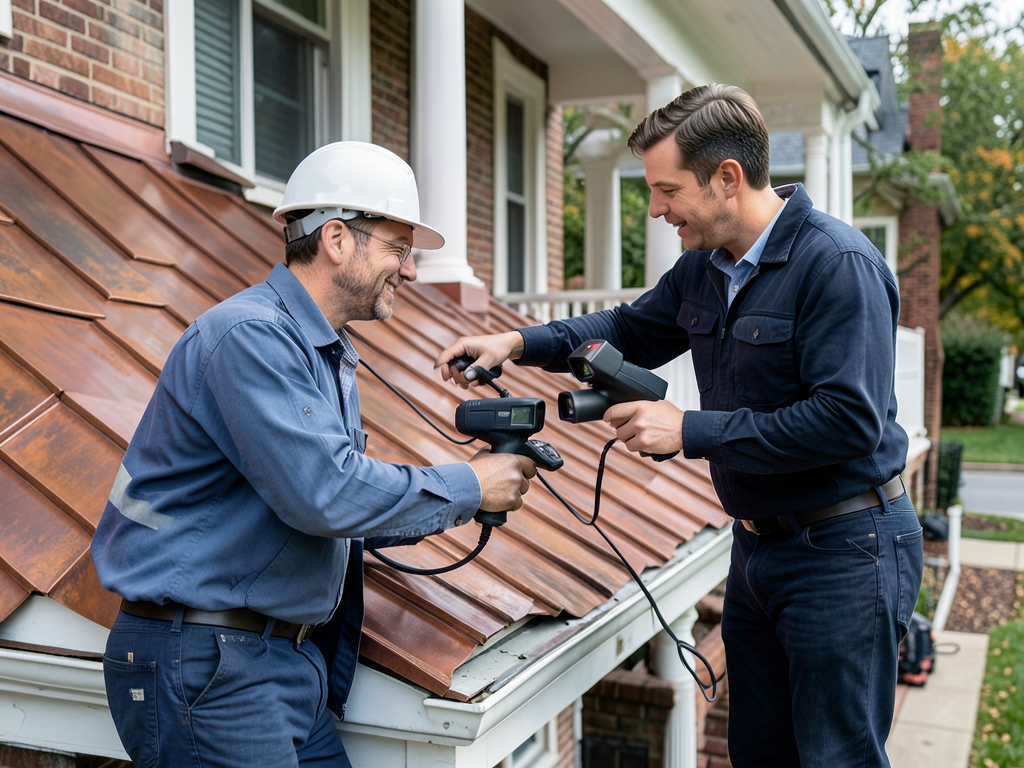
Professional restoration begins with a comprehensive roof inspection using specialized tools. A moisture meter detects hidden water damage in wood substrates beneath metal roofing. Readings above 18% indicate active rot requiring structural repairs before roof installation.
Thermal imaging cameras reveal heat loss patterns that indicate inadequate insulation or air leakage. These images help identify areas where condensation forms, accelerating metal corrosion from the underside. The camera also detects active roof leaks by showing temperature differentials where water penetrates.
Metal thickness measurements using a magnetic gauge determine remaining material life. Original copper sheets typically measure 20-22 gauge, while modern replacements often use thinner 24-26 gauge material. Insufficient thickness compromises structural integrity and weather resistance. The honest cost of a full roof replacement in Indianapolis for 2026.
Restoration vs. Replacement Decision Matrix
| Factor | Restoration | Replacement |
|---|---|---|
| Material Condition | <30% corrosion, sound seams | >50% deterioration, structural damage |
| Historical Value | High, original materials intact | Low, modern materials required |
| Cost Range | $8,000-$15,000 | $12,000-$25,000 |
| Timeline | 2-3 weeks | 3-5 weeks |
| IHPC Approval | Often streamlined | May require variances |
Step-by-Step Restoration Process
- Documentation and Permits
Photograph existing conditions, measure all dimensions, and submit COA application to IHPC. Include material samples and installation details.
- Structural Assessment
Inspect support columns, beams, and decking for rot or insect damage. Replace compromised wood members with period-appropriate lumber.
- Material Salvage
Carefully remove damaged metal sections while preserving sound material. Document original fastening patterns and seam configurations.
- Surface Preparation
Remove rust, old caulking, and debris from salvageable metal. Apply rust converter to stabilize remaining steel surfaces.
- New Material Integration
Install matching metal sheets using traditional locking techniques. Ensure new material weathers to match existing patina within 2-3 years.
Material Matching and Sourcing
Finding period-appropriate materials requires relationships with specialty suppliers. Traditional standing seam copper comes in 16-inch wide sheets with 1-inch high seams. The copper must be ASTM B370 alloy with specific temper for historic restoration work.
Galvanized steel reproduction sheets feature the same rib height and spacing as original materials. Modern galvanization uses zinc-aluminum alloy for improved corrosion resistance while maintaining the traditional appearance. The steel substrate matches original 24-gauge thickness for authentic visual weight.
Custom fabrication services recreate missing decorative elements like cresting, finials, and ornamental brackets. These pieces often require sand casting or wrought iron techniques that replicate 19th-century manufacturing methods. The patina application ensures new elements blend with weathered originals.
Common Near Northside Porch Roof Issues
Box gutter failure represents the most frequent porch roof problem in historic homes. These internal drainage systems trap leaves and debris, creating acidic sludge that eats through metal from the bottom up. The concealed location allows extensive damage before homeowners notice ceiling stains or water damage.
Corrosion at column bases occurs where dissimilar metals meet. Original installations often used steel brackets with copper roofing, creating galvanic cells that accelerate deterioration. The moisture from porch use and plant watering compounds this electrochemical reaction.
Ice dam formation damages historic metal roofs during Indianapolis winters. Heat escaping from uninsulated porch ceilings melts snow, which refreezes at cold eaves. The expanding ice forces metal seams apart and lifts fasteners, creating entry points for water.
Maintenance Recommendations for Homeowners
Annual inspections prevent minor issues from becoming major repairs. Check for loose fasteners, separated seams, and corrosion spots each spring after winter weather. Pay special attention to areas where roof planes intersect and around decorative elements.
Clean box gutters twice yearly to prevent clogging. Remove all organic debris that holds moisture against metal surfaces. Consider installing fine mesh screens over downspout openings to reduce future buildup while maintaining historical appearance.
Address paint deterioration promptly on steel roofs. Bare metal rusts quickly in Indianapolis humidity. Use zinc-rich primers followed by topcoats matched to original colors. Maintain consistent paint schedules to prevent widespread corrosion.
Cost Factors and Investment Considerations
Historic porch roof restoration costs vary significantly based on material selection and damage extent. Copper restoration typically costs $15-25 per square foot, while galvanized steel restoration runs $10-18 per square foot. These prices include removal, repair, and installation of new materials.
Structural repairs add substantial cost if underlying wood damage exists. Replacing rotted decking or support columns can double restoration expenses. However, these repairs prevent premature failure of new roofing systems and protect the home’s structural integrity.
Insurance coverage for historic restoration varies by policy. Some carriers offer endorsements for historical accuracy requirements, while others provide only replacement cost coverage. Document all restoration work thoroughly for future claims and property valuation.
Case Studies from the Near Northside
A 1902 Italianate home on North Alabama Street required complete box gutter replacement after 20 years of neglect. The original copper had corroded through in multiple locations, allowing water to damage second-story ceilings. Restoration involved fabricating new copper box gutters to match original dimensions and reinstalling salvaged cresting pieces.
A Queen Anne residence on North New Jersey Street needed selective panel replacement on its wraparound porch. The south-facing exposure suffered most from UV degradation and thermal cycling. Technicians matched new galvanized steel to existing patina using accelerated weathering techniques before installation.
A Craftsman bungalow on North Park Avenue required column base reconstruction after termite damage compromised support structures. The restoration included rebuilding column bases with pressure-treated lumber, then installing new copper roofing with traditional soldered seams to match the home’s 1915 construction date.
Environmental Considerations
Historic metal roofing contributes to sustainable building practices through material longevity. Copper roofs often last 100+ years, reducing landfill waste compared to asphalt shingles requiring replacement every 20-30 years. The energy required to produce copper is offset by its extended service life.
Modern restoration techniques incorporate environmental best practices. Lead-free solder replaces traditional lead-based products, eliminating toxic runoff. Water-based cleaners replace harsh chemical strippers that damage surrounding vegetation and contaminate soil.
Energy efficiency improvements complement historic restoration. Adding insulation beneath porch roofs reduces heat transfer while maintaining historical appearance. Proper ventilation prevents condensation that accelerates metal deterioration from the underside.
Finding Qualified Restoration Contractors
Historic porch restoration requires specialized skills beyond standard roofing. Look for contractors with experience in historical preservation, metal fabrication, and traditional joinery techniques. Membership in preservation organizations like the Association for Preservation Technology indicates commitment to proper restoration methods.
Verify contractor familiarity with IHPC requirements and local building codes. Experienced restorers maintain relationships with historical commission staff and understand the approval process timeline. They should provide references from similar projects in Indianapolis historic districts. Should you choose cedar shake or asphalt for your Meridian-Kessler home?.
Request detailed proposals showing material specifications, installation methods, and warranty coverage. Quality contractors provide written guarantees covering both materials and workmanship for at least five years. Avoid low bids that suggest shortcuts compromising historical accuracy or weather resistance.
Future Preservation Strategies
Proactive maintenance extends historic porch roof life significantly. Establish a regular inspection schedule with a qualified contractor who understands historic materials. Document all repairs and maintenance activities for future reference and property valuation.
Consider installing modern monitoring systems that alert homeowners to developing problems. Moisture sensors in box gutters detect early clogging before damage occurs. Temperature sensors identify inadequate ventilation that causes condensation and accelerated corrosion.
Educate neighbors about historic preservation benefits to build community support for maintaining architectural character. Coordinated maintenance efforts preserve neighborhood value and prevent individual property neglect that affects surrounding homes.
Frequently Asked Questions
How long does a historic porch roof restoration take?
Most restorations require 2-4 weeks depending on damage extent and material availability. Complex projects involving structural repairs or custom fabrication may extend to 6-8 weeks. Weather delays commonly affect exterior work schedules.
Can I use modern materials that look like historic ones?
The IHPC approves modern materials that convincingly replicate traditional appearance and weathering characteristics. Architectural-grade aluminum standing seam may be acceptable if it matches original profiles. However, visible modern materials like asphalt shingles typically face rejection.
What permits are required for porch roof restoration?
A Certificate of Appropriateness from the Indianapolis Historic Preservation Commission is mandatory for exterior modifications in historic districts. Structural changes may also require building permits from the Marion County Building Authority. Your contractor should handle all permit applications.
How much does historic porch roof restoration cost?
Restoration costs range from $8,000-$25,000 depending on materials, damage extent, and complexity. Copper restoration runs $15-25 per square foot, while galvanized steel costs $10-18 per square foot. Structural repairs add significant cost but prevent premature system failure.
Will insurance cover historic restoration work?
Standard policies typically cover replacement with modern materials. Historical accuracy requirements may exceed policy limits. Some carriers offer endorsements for historic properties, while others provide only replacement cost coverage. Document all work thoroughly for claims and valuation purposes.
Protecting Your Home’s Architectural Heritage
Historic porch roofs represent more than weather protection—they embody architectural traditions that define Indianapolis neighborhoods. Proper restoration preserves these character-defining features while ensuring structural integrity for future generations. The investment in quality restoration pays dividends through increased property values and preserved neighborhood character.
Understanding the restoration process helps homeowners make informed decisions about their historic properties. From material selection to permit compliance, each step requires specialized knowledge and attention to detail. Working with experienced professionals ensures your porch roof restoration meets both historical standards and modern performance requirements.
The Near Northside’s Victorian and Italianate homes deserve restoration approaches that honor their architectural significance. By choosing proper materials, following IHPC guidelines, and addressing underlying structural issues, homeowners preserve these irreplaceable historic features while protecting their investment for decades to come.
Ready to restore your historic porch roof? Call (317) 703-7557 today to schedule your inspection. Our team specializes in historic preservation and understands the unique requirements of Near Northside homes. Don’t wait until minor issues become major repairs—protect your home’s character and structural integrity now.
You may also find this helpful. Converting your old Mapleton-Fall Creek wood shake roof to modern asphalt shingles.
{
“@context”: “https://schema.org”,
“@type”: “BlogPosting”,
“headline”: “Restoring the character of metal porch roofs on historic Near Northside homes”,
“description”: “Expert metal porch roof restoration in Indianapolis Near Northside. Preserve your historic home’s character with IHPC-compliant repairs. Call (317) 703-7557.”,
“wordCount”: 2223,
“datePublished”: “2026-04-20T10:18:00.000Z”,
“dateModified”: “2026-04-20T10:18:00.000Z”,
“inLanguage”: “en-US”,
“mainEntityOfPage”: {
“@type”: “WebPage”,
“@id”: “https://eliteroofingindianapolis.com”
},
“publisher”: {
“@type”: “LocalBusiness”,
“name”: “Elite Roofing Indianapolis”,
“url”: “https://eliteroofingindianapolis.com”
},
“author”: {
“@type”: “Organization”,
“name”: “Elite Roofing Indianapolis”,
“url”: “https://eliteroofingindianapolis.com”
},
“image”: {
“@type”: “ImageObject”,
“url”: “https://eliteroofingindianapolis.com/wp-content/uploads/2026/03/restoring-the-character-of-metal-porch-roofs-on-hi-1.png”
}
}
{
“@context”: “https://schema.org”,
“@type”: “RoofingContractor”,
“name”: “Elite Roofing Indianapolis”,
“url”: “https://eliteroofingindianapolis.com”,
“address”: {
“@type”: “PostalAddress”,
“addressLocality”: “Indianapolis”
},
“areaServed”: {
“@type”: “City”,
“name”: “Indianapolis”
}
}
{
“@context”: “https://schema.org”,
“@type”: “FAQPage”,
“mainEntity”: [
{
“@type”: “Question”,
“name”: “How long does a historic porch roof restoration take?”,
“acceptedAnswer”: {
“@type”: “Answer”,
“text”: “Most restorations require 2-4 weeks depending on damage extent and material availability. Complex projects involving structural repairs or custom fabrication may extend to 6-8 weeks. Weather delays commonly affect exterior work schedules.”
}
},
{
“@type”: “Question”,
“name”: “Can I use modern materials that look like historic ones?”,
“acceptedAnswer”: {
“@type”: “Answer”,
“text”: “The IHPC approves modern materials that convincingly replicate traditional appearance and weathering characteristics. Architectural-grade aluminum standing seam may be acceptable if it matches original profiles. However, visible modern materials like asphalt shingles typically face rejection.”
}
},
{
“@type”: “Question”,
“name”: “What permits are required for porch roof restoration?”,
“acceptedAnswer”: {
“@type”: “Answer”,
“text”: “A Certificate of Appropriateness from the Indianapolis Historic Preservation Commission is mandatory for exterior modifications in historic districts. Structural changes may also require building permits from the Marion County Building Authority. Your contractor should handle all permit applications.”
}
},
{
“@type”: “Question”,
“name”: “How much does historic porch roof restoration cost?”,
“acceptedAnswer”: {
“@type”: “Answer”,
“text”: “Restoration costs range from $8,000-$25,000 depending on materials, damage extent, and complexity. Copper restoration runs $15-25 per square foot, while galvanized steel costs $10-18 per square foot. Structural repairs add significant cost but prevent premature system failure.”
}
},
{
“@type”: “Question”,
“name”: “Will insurance cover historic restoration work?”,
“acceptedAnswer”: {
“@type”: “Answer”,
“text”: “Standard policies typically cover replacement with modern materials. Historical accuracy requirements may exceed policy limits. Some carriers offer endorsements for historic properties, while others provide only replacement cost coverage. Document all work thoroughly for claims and valuation purposes.”
}
}
]
}
{
“@context”: “https://schema.org”,
“@type”: “HowTo”,
“name”: “How to Restore a Metal Porch Roof”,
“step”: [
{
“@type”: “HowToStep”,
“position”: 1,
“name”: “Documentation and Permits”,
“text”: “Photograph existing conditions, measure all dimensions, and submit COA application to IHPC. Include material samples and installation details.”
},
{
“@type”: “HowToStep”,
“position”: 2,
“name”: “Structural Assessment”,
“text”: “Inspect support columns, beams, and decking for rot or insect damage. Replace compromised wood members with period-appropriate lumber.”
},
{
“@type”: “HowToStep”,
“position”: 3,
“name”: “Material Salvage”,
“text”: “Carefully remove damaged metal sections while preserving sound material. Document original fastening patterns and seam configurations.”
},
{
“@type”: “HowToStep”,
“position”: 4,
“name”: “Surface Preparation”,
“text”: “Remove rust, old caulking, and debris from salvageable metal. Apply rust converter to stabilize remaining steel surfaces.”
},
{
“@type”: “HowToStep”,
“position”: 5,
“name”: “New Material Integration”,
“text”: “Install matching metal sheets using traditional locking techniques. Ensure new material weathers to match existing patina within 2-3 years.”
}
],
“image”: “https://eliteroofingindianapolis.com/wp-content/uploads/2026/03/restoring-the-character-of-metal-porch-roofs-on-hi-1.png”
}
{
“@context”: “https://schema.org”,
“@type”: “BreadcrumbList”,
“itemListElement”: [
{
“@type”: “ListItem”,
“position”: 1,
“name”: “Home”,
“item”: “https://eliteroofingindianapolis.com”
},
{
“@type”: “ListItem”,
“position”: 2,
“name”: “Blog”,
“item”: “https://eliteroofingindianapolis.com/blog”
},
{
“@type”: “ListItem”,
“position”: 3,
“name”: “Restoring the character of metal porch roofs on historic Near Northside homes”
}
]
}
{
“@context”: “https://schema.org”,
“@type”: “Service”,
“serviceType”: “Roofing”,
“provider”: {
“@type”: “LocalBusiness”,
“name”: “Elite Roofing Indianapolis”,
“url”: “https://eliteroofingindianapolis.com”
},
“areaServed”: {
“@type”: “City”,
“name”: “Indianapolis”
},
“description”: “Expert metal porch roof restoration in Indianapolis Near Northside. Preserve your historic home’s character with IHPC-compliant repairs. Call (317) 703-7557.”
}