
Why licensing matters more than you think in Marion County
Every year, Indianapolis homeowners hire contractors who look legitimate but lack the proper credentials to work in Marion County. The difference between a licensed specialist and a generic contractor becomes painfully obvious when a storm hits or a building inspector arrives. Licensed roofers carry specific insurance coverage, understand local permit requirements, and know how Indiana weather patterns affect roofing materials. Indiana Department of Insurance.
Marion County requires roofing contractors to maintain active general liability insurance of at least $500,000 per occurrence and workers’ compensation coverage for all employees. These requirements protect homeowners from financial liability if accidents occur on their property. Generic contractors often operate without these protections, leaving homeowners exposed to significant risk. Marion County Building Authority.
The Indiana Department of Insurance mandates that licensed roofing contractors carry specific coverage types that generic handymen rarely obtain. This includes equipment insurance for specialized tools and business interruption coverage that ensures your project continues even if the contractor faces personal setbacks. How to navigate a roofing insurance claim in Brownsburg without the headache.
The hidden costs of hiring unlicensed roofers
Homeowners often choose generic contractors based on lower upfront bids, but these savings disappear when problems emerge. Unlicensed roofers frequently use substandard materials, skip critical installation steps, and fail to pull required permits. The result is a roof that fails prematurely and requires expensive repairs within months. Should you choose cedar shake or asphalt for your Meridian-Kessler home?.
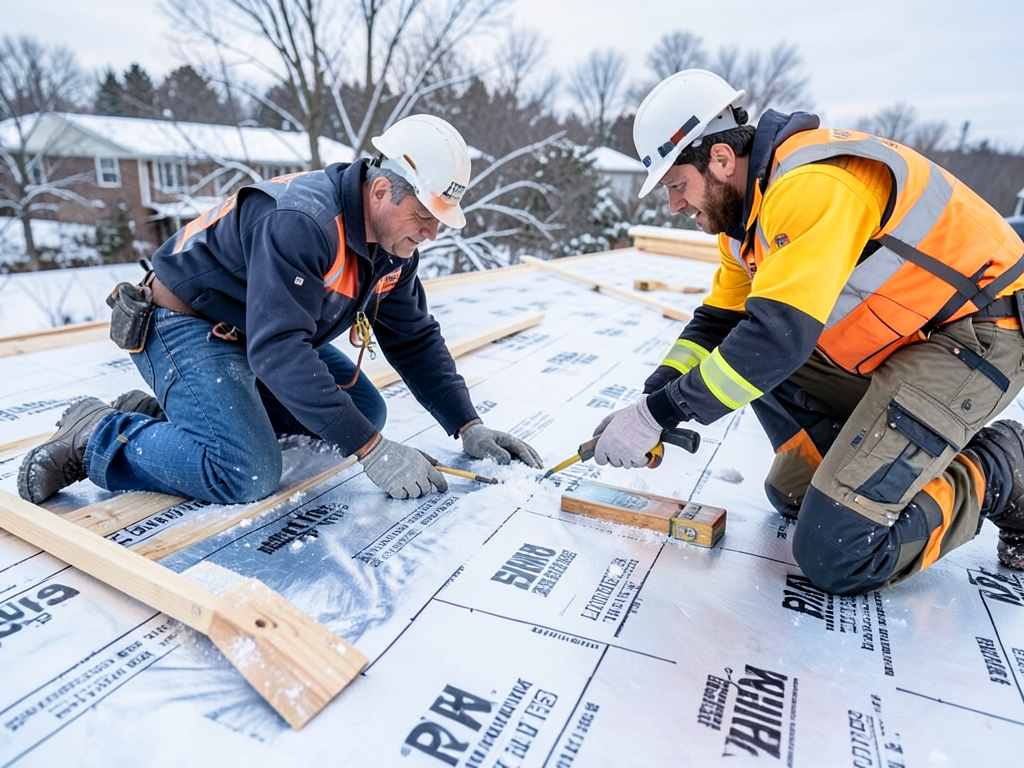
Marion County building codes require specific underlayment types, ice barrier installations, and ventilation systems that unlicensed contractors often ignore. When code violations are discovered, homeowners must pay for complete tear-offs and reinstallation, often at premium emergency rates. Getting emergency roof repairs in Broad Ripple before the next big rain.
Insurance companies also scrutinize roofing work when processing claims. If your roof was installed by an unlicensed contractor, insurers may deny coverage for wind or hail damage, arguing that improper installation contributed to the failure. This leaves homeowners responsible for thousands in repairs.
Local expertise that generic contractors lack
Indianapolis experiences unique weather challenges that require specialized knowledge. The freeze-thaw cycles common in Central Indiana cause materials to expand and contract, creating stress points that generic contractors from other regions rarely understand. Licensed Marion County specialists know which materials withstand these conditions and how to install them properly.
Local soil conditions also affect roofing. The expansive clay soils common in Indianapolis suburbs cause foundation movement that can stress roofing connections. Licensed contractors understand these dynamics and install systems that accommodate soil movement without compromising roof integrity.
Storm patterns in Central Indiana create specific damage patterns. Hail often strikes at particular angles due to prevailing wind directions, and licensed contractors know how to inspect for this type of damage. They also understand which neighborhoods experience the most severe weather and can recommend appropriate protection levels.
Permit requirements and code compliance
Marion County requires permits for all roofing replacements, and the application process involves detailed inspections. Licensed contractors handle this process seamlessly, ensuring all work meets current building codes. Generic contractors often skip permits to save time and money, but this creates liability for homeowners. The honest cost of a full roof replacement in Indianapolis for 2026.
The permit process includes inspections at multiple stages: before work begins, during installation, and after completion. Licensed contractors coordinate these inspections and address any issues immediately. Unpermitted work discovered during a home sale can derail transactions or require costly remediation.
Marion County codes specify minimum requirements for roof deck thickness, fastener spacing, and underlayment installation. Licensed contractors understand these requirements and have the tools to verify compliance. They also stay current on code updates that occur annually.
Insurance and warranty protection
Professional roofing warranties require installation by licensed contractors who follow manufacturer specifications. Generic contractors often void these warranties through improper installation, leaving homeowners without protection when problems arise. Licensed specialists understand warranty requirements and ensure all conditions are met.. Read more about How to transfer your roof warranty when selling your home in Little Heights.
General liability insurance carried by licensed contractors covers accidental damage to your property during installation. If a contractor drops a tool through your ceiling or damages your landscaping, their insurance handles repairs. Unlicensed contractors rarely carry this coverage, making you responsible for all damages.. Read more about Protecting your landscaping and property during a roof tear-off in the St. Joseph historic area.
Workers’ compensation insurance protects you from lawsuits if workers are injured on your property. Without this coverage, homeowners can be sued for medical expenses and lost wages if an accident occurs during roofing work.
Diagnostic tools and quality assurance
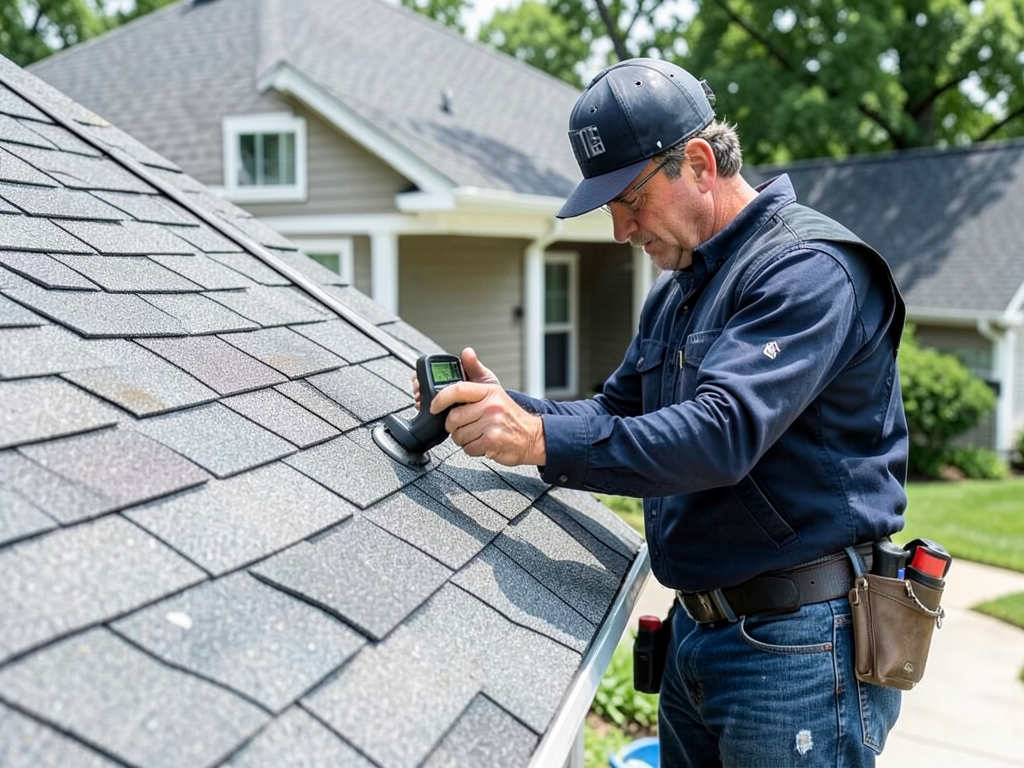
Licensed roofing specialists use advanced diagnostic tools that generic contractors lack. Moisture meters detect hidden water intrusion that visual inspections miss. Thermal imaging cameras identify heat loss patterns that indicate insulation problems. These tools prevent costly surprises after installation.
Professional contractors also perform specific tests during installation. The “screwdriver test” checks for proper deck attachment by probing for soft spots that indicate rot or water damage. Licensed specialists document these findings and address them before proceeding with new roofing.
Quality assurance inspections at multiple stages ensure proper installation. Licensed contractors verify fastener spacing, underlayment overlap, and flashing details that generic contractors often overlook. These inspections prevent the most common causes of roof failure.
Emergency response capabilities
When severe weather damages your roof, response time matters. Licensed Marion County contractors maintain emergency response teams and have relationships with suppliers for rapid material delivery. Generic contractors often lack these resources, leaving you vulnerable during critical repair windows.
Professional contractors also understand insurance claim processes and can provide documentation that speeds approvals. They know how to document damage thoroughly and communicate effectively with insurance adjusters. This expertise often results in faster approvals and higher claim settlements.
Emergency tarping and temporary protection require specific techniques to prevent additional damage. Licensed contractors use industry-standard methods that generic handymen rarely understand. Proper tarping prevents water intrusion while permanent repairs are arranged.
Long-term cost considerations
While licensed contractors often charge more upfront, their work typically costs less over the roof’s lifetime. Quality installation prevents premature failures that require expensive repairs. Licensed contractors also offer maintenance programs that extend roof life and prevent costly damage.
Energy efficiency represents another cost factor. Properly installed roofing with correct ventilation can reduce heating and cooling costs by 15-20%. Generic contractors often overlook these details, costing homeowners hundreds annually in unnecessary energy expenses.
Property values also depend on roofing quality. Professional installation maintains home values and prevents appraisal issues during sales. Unpermitted or poorly installed roofing can reduce property values and complicate financing.
Community reputation and accountability
Licensed contractors build their businesses on reputation and accountability. They maintain physical offices, carry proper insurance, and stand behind their work. Generic contractors often operate as one-person businesses without infrastructure to support long-term service.
Professional contractors also contribute to the local economy through taxes, employment, and community involvement. They maintain relationships with suppliers, building inspectors, and other professionals that benefit their clients through better service and pricing.
Accountability extends beyond the warranty period. Licensed contractors maintain records of their work and can provide documentation years later when needed for insurance claims or property sales.
Making the right choice for your home
Choosing between a licensed specialist and a generic contractor ultimately comes down to risk tolerance. The lower upfront cost of unlicensed work carries significant hidden risks that often materialize when you can least afford them.
Professional roofing represents a significant investment in your home’s protection and value. Licensed Marion County specialists provide the expertise, insurance, and accountability that protect this investment over the long term.
The peace of mind that comes from knowing your roof meets all codes and carries proper warranties often justifies the higher initial cost of professional installation.
Frequently Asked Questions
How can I verify a roofing contractor’s license in Marion County?
Visit the Marion County Building Authority website and search their contractor database using the business name or license number. Licensed contractors should provide their license number on all bids and contracts.
What insurance should a licensed roofing contractor carry?
Minimum requirements include $500,000 general liability insurance, workers’ compensation for all employees, and commercial auto insurance for company vehicles. Request current certificates and verify coverage with the insurance provider.
Does Marion County require permits for roof replacements?
Yes, permits are required for all roof replacements. The permit process includes inspections to verify code compliance. Licensed contractors handle permit applications and coordinate inspections as part of their service.
How long should a professionally installed roof last in Indianapolis?
Quality asphalt shingle roofs typically last 20-25 years in Indianapolis weather conditions. Metal roofing can last 40-50 years or longer. Proper installation and maintenance significantly impact longevity. The best asphalt shingle brands for Greenwood homes (and why they matter).
What happens if I hire an unlicensed contractor and problems occur?
You have limited legal recourse against unlicensed contractors. Insurance companies may deny claims related to unpermitted work. You may need to pay for complete reinstallation to meet code requirements.
Call (317) 703-7557 today to schedule your inspection with a licensed Marion County roofing specialist. Don’t risk your home’s protection with unlicensed contractors who lack proper insurance and local expertise.
{
“@context”: “https://schema.org”,
“@type”: “BlogPosting”,
“headline”: “The difference between a generic contractor and a licensed Marion County roofing specialist”,
“description”: “Discover why licensed Marion County roofers are essential for Indianapolis homeowners. Learn the critical differences in insurance, permits, and local code compliance.”,
“wordCount”: 1517,
“datePublished”: “2026-05-09T09:50:00.000Z”,
“dateModified”: “2026-05-09T09:50:00.000Z”,
“inLanguage”: “en-US”,
“mainEntityOfPage”: {
“@type”: “WebPage”,
“@id”: “https://eliteroofingindianapolis.com”
},
“publisher”: {
“@type”: “LocalBusiness”,
“name”: “Elite Roofing Indianapolis”,
“url”: “https://eliteroofingindianapolis.com”
},
“author”: {
“@type”: “Organization”,
“name”: “Elite Roofing Indianapolis”,
“url”: “https://eliteroofingindianapolis.com”
},
“image”: {
“@type”: “ImageObject”,
“url”: “https://eliteroofingindianapolis.com/wp-content/uploads/2026/03/the-difference-between-a-generic-contractor-and-a-1.png”
}
}
{
“@context”: “https://schema.org”,
“@type”: “RoofingContractor”,
“name”: “Elite Roofing Indianapolis”,
“url”: “https://eliteroofingindianapolis.com”,
“address”: {
“@type”: “PostalAddress”,
“addressLocality”: “Indianapolis”
},
“areaServed”: {
“@type”: “City”,
“name”: “Indianapolis”
}
}
{
“@context”: “https://schema.org”,
“@type”: “FAQPage”,
“mainEntity”: [
{
“@type”: “Question”,
“name”: “How can I verify a roofing contractor’s license in Marion County?”,
“acceptedAnswer”: {
“@type”: “Answer”,
“text”: “Visit the Marion County Building Authority website and search their contractor database using the business name or license number. Licensed contractors should provide their license number on all bids and contracts.”
}
},
{
“@type”: “Question”,
“name”: “What insurance should a licensed roofing contractor carry?”,
“acceptedAnswer”: {
“@type”: “Answer”,
“text”: “Minimum requirements include $500,000 general liability insurance, workers’ compensation for all employees, and commercial auto insurance for company vehicles. Request current certificates and verify coverage with the insurance provider.”
}
},
{
“@type”: “Question”,
“name”: “Does Marion County require permits for roof replacements?”,
“acceptedAnswer”: {
“@type”: “Answer”,
“text”: “Yes, permits are required for all roof replacements. The permit process includes inspections to verify code compliance. Licensed contractors handle permit applications and coordinate inspections as part of their service.”
}
},
{
“@type”: “Question”,
“name”: “How long should a professionally installed roof last in Indianapolis?”,
“acceptedAnswer”: {
“@type”: “Answer”,
“text”: “Quality asphalt shingle roofs typically last 20-25 years in Indianapolis weather conditions. Metal roofing can last 40-50 years or longer. Proper installation and maintenance significantly impact longevity. The best asphalt shingle brands for Greenwood homes (and why they matter).”
}
},
{
“@type”: “Question”,
“name”: “What happens if I hire an unlicensed contractor and problems occur?”,
“acceptedAnswer”: {
“@type”: “Answer”,
“text”: “You have limited legal recourse against unlicensed contractors. Insurance companies may deny claims related to unpermitted work. You may need to pay for complete reinstallation to meet code requirements.”
}
}
]
}
{
“@context”: “https://schema.org”,
“@type”: “BreadcrumbList”,
“itemListElement”: [
{
“@type”: “ListItem”,
“position”: 1,
“name”: “Home”,
“item”: “https://eliteroofingindianapolis.com”
},
{
“@type”: “ListItem”,
“position”: 2,
“name”: “Blog”,
“item”: “https://eliteroofingindianapolis.com/blog”
},
{
“@type”: “ListItem”,
“position”: 3,
“name”: “The difference between a generic contractor and a licensed Marion County roofing specialist”
}
]
}
{
“@context”: “https://schema.org”,
“@type”: “Service”,
“serviceType”: “Roofing”,
“provider”: {
“@type”: “LocalBusiness”,
“name”: “Elite Roofing Indianapolis”,
“url”: “https://eliteroofingindianapolis.com”
},
“areaServed”: {
“@type”: “City”,
“name”: “Indianapolis”
},
“description”: “Discover why licensed Marion County roofers are essential for Indianapolis homeowners. Learn the critical differences in insurance, permits, and local code compliance.”
}