
How to Transfer Your Roofing Warranty When Selling Your Home in Little Heights
Transferring your roof warranty during a home sale in Indianapolis protects both you and the buyer from unexpected costs. The process involves specific manufacturer requirements, documentation deadlines, and often a professional inspection to validate the warranty transfer. Most Indianapolis homeowners don’t realize that failing to properly transfer a warranty can void coverage for the new owner within 60 days of closing.. Read more about The difference between manufacturer shingle warranties and contractor labor guarantees in Homecroft.
Indianapolis’s climate creates unique roofing challenges that make warranty transfers particularly important. The freeze-thaw cycles common in Central Indiana cause expansion and contraction that can stress roofing materials over time. A properly transferred warranty ensures the new homeowner has protection against these region-specific issues that generic warranties might not cover. Metal Roofing Systems.
The transfer process typically costs between $100 and $300 depending on the manufacturer and must be completed within a specific timeframe after the sale closes. Missing these deadlines can result in the warranty becoming non-transferable, leaving the new owner without coverage for material defects or workmanship issues that may arise in the first few years of ownership.
Understanding Roofing Warranties in Indianapolis
Roofing warranties fall into two main categories: manufacturer material warranties and contractor workmanship warranties. Material warranties from companies like GAF, Owens Corning, and CertainTeed cover defects in the roofing materials themselves, while workmanship warranties cover installation errors and labor costs. GAF Warranty Information.
Material warranties typically range from 20 years to lifetime coverage depending on the product line and installation quality. In Indianapolis, most premium shingles come with 30 to 50-year material warranties that can be transferred to new owners. These warranties specifically address issues like granule loss, cracking, and manufacturing defects that become more likely as shingles age.
Workmanship warranties cover the installation process and typically last 5 to 25 years. These warranties are provided by the roofing contractor and protect against installation errors like improper nailing, inadequate flashing, or ventilation problems. In Indiana’s climate, workmanship issues often manifest as ice dam formation or wind damage that wouldn’t occur with proper installation techniques. Roofing Brownsburg.
Both warranty types have specific transfer requirements that must be followed exactly. Missing a single documentation step or deadline can void the entire warranty, leaving the new homeowner without protection for what might be a $15,000+ roofing system.
Common Manufacturer Requirements for Warranty Transfer
Each major roofing manufacturer has different requirements for transferring warranties to new homeowners. Understanding these requirements before listing your home can prevent delays during the closing process and ensure the buyer receives full warranty protection.
GAF warranties require a formal transfer request submitted within 60 days of the property sale closing. The transfer fee is typically $200 to $250, and the process requires proof of sale, the original warranty certificate, and current contact information for the new owner. GAF’s premium Golden Pledge warranty includes enhanced coverage that must be specifically requested during the transfer process.
Owens Corning requires warranty transfers to be completed within 30 days of closing. Their transfer fee ranges from $150 to $300 depending on the warranty level. The company requires a signed transfer form, proof of property transfer, and sometimes a current inspection report showing the roof is in good condition. Owens Corning’s Platinum Protection warranty offers the most comprehensive coverage but has the strictest transfer requirements. Owens Corning Warranty Transfer.
CertainTeed warranties have a 60-day transfer window and fees ranging from $100 to $250. They require the original warranty documentation, a property transfer affidavit, and sometimes a roof inspection to verify the system is functioning properly. Their SureStart Plus warranty provides enhanced coverage for algae resistance and wind damage, which is particularly valuable in Indianapolis’s humid climate.
Transfer Timeline Comparison
| Manufacturer | Transfer Window | Typical Fee | Required Documentation |
|---|---|---|---|
| GAF | 60 days | $200-$250 | Transfer form, proof of sale, warranty cert |
| Owens Corning | 30 days | $150-$300 | Transfer form, property proof, inspection |
| CertainTeed | 60 days | $100-$250 | Transfer form, affidavit, sometimes inspection |
The Transfer Process During an Indianapolis Home Sale
The warranty transfer process should begin as soon as you accept an offer on your home. Including warranty transfer information in your initial disclosures can make your property more attractive to buyers and prevent last-minute complications during closing.
Step one involves gathering all original warranty documentation, including material certificates, workmanship warranties, and any transfer forms provided at installation. Many Indianapolis homeowners store these documents in home offices or with closing papers from their original purchase. Without these documents, the transfer process becomes significantly more complicated and may require manufacturer verification that can delay closing.
Step two requires contacting the original roofing contractor or manufacturer to initiate the transfer. Most manufacturers now offer online transfer portals, but some still require mailed documentation. The contractor who installed the roof often handles the transfer process for a fee, which can simplify the process but may cost more than direct manufacturer transfers.
Step three involves completing the transfer form accurately. This includes providing the new owner’s information, property details, and sometimes a current roof inspection report. In Indianapolis, many title companies now require proof of warranty transfer before finalizing closing documents, making this step critical for meeting closing deadlines.
Warranty Transfer Checklist
- Gather all original warranty documents and installation certificates
- Identify the manufacturer and warranty type (material vs. workmanship)
- Contact manufacturer or contractor within 24 hours of accepted offer
- Complete transfer form with accurate property and owner information
- Submit required documentation and transfer fee
- Obtain confirmation of transfer from manufacturer
- Provide transfer confirmation to title company before closing
Why an Inspection is Often Required for Transfer
Many Indianapolis warranty transfers require a professional roof inspection before the warranty can be legally assigned to a new owner. This requirement protects both the manufacturer and the new homeowner by ensuring the roofing system is in good condition at the time of transfer.
During a warranty transfer inspection, a qualified roofer examines the entire roofing system including shingles, flashing, ventilation, and underlying structure. In Indianapolis’s climate, inspectors specifically look for hail damage, wind uplift, algae growth, and ice dam formation that could indicate premature wear or installation issues.
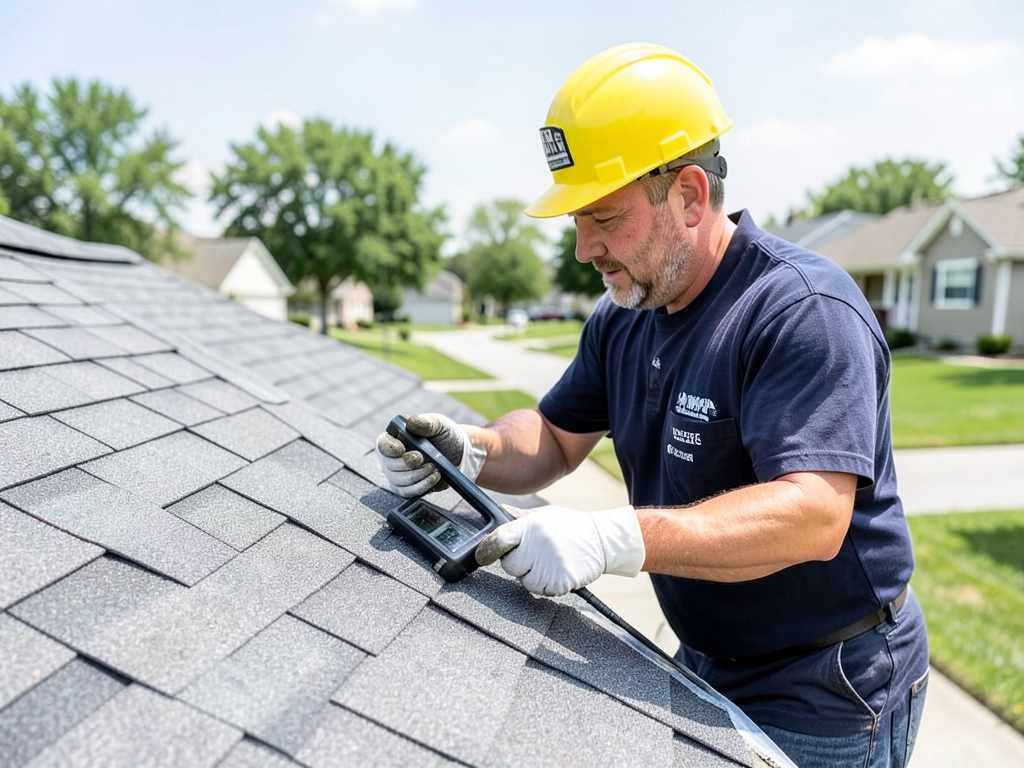
The inspection process typically takes 45 to 90 minutes for a standard residential roof. Inspectors use moisture meters to detect hidden water intrusion, check attic ventilation for proper airflow, and examine shingle tabs for signs of wind damage or manufacturing defects. They also document the roof’s current age and condition to establish a baseline for future warranty claims.
Indianapolis building codes require certain roofing components to meet specific standards that may affect warranty validity. For example, Marion County requires ice and water shield installation in eaves and valleys, and missing these components can void portions of a warranty. A professional inspection identifies these compliance issues before they become problems for the new owner.
The cost of a warranty transfer inspection typically ranges from $150 to $300 in the Indianapolis area. This cost is often negotiated between buyer and seller during the offer process, with many sellers agreeing to pay for the inspection to ensure a smooth warranty transfer and maintain their home’s marketability.
Frequently Asked Questions About Warranty Transfers
How much does it cost to transfer a roof warranty in Indianapolis?
Transfer fees typically range from $100 to $300 depending on the manufacturer and warranty type. GAF transfers usually cost $200 to $250, Owens Corning ranges from $150 to $300, and CertainTeed fees are typically $100 to $250. Some contractors charge additional administrative fees of $50 to $100 for handling the transfer process.
What happens if I miss the warranty transfer deadline?
Missing the transfer deadline usually results in the warranty becoming non-transferable, meaning the new owner receives no coverage. Some manufacturers may offer a grace period of 30 additional days for a higher fee, but this is not guaranteed. Once a warranty becomes non-transferable, the only option is to purchase a new warranty at full price.
Can I transfer a warranty if the original contractor is out of business?
Yes, you can still transfer manufacturer warranties even if the original contractor is no longer in business. You’ll need to contact the manufacturer directly with your warranty documentation. Workmanship warranties from out-of-business contractors typically cannot be transferred, but the material warranty still provides coverage for manufacturing defects.
How long does the warranty transfer process take?
The process typically takes 3 to 7 business days once all documentation is submitted. Online transfers can be completed in 24 to 48 hours, while mailed documentation may take up to two weeks. During busy real estate seasons in Indianapolis, processing times may extend to 10 business days due to high volume.
Do I need a new roof inspection for warranty transfer?
Many manufacturers require a current inspection to verify the roof’s condition before transfer. This requirement is more common for premium warranties and roofs over 5 years old. The inspection ensures the new owner receives a valid warranty and protects the manufacturer from transferring coverage to a roof with existing damage.
Protecting Your Home Sale with Proper Warranty Transfer
Proper warranty transfer documentation can be a significant selling point in the Indianapolis real estate market. Homes with transferable roofing warranties often sell faster and at higher prices because buyers appreciate the added protection and potential cost savings on future repairs. Repair vs. Replace Analysis.
Real estate agents in Indianapolis increasingly recommend including warranty transfer information in listing descriptions and marketing materials. A transferable 30-year shingle warranty can add $2,000 to $5,000 in perceived value to a home, particularly in established neighborhoods where buyers expect quality roofing systems.
The title company handling your home sale will typically require proof of warranty transfer before closing. This documentation becomes part of the closing package and is recorded with the property transfer. Without proper warranty transfer documentation, buyers may request price reductions or delay closing until the issue is resolved.
Some Indianapolis homeowners insurance companies offer premium discounts for homes with transferable roofing warranties. These discounts can range from 5% to 15% on annual premiums, providing ongoing value to the new owner beyond the warranty coverage itself. Including this information in your home sale negotiations can strengthen your position.
Working with a local roofing company familiar with Indianapolis warranty transfer requirements can simplify the process. Companies like Elite Roofing Indianapolis understand the specific documentation requirements for major manufacturers and can coordinate with title companies to ensure all deadlines are met.
Local Considerations for Indianapolis Homeowners
Indianapolis’s climate creates specific roofing challenges that make warranty transfers particularly valuable. The city experiences an average of 42 inches of rain annually, along with significant snowfall and occasional severe thunderstorms. These weather patterns can accelerate roof wear and make warranty coverage essential for long-term protection.
Marion County building codes require specific roofing components that affect warranty validity. The county mandates ice and water shield installation in eaves and valleys, proper attic ventilation, and specific fastening patterns for shingles. Roofs not meeting these requirements may have portions of their warranties voided, making professional inspections crucial during transfers.
The freeze-thaw cycles common in Central Indiana cause expansion and contraction that can stress roofing materials over time. This climate-specific wear pattern makes warranty coverage particularly valuable in Indianapolis compared to milder climates. A properly transferred warranty ensures the new owner has protection against these region-specific issues.
Indianapolis’s historic neighborhoods like Meridian-Kessler and Broad Ripple often feature older homes with original or replacement roofs that may have limited warranty transferability. Understanding the specific requirements for these older systems can prevent complications during the sale process and ensure buyers receive appropriate coverage. Commercial Roof Replacement.
Local roofing contractors familiar with Indianapolis’s building codes and climate challenges can provide valuable guidance during warranty transfers. They understand the specific failure patterns common in the area and can identify potential issues before they become problems for the new homeowner.
Final Steps to Complete Your Warranty Transfer
After completing the warranty transfer process, obtain written confirmation from the manufacturer or contractor. This documentation should include the new owner’s name, property address, warranty coverage details, and any transfer fees paid. Keep copies of all documentation for your records and provide copies to the buyer.
Submit the warranty transfer confirmation to your title company at least one week before closing. Most Indianapolis title companies require this documentation to complete the property transfer and will not issue final closing documents without proof of warranty transfer for homes with recent roofing installations.
Notify your homeowners insurance company of the warranty transfer. Some insurers offer premium discounts for homes with transferable roofing warranties, and they may require documentation of the transfer for their records. This step ensures the new owner receives any applicable insurance benefits.
Provide the new owner with all warranty documentation, including transfer confirmation, original warranty certificates, and any inspection reports. A complete warranty package demonstrates professionalism and can prevent disputes after the sale closes. Consider creating a simple one-page summary of the warranty coverage and transfer process for the new owner.
Consider offering a home warranty that includes roofing coverage as an additional selling point. While this doesn’t replace the manufacturer warranty, it provides an extra layer of protection that can make your home more attractive to buyers concerned about potential roofing issues.
Call (317) 703-7557 today to schedule your warranty transfer inspection and ensure your home sale proceeds smoothly. Our Indianapolis roofing experts understand the specific requirements for all major manufacturers and can handle the entire transfer process for you.
Frequently Asked Questions
How long do I have to transfer my roof warranty after selling my home?
Most manufacturers require warranty transfers to be completed within 30 to 60 days after the property sale closes. GAF allows 60 days, Owens Corning requires 30 days, and CertainTeed provides a 60-day window. Missing these deadlines typically voids the warranty for the new owner.
What documents do I need to transfer my roof warranty?
You’ll need the original warranty certificate, proof of property sale or transfer, a completed transfer form from the manufacturer, and sometimes a current roof inspection report. Some transfers also require the original contractor’s information and payment of the transfer fee.
Can I transfer my roof warranty if I don’t know the original contractor?
Yes, you can still transfer manufacturer warranties without the original contractor’s information. Contact the manufacturer directly with your warranty documentation. They can verify coverage and provide transfer forms. However, workmanship warranties from unknown contractors typically cannot be transferred.
Does a new owner get the full warranty period or just what’s remaining?
New owners typically receive the remaining warranty period based on the roof’s age at transfer. For example, if you have a 30-year warranty and transfer it after 5 years, the new owner receives 25 years of coverage. Some premium warranties offer full coverage regardless of the roof’s age.
Should I pay for the warranty transfer or ask the buyer to pay?
This is typically negotiated during the sale process. Many sellers choose to pay the transfer fee as a selling incentive, while others ask buyers to cover it. Consider the warranty’s value to the sale price and negotiate accordingly. A transferable warranty can add $2,000 to $5,000 in perceived home value.
- Gather Documentation
Collect all original warranty certificates, installation documents, and property sale paperwork before contacting the manufacturer.
- Contact Manufacturer
Reach out to the warranty provider within 24 hours of accepted offer to begin the transfer process and learn specific requirements.
- Complete Transfer Forms
Fill out all required transfer forms accurately with current property and new owner information.
- Submit Documentation
Provide all required documents including proof of sale, transfer fee payment, and any inspection reports.
- Obtain Confirmation
Receive written confirmation of the warranty transfer from the manufacturer before closing.
{
“@context”: “https://schema.org”,
“@type”: “BlogPosting”,
“headline”: “How to transfer your roof warranty when selling your home in Little Heights”,
“description”: “Learn the exact steps to transfer your roofing warranty in Indianapolis. Discover manufacturer requirements, transfer fees, and how to protect your home sale with proper documentation.”,
“wordCount”: 2608,
“datePublished”: “2026-05-17T06:58:00.000Z”,
“dateModified”: “2026-05-17T06:58:00.000Z”,
“inLanguage”: “en-US”,
“mainEntityOfPage”: {
“@type”: “WebPage”,
“@id”: “https://eliteroofingindianapolis.com”
},
“publisher”: {
“@type”: “LocalBusiness”,
“name”: “Elite Roofing Indianapolis”,
“url”: “https://eliteroofingindianapolis.com”
},
“author”: {
“@type”: “Organization”,
“name”: “Elite Roofing Indianapolis”,
“url”: “https://eliteroofingindianapolis.com”
},
“image”: {
“@type”: “ImageObject”,
“url”: “https://eliteroofingindianapolis.com/wp-content/uploads/2026/03/how-to-transfer-your-roof-warranty-when-selling-yo-1.png”
}
}
{
“@context”: “https://schema.org”,
“@type”: “RoofingContractor”,
“name”: “Elite Roofing Indianapolis”,
“url”: “https://eliteroofingindianapolis.com”,
“address”: {
“@type”: “PostalAddress”,
“addressLocality”: “Indianapolis”
},
“areaServed”: {
“@type”: “City”,
“name”: “Indianapolis”
}
}
{
“@context”: “https://schema.org”,
“@type”: “FAQPage”,
“mainEntity”: [
{
“@type”: “Question”,
“name”: “How much does it cost to transfer a roof warranty in Indianapolis?”,
“acceptedAnswer”: {
“@type”: “Answer”,
“text”: “Transfer fees typically range from $100 to $300 depending on the manufacturer and warranty type. GAF transfers usually cost $200 to $250, Owens Corning ranges from $150 to $300, and CertainTeed fees are typically $100 to $250. Some contractors charge additional administrative fees of $50 to $100 for handling the transfer process.”
}
},
{
“@type”: “Question”,
“name”: “What happens if I miss the warranty transfer deadline?”,
“acceptedAnswer”: {
“@type”: “Answer”,
“text”: “Missing the transfer deadline usually results in the warranty becoming non-transferable, meaning the new owner receives no coverage. Some manufacturers may offer a grace period of 30 additional days for a higher fee, but this is not guaranteed. Once a warranty becomes non-transferable, the only option is to purchase a new warranty at full price.”
}
},
{
“@type”: “Question”,
“name”: “Can I transfer a warranty if the original contractor is out of business?”,
“acceptedAnswer”: {
“@type”: “Answer”,
“text”: “Yes, you can still transfer manufacturer warranties even if the original contractor is no longer in business. You’ll need to contact the manufacturer directly with your warranty documentation. Workmanship warranties from out-of-business contractors typically cannot be transferred, but the material warranty still provides coverage for manufacturing defects.”
}
},
{
“@type”: “Question”,
“name”: “How long does the warranty transfer process take?”,
“acceptedAnswer”: {
“@type”: “Answer”,
“text”: “The process typically takes 3 to 7 business days once all documentation is submitted. Online transfers can be completed in 24 to 48 hours, while mailed documentation may take up to two weeks. During busy real estate seasons in Indianapolis, processing times may extend to 10 business days due to high volume.”
}
},
{
“@type”: “Question”,
“name”: “Do I need a new roof inspection for warranty transfer?”,
“acceptedAnswer”: {
“@type”: “Answer”,
“text”: “Many manufacturers require a current inspection to verify the roof’s condition before transfer. This requirement is more common for premium warranties and roofs over 5 years old. The inspection ensures the new owner receives a valid warranty and protects the manufacturer from transferring coverage to a roof with existing damage.”
}
},
{
“@type”: “Question”,
“name”: “How long do I have to transfer my roof warranty after selling my home?”,
“acceptedAnswer”: {
“@type”: “Answer”,
“text”: “Most manufacturers require warranty transfers to be completed within 30 to 60 days after the property sale closes. GAF allows 60 days, Owens Corning requires 30 days, and CertainTeed provides a 60-day window. Missing these deadlines typically voids the warranty for the new owner.”
}
},
{
“@type”: “Question”,
“name”: “What documents do I need to transfer my roof warranty?”,
“acceptedAnswer”: {
“@type”: “Answer”,
“text”: “You’ll need the original warranty certificate, proof of property sale or transfer, a completed transfer form from the manufacturer, and sometimes a current roof inspection report. Some transfers also require the original contractor’s information and payment of the transfer fee.”
}
},
{
“@type”: “Question”,
“name”: “Can I transfer my roof warranty if I don’t know the original contractor?”,
“acceptedAnswer”: {
“@type”: “Answer”,
“text”: “Yes, you can still transfer manufacturer warranties without the original contractor’s information. Contact the manufacturer directly with your warranty documentation. They can verify coverage and provide transfer forms. However, workmanship warranties from unknown contractors typically cannot be transferred.”
}
},
{
“@type”: “Question”,
“name”: “Does a new owner get the full warranty period or just what’s remaining?”,
“acceptedAnswer”: {
“@type”: “Answer”,
“text”: “New owners typically receive the remaining warranty period based on the roof’s age at transfer. For example, if you have a 30-year warranty and transfer it after 5 years, the new owner receives 25 years of coverage. Some premium warranties offer full coverage regardless of the roof’s age.”
}
},
{
“@type”: “Question”,
“name”: “Should I pay for the warranty transfer or ask the buyer to pay?”,
“acceptedAnswer”: {
“@type”: “Answer”,
“text”: “This is typically negotiated during the sale process. Many sellers choose to pay the transfer fee as a selling incentive, while others ask buyers to cover it. Consider the warranty’s value to the sale price and negotiate accordingly. A transferable warranty can add $2,000 to $5,000 in perceived home value.”
}
}
]
}
{
“@context”: “https://schema.org”,
“@type”: “HowTo”,
“name”: “How to Transfer Your Roof Warranty”,
“step”: [
{
“@type”: “HowToStep”,
“position”: 1,
“name”: “Gather Documentation”,
“text”: “Collect all original warranty certificates, installation documents, and property sale paperwork before contacting the manufacturer.”
},
{
“@type”: “HowToStep”,
“position”: 2,
“name”: “Contact Manufacturer”,
“text”: “Reach out to the warranty provider within 24 hours of accepted offer to begin the transfer process and learn specific requirements.”
},
{
“@type”: “HowToStep”,
“position”: 3,
“name”: “Complete Transfer Forms”,
“text”: “Fill out all required transfer forms accurately with current property and new owner information.”
},
{
“@type”: “HowToStep”,
“position”: 4,
“name”: “Submit Documentation”,
“text”: “Provide all required documents including proof of sale, transfer fee payment, and any inspection reports.”
},
{
“@type”: “HowToStep”,
“position”: 5,
“name”: “Obtain Confirmation”,
“text”: “Receive written confirmation of the warranty transfer from the manufacturer before closing.”
}
],
“image”: “https://eliteroofingindianapolis.com/wp-content/uploads/2026/03/how-to-transfer-your-roof-warranty-when-selling-yo-1.png”
}
{
“@context”: “https://schema.org”,
“@type”: “BreadcrumbList”,
“itemListElement”: [
{
“@type”: “ListItem”,
“position”: 1,
“name”: “Home”,
“item”: “https://eliteroofingindianapolis.com”
},
{
“@type”: “ListItem”,
“position”: 2,
“name”: “Blog”,
“item”: “https://eliteroofingindianapolis.com/blog”
},
{
“@type”: “ListItem”,
“position”: 3,
“name”: “How to transfer your roof warranty when selling your home in Little Heights”
}
]
}
{
“@context”: “https://schema.org”,
“@type”: “Service”,
“serviceType”: “Roofing”,
“provider”: {
“@type”: “LocalBusiness”,
“name”: “Elite Roofing Indianapolis”,
“url”: “https://eliteroofingindianapolis.com”
},
“areaServed”: {
“@type”: “City”,
“name”: “Indianapolis”
},
“description”: “Learn the exact steps to transfer your roofing warranty in Indianapolis. Discover manufacturer requirements, transfer fees, and how to protect your home sale with proper documentation.”
}