
Stop those ice dams from ruining your Southport home this winter
Ice dams form when warm attic air melts snow on your roof, sending water down to the cold eaves where it refreezes. This freeze-thaw cycle traps water behind the ice, forcing it under shingles and into your Southport home. With Indianapolis averaging 22 inches of snow annually and frequent temperature swings from 30°F to 15°F, Southport homes are particularly vulnerable to ice dam damage. The best asphalt shingle brands for Greenwood homes (and why they matter).
The damage happens fast. Water stains appear on ceilings within 24 hours of an ice dam forming. By the time you see the stain, the insulation is saturated and mold growth has already begun. Don’t wait for visible damage—act now to protect your home.. Read more about Why your attic insulation is actually killing your Lawrence roof from the inside out.
Why Southport homes suffer more ice dam damage
Southport’s mix of mid-century ranches and newer construction creates perfect conditions for ice dams. Many homes have inadequate attic ventilation due to their simple roof designs. The freeze-thaw cycles common in Marion County cause snow to melt during the day and refreeze at night, creating ice dams that can grow to 6-8 inches thick.. Read more about Does your Lawrence home need a ridge vent or an attic fan?.
The problem compounds when Southport’s mature trees drop leaves into gutters each fall. Clogged gutters prevent proper drainage, forcing water back under shingles where it freezes. Homes near Southport Park or along Stop 11 Road often face additional challenges from nearby structures that create wind tunnels, accelerating snow melt on certain roof sections.
Older Southport homes built before 2000 often lack the ice and water shield membrane required by current Indiana Residential Code (R905.1.2). This membrane should extend at least 24 inches inside the exterior wall line at eaves and valleys to prevent water infiltration. Should you choose cedar shake or asphalt for your Meridian-Kessler home?.
Cross-section diagram showing ice dam formation on a Southport home’s roof with heat loss patterns and water infiltration points
How ice dams form and destroy your roof
Ice dams start when heat escapes through your ceiling into the attic. This heat warms the roof deck above, melting snow from the bottom up. The melted water flows down to the cold eaves where temperatures remain below freezing. There, it refreezes, creating a barrier of ice.
As the ice dam grows, it creates a reservoir. Water backs up behind the dam, pooling on your roof deck. Shingles are designed to shed water, not hold it. The pooled water finds its way under shingles through nail holes, seam gaps, and deteriorated flashing.
The water then travels along the roof deck until it finds a path into your home. Common entry points include light fixtures, ceiling fans, and exterior walls. Once inside, water saturates insulation, damages drywall, and creates perfect conditions for mold growth within 48-72 hours.
During severe ice dam events, water can travel 10-15 feet from the entry point before appearing as a ceiling stain. This means the actual roof damage may be far from where you see the water damage inside.
Immediate steps to prevent ice dam damage
Remove snow from your roof safely using a roof rake with a plastic blade. Work from the ground, pulling snow downward off the edge. Never climb on an icy roof or use sharp tools that could damage shingles. Focus on clearing the bottom 3-4 feet of your roof where ice dams form.
Apply calcium chloride ice melt in a sock or pantyhose along the roof edge. Place it perpendicular to the ice dam, creating channels for water to drain. Avoid rock salt—it corrodes metal and damages plants. Calcium chloride works at temperatures as low as -20°F, making it effective for Southport winters.
Clear gutters and downspouts before the first snow. Use a garden trowel to remove debris, then flush with water to ensure proper flow. Consider installing gutter guards to prevent future clogs. Ensure downspouts extend at least 5 feet from your foundation to prevent ice buildup against your home.
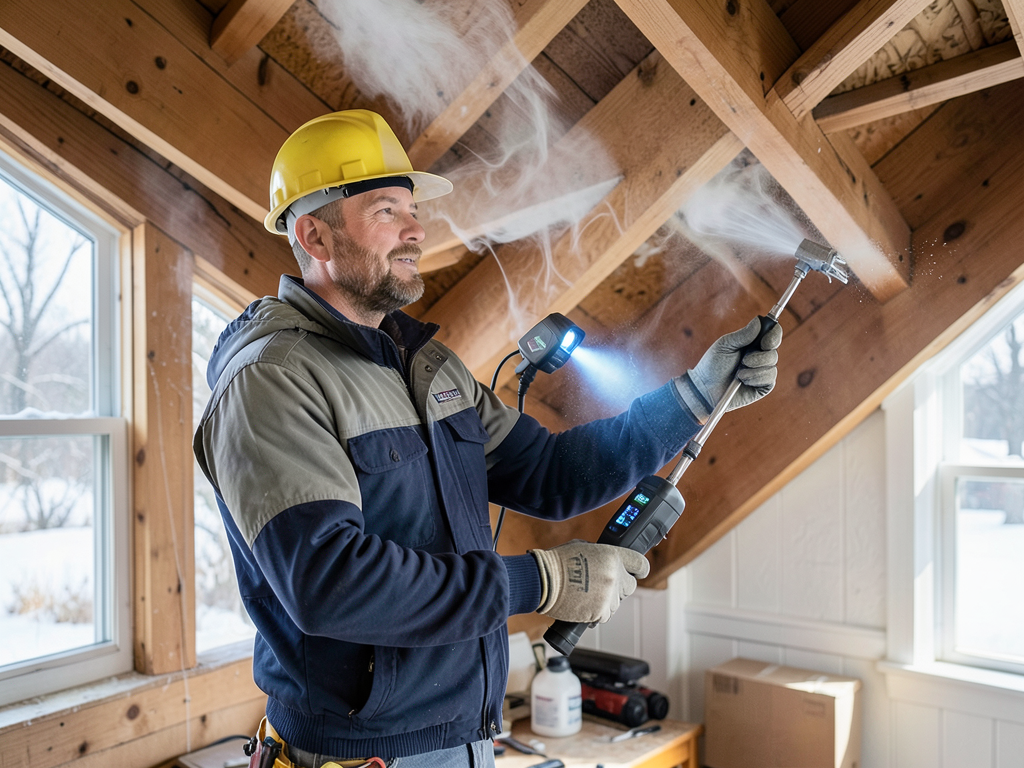
Check your attic access for air leaks. Use weather stripping around the hatch and insulate the backside with rigid foam board. Even small gaps allow significant heat escape that contributes to ice dam formation.
Technician using thermal imaging camera to identify heat loss patterns in a Southport attic that contribute to ice dam formation
Long-term ice dam prevention solutions
Proper attic insulation is your first line of defense. Indiana Zone 5 (which includes Southport) requires R-49 to R-60 insulation in attics. This translates to 16-20 inches of fiberglass batts or 12-15 inches of blown-in cellulose. Many Southport homes have only R-19 to R-30, leaving them vulnerable.
Seal attic bypasses where heat escapes. Common culprits include bathroom fans, plumbing vents, recessed lights, and chimney chases. Use spray foam or caulk to seal gaps around these penetrations. A single leaky bathroom fan can waste enough heat to create ice dams over a 10-foot section of roof.
Install proper ventilation. Your attic needs balanced airflow: intake vents in the soffits and exhaust vents near the ridge. The general rule is 1 square foot of net free ventilation area per 300 square feet of attic floor space. Ridge vents combined with continuous soffit vents provide the most effective ventilation.. Read more about Ventilation secrets for ranch-style homes in Nora that keep cooling costs down.
Consider installing heat cables along roof edges in problem areas. While not a substitute for proper insulation and ventilation, heat cables can prevent ice dam formation on north-facing slopes or in shaded areas where natural melting is minimal.
Professional ice dam removal and prevention
Steam removal is the safest method for eliminating existing ice dams. Professional crews use specialized steamers that deliver 300°F steam at low pressure to cut through ice without damaging shingles. The process takes 2-4 hours for an average Southport home and costs $300-600 depending on ice thickness and roof accessibility.. Read more about The hidden costs of ignoring a small leak in your Lockerbie Square townhouse.
Never allow contractors to use hatchets, hammers, or high-pressure washers on your roof. These methods damage shingles and create leaks that persist long after the ice is gone. Legitimate ice dam removal companies use steam or hot water at controlled pressures.
Professional inspection can identify underlying ventilation issues. A thorough inspection includes checking ridge vent effectiveness, measuring soffit vent airflow, and inspecting for proper insulation levels. Many Southport homes have blocked soffit vents from insulation installation or lack adequate ridge ventilation altogether.
Install ice and water shield during your next roof replacement. This self-adhering rubberized asphalt membrane provides a waterproof barrier under shingles in vulnerable areas. Current Indiana code requires it in eaves, valleys, and around penetrations, but many Southport homes predate these requirements.
Cost of neglecting ice dam prevention
Ice dam damage repair costs range from $1,500 for minor ceiling repairs to $15,000+ for extensive structural damage. A typical claim includes drywall replacement ($400-800), insulation removal and replacement ($300-600), mold remediation ($1,000-3,000), and painting ($500-1,000). EPA insulation guidelines.
Insurance complications add another layer of cost. Many policies exclude ice dam damage or require specific endorsements. Even when covered, you’ll pay your deductible and face potential premium increases after filing a claim. Some Southport homeowners discover their damage isn’t covered when they need help most.
Structural damage from prolonged water exposure can cost $5,000-20,000 to repair. Water weakens roof decking, rots rafters, and compromises wall studs. These repairs require extensive demolition and reconstruction, often uncovering additional problems that drive costs higher.
The most expensive cost is often the one you don’t see: reduced home value. Water damage history appears on home inspection reports and can reduce your sale price by 5-10% or derail sales entirely when buyers discover the damage.
Before and after comparison showing a Southport home with severe ice dam damage repaired with proper ice and water shield installation
Emergency ice dam action plan
If you discover an active leak, act immediately. Move furniture away from the affected area and place buckets under drips to prevent floor damage. Poke a small hole in the ceiling to relieve water pressure—this prevents the entire ceiling from collapsing and limits damage spread.
Document everything with photos and videos. This documentation helps with insurance claims and helps contractors understand the extent of damage. Note the date, time, and weather conditions when you discovered the problem.
Call for professional help immediately. Ice dam removal companies often have 24-48 hour wait times during peak winter months. The longer you wait, the more damage occurs. Quick action can mean the difference between a $500 repair and a $5,000 restoration project.
Consider temporary solutions like heat cables if professional help isn’t immediately available. While not ideal, they can prevent further damage until proper repairs can be made. Focus on creating drainage channels rather than completely removing the ice dam.
Frequently Asked Questions
How do I know if I have an ice dam?
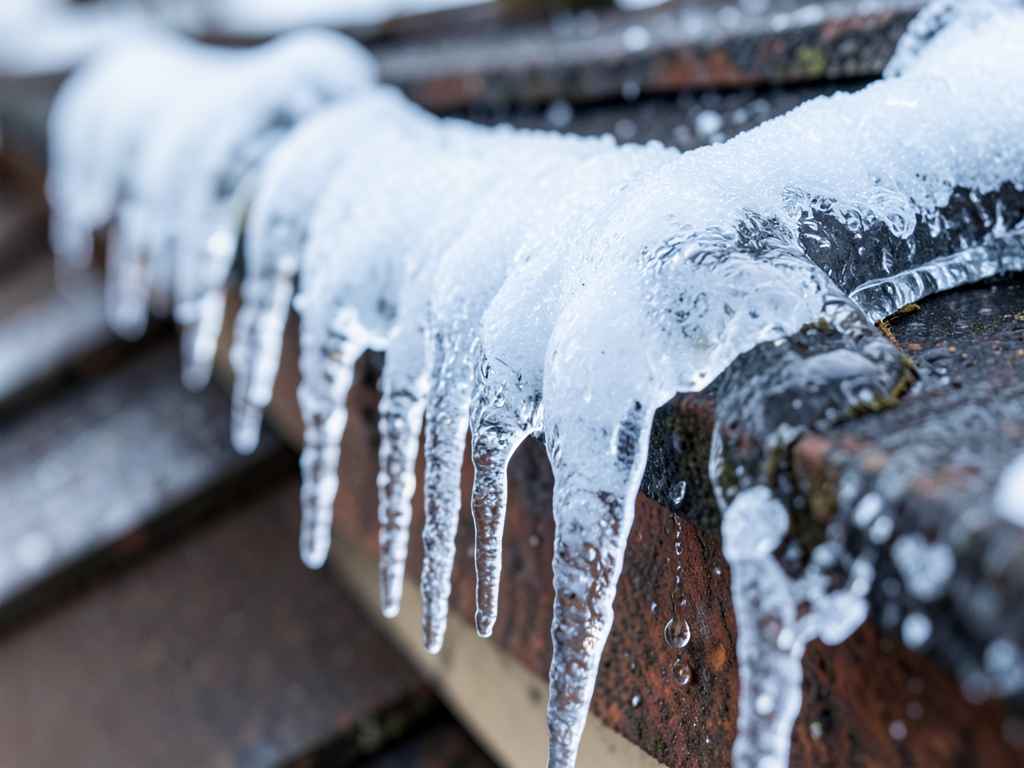
Look for icicles hanging from your roof edge, ice buildup in gutters, or water stains on interior ceilings and walls. You may also notice melting snow only on upper roof sections while lower sections remain snow-covered with ice buildup.
Can I prevent ice dams without replacing my roof?
Yes. Improving attic insulation, sealing air leaks, and ensuring proper ventilation can prevent ice dams without roof replacement. However, if your roof is near the end of its lifespan (15-20 years for asphalt shingles), combining ice dam prevention with a roof replacement may be more cost-effective.
How much does professional ice dam removal cost in Indianapolis?
Professional ice dam removal in the Indianapolis area typically costs $300-600 for an average home. Prices vary based on ice thickness, roof accessibility, and the removal method used. Steam removal costs more than mechanical methods but causes no damage to your roof.
Will heat cables solve my ice dam problem?
Heat cables can help manage ice dams but don’t address the underlying causes. They work best as a supplement to proper insulation and ventilation, especially on north-facing slopes or in shaded areas where natural melting is minimal. For complete prevention, address heat loss in your attic.
How long does ice dam removal take?
Professional ice dam removal typically takes 2-4 hours for an average Southport home. Severe cases with thick ice buildup may require 6-8 hours. The process includes assessment, steam application, and verification that water can drain properly from your roof.
- Improve attic insulation
Increase insulation to R-49 to R-60 levels. Add insulation in your attic to meet Indiana Zone 5 requirements, focusing on even coverage without blocking soffit vents.
- Seal air leaks
Identify and seal attic bypasses using spray foam or caulk. Target bathroom fans, plumbing vents, recessed lights, and chimney chases where heat escapes into the attic.
- Ensure proper ventilation
Install balanced ventilation with intake vents in soffits and exhaust vents near the ridge. Maintain 1 square foot of net free ventilation per 300 square feet of attic floor space.
- Maintain gutters and roof edge
Clean gutters before winter and ensure downspouts extend 5+ feet from foundation. Consider gutter guards to prevent debris buildup that contributes to ice dam formation.
- Remove snow safely
Use a roof rake with plastic blade to clear bottom 3-4 feet of roof after heavy snowfalls. Work from the ground, pulling snow downward off the edge.
Protect your Southport home this winter
Ice dams are a predictable winter threat in Southport, but they’re also preventable. The combination of Indianapolis’s freeze-thaw cycles, Southport’s mix of home styles, and many homes’ inadequate insulation creates a perfect storm for ice dam formation. What to do when a hail storm hits your Fishers neighborhood.
Start with a professional inspection to identify your home’s specific vulnerabilities. Many ice dam problems stem from issues that aren’t visible from the ground—blocked soffit vents, inadequate insulation, or deteriorating flashing. A thorough inspection costs $150-300 but can save you thousands in potential damage.
Don’t wait until you see water stains on your ceiling. By then, the damage is already done and mold growth has begun. Take action now to protect your home, your family’s health, and your financial investment.
Call (317) 703-7557 today to schedule your ice dam prevention inspection. Our experienced technicians will identify vulnerabilities specific to your Southport home and recommend cost-effective solutions to keep your roof ice-dam free all winter long.
Pick up the phone and call (317) 703-7557 before the next storm hits. Winter in Indianapolis is unpredictable, but your home’s protection shouldn’t be. Our team serves all of Southport and surrounding Marion County neighborhoods with prompt, professional service when you need it most. For more information, visit National Association of Certified Home Inspectors.
{
“@context”: “https://schema.org”,
“@type”: “BlogPosting”,
“headline”: “Stop those ice dams from ruining your Southport home this winter”,
“description”: “Ice dams are destroying Southport homes this winter. Learn how Indianapolis freeze-thaw cycles create ice dams and what you can do now to protect your roof.”,
“wordCount”: 2066,
“datePublished”: “2026-03-06T14:50:00.000Z”,
“dateModified”: “2026-03-06T14:50:00.000Z”,
“inLanguage”: “en-US”,
“mainEntityOfPage”: {
“@type”: “WebPage”,
“@id”: “https://eliteroofingindianapolis.com”
},
“publisher”: {
“@type”: “LocalBusiness”,
“name”: “Elite Roofing Indianapolis”,
“url”: “https://eliteroofingindianapolis.com”
},
“author”: {
“@type”: “Organization”,
“name”: “Elite Roofing Indianapolis”,
“url”: “https://eliteroofingindianapolis.com”
},
“image”: {
“@type”: “ImageObject”,
“url”: “https://eliteroofingindianapolis.com/wp-content/uploads/2026/03/stop-those-ice-dams-from-ruining-your-southport-ho-1.png”
}
}
{
“@context”: “https://schema.org”,
“@type”: “RoofingContractor”,
“name”: “Elite Roofing Indianapolis”,
“url”: “https://eliteroofingindianapolis.com”,
“address”: {
“@type”: “PostalAddress”,
“addressLocality”: “Indianapolis”
},
“areaServed”: {
“@type”: “City”,
“name”: “Indianapolis”
}
}
{
“@context”: “https://schema.org”,
“@type”: “FAQPage”,
“mainEntity”: [
{
“@type”: “Question”,
“name”: “How do I know if I have an ice dam?”,
“acceptedAnswer”: {
“@type”: “Answer”,
“text”: “Look for icicles hanging from your roof edge, ice buildup in gutters, or water stains on interior ceilings and walls. You may also notice melting snow only on upper roof sections while lower sections remain snow-covered with ice buildup.”
}
},
{
“@type”: “Question”,
“name”: “Can I prevent ice dams without replacing my roof?”,
“acceptedAnswer”: {
“@type”: “Answer”,
“text”: “Yes. Improving attic insulation, sealing air leaks, and ensuring proper ventilation can prevent ice dams without roof replacement. However, if your roof is near the end of its lifespan (15-20 years for asphalt shingles), combining ice dam prevention with a roof replacement may be more cost-effective.”
}
},
{
“@type”: “Question”,
“name”: “How much does professional ice dam removal cost in Indianapolis?”,
“acceptedAnswer”: {
“@type”: “Answer”,
“text”: “Professional ice dam removal in the Indianapolis area typically costs $300-600 for an average home. Prices vary based on ice thickness, roof accessibility, and the removal method used. Steam removal costs more than mechanical methods but causes no damage to your roof.”
}
},
{
“@type”: “Question”,
“name”: “Will heat cables solve my ice dam problem?”,
“acceptedAnswer”: {
“@type”: “Answer”,
“text”: “Heat cables can help manage ice dams but don’t address the underlying causes. They work best as a supplement to proper insulation and ventilation, especially on north-facing slopes or in shaded areas where natural melting is minimal. For complete prevention, address heat loss in your attic.”
}
},
{
“@type”: “Question”,
“name”: “How long does ice dam removal take?”,
“acceptedAnswer”: {
“@type”: “Answer”,
“text”: “Professional ice dam removal typically takes 2-4 hours for an average Southport home. Severe cases with thick ice buildup may require 6-8 hours. The process includes assessment, steam application, and verification that water can drain properly from your roof.”
}
}
]
}
{
“@context”: “https://schema.org”,
“@type”: “HowTo”,
“name”: “How to prevent ice dams on your Southport home”,
“step”: [
{
“@type”: “HowToStep”,
“position”: 1,
“name”: “Improve attic insulation”,
“text”: “Increase insulation to R-49 to R-60 levels. Add insulation in your attic to meet Indiana Zone 5 requirements, focusing on even coverage without blocking soffit vents.”
},
{
“@type”: “HowToStep”,
“position”: 2,
“name”: “Seal air leaks”,
“text”: “Identify and seal attic bypasses using spray foam or caulk. Target bathroom fans, plumbing vents, recessed lights, and chimney chases where heat escapes into the attic.”
},
{
“@type”: “HowToStep”,
“position”: 3,
“name”: “Ensure proper ventilation”,
“text”: “Install balanced ventilation with intake vents in soffits and exhaust vents near the ridge. Maintain 1 square foot of net free ventilation per 300 square feet of attic floor space.”
},
{
“@type”: “HowToStep”,
“position”: 4,
“name”: “Maintain gutters and roof edge”,
“text”: “Clean gutters before winter and ensure downspouts extend 5+ feet from foundation. Consider gutter guards to prevent debris buildup that contributes to ice dam formation.”
},
{
“@type”: “HowToStep”,
“position”: 5,
“name”: “Remove snow safely”,
“text”: “Use a roof rake with plastic blade to clear bottom 3-4 feet of roof after heavy snowfalls. Work from the ground, pulling snow downward off the edge.”
}
],
“image”: “https://eliteroofingindianapolis.com/wp-content/uploads/2026/03/stop-those-ice-dams-from-ruining-your-southport-ho-1.png”
}
{
“@context”: “https://schema.org”,
“@type”: “BreadcrumbList”,
“itemListElement”: [
{
“@type”: “ListItem”,
“position”: 1,
“name”: “Home”,
“item”: “https://eliteroofingindianapolis.com”
},
{
“@type”: “ListItem”,
“position”: 2,
“name”: “Blog”,
“item”: “https://eliteroofingindianapolis.com/blog”
},
{
“@type”: “ListItem”,
“position”: 3,
“name”: “Stop those ice dams from ruining your Southport home this winter”
}
]
}
{
“@context”: “https://schema.org”,
“@type”: “Service”,
“serviceType”: “Roofing”,
“provider”: {
“@type”: “LocalBusiness”,
“name”: “Elite Roofing Indianapolis”,
“url”: “https://eliteroofingindianapolis.com”
},
“areaServed”: {
“@type”: “City”,
“name”: “Indianapolis”
},
“description”: “Ice dams are destroying Southport homes this winter. Learn how Indianapolis freeze-thaw cycles create ice dams and what you can do now to protect your roof.”
}