menu

Critter & Pest Damage in Indianapolis | Expert Diagnosis and Permanent Wildlife Exclusion

Our certified roofing specialists identify hidden animal intrusion points, repair structural damage from rodents and raccoons, and install exclusion barriers that stop repeat infestations across Indianapolis homes.

Slider Image 1
Slider Image 2
Slider Image 3
Slider Image 4
Slider Image 5
Slider Image 7
Slider Image 8
Slider Image 9
Slider Image 10
Slider Image 11

Why Indianapolis Roofs Are Vulnerable to Wildlife Damage

Indianapolis sits at the intersection of Midwestern farmland and urban sprawl, creating perfect conditions for roof wildlife damage. Raccoons, squirrels, and bats thrive here because older neighborhoods like Broad Ripple and Irvington feature mature tree canopies that provide direct roof access. The freeze-thaw cycles from November through March weaken fascia boards and soffit panels, giving rodents easy entry points.

You notice the scratching sounds at night. You see chewed shingles near the ridge vent or torn soffit vents along the eaves. What starts as one squirrel quickly becomes a colony nesting in your attic insulation. Raccoons rip apart roof vents to access crawl spaces. Bats squeeze through gaps as small as three-eighths of an inch in deteriorated flashing.

Animal intrusion roofing problems escalate fast in Indianapolis because our humid summers accelerate rot once animals create openings. Water follows every breach. One torn soffit panel leads to soaked decking, mold growth, and compromised structural integrity within weeks. Rodent roof damage includes chewed wiring, shredded insulation, and feces contamination that creates health hazards for your family.

The clay soil common throughout Marion County causes foundation settling that creates gaps in roof-to-wall connections. Animals exploit these openings. Vermin roof destruction is not just a nuisance. It threatens your home's structural integrity and your family's safety. Addressing pest damage shingles requires understanding both the animal behavior and the building envelope failures that allow access.

Why Indianapolis Roofs Are Vulnerable to Wildlife Damage
Our Integrated Wildlife Damage Repair and Exclusion System

Our Integrated Wildlife Damage Repair and Exclusion System

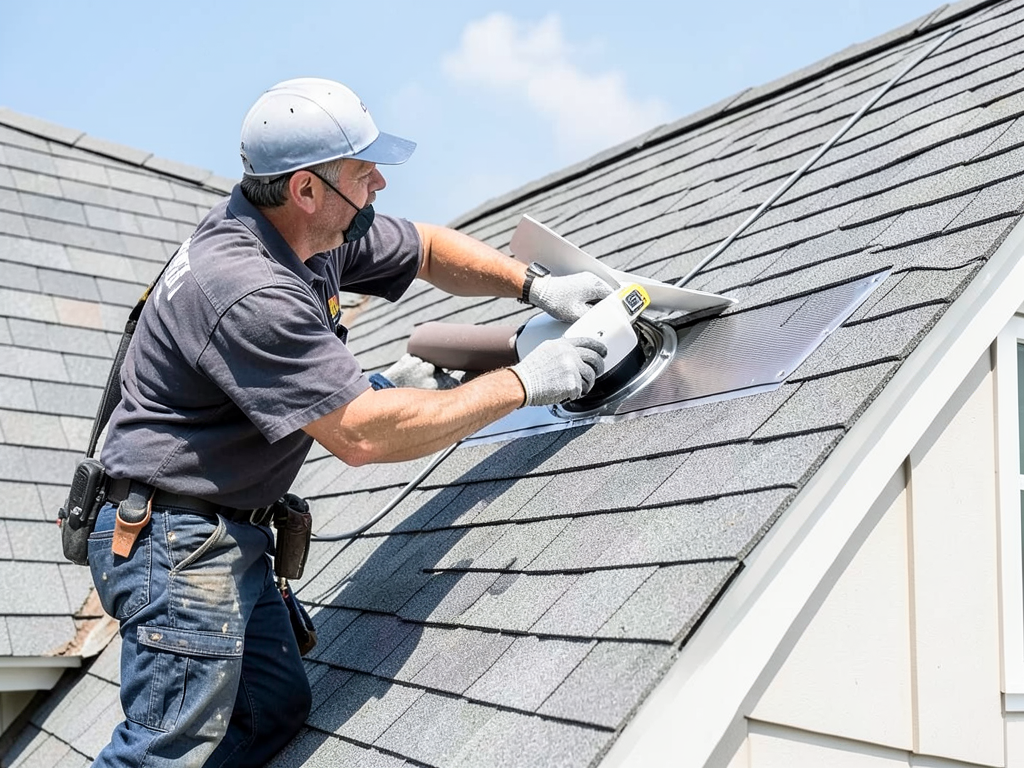
Elite Roofing Indianapolis does not just patch holes. We perform forensic roof inspections to identify every current and potential entry point animals exploit. Our technicians crawl attics, examine ventilation systems, and inspect chimney caps to map the complete infiltration pattern.

We document gnaw marks on fascia boards, torn underlayment around pipe boots, and displaced ridge shingles that signal active nesting. This diagnostic phase separates amateur repairs from professional wildlife exclusion. You need to understand how animals accessed your roof before you can prevent future intrusions.

Our repair protocol addresses three layers. First, we remove compromised materials including urine-soaked insulation and feces-contaminated decking. Second, we rebuild structural components using pressure-treated lumber that resists future gnawing. Third, we install exclusion barriers engineered specifically for Indianapolis wildlife patterns.

We use galvanized steel mesh over gable vents because squirrels chew through plastic louvers in hours. We install ridge vent guards with quarter-inch screening that blocks bats while maintaining attic ventilation. We reinforce fascia-to-soffit connections with metal flashing that raccoons cannot pry apart.

Every soffit vent gets inspected for gaps. Every plumbing stack boot gets evaluated for deterioration. We seal roof-to-wall transitions with polyurethane sealants that flex with seasonal temperature swings but resist animal tampering. Our approach combines roofing expertise with wildlife behavior knowledge, addressing both the structural damage and the biological threat simultaneously.

How We Restore Your Roof After Animal Damage

Critter & Pest Damage in Indianapolis | Expert Diagnosis and Permanent Wildlife Exclusion
01

Comprehensive Wildlife Assessment

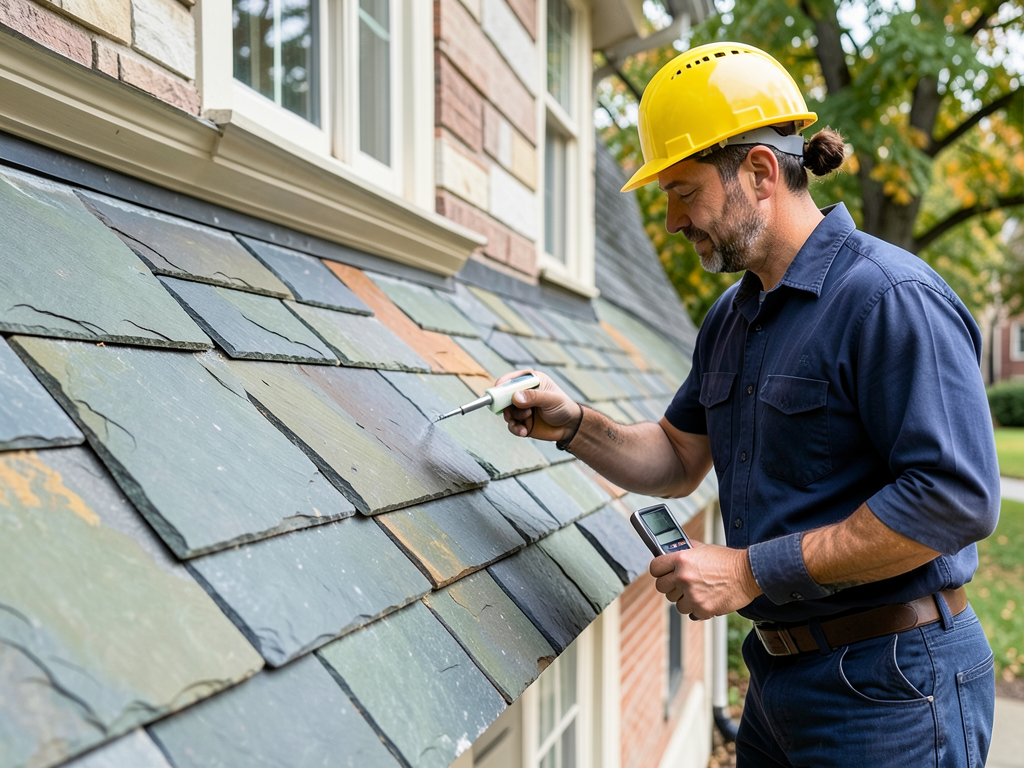
We start with a complete roof and attic inspection to identify all entry points, assess structural damage, and determine which animals caused the destruction. Our technicians photograph gnaw patterns, check insulation for nesting materials, and use thermal imaging to detect hidden moisture damage from breached roof penetrations. This diagnostic phase reveals the full scope of repairs needed.
02

Structural Repair and Sanitization

After animals are removed, we replace damaged decking, fascia boards, and soffit panels using materials that resist future intrusion. We remove contaminated insulation, sanitize affected areas, and repair any secondary water damage caused by compromised roof penetrations. This phase restores your roof's structural integrity and eliminates health hazards from animal waste accumulation in attic spaces.
03

Permanent Exclusion Installation

We install engineered barriers at every vulnerable point including reinforced vent screens, metal fascia guards, and sealed roof-to-wall transitions. Ridge vents get protected with bat-proof screening. Chimney caps are secured with animal-resistant hardware. Soffit panels are sealed and reinforced to prevent prying. This exclusion system stops repeat infestations while maintaining proper roof ventilation and weather protection.

Why Indianapolis Homeowners Choose Our Wildlife Damage Expertise

Elite Roofing Indianapolis understands the specific challenges Indianapolis homeowners face with wildlife intrusion. We have repaired raccoon damage on 1920s bungalows in Fountain Square where original fascia boards provide easy access. We have excluded bat colonies from Victorian homes in Herron-Morton where ornate trim creates dozens of entry points.

Indianapolis building codes require specific ventilation ratios that many exclusion companies ignore, creating code violations when they seal vents improperly. We maintain required net free ventilation area while installing animal-proof barriers. Our repairs meet local building standards because we are roofers first, wildlife specialists second.

The neighborhoods surrounding Fall Creek and White River see higher wildlife activity due to proximity to wooded corridors. We know which animals are most active in your specific area. Broad Ripple properties deal with squirrel damage from overhanging branches. Southside homes near Beech Grove face raccoon intrusions from nearby farmland. Butler-Tarkington residents see bat infiltration in older homes with deteriorated soffits.

We coordinate with local wildlife removal specialists when active nesting requires humane animal extraction before repairs begin. This partnership ensures legal compliance with Indiana wildlife regulations while expediting your roof restoration. We handle the structural repairs while certified trappers manage animal removal.

Our material selections account for Indianapolis weather extremes. We use sealants that withstand winter temperatures below zero and summer heat above ninety degrees. Metal exclusion barriers are galvanized to resist rust from our humid conditions. Every repair is engineered for long-term performance in Central Indiana's climate, not just quick cosmetic fixes.

What to Expect During Your Wildlife Damage Repair

Rapid Response and Flexible Scheduling

We schedule your initial inspection within 48 hours of your call because wildlife damage accelerates quickly. Active animal intrusions require immediate attention to prevent further destruction and health hazards. Our crews work efficiently to minimize disruption to your household. Most residential wildlife damage repairs are completed within two to four days depending on the extent of structural damage and the number of compromised roof penetrations. We coordinate around your schedule and provide daily progress updates throughout the repair process.

Detailed Damage Documentation and Assessment

Your inspection includes interior attic evaluation and exterior roof examination. We document every entry point with photographs and measurements. You receive a written assessment detailing structural damage, contamination levels, and required repairs. We identify the animal species based on gnaw patterns, scat characteristics, and nest construction. This documentation helps with insurance claims if your policy covers animal damage. We explain which repairs address immediate threats and which prevent future intrusions so you understand the full scope.

Complete Structural Restoration and Weather Protection

Your finished roof looks better than before the damage occurred. Replaced decking provides solid substrate. New fascia boards eliminate soft spots. Reinforced soffit panels withstand weather and animal pressure. All shingles are properly sealed and secured. Flashing installations follow manufacturer specifications for maximum weather protection. You get a roof system that performs correctly while resisting future wildlife intrusion. Every repair integrates seamlessly with your existing roof to maintain curb appeal and protect your home investment.

Ongoing Monitoring and Maintenance Recommendations

We provide a maintenance checklist specific to wildlife prevention including seasonal inspection points and warning signs of new animal activity. You receive recommendations for tree trimming to eliminate roof access routes. We identify which exclusion barriers require annual inspection and which are permanent installations. Our team remains available for follow-up inspections if you notice new scratching sounds or see evidence of animal activity. We stand behind our structural repairs and exclusion installations because proper wildlife damage repair prevents recurring problems.

Frequently Asked Questions

You Have Questions,
We Have Answers

What is the hardest pest to get rid of? +

Bed bugs and termites rank as the hardest pests to eliminate in Indianapolis homes. Bed bugs hide in tiny cracks, reproduce quickly, and resist many over-the-counter treatments. They require heat treatment or professional-grade chemicals. Termites work silently inside walls and structural wood, often undetected for years. A single colony can contain hundreds of thousands of insects. Indianapolis's humid summers create ideal breeding conditions for both. DIY methods rarely succeed because these pests nest deep in structures. Professional treatment with follow-up inspections is the only reliable solution for complete eradication.

Does critter control cost money? +

Yes, professional critter control costs money, but ignoring the problem costs more. Prices vary based on the pest type, infestation severity, and home size. Initial inspections often run $100 to $300 in the Indianapolis area. Treatment and exclusion work add to that base cost. Raccoons damaging your attic insulation or squirrels chewing electrical wires create expensive repair bills that dwarf pest removal fees. Many companies offer payment plans or bundled services. The investment prevents structural damage, health risks, and recurring infestations. Free or cheap solutions rarely solve the root problem.

What are the types of damage by pests? +

Pests cause structural, health, and aesthetic damage to Indianapolis homes. Rodents chew through electrical wiring, creating fire hazards, and gnaw wooden beams. Termites hollow out support structures, compromising foundation integrity. Raccoons tear insulation and contaminate attics with feces carrying parasites. Carpenter ants excavate wood for nesting, weakening roof decking. Squirrels damage soffits and fascia boards trying to enter attics. Wildlife urine stains ceilings and walls, creating odor problems. Bats leave corrosive guano that damages drywall. Insects like cockroaches spread bacteria and trigger allergies. Each pest creates specific damage patterns requiring targeted repairs.

How much damage in pest control to get points? +

This question appears to reference insurance claim thresholds, but policies vary widely. Most Indianapolis homeowners insurance policies require damage to meet your deductible amount before coverage kicks in. Deductibles typically range from $500 to $2,500. Insurers evaluate pest damage based on whether it was sudden and accidental or resulted from neglect. Termite damage from gradual infestation is usually excluded. Sudden raccoon entry that damages your roof may qualify. Document all damage with photos and get professional assessments. Contact your insurance agent immediately after discovering pest damage to understand your specific coverage limits.

What pest is most damaging to a house? +

Termites cause the most expensive damage to Indianapolis houses. These insects consume wood 24 hours a day, silently destroying floor joists, wall studs, and roof trusses. A mature colony eats about one pound of wood daily. Indianapolis's clay soil and moisture levels create perfect termite conditions. Subterranean termites attack from below through foundation cracks. Damage often goes unnoticed until structural failure occurs. Repair costs average $3,000 for minor damage but can exceed $30,000 for severe cases. Annual termite damage in the United States totals billions of dollars, far exceeding fire and storm damage combined.

How to permanently get rid of pests? +

Permanent pest elimination requires exclusion, sanitation, and habitat modification. Seal all entry points larger than a quarter inch using steel wool, caulk, or metal flashing. Indianapolis homes with older foundations need special attention to basement gaps. Remove food sources by securing trash, fixing leaks, and cleaning spills immediately. Trim tree branches touching your roof to block squirrel highways. Install chimney caps and vent covers. Fix moisture problems that attract pests. Professional exclusion work combined with consistent home maintenance prevents re-infestation. No treatment works permanently without addressing why pests chose your property initially.

Does insurance cover Critter Control? +

Standard homeowners insurance rarely covers critter control or pest removal in Indianapolis. Policies exclude damage from insects, rodents, birds, and bats because insurers consider these preventable through proper maintenance. However, sudden damage from wildlife breaking through your roof may qualify if the entry was unexpected and violent. Raccoons tearing shingles to access your attic might trigger coverage for the roof repair, but not the animal removal or cleanup. Review your policy's exclusions section carefully. Some insurers offer optional pest damage riders. Always document incidents immediately and contact your agent before starting repairs.

Is it cheaper to DIY or hire an exterminator? +

Hiring an exterminator costs more upfront but saves money long-term for Indianapolis homeowners. DIY products at big box stores run $20 to $100 but rarely eliminate entire colonies. You might spend $300 on failed attempts before calling professionals. Misapplied chemicals create health risks and drive pests deeper into walls. Professionals identify entry points you miss and use commercial-grade products unavailable to consumers. They guarantee their work and return if pests reappear. For minor ant problems, DIY might work. For rodents, termites, or structural pests, professional treatment prevents expensive damage that DIY cannot address.

What are common signs of a rodent infestation? +

Rodent infestations show distinct warning signs in Indianapolis homes. Droppings near food storage areas or along baseboards indicate active mice or rats. Fresh droppings appear dark and moist. Listen for scratching sounds in walls or ceilings, especially at night when rodents are active. Check for gnaw marks on food packaging, electrical wires, or wooden trim. Rodents leave dark grease marks along walls from their oily fur. You might notice a musty urine odor in enclosed spaces. Finding shredded paper, insulation, or fabric means rodents are nesting. Act immediately when you spot these signs.

Is pest damage covered by homeowners insurance? +

Homeowners insurance typically excludes pest damage in Indianapolis unless it results from a covered peril. Gradual termite damage or rodent infestations from poor maintenance are not covered. However, if a windstorm damages your roof and raccoons enter through the opening, the carrier might cover repairs. The key is whether the pest entry was sudden and accidental. Damage from birds or bats is usually excluded. Contamination from wildlife after a covered event might qualify. Each claim depends on your specific policy language and the damage circumstances. Get professional documentation and contact your insurer immediately.

How Indianapolis Tree Canopy and Urban Wildlife Patterns Increase Roof Damage Risk

Indianapolis ranks among the most tree-covered cities in the Midwest, with mature oak and maple canopies throughout established neighborhoods. This urban forest provides beauty but creates highway access for squirrels and raccoons directly onto roofs. Overhanging branches in areas like Meridian-Kessler and North Meridian allow animals to bypass ground-level defenses entirely. Our seasonal freeze-thaw cycles weaken roof penetrations from November through March, and animals exploit these vulnerable points during nesting season in spring and denning preparation in fall. The combination of accessible entry routes and climate-weakened building materials makes Indianapolis homes particularly susceptible to wildlife intrusion compared to prairie cities with less tree coverage.

Elite Roofing Indianapolis has repaired animal damage across every neighborhood in Marion County. We understand which wildlife species are most active in your area and which roof components they typically target. Our repairs comply with Indianapolis building codes while addressing the biological and structural factors that allowed initial intrusion. Choosing a local roofing company means working with technicians who recognize the difference between squirrel gnawing and raccoon destruction, who know which sealants survive Indianapolis humidity, and who understand how seasonal temperature swings affect exclusion barrier performance. Our knowledge of Central Indiana construction methods and local wildlife behavior patterns ensures repairs that last.
Roofing Services in The Indianapolis Area

We invite you to view our service area and main office location on the map below. While we primarily work on-site at your residential or commercial property, our central Indianapolis location allows us to dispatch our expert teams quickly across the entire metro area and surrounding communities. We are committed to being your accessible, local roofing partner, ready to serve your needs efficiently and professionally wherever you are.

Address:
Elite Roofing Indianapolis, 4201 Millersville Rd, Indianapolis, IN, 46205

Additional Services We Offer

Our news updates

Latest Articles & News from The Blogs

Roof replacement costs for rental properties in the Near Eastside Replacing a roof on a rental property in Indianapolis’s Near…

Roof replacement costs for rental properties in the Near Eastside

Roof replacement costs for rental properties in the Near Eastside Replacing a roof on a rental property in Indianapolis’s Near…

How the brutal Indiana summer heat ages your shingles faster than you think

How the brutal Indiana summer heat ages your shingles faster than you think Indiana summers are no joke. When July…

Maintaining the unique charm and complex rooflines of a Forest Hills Tudor home

Maintaining the unique charm and complex rooflines of a Forest Hills Tudor home Your Forest Hills Tudor home stands out…

Contact Us

Animal intrusions worsen every day they go unaddressed. Call Elite Roofing Indianapolis at (317) 703-7557 now for a comprehensive wildlife damage assessment. We identify every entry point, repair structural damage, and install exclusion barriers that protect your home permanently.