
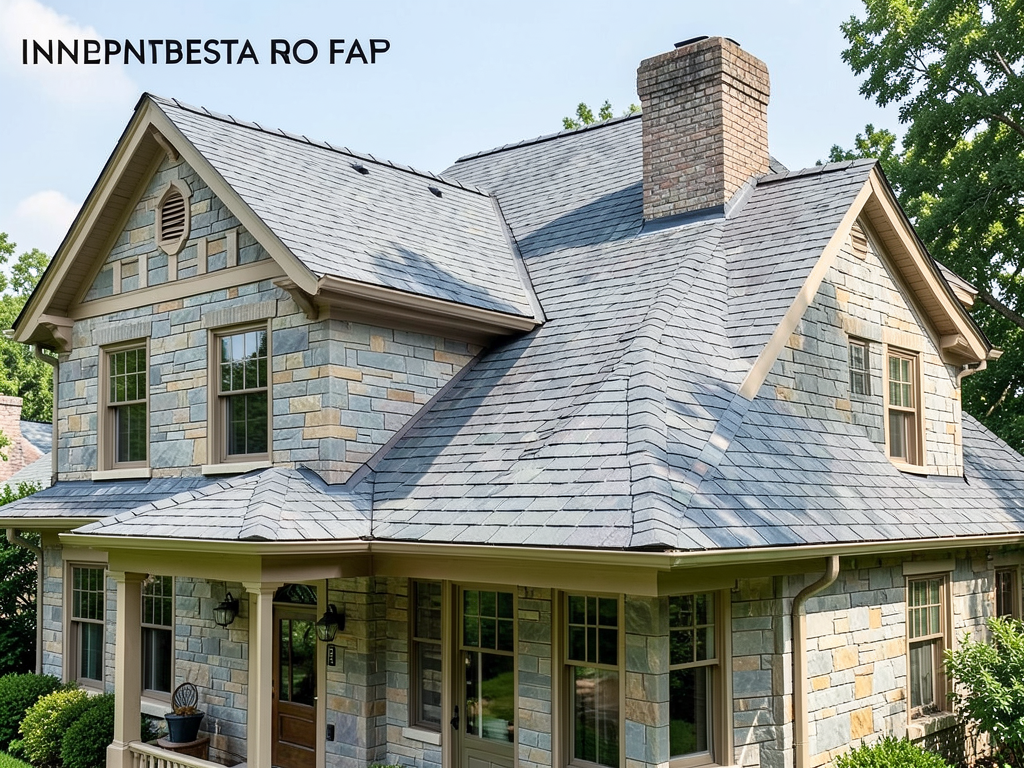
Why synthetic slate is the perfect middle ground for homeowners in Crows Nest and North Willow
Synthetic slate roofing delivers the timeless elegance of natural stone without the crushing weight or astronomical cost that has traditionally kept this premium look out of reach for most Indianapolis homeowners. For residents of Crows Nest and North Willow where architectural character matters, these polymer composite tiles provide Class 4 impact resistance against Indiana’s notorious hailstorms while maintaining the sophisticated appearance that complements the area’s historic and custom-built homes. How to navigate a roofing insurance claim in Brownsburg without the headache.
The freeze-thaw cycles that batter Central Indiana create unique challenges for roofing materials. Traditional slate can crack under expanding ice, while asphalt shingles lose granules and curl at the edges. Synthetic slate’s engineered flexibility allows it to expand and contract with temperature swings without compromising structural integrity. The material weighs approximately 200-300 pounds per square compared to natural slate’s 800-1,200 pounds, eliminating the need for expensive roof reinforcement while still providing a 50-year lifespan that matches or exceeds premium asphalt options. The best asphalt shingle brands for Greenwood homes (and why they matter).
Homeowners in these neighborhoods face specific pressures from HOA committees that often favor authentic materials but balk at the structural modifications required for natural slate. Synthetic slate passes visual inspection while meeting modern building code requirements for wind uplift and fire resistance. The Class A fire rating provides peace of mind in densely wooded areas where ember protection matters during dry seasons.. Read more about How Class 4 impact resistant shingles pay for themselves in lower insurance premiums for Carmel homeowners.
Cost considerations drive many decisions in this market segment. Natural slate installation in Indianapolis typically runs $1,500-2,500 per square including structural reinforcement, while synthetic options range from $800-1,400 per square with no additional framing required. This price differential, combined with the reduced installation time and simplified logistics, makes synthetic slate an accessible luxury for homeowners who want premium aesthetics without the premium headaches.
The manufacturing process creates tiles with consistent thickness and precise edge definition that natural slate cannot match. This uniformity translates to faster installation and better water shedding during Indiana’s heavy spring downpours. The material’s UV stabilizers prevent the fading that plagues lower-end synthetic products, maintaining the rich color variations that give slate its distinctive character.
Maintenance requirements differ significantly between synthetic and natural options. Natural slate demands periodic inspections for cracked tiles and careful walking procedures to avoid breakage. Synthetic slate tolerates foot traffic for maintenance access and resists algae growth through embedded copper particles that inhibit Gloeocapsa magma formation common in Indianapolis’s humid summers.. Read more about Using copper flashing and accents to elevate the curb appeal of your luxury home in Avalon Hills.
Insurance considerations often tip the scales for homeowners in these areas. Many carriers offer premium discounts for Class 4 impact-rated roofing in hail-prone regions. Synthetic slate’s consistent performance in third-party testing provides documentation that satisfies underwriters without the variability concerns of natural stone. Roofing Beech Grove.
The installation process requires specialized knowledge that distinguishes qualified contractors from general roofers. Proper fastening patterns prevent wind uplift damage during severe thunderstorms, while correct underlayment selection manages moisture in the freeze-thaw environment. These technical requirements make manufacturer certification programs valuable indicators of installer competence.
Energy efficiency represents an often-overlooked benefit. The material’s thermal mass helps moderate attic temperatures, reducing cooling loads during Indianapolis’s muggy summers. Light-colored synthetic options reflect more solar radiation than traditional dark slate, providing additional energy savings for homes with limited tree cover.
Environmental considerations appeal to many homeowners in these progressive neighborhoods. Synthetic slate contains recycled content and requires no quarrying, reducing the carbon footprint compared to natural stone. The material’s longevity means fewer replacement cycles, further minimizing environmental impact over the building’s lifecycle. The honest cost of a full roof replacement in Indianapolis for 2026.
Sound attenuation provides another practical advantage. The composite structure dampens rain noise more effectively than metal roofing while maintaining better acoustic properties than asphalt during heavy storms. This characteristic matters in neighborhoods where outdoor living spaces extend living areas into the backyard.
Warranty coverage varies significantly between manufacturers and installation methods. Premium synthetic slate products carry 50-year limited warranties when installed by certified contractors, compared to 25-30 year coverage for high-end asphalt shingles. These extended warranties provide long-term value protection for homeowners planning to stay in their properties for decades.. Read more about High-end shingle upgrades for luxury estate homes in Wynnedale and Spring Hill.
The visual impact of synthetic slate transforms curb appeal in ways that photographs cannot fully capture. The material’s depth and texture create shadow lines that change throughout the day, providing architectural interest that static materials cannot achieve. This dynamic quality enhances the premium appearance that attracts buyers in competitive real estate markets.
Structural considerations extend beyond weight savings. The material’s consistent dimensions allow for tighter installation tolerances, reducing the risk of wind-driven rain infiltration common in Indiana’s severe weather patterns. Proper installation creates a continuous barrier that performs better than the variable thickness of natural slate.
Color selection offers more flexibility than many homeowners realize. While traditional slate colors dominate, synthetic options include contemporary hues that complement modern architectural styles becoming popular in renovated historic districts. This versatility allows homeowners to achieve either classic or contemporary appearances based on personal preference.
The installation timeline typically runs 3-5 days for an average home, compared to 7-10 days for natural slate due to the additional structural work required. This faster completion reduces homeowner disruption and allows for better scheduling around Indianapolis’s unpredictable weather patterns.
Repairability concerns often arise during the decision process. Synthetic slate allows for individual tile replacement without affecting surrounding materials, while natural slate requires careful matching of replacement pieces and skilled labor to avoid collateral damage during repairs. EPA recycled content guidelines.
Market perception continues evolving as more homeowners discover synthetic slate’s advantages. Early adopters in Crows Nest and North Willow have demonstrated the material’s performance through multiple weather cycles, building confidence among neighbors considering similar upgrades.. Read more about How much a high-end roof upgrade actually adds to the resale value of a home in Meridian-Kessler.
The investment decision ultimately balances multiple factors: aesthetic preferences, budget constraints, structural limitations, and long-term performance expectations. Synthetic slate consistently delivers the best overall value for homeowners seeking premium appearance without premium complications.
Comparing synthetic and natural slate for Indianapolis homes
Understanding the key differences between synthetic and natural slate helps homeowners make informed decisions based on their specific priorities and constraints.
| Feature | Synthetic Slate | Natural Slate |
|---|---|---|
| Weight per square | 200-300 lbs | 800-1,200 lbs |
| Installation time | 3-5 days | 7-10 days |
| Cost per square | $800-1,400 | $1,500-2,500 |
| Lifespan | 50+ years | 75-100+ years |
| Impact resistance | Class 4 | Variable/Class 3 |
| Walkability | Moderate | Delicate |
The weight difference represents the most significant practical consideration for most Indianapolis homes. Natural slate’s substantial mass often requires roof reinforcement, adding $3,000-8,000 to installation costs depending on the home’s original construction. This structural requirement eliminates many viable candidates for natural slate while synthetic options install directly over existing decking.
Impact resistance testing reveals another critical distinction. Synthetic slate consistently achieves Class 4 ratings, withstanding impacts from 2-inch steel balls dropped from 20 feet. Natural slate’s performance varies by quarry source and can degrade over time from freeze-thaw cycles. This reliability matters in Indiana’s hail alley where spring storms frequently damage lesser materials.
Color consistency presents both advantages and limitations. Synthetic slate offers predictable color matching across large installations, while natural slate shows variation even within the same quarry shipment. This consistency benefits homeowners seeking uniform appearance but may disappoint those wanting the unique character of natural stone.
Environmental impact calculations favor synthetic materials when considering the full lifecycle. Natural slate requires energy-intensive quarrying and transportation, often from distant sources. Synthetic production uses recycled content and local manufacturing reduces transportation emissions. The reduced weight also means lower fuel consumption during delivery.
Weather resistance in Indiana’s challenging climate
Indiana’s climate creates specific challenges that synthetic slate handles better than most alternatives. The material’s engineering addresses these regional concerns through targeted design features.
Freeze-thaw cycles cause most roofing failures in Central Indiana. Water penetrates microscopic cracks, freezes, expands, and creates larger fractures. Synthetic slate’s polymer matrix flexes with this expansion rather than fracturing. The material’s closed-cell structure prevents water absorption that initiates this destructive cycle.
Wind uplift poses another significant threat during severe thunderstorms. Indianapolis frequently experiences gusts exceeding 60 mph, particularly in spring and fall. Synthetic slate’s consistent thickness and engineered fastening systems provide reliable resistance to these forces. The material’s lighter weight actually improves wind performance by reducing the leverage forces on fasteners.
Hail damage represents a major concern for Indianapolis homeowners. The region experiences frequent hailstorms with stones reaching golf ball size. Class 4 impact resistance means the material withstands impacts that would crack or puncture lesser roofing products. This durability translates to fewer insurance claims and lower long-term maintenance costs.
Snow and ice management requires specific design considerations. Synthetic slate’s smooth surface allows snow to slide off more readily than textured materials, reducing ice dam formation. The material’s consistent thickness prevents the uneven melting patterns that create ice buildup along roof edges.
UV exposure affects all roofing materials, but synthetic slate incorporates stabilizers that prevent the degradation common in lower-quality plastics. The material maintains its structural integrity and colorfastness through decades of Indiana’s intense summer sun, unlike materials that become brittle or fade over time.
Algae and moss growth thrive in Indianapolis’s humid climate. Synthetic slate incorporates copper particles that inhibit biological growth without requiring chemical treatments. This passive protection maintains the roof’s appearance while reducing maintenance requirements compared to materials that support organic growth.
Installation process for synthetic slate in historic neighborhoods
Installing synthetic slate in historic districts like those found in Crows Nest and North Willow requires balancing modern performance with traditional aesthetics.
The process begins with careful removal of existing roofing materials down to the decking. This inspection phase often reveals hidden damage that requires repair before new installation. The clean substrate ensures proper adhesion of underlayment and prevents future moisture problems.
Underlayment selection proves critical for long-term performance. Synthetic slate requires specific underlayment types that manage moisture while providing secondary water protection. The material’s weight allows for lighter underlayment than natural slate installations, reducing material costs while maintaining protection.
Flashing details require particular attention in historic homes. The synthetic material’s consistent dimensions allow for precise flashing integration that prevents water infiltration at vulnerable points. This precision proves especially important around chimneys, valleys, and roof penetrations common in older architecture.. Read more about Checking if your older Garfield Park home can actually support the weight of heavy designer shingles.
Fastening patterns follow manufacturer specifications that account for wind uplift and thermal movement. The consistent tile thickness allows for uniform fastener placement, creating a more reliable installation than the variable thickness of natural slate permits. This uniformity improves both performance and appearance.
Starter courses establish the pattern for the entire installation. Proper alignment at this stage prevents cumulative errors that become visible over large roof areas. The synthetic material’s dimensional stability makes this alignment easier to maintain throughout the project.
Cutting and fitting around roof features requires specialized tools and techniques. Synthetic slate cuts cleanly with standard power tools, allowing for precise fitting around dormers, vents, and other architectural details. This ease of modification speeds installation while improving the finished appearance.
Quality control during installation includes multiple inspection points to verify proper fastening, alignment, and flashing integration. These checks prevent common installation errors that compromise long-term performance. The material’s consistency makes these inspections more reliable than those for natural slate.
Cleanup and final inspection ensure the completed installation meets both manufacturer standards and homeowner expectations. The synthetic material produces less waste than natural slate, and any scrap remains fully recyclable, reducing environmental impact.
Cost analysis for synthetic slate in Central Indiana
Understanding the complete cost picture helps homeowners evaluate synthetic slate against other premium roofing options.
Material costs for synthetic slate range from $400-600 per square for standard profiles to $600-800 per square for premium designer options. These prices include delivery to Indianapolis but exclude installation labor and accessories.
Installation labor typically adds $300-500 per square, depending on roof complexity and local market conditions. Simple gable roofs cost less per square than complex hip roofs with multiple valleys and dormers. The consistent material dimensions reduce labor time compared to natural slate.
Accessory costs include underlayment ($50-100 per square), flashing ($100-200 per linear foot), and ridge caps ($150-250 per linear foot). These components must meet manufacturer specifications to maintain warranty coverage.
Removal and disposal of existing roofing adds $100-200 per square if a complete tear-off is required. Some installations allow for overlay applications where existing shingles provide additional insulation, though this option may not be suitable for all structures.
Structural considerations rarely add costs for synthetic slate since most homes can support the material without reinforcement. This advantage contrasts sharply with natural slate, where structural upgrades often add $3,000-8,000 to project costs.
Long-term cost analysis must include maintenance requirements and expected lifespan. Synthetic slate’s 50-year warranty and minimal maintenance needs reduce lifetime ownership costs compared to materials requiring periodic repairs or replacement.
Insurance premium reductions for Class 4 impact resistance can offset 5-10% of annual premiums in hail-prone areas. These savings accumulate over the material’s lifespan, improving the investment’s overall return.
Property value impact varies by neighborhood and market conditions. In premium areas like Crows Nest and North Willow, synthetic slate typically enhances marketability and can increase appraised values by 3-5% compared to standard roofing materials.
Maintenance requirements and best practices
Synthetic slate requires minimal maintenance compared to natural alternatives, but specific practices maximize longevity and performance.
Annual inspections should check for loose or damaged tiles, particularly after severe weather events. The synthetic material’s durability means most inspections reveal no issues, but early detection of any problems prevents more extensive damage. Should you choose cedar shake or asphalt for your Meridian-Kessler home?.
Gutter cleaning remains essential for all roofing systems. Synthetic slate’s smooth surface allows debris to slide off more readily than textured materials, but accumulated leaves and twigs still trap moisture and create drainage problems.
Algae and moss prevention requires no active treatment in most cases. The copper particles embedded in synthetic slate inhibit biological growth, maintaining the roof’s appearance without chemical interventions required by some materials.
Walking on synthetic slate requires reasonable care but poses less risk than natural slate. The material flexes slightly under foot traffic without cracking, though concentrated pressure on single tiles should still be avoided when possible.
Snow removal considerations vary by homeowner preference. Synthetic slate’s smooth surface allows snow to slide off naturally, reducing the need for mechanical removal. However, this same characteristic means snow may release suddenly, requiring precautions for entry areas and landscaping.
Repair procedures for synthetic slate prove straightforward compared to natural alternatives. Individual tiles remove easily without affecting surrounding materials, and replacements match existing tiles perfectly since color consistency remains stable over time.
Cleaning recommendations typically advise against pressure washing, which can damage any roofing material. Gentle rinsing with garden hose pressure removes most accumulated dirt, while stubborn stains respond to mild detergent solutions applied with soft brushes.
Wildlife damage rarely affects synthetic slate, unlike natural materials that provide nesting sites for birds or gnawing surfaces for squirrels. The smooth, uniform surface deters animal activity while maintaining the desired aesthetic appearance.
Professional maintenance services should verify fastening integrity, particularly after extreme weather events. The synthetic material’s consistent dimensions make these inspections more reliable than those for natural slate, where variations complicate assessment.
Documentation of maintenance activities supports warranty claims if needed. Most manufacturers require proof of proper care for warranty coverage, though synthetic slate’s durability means few claims arise from properly installed systems.
Environmental considerations and sustainability
Synthetic slate offers environmental advantages that appeal to environmentally conscious homeowners in Indianapolis’s progressive neighborhoods.
Manufacturing processes use recycled content, often incorporating post-consumer plastics and rubber that would otherwise enter landfills. This material diversion reduces waste while creating durable products that serve useful purposes for decades.
Transportation emissions remain lower than natural slate due to the material’s reduced weight. Synthetic slate’s density allows more product per truckload, reducing fuel consumption and associated emissions during delivery to job sites throughout Central Indiana.
End-of-life recyclability ensures the material doesn’t become waste after its useful life. Most synthetic slate products recycle into new roofing materials or other plastic products, creating a circular economy that contrasts with landfill-bound alternatives.
Energy efficiency benefits extend beyond the manufacturing process. The material’s thermal properties reduce cooling loads during Indianapolis’s hot summers, lowering electricity consumption and associated emissions from power generation.
Water quality improvements result from the material’s inert composition. Unlike treated materials that may leach chemicals during rainfall, synthetic slate remains stable and doesn’t contribute contaminants to stormwater runoff or groundwater systems.
Urban heat island effects decrease with light-colored synthetic options that reflect more solar radiation than traditional dark roofing materials. This reflection reduces ambient temperatures in developed areas, improving comfort and reducing cooling energy requirements for entire neighborhoods.
Durability translates to reduced replacement frequency, minimizing the environmental impact of manufacturing, transportation, and installation activities over the building’s lifetime. The 50-year lifespan means fewer replacement cycles compared to materials requiring replacement every 20-25 years.
Local manufacturing options continue expanding, reducing transportation distances for some products. Regional production facilities serve the Midwest market, further decreasing the carbon footprint associated with product delivery to Indianapolis and surrounding areas.
Certifications from environmental organizations provide third-party verification of sustainability claims. Look for products with Energy Star ratings, recycled content certifications, or other environmental endorsements that validate manufacturer claims about sustainability.
Installation waste reduction benefits the environment through decreased landfill contributions. The material’s consistent dimensions produce less cutting waste than natural slate, and any scrap remains fully recyclable rather than requiring disposal.
Choosing the right contractor for synthetic slate installation
Selecting qualified contractors ensures synthetic slate performs as designed and maintains warranty coverage.
Manufacturer certification represents the primary qualification indicator. Certified contractors complete training programs that cover proper installation techniques, fastening patterns, and warranty requirements specific to each product line.
Experience with synthetic materials matters more than general roofing experience. The material’s unique properties require specific knowledge about expansion joints, fastening patterns, and compatibility with various underlayment types.
Insurance coverage must include both liability and workers’ compensation. The material’s weight and installation requirements create specific risks that standard roofing policies may not adequately cover.
References from previous synthetic slate installations provide performance verification. Contact past clients to learn about their experiences with the contractor’s workmanship, communication, and warranty service responsiveness.
Local knowledge proves valuable for Indianapolis installations. Contractors familiar with regional weather patterns, building codes, and architectural styles provide better outcomes than those unfamiliar with Central Indiana conditions.
Written estimates should detail all components including underlayment, flashing, and accessories. Synthetic slate installations require specific compatible products; using inferior substitutes voids warranties and compromises performance.
Project timelines should account for weather delays common in Indiana. Spring and fall installations face higher cancellation risks due to rain and temperature constraints that affect material handling and installation quality.
Payment schedules typically require deposits with progress payments tied to completion milestones. Avoid contractors demanding full payment upfront, as this arrangement provides no leverage for addressing quality issues that arise during installation.
Cleanup procedures should specify daily site maintenance and final debris removal. Synthetic slate installation produces less waste than natural alternatives, but proper cleanup remains essential for property protection and neighborhood relations.
Communication protocols establish expectations for progress updates, change order procedures, and warranty documentation. Clear communication prevents misunderstandings that lead to disputes or unsatisfactory outcomes.
Post-installation support includes warranty registration, maintenance guidance, and repair procedures for any issues that arise. Quality contractors provide ongoing support beyond project completion to ensure long-term customer satisfaction.
Frequently Asked Questions
How long does synthetic slate last in Indianapolis weather?
Synthetic slate typically lasts 50+ years in Indianapolis weather conditions. The material’s polymer composition resists the freeze-thaw cycles, UV exposure, and hail impacts common to Central Indiana. Most manufacturers offer 50-year limited warranties when installed by certified contractors.
Can synthetic slate be installed over existing shingles?
Often yes, synthetic slate can install over a single layer of existing shingles if the roof structure is sound and local codes permit overlays. This approach saves removal costs but requires proper underlayment installation. A professional inspection determines if your roof qualifies for this option.
Does synthetic slate qualify for insurance discounts?
Many insurance companies offer premium discounts for Class 4 impact-resistant roofing in hail-prone areas like Indianapolis. Synthetic slate’s consistent Class 4 rating qualifies for these discounts, potentially saving 5-15% on annual premiums depending on your carrier and specific policy terms.
How does synthetic slate compare to luxury asphalt shingles?
Synthetic slate offers superior impact resistance, longer lifespan, and more authentic slate appearance than luxury asphalt shingles. While initial costs run higher, synthetic slate’s 50-year durability and minimal maintenance requirements provide better long-term value for homeowners planning to stay in their homes for decades.
Is synthetic slate environmentally friendly?
Yes, synthetic slate contains recycled content, requires no quarrying, and remains fully recyclable at end of life. The material’s lighter weight reduces transportation emissions, while its 50-year lifespan minimizes replacement frequency compared to materials requiring replacement every 20-25 years.
[IMAGE_PLACEHOVER_1]
Diagram showing synthetic slate installation details including proper underlayment, flashing integration, and fastening patterns for Indianapolis weather conditions.
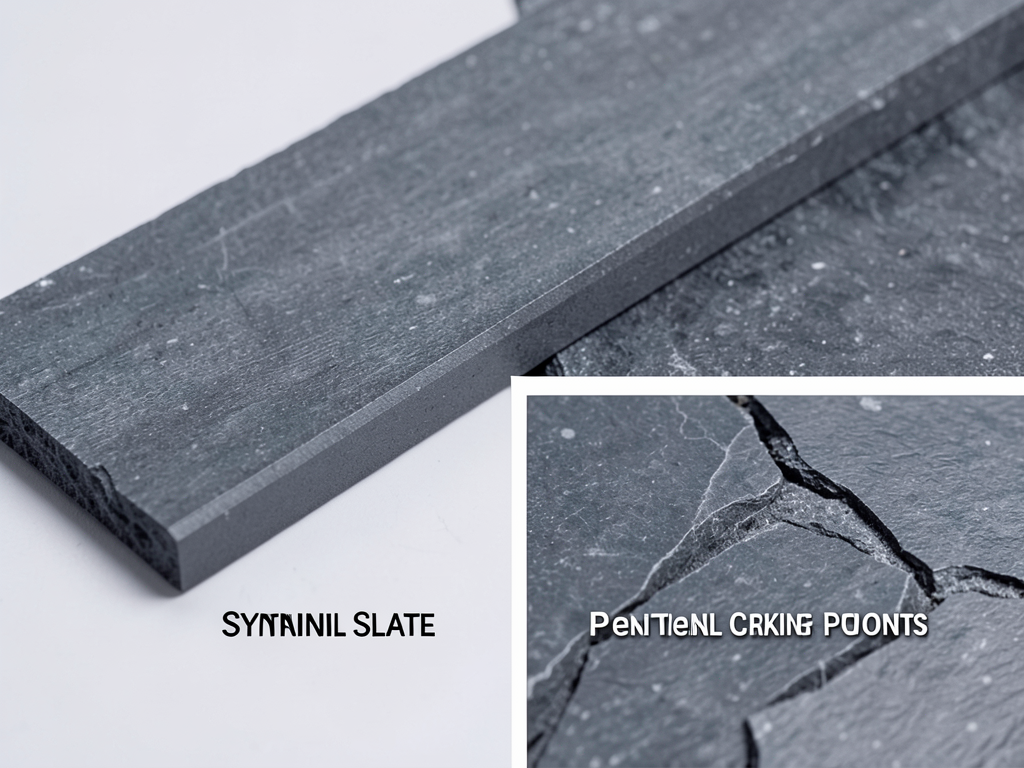
Photo of completed synthetic slate roof on a historic home in Crows Nest, demonstrating authentic slate appearance with modern performance benefits.
Close-up comparison showing synthetic slate’s consistent thickness and edge definition versus natural slate’s variable dimensions and potential cracking points.
Ready to upgrade your home with synthetic slate?
Synthetic slate offers the perfect combination of luxury appearance, weather resistance, and practical installation for homeowners in Crows Nest and North Willow. The material’s Class 4 impact resistance protects against Indiana’s notorious hailstorms, while the 50-year lifespan provides long-term value protection for your investment.
Don’t wait until the next storm damages your current roof. Call (317) 703-7557 today to schedule your free synthetic slate consultation. Our certified installers understand the specific requirements for historic and custom homes in your neighborhood and can help you select the perfect color and profile to enhance your home’s architectural character.
Pick up the phone and call (317) 703-7557 before the next Indiana thunderstorm hits. Your home deserves the protection and beauty that only synthetic slate can provide. For more information, visit 2021 International Residential Code.
You may also find this helpful. Getting your Geist HOA to approve a new roof color without the stress.
{
“@context”: “https://schema.org”,
“@type”: “BlogPosting”,
“headline”: “Why synthetic slate is the perfect middle ground for homeowners in Crows Nest and North Willow”,
“description”: “Discover why synthetic slate offers the perfect balance of luxury aesthetics and durability for Indianapolis homeowners in Crows Nest and North Willow. Learn about weather resistance, costs, and installation.”,
“wordCount”: 3666,
“datePublished”: “2026-04-28T12:15:00.000Z”,
“dateModified”: “2026-04-28T12:15:00.000Z”,
“inLanguage”: “en-US”,
“mainEntityOfPage”: {
“@type”: “WebPage”,
“@id”: “https://eliteroofingindianapolis.com”
},
“publisher”: {
“@type”: “LocalBusiness”,
“name”: “Elite Roofing Indianapolis”,
“url”: “https://eliteroofingindianapolis.com”
},
“author”: {
“@type”: “Organization”,
“name”: “Elite Roofing Indianapolis”,
“url”: “https://eliteroofingindianapolis.com”
},
“image”: {
“@type”: “ImageObject”,
“url”: “https://eliteroofingindianapolis.com/wp-content/uploads/2026/03/why-synthetic-slate-is-the-perfect-middle-ground-f-1.png”
}
}
{
“@context”: “https://schema.org”,
“@type”: “RoofingContractor”,
“name”: “Elite Roofing Indianapolis”,
“url”: “https://eliteroofingindianapolis.com”,
“address”: {
“@type”: “PostalAddress”,
“addressLocality”: “Indianapolis”
},
“areaServed”: {
“@type”: “City”,
“name”: “Indianapolis”
}
}
{
“@context”: “https://schema.org”,
“@type”: “FAQPage”,
“mainEntity”: [
{
“@type”: “Question”,
“name”: “How long does synthetic slate last in Indianapolis weather?”,
“acceptedAnswer”: {
“@type”: “Answer”,
“text”: “Synthetic slate typically lasts 50+ years in Indianapolis weather conditions. The material’s polymer composition resists the freeze-thaw cycles, UV exposure, and hail impacts common to Central Indiana. Most manufacturers offer 50-year limited warranties when installed by certified contractors.”
}
},
{
“@type”: “Question”,
“name”: “Can synthetic slate be installed over existing shingles?”,
“acceptedAnswer”: {
“@type”: “Answer”,
“text”: “Often yes, synthetic slate can install over a single layer of existing shingles if the roof structure is sound and local codes permit overlays. This approach saves removal costs but requires proper underlayment installation. A professional inspection determines if your roof qualifies for this option.”
}
},
{
“@type”: “Question”,
“name”: “Does synthetic slate qualify for insurance discounts?”,
“acceptedAnswer”: {
“@type”: “Answer”,
“text”: “Many insurance companies offer premium discounts for Class 4 impact-resistant roofing in hail-prone areas like Indianapolis. Synthetic slate’s consistent Class 4 rating qualifies for these discounts, potentially saving 5-15% on annual premiums depending on your carrier and specific policy terms.”
}
},
{
“@type”: “Question”,
“name”: “How does synthetic slate compare to luxury asphalt shingles?”,
“acceptedAnswer”: {
“@type”: “Answer”,
“text”: “Synthetic slate offers superior impact resistance, longer lifespan, and more authentic slate appearance than luxury asphalt shingles. While initial costs run higher, synthetic slate’s 50-year durability and minimal maintenance requirements provide better long-term value for homeowners planning to stay in their homes for decades.”
}
},
{
“@type”: “Question”,
“name”: “Is synthetic slate environmentally friendly?”,
“acceptedAnswer”: {
“@type”: “Answer”,
“text”: “Yes, synthetic slate contains recycled content, requires no quarrying, and remains fully recyclable at end of life. The material’s lighter weight reduces transportation emissions, while its 50-year lifespan minimizes replacement frequency compared to materials requiring replacement every 20-25 years.”
}
},
{
“@type”: “Question”,
“name”: “Ready to upgrade your home with synthetic slate?”,
“acceptedAnswer”: {
“@type”: “Answer”,
“text”: “Synthetic slate offers the perfect combination of luxury appearance, weather resistance, and practical installation for homeowners in Crows Nest and North Willow. The material’s Class 4 impact resistance protects against Indiana’s notorious hailstorms, while the 50-year lifespan provides long-term value protection for your investment.”
}
}
]
}
{
“@context”: “https://schema.org”,
“@type”: “BreadcrumbList”,
“itemListElement”: [
{
“@type”: “ListItem”,
“position”: 1,
“name”: “Home”,
“item”: “https://eliteroofingindianapolis.com”
},
{
“@type”: “ListItem”,
“position”: 2,
“name”: “Blog”,
“item”: “https://eliteroofingindianapolis.com/blog”
},
{
“@type”: “ListItem”,
“position”: 3,
“name”: “Why synthetic slate is the perfect middle ground for homeowners in Crows Nest and North Willow”
}
]
}
{
“@context”: “https://schema.org”,
“@type”: “Service”,
“serviceType”: “Roofing”,
“provider”: {
“@type”: “LocalBusiness”,
“name”: “Elite Roofing Indianapolis”,
“url”: “https://eliteroofingindianapolis.com”
},
“areaServed”: {
“@type”: “City”,
“name”: “Indianapolis”
},
“description”: “Discover why synthetic slate offers the perfect balance of luxury aesthetics and durability for Indianapolis homeowners in Crows Nest and North Willow. Learn about weather resistance, costs, and installation.”
}