
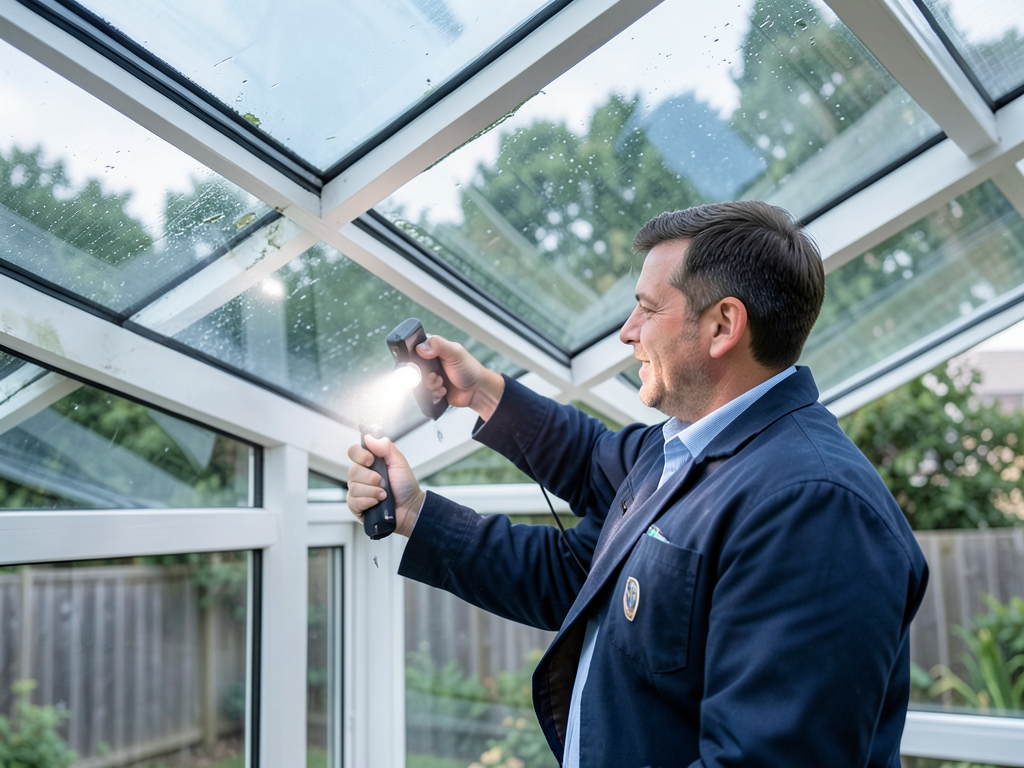
The best roofing solutions for those tricky glass or metal sunroom additions in Noblesville
Sunroom roofs leak because they expand and contract at different rates than your main house. Glass and metal panels create unique sealing challenges that standard roofing materials cannot handle. In Noblesville’s climate, these problems get worse with every freeze-thaw cycle and summer storm. How to navigate a roofing insurance claim in Brownsburg without the headache.
Glass sunroom roofs crack under hail impact. Metal roofs dent and create water pockets that hold moisture against seals. Polycarbonate panels yellow and become brittle after years of UV exposure. Each material needs its own repair approach. EPA guide on condensation and indoor air quality.
The biggest problem happens where the sunroom meets your home. This transition point moves with temperature changes. Standard flashing pulls away from glass or metal surfaces. Water finds these gaps and causes ceiling stains, warped wood, and mold growth.
Noblesville homeowners face specific challenges. Our clay soils shift seasonally, which makes your sunroom foundation move slightly. This movement breaks seals that were perfect when installed. Heavy summer rains overwhelm poorly designed gutters. Winter ice dams force water under flashing.
Professional repair starts with identifying the exact material and failure pattern. Glass needs specialized sealants that flex without losing adhesion. Metal requires corrosion-resistant fasteners and proper thermal breaks. Polycarbonate demands UV-resistant coatings and expansion joints.
Most sunroom leaks start at the perimeter. The glass-to-frame seal fails first. Metal roof screws back out from thermal cycling. Polycarbonate panels separate from their glazing bars. Finding these failure points early prevents expensive interior damage.
Condensation often gets mistaken for roof leaks. Temperature differences between inside and outside create moisture on glass surfaces. This water drips down walls and makes homeowners think the roof failed. Proper ventilation and dehumidification solve most condensation problems.
Three-season sunrooms need different solutions than four-season rooms. Three-season spaces freeze in winter, which means materials must handle extreme temperature swings. Four-season rooms maintain steady temperatures but require vapor barriers and insulation in the roof assembly.
Building permits matter for sunroom modifications. Marion County requires permits for structural changes to existing additions. This includes replacing the entire roof system or adding new support members. Skipping permits can void warranties and cause insurance problems later.
Insurance claims for sunroom damage follow different rules than main house claims. Some policies exclude glass roofs or limit coverage for non-standard materials. Document damage with photos before cleanup. Keep receipts for emergency repairs. Getting emergency roof repairs in Broad Ripple before the next big rain.
Professional inspection reveals hidden problems. We check for wood rot under leaking areas. We test structural members for strength loss. We examine electrical connections in roof-mounted lights or fans. These details prevent future failures.
DIY repairs often make problems worse. Store-bought sealants cannot handle the movement rates of glass or metal roofs. Improper flashing installation creates new leak paths. Wrong fasteners cause galvanic corrosion between dissimilar metals.
Replacement decisions depend on several factors. Age matters – most sunroom roofs last 15-20 years. Material type affects longevity – glass outlasts polycarbonate. Extent of damage determines if repair makes sense. Cost analysis often shows replacement saves money long-term. The honest cost of a full roof replacement in Indianapolis for 2026.
Modern materials offer better solutions. Self-adhering membranes stick to glass without mechanical fasteners. EPDM rubber conforms to irregular shapes. Standing seam metal systems eliminate exposed fasteners. These options reduce future maintenance needs. Preventative Roof Maintenance Plans.
Maintenance prevents most problems. Clean gutters twice yearly. Remove leaves from roof valleys. Check seals annually for cracking or separation. Trim overhanging branches that drop debris. These simple steps extend roof life significantly.
Energy efficiency matters for sunroom roofs. Single-pane glass loses heat rapidly. Adding low-E coatings reduces heat transfer. Insulated metal panels provide better R-values than standard materials. Proper insulation cuts heating and cooling costs.
Ventilation prevents moisture buildup. Ridge vents allow hot air to escape. Soffit vents bring in fresh air. This airflow keeps roof temperatures down and prevents ice dam formation in winter.
Professional installation makes the difference. Experienced crews know how materials expand and contract. They use the right sealants for each surface. They install flashing that moves with the structure instead of fighting it.
Emergency repairs need quick action. Cover damaged areas with tarps to prevent interior water damage. Document the damage for insurance. Avoid walking on fragile glass or polycarbonate surfaces. Call professionals immediately.
Long-term solutions require planning. Consider upgrading to more durable materials during repairs. Add proper insulation if the room feels too hot or cold. Improve drainage to prevent future water problems.
Cost factors vary by material and damage extent. Glass replacement costs more than polycarbonate repair. Metal roofing requires specialized tools and skills. Structural repairs add significant expense. Get detailed estimates before starting work. Roofing Beech Grove.
Quality workmanship shows in details. Proper sealant application prevents future leaks. Correct fastener spacing prevents material distortion. Clean work areas show respect for your property. These factors separate professionals from handymen.
Communication matters during repairs. Understand the repair process before work starts. Know what materials will be used. Get timelines for completion. Clear expectations prevent misunderstandings.
Post-repair care extends your investment. Follow maintenance recommendations. Address small problems quickly. Keep warranty documents in a safe place. These habits protect your sunroom for years.
Local expertise helps in Noblesville. We understand our specific weather patterns. We know which materials perform best here. We navigate local permit requirements efficiently. This knowledge saves time and money.
Sunroom roofs require specialized knowledge. Standard roofing techniques do not apply. Material compatibility matters more than cost. Professional assessment prevents expensive mistakes.
Your sunroom adds value to your home. Proper maintenance protects that investment. Quality repairs prevent bigger problems. Professional service ensures lasting results.
Ready to fix your sunroom roof? Call (317) 703-7557 today to schedule your inspection. We serve Noblesville and surrounding Hamilton County communities with expert sunroom repair solutions.
Common Sunroom Roof Materials and Their Problems
Glass roofs look beautiful but crack under impact. Hail storms in central Indiana frequently damage glass panels. Even small cracks grow over time as temperature changes stress the glass edges.
Polycarbonate sheets yellow after 5-7 years of sun exposure. The material becomes brittle and cracks easily. UV rays break down the chemical structure, causing hazing that blocks light.
Metal roofing expands and contracts more than other materials. This movement breaks sealant bonds over time. Standing seam systems reduce this problem but cost more initially.
EPDM rubber works well for flat sunroom roofs. The material handles temperature changes without cracking. However, EPDM can puncture from falling branches or hail impact.
Three-season rooms often use thinner materials to save costs. These materials cannot handle Indiana’s temperature extremes. Four-season rooms need insulated panels for year-round comfort.
Flashing details make or break sunroom installations. Improper flashing allows water behind siding. Correct installation requires understanding material movement rates.
Sealant selection matters for each material type. Silicone works on glass but not all metals. Polyurethane bonds well to many surfaces but needs proper surface preparation.
Structural support affects material choices. Heavy glass needs stronger framing than polycarbonate. Metal roofing requires specific fastener patterns to prevent oil canning.
Condensation control differs by material. Glass surfaces show condensation clearly. Polycarbonate may trap moisture between layers. Metal conducts temperature changes rapidly.
Energy codes affect material selection. Some areas require specific R-values for new installations. Low-E coatings may be mandatory for glass roofs.
Sunroom Roof Repair Process
Step 1: Inspection and Assessment. We examine the entire roof system for damage patterns. We check structural members for rot or weakness. We identify the exact material types and their condition.
Step 2: Leak Detection. We use moisture meters to find hidden water damage. We trace stain patterns to their source. We test seals and flashing for integrity.
Step 3: Material Preparation. We clean surfaces thoroughly before repairs. We remove old sealants that prevent new adhesion. We protect surrounding areas from damage.
Step 4: Repair Execution. We apply manufacturer-recommended sealants for each material. We install proper flashing details. We ensure all fasteners are correct for the substrate.
Step 5: Quality Control. We test repaired areas with water to verify fixes. We check all transitions for proper movement allowance. We clean the work area completely.
Step 6: Documentation. We provide photos of repairs completed. We note any additional issues found. We give maintenance recommendations for the future.
Emergency repairs follow a different process. We prioritize stopping water intrusion first. We use temporary materials that can be removed later. We schedule permanent repairs as soon as weather permits.
Insurance claims require specific documentation. We provide detailed damage reports. We include material costs and labor estimates. We communicate directly with adjusters when needed.
Permit requirements vary by project scope. Simple seal repairs may not need permits. Structural changes or material replacements often require approval. We handle permit applications when needed.
Warranty considerations affect repair choices. Some sealants void manufacturer warranties. Certain repair methods may extend existing coverage. We explain warranty implications before starting work.
Cost Factors for Sunroom Roof Repairs
Material costs vary significantly. Glass replacement costs $15-25 per square foot. Polycarbonate panels run $8-12 per square foot. EPDM rubber averages $6-9 per square foot.
Labor rates depend on complexity. Simple seal repairs take 2-3 hours. Complete roof replacements require 2-3 days. Emergency calls cost more due to timing.
Structural repairs add expense. Rotted framing must be replaced before new roofing. Additional support members increase material needs. These repairs often reveal during the project.
Permit fees range from $50-300 depending on scope. Some municipalities charge based on project value. Others use flat rates for specific work types.
Travel distance affects pricing. Local Noblesville service has standard rates. Projects outside Hamilton County may include mileage charges. Emergency calls anytime may cost more.
Material availability impacts timing and cost. Common materials ship quickly. Specialty items may take weeks. Rush orders increase prices significantly.
Seasonal demand affects pricing. Winter emergency repairs cost more due to weather challenges. Summer peak season may have longer wait times.
Insurance coverage varies by policy. Some policies cover storm damage fully. Others exclude glass roofs or specific materials. We help document damage for claims.
DIY attempts often lead to higher costs. Incorrect repairs damage more materials. Water intrusion causes interior damage. Professional correction costs more than initial proper repair.
Quality materials cost more initially but last longer. Premium sealants resist UV degradation better. Heavy-duty flashing prevents future leaks. These choices reduce long-term expenses.
Maintenance Tips for Sunroom Roofs
Clean gutters twice yearly. Fall leaves and spring debris cause backups. Water overflow damages roof edges and flashing. Regular cleaning prevents these problems.
Inspect seals annually. Look for cracking, separation, or missing sections. Pay attention to corners and transitions. Early seal replacement prevents leaks.
Check for debris on roof surfaces. Leaves hold moisture against materials. Branches can scratch or puncture surfaces. Remove debris promptly.
Trim overhanging trees. Branches drop leaves and can fall during storms. Tree contact wears away protective coatings. Maintain safe distances from roof surfaces.
Test drainage after heavy rains. Look for standing water on flat areas. Check that downspouts direct water away from foundations. Poor drainage causes many problems.
Examine flashing details seasonally. Look for separation from walls or other materials. Check that fasteners remain tight. Replace damaged flashing immediately.
Monitor interior for signs of problems. Water stains indicate active leaks. Musty odors suggest moisture issues. Address these signs quickly.
Clean glass or polycarbonate surfaces gently. Harsh chemicals damage protective coatings. Use soft brushes or cloths. Avoid pressure washing that forces water under seals.
Check for pest damage. Squirrels and birds can damage seals. Insects may nest in small gaps. Address pest issues promptly.
Document repairs and maintenance. Keep records of work performed. Note warranty expiration dates. This information helps with future decisions.
Frequently Asked Questions
How long do sunroom roofs typically last?
Most sunroom roofs last 15-20 years depending on material and maintenance. Glass roofs often last longer than polycarbonate. Harsh Indiana weather can shorten lifespan significantly.
Can I repair a sunroom leak myself?
DIY repairs often fail because sunroom materials move differently than standard roofing. Store-bought sealants cannot handle the expansion rates of glass or metal. Professional repair ensures proper material compatibility.
How much does sunroom roof repair cost?
Costs vary by damage extent and material type. Simple seal repairs start around $300-500. Complete roof replacements range from $3,000-8,000 depending on size and materials. We provide detailed estimates after inspection.
Do I need a permit to repair my sunroom roof?
Simple seal repairs usually do not require permits. Structural changes, complete roof replacements, or electrical work typically need Marion County approval. We handle permit requirements when necessary.
How can I tell if my sunroom has a leak or just condensation?
Condensation appears as water droplets on interior surfaces during temperature changes. Actual leaks create water stains that grow larger over time. We use moisture meters to distinguish between the two during inspections.
What’s the best material for a new sunroom roof?
The best material depends on your needs and budget. Glass provides clarity but costs more. Polycarbonate offers good value but yellows over time. EPDM rubber works well for flat roofs. We recommend based on your specific situation.
How long does sunroom roof repair take?
Simple repairs take 2-4 hours. Complete replacements require 2-3 days including material preparation and cleanup. Weather can affect timing for exterior work.
Will my homeowner’s insurance cover sunroom roof damage?
Coverage varies by policy. Some policies exclude glass roofs or specific materials. Storm damage is often covered but wear and tear is not. We help document damage for insurance claims.
How do I maintain my sunroom roof?
Clean gutters twice yearly, inspect seals annually, remove debris promptly, and check for signs of problems regularly. Address small issues before they become major repairs. We provide specific maintenance recommendations for your roof type.
Should I repair or replace my old sunroom roof?
Age, damage extent, and material type determine the best choice. Roofs over 15 years old often need replacement. Extensive damage usually makes replacement more cost-effective. We provide honest recommendations after inspection.
- Safety First
Use a sturdy ladder and avoid walking on fragile surfaces. Never inspect during storms or wet conditions.
- Visual Exterior Check
Look for cracked panels, separated seals, or damaged flashing. Check for debris accumulation in valleys.
- Interior Examination
Search for water stains, mold growth, or warped materials. Check around windows and doors for moisture.
- Seal Inspection
Examine all caulked joints for cracking or separation. Pay special attention to corners and transitions.
- Flashing Assessment
Check that flashing remains tight against walls and other materials. Look for signs of separation or damage.
- Documentation
Take photos of any issues found. Note locations and severity of problems. Use this information for repair decisions.
Still have questions about your sunroom roof? Call (317) 703-7557 to speak with a sunroom repair specialist. We serve Noblesville and all of Hamilton County with expert roofing solutions. For more information, visit 2021 International Residential Code.
{
“@context”: “https://schema.org”,
“@type”: “BlogPosting”,
“headline”: “The best roofing solutions for those tricky glass or metal sunroom additions in Noblesville”,
“description”: “Expert sunroom roof repair in Noblesville. Fix leaks, condensation, and hail damage on glass, metal, and polycarbonate roofs. Call (317) 703-7557 for inspection.”,
“wordCount”: 2501,
“datePublished”: “2026-05-08T13:18:00.000Z”,
“dateModified”: “2026-05-08T13:18:00.000Z”,
“inLanguage”: “en-US”,
“mainEntityOfPage”: {
“@type”: “WebPage”,
“@id”: “https://eliteroofingindianapolis.com”
},
“publisher”: {
“@type”: “LocalBusiness”,
“name”: “Elite Roofing Indianapolis”,
“url”: “https://eliteroofingindianapolis.com”
},
“author”: {
“@type”: “Organization”,
“name”: “Elite Roofing Indianapolis”,
“url”: “https://eliteroofingindianapolis.com”
},
“image”: {
“@type”: “ImageObject”,
“url”: “https://eliteroofingindianapolis.com/wp-content/uploads/2026/03/the-best-roofing-solutions-for-those-tricky-glass-1.png”
}
}
{
“@context”: “https://schema.org”,
“@type”: “RoofingContractor”,
“name”: “Elite Roofing Indianapolis”,
“url”: “https://eliteroofingindianapolis.com”,
“address”: {
“@type”: “PostalAddress”,
“addressLocality”: “Indianapolis”
},
“areaServed”: {
“@type”: “City”,
“name”: “Indianapolis”
}
}
{
“@context”: “https://schema.org”,
“@type”: “FAQPage”,
“mainEntity”: [
{
“@type”: “Question”,
“name”: “How long do sunroom roofs typically last?”,
“acceptedAnswer”: {
“@type”: “Answer”,
“text”: “Most sunroom roofs last 15-20 years depending on material and maintenance. Glass roofs often last longer than polycarbonate. Harsh Indiana weather can shorten lifespan significantly.”
}
},
{
“@type”: “Question”,
“name”: “Can I repair a sunroom leak myself?”,
“acceptedAnswer”: {
“@type”: “Answer”,
“text”: “DIY repairs often fail because sunroom materials move differently than standard roofing. Store-bought sealants cannot handle the expansion rates of glass or metal. Professional repair ensures proper material compatibility.”
}
},
{
“@type”: “Question”,
“name”: “How much does sunroom roof repair cost?”,
“acceptedAnswer”: {
“@type”: “Answer”,
“text”: “Costs vary by damage extent and material type. Simple seal repairs start around $300-500. Complete roof replacements range from $3,000-8,000 depending on size and materials. We provide detailed estimates after inspection.”
}
},
{
“@type”: “Question”,
“name”: “Do I need a permit to repair my sunroom roof?”,
“acceptedAnswer”: {
“@type”: “Answer”,
“text”: “Simple seal repairs usually do not require permits. Structural changes, complete roof replacements, or electrical work typically need Marion County approval. We handle permit requirements when necessary.”
}
},
{
“@type”: “Question”,
“name”: “How can I tell if my sunroom has a leak or just condensation?”,
“acceptedAnswer”: {
“@type”: “Answer”,
“text”: “Condensation appears as water droplets on interior surfaces during temperature changes. Actual leaks create water stains that grow larger over time. We use moisture meters to distinguish between the two during inspections.”
}
},
{
“@type”: “Question”,
“name”: “What’s the best material for a new sunroom roof?”,
“acceptedAnswer”: {
“@type”: “Answer”,
“text”: “The best material depends on your needs and budget. Glass provides clarity but costs more. Polycarbonate offers good value but yellows over time. EPDM rubber works well for flat roofs. We recommend based on your specific situation.”
}
},
{
“@type”: “Question”,
“name”: “How long does sunroom roof repair take?”,
“acceptedAnswer”: {
“@type”: “Answer”,
“text”: “Simple repairs take 2-4 hours. Complete replacements require 2-3 days including material preparation and cleanup. Weather can affect timing for exterior work.”
}
},
{
“@type”: “Question”,
“name”: “Will my homeowner’s insurance cover sunroom roof damage?”,
“acceptedAnswer”: {
“@type”: “Answer”,
“text”: “Coverage varies by policy. Some policies exclude glass roofs or specific materials. Storm damage is often covered but wear and tear is not. We help document damage for insurance claims.”
}
},
{
“@type”: “Question”,
“name”: “How do I maintain my sunroom roof?”,
“acceptedAnswer”: {
“@type”: “Answer”,
“text”: “Clean gutters twice yearly, inspect seals annually, remove debris promptly, and check for signs of problems regularly. Address small issues before they become major repairs. We provide specific maintenance recommendations for your roof type.”
}
},
{
“@type”: “Question”,
“name”: “Should I repair or replace my old sunroom roof?”,
“acceptedAnswer”: {
“@type”: “Answer”,
“text”: “Age, damage extent, and material type determine the best choice. Roofs over 15 years old often need replacement. Extensive damage usually makes replacement more cost-effective. We provide honest recommendations after inspection.”
}
}
]
}
{
“@context”: “https://schema.org”,
“@type”: “HowTo”,
“name”: “How to Inspect Your Sunroom Roof”,
“step”: [
{
“@type”: “HowToStep”,
“position”: 1,
“name”: “Safety First”,
“text”: “Use a sturdy ladder and avoid walking on fragile surfaces. Never inspect during storms or wet conditions.”
},
{
“@type”: “HowToStep”,
“position”: 2,
“name”: “Visual Exterior Check”,
“text”: “Look for cracked panels, separated seals, or damaged flashing. Check for debris accumulation in valleys.”
},
{
“@type”: “HowToStep”,
“position”: 3,
“name”: “Interior Examination”,
“text”: “Search for water stains, mold growth, or warped materials. Check around windows and doors for moisture.”
},
{
“@type”: “HowToStep”,
“position”: 4,
“name”: “Seal Inspection”,
“text”: “Examine all caulked joints for cracking or separation. Pay special attention to corners and transitions.”
},
{
“@type”: “HowToStep”,
“position”: 5,
“name”: “Flashing Assessment”,
“text”: “Check that flashing remains tight against walls and other materials. Look for signs of separation or damage.”
},
{
“@type”: “HowToStep”,
“position”: 6,
“name”: “Documentation”,
“text”: “Take photos of any issues found. Note locations and severity of problems. Use this information for repair decisions.”
}
],
“image”: “https://eliteroofingindianapolis.com/wp-content/uploads/2026/03/the-best-roofing-solutions-for-those-tricky-glass-1.png”
}
{
“@context”: “https://schema.org”,
“@type”: “BreadcrumbList”,
“itemListElement”: [
{
“@type”: “ListItem”,
“position”: 1,
“name”: “Home”,
“item”: “https://eliteroofingindianapolis.com”
},
{
“@type”: “ListItem”,
“position”: 2,
“name”: “Blog”,
“item”: “https://eliteroofingindianapolis.com/blog”
},
{
“@type”: “ListItem”,
“position”: 3,
“name”: “The best roofing solutions for those tricky glass or metal sunroom additions in Noblesville”
}
]
}
{
“@context”: “https://schema.org”,
“@type”: “Service”,
“serviceType”: “Roofing”,
“provider”: {
“@type”: “LocalBusiness”,
“name”: “Elite Roofing Indianapolis”,
“url”: “https://eliteroofingindianapolis.com”
},
“areaServed”: {
“@type”: “City”,
“name”: “Indianapolis”
},
“description”: “Expert sunroom roof repair in Noblesville. Fix leaks, condensation, and hail damage on glass, metal, and polycarbonate roofs. Call (317) 703-7557 for inspection.”
}