
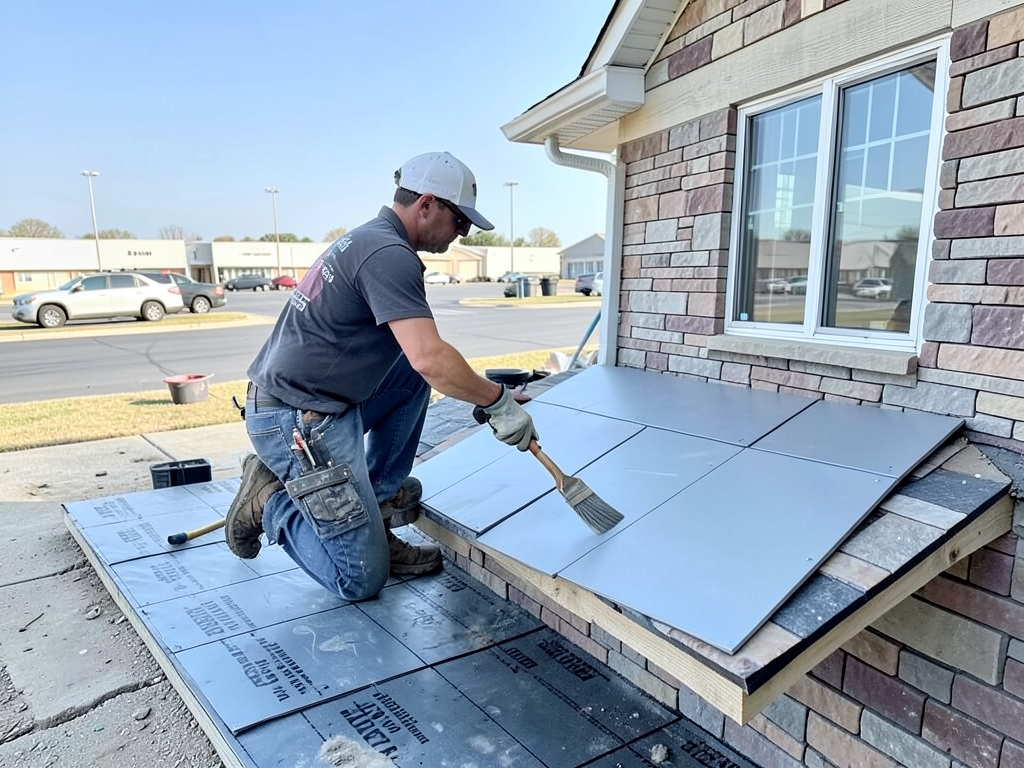
Soundproofing your attic to block out the noise from the Indianapolis International Airport flight path
Living near the Indianapolis International Airport means dealing with constant jet noise that disrupts your peace. The roar of engines and the rumble of aircraft overhead can make your attic feel like an echo chamber. But there’s good news. Modern soundproofing techniques can transform your noisy attic into a quiet retreat. Indianapolis International Airport.
The problem starts with sound transmission. Aircraft noise travels as vibrations through air and solid materials. Your roof deck acts like a drumhead, amplifying these vibrations throughout your home. Standard asphalt shingles offer minimal sound blocking, letting noise penetrate your living space. The best asphalt shingle brands for Greenwood homes (and why they matter).
The solution requires a complete system approach. You need materials that absorb sound waves, block vibrations, and create barriers between your attic and the outside world. This means upgrading your roofing materials, adding specialized underlayment, and improving attic insulation. How to navigate a roofing insurance claim in Brownsburg without the headache.
Indianapolis homeowners in neighborhoods like Decatur Township and Plainfield face unique challenges. The airport flight path creates concentrated noise zones where sound levels can reach 70-80 decibels during peak hours. That’s as loud as a vacuum cleaner running constantly overhead.
Professional soundproofing starts with material selection. Each roofing component plays a specific role in noise reduction. The right combination can lower sound transmission by 15-25 decibels, making your attic 75% quieter. Roofing Beech Grove.
Ready to reclaim your quiet space? Call (317) 703-7557 today to schedule your soundproofing consultation. Our team understands the unique noise challenges Indianapolis airport neighbors face.
How aircraft noise affects your Indianapolis home
Aircraft noise impacts more than just your comfort. Constant exposure to jet engine sounds can affect your sleep quality, increase stress levels, and even impact property values. The Federal Aviation Administration recognizes this and has established noise exposure standards for residential areas.
The science behind sound transmission explains why your attic amplifies aircraft noise. Sound waves travel through air as pressure variations. When these waves hit your roof, they cause the entire structure to vibrate. This vibration transfers through your roof deck, creating secondary sound waves inside your attic.
Different roofing materials handle these vibrations differently. Metal roofs can actually amplify certain frequencies, making them louder than asphalt in some cases. The key is mass and damping. Heavier materials with sound-absorbing properties block more noise.
Indianapolis’s climate adds another layer of complexity. Our hot summers and cold winters cause materials to expand and contract. This movement can create gaps over time, allowing sound to leak through. Professional installation techniques prevent these issues.
The attic space itself can become a noise amplifier. Hard surfaces like exposed rafters and bare insulation reflect sound waves, creating echoes. Soft materials absorb sound, reducing overall noise levels. This is why proper insulation matters for both temperature and sound control.
Sound Transmission Class ratings for roofing materials
Understanding STC ratings helps you choose the right materials for your soundproofing project. STC measures how well a material blocks sound transmission. Higher numbers mean better sound blocking. Should you choose cedar shake or asphalt for your Meridian-Kessler home?.
Standard asphalt shingles typically have STC ratings between 25-30. This means they block about 25-30 decibels of sound. For comparison, a normal conversation is about 60 decibels. Aircraft noise can exceed 100 decibels at close range.
Premium soundproofing materials achieve much higher STC ratings. Stone-coated steel roofing with proper underlayment can reach STC 45-50. This represents a significant improvement in noise reduction. The difference between STC 30 and STC 50 means the sound seems half as loud to your ears.
Mass-loaded vinyl underlayment adds substantial sound blocking. This heavy rubber-like material weighs about one pound per square foot. When installed between your roof deck and shingles, it can increase STC ratings by 10-15 points.
Acoustic insulation in your attic ceiling also improves soundproofing. Dense fiberglass or cellulose insulation absorbs sound waves that penetrate your roof. This prevents sound from bouncing around your attic space.
Material comparison table showing STC ratings and noise reduction capabilities:
| Material | STC Rating | Noise Reduction | Cost per sq ft |
|---|---|---|---|
| Standard Asphalt Shingles | 25-30 | 25-30 dB | $3.50-4.50 |
| Stone-Coated Steel | 45-50 | 45-50 dB | $8.00-12.00 |
| Mass-Loaded Vinyl Underlayment | N/A | +10-15 dB | $1.50-2.50 |
| Premium Acoustic Underlayment | 35-40 | 35-40 dB | $2.00-3.50 |
Complete soundproofing system for airport noise
Effective soundproofing requires more than just quiet materials. You need a complete system that addresses every point where sound can enter your attic. This includes your roof surface, underlayment, insulation, and even ventilation systems.
Starting with your roof surface, stone-coated steel offers excellent sound blocking. The heavy stone coating adds mass that absorbs vibrations. Unlike plain metal, the stone layer prevents sound amplification. This material also withstands Indiana’s severe weather, including hail and high winds.
Underlayment forms your second sound barrier. Mass-loaded vinyl provides superior sound blocking compared to standard felt paper. This material’s density prevents sound waves from penetrating through to your attic space. Professional installation ensures complete coverage without gaps.
Attic insulation serves dual purposes. Standard insulation helps with temperature control but offers limited sound blocking. Acoustic insulation uses denser materials designed specifically for sound absorption. This can reduce noise levels by an additional 5-10 decibels.
Ventilation systems can become noise pathways if not properly designed. Standard attic vents allow sound to enter through small openings. Sound-rated vents use baffled designs that block noise while maintaining proper airflow. This prevents your attic from becoming a sound chamber.
Professional installation techniques matter as much as materials. Proper fastener spacing prevents roof deck vibration. Sealed edges eliminate sound leaks. Attention to detail at every step ensures maximum noise reduction.
Indianapolis International Airport noise zones and your home
The Indianapolis International Airport has established noise exposure maps that show how sound levels vary across different areas. Homes in the 65 dB CNEL (Community Noise Equivalent Level) contour experience significant aircraft noise during peak hours.
Decatur Township and Plainfield residents face the highest noise exposure. These areas lie directly under major flight paths for both arrivals and departures. During busy travel periods, aircraft can pass overhead every 2-3 minutes, creating constant noise disruption.
Marion County building codes address noise in airport-adjacent areas. The Indiana Residential Code requires additional sound barriers for new construction in high-noise zones. These requirements include specific STC ratings for exterior walls and roofing systems.
Older homes in these areas often lack modern soundproofing features. Original construction from the 1960s-1980s used basic materials that provide minimal noise protection. Upgrading these systems can dramatically improve your quality of life.
Local weather patterns affect how sound travels. Indianapolis’s humid summers can actually enhance sound transmission through the air. Winter conditions with temperature inversions can trap sound close to the ground, increasing noise levels during certain times of year.
Understanding your specific noise exposure helps determine the right soundproofing approach. A professional assessment can identify the most problematic noise frequencies and recommend targeted solutions.
Cost-benefit analysis of airport noise soundproofing
Soundproofing your attic represents a significant investment, but the benefits often justify the cost. Consider both the immediate comfort improvements and long-term value increases when evaluating your options.
Standard soundproofing upgrades typically cost $8,000-15,000 for an average Indianapolis home. This includes premium roofing materials, specialized underlayment, and improved attic insulation. The exact cost depends on your home’s size and current roof condition.
The return on investment extends beyond noise reduction. Homes in high-noise areas often sell for 5-10% less than comparable properties in quieter locations. Effective soundproofing can eliminate this price penalty, potentially adding $15,000-30,000 to your home’s value.
Energy efficiency improvements often accompany soundproofing upgrades. Better insulation and sealed roofing systems reduce heating and cooling costs by 15-25%. This provides ongoing savings that help offset the initial investment.
Quality of life improvements are harder to quantify but equally important. Better sleep, reduced stress, and increased home enjoyment contribute significantly to your overall well-being. Many homeowners report these benefits as the primary motivation for soundproofing.
Insurance considerations may also apply. Some carriers offer premium discounts for homes with enhanced structural features, including improved roofing systems. Check with your provider about potential savings.
Professional installation techniques for maximum sound blocking
Even the best soundproofing materials fail without proper installation. Professional techniques ensure every component works together to create an effective sound barrier. This requires specialized knowledge and attention to detail.
Roof deck preparation forms the foundation of sound blocking. The deck must be completely sealed to prevent sound leaks. This includes filling gaps, sealing joints, and ensuring proper attachment to prevent vibration. Any movement in the deck creates noise pathways.
Underlayment installation requires specific techniques for sound blocking. Mass-loaded vinyl must overlap correctly to prevent gaps. Seams should be sealed with acoustic caulk. The material needs proper fastening to prevent movement that could create noise.
Shingle installation affects sound transmission. Proper nailing patterns prevent deck vibration. Correct spacing ensures complete coverage. Special attention to valleys and transitions prevents sound leaks at these vulnerable points.
Ventilation integration presents unique challenges for soundproofing. Standard vents allow sound to pass through. Sound-rated vents use baffled designs that block noise while maintaining airflow. This requires careful planning and professional installation.
Quality control during installation makes the difference between good and excellent soundproofing. This includes sound testing before final installation, checking for gaps or leaks, and verifying all components work together effectively.
Maintenance and long-term performance of soundproof roofing
Soundproofing systems require ongoing maintenance to maintain their effectiveness. Weather exposure, material aging, and normal wear can all impact sound blocking performance over time. Regular inspections help identify and address issues before they become problems.
Roof inspections should include sound barrier evaluation. Check for gaps in underlayment, damaged shingles, or compromised seals. Even small openings can significantly reduce overall sound blocking effectiveness. Annual inspections help maintain optimal performance.
Material degradation occurs gradually but can impact soundproofing. UV exposure can break down underlayment materials. Temperature cycling can cause expansion and contraction that creates gaps. Professional assessment can identify when replacement becomes necessary. The honest cost of a full roof replacement in Indianapolis for 2026.
Ventilation system maintenance affects sound blocking. Blocked vents can create pressure imbalances that force sound through other pathways. Regular cleaning and inspection ensure proper function while maintaining sound barriers.
Attic insulation requires periodic evaluation. Settling can reduce effectiveness over time. Moisture damage can compromise sound blocking properties. Professional assessment helps determine when upgrades or replacement become necessary.
Environmental factors in Indianapolis create specific challenges. Our freeze-thaw cycles can stress roofing components. Severe storms can damage sound barriers. Understanding these local factors helps plan appropriate maintenance schedules.
Frequently Asked Questions
How much noise reduction can I expect from soundproofing my attic?
Professional soundproofing typically reduces aircraft noise by 15-25 decibels. This represents a 50-75% reduction in perceived noise levels. Your attic will sound significantly quieter, though some aircraft noise may still be audible during takeoff and landing.
Will soundproofing my attic affect my home’s energy efficiency?
Yes, soundproofing upgrades often improve energy efficiency. Better insulation and sealed roofing systems reduce heat transfer, potentially lowering heating and cooling costs by 15-25%. The improved comfort from both temperature and noise control provides year-round benefits.
How long does professional attic soundproofing take?
Most soundproofing projects require 2-4 days for complete installation. This includes roof removal, underlayment installation, new roofing materials, and any necessary attic modifications. Weather conditions and project complexity can affect timing.
Take action against airport noise today
Living with constant aircraft noise doesn’t have to be your reality. Modern soundproofing technology can transform your noisy attic into a peaceful retreat. The investment pays dividends in improved comfort, better sleep, and increased property value.
Every day you wait means another day of disrupted sleep and increased stress. Indianapolis airport noise isn’t going away, but your exposure to it can be dramatically reduced. Professional soundproofing provides immediate relief and long-term benefits.
Don’t let aircraft noise control your quality of life. Our team understands the unique challenges Indianapolis airport neighbors face. We’ve helped hundreds of homeowners reclaim their quiet spaces with proven soundproofing solutions.
Ready to experience the difference professional soundproofing makes? Call (317) 703-7557 today to schedule your free assessment. We’ll evaluate your specific noise challenges and recommend the most effective solutions for your home and budget. For more information, visit FAA aircraft noise information.
Pick up the phone and call (317) 703-7557 before the next flight path takes you out of your quiet moment. Your peaceful attic is just one call away.
{
“@context”: “https://schema.org”,
“@type”: “BlogPosting”,
“headline”: “Soundproofing your attic to block out the noise from the Indianapolis International Airport flight path”,
“description”: “Expert soundproofing solutions for Indianapolis homeowners near the airport. Learn how to block jet noise with acoustic roofing systems, insulation, and underlayment.”,
“wordCount”: 2087,
“datePublished”: “2026-05-07T14:02:00.000Z”,
“dateModified”: “2026-05-07T14:02:00.000Z”,
“inLanguage”: “en-US”,
“mainEntityOfPage”: {
“@type”: “WebPage”,
“@id”: “https://eliteroofingindianapolis.com”
},
“publisher”: {
“@type”: “LocalBusiness”,
“name”: “Elite Roofing Indianapolis”,
“url”: “https://eliteroofingindianapolis.com”
},
“author”: {
“@type”: “Organization”,
“name”: “Elite Roofing Indianapolis”,
“url”: “https://eliteroofingindianapolis.com”
},
“image”: {
“@type”: “ImageObject”,
“url”: “https://eliteroofingindianapolis.com/wp-content/uploads/2026/03/soundproofing-your-attic-to-block-out-the-noise-fr-1.png”
}
}
{
“@context”: “https://schema.org”,
“@type”: “RoofingContractor”,
“name”: “Elite Roofing Indianapolis”,
“url”: “https://eliteroofingindianapolis.com”,
“address”: {
“@type”: “PostalAddress”,
“addressLocality”: “Indianapolis”
},
“areaServed”: {
“@type”: “City”,
“name”: “Indianapolis”
}
}
{
“@context”: “https://schema.org”,
“@type”: “FAQPage”,
“mainEntity”: [
{
“@type”: “Question”,
“name”: “How much noise reduction can I expect from soundproofing my attic?”,
“acceptedAnswer”: {
“@type”: “Answer”,
“text”: “Professional soundproofing typically reduces aircraft noise by 15-25 decibels. This represents a 50-75% reduction in perceived noise levels. Your attic will sound significantly quieter, though some aircraft noise may still be audible during takeoff and landing.”
}
},
{
“@type”: “Question”,
“name”: “Will soundproofing my attic affect my home’s energy efficiency?”,
“acceptedAnswer”: {
“@type”: “Answer”,
“text”: “Yes, soundproofing upgrades often improve energy efficiency. Better insulation and sealed roofing systems reduce heat transfer, potentially lowering heating and cooling costs by 15-25%. The improved comfort from both temperature and noise control provides year-round benefits.”
}
},
{
“@type”: “Question”,
“name”: “How long does professional attic soundproofing take?”,
“acceptedAnswer”: {
“@type”: “Answer”,
“text”: “Most soundproofing projects require 2-4 days for complete installation. This includes roof removal, underlayment installation, new roofing materials, and any necessary attic modifications. Weather conditions and project complexity can affect timing.”
}
}
]
}
{
“@context”: “https://schema.org”,
“@type”: “BreadcrumbList”,
“itemListElement”: [
{
“@type”: “ListItem”,
“position”: 1,
“name”: “Home”,
“item”: “https://eliteroofingindianapolis.com”
},
{
“@type”: “ListItem”,
“position”: 2,
“name”: “Blog”,
“item”: “https://eliteroofingindianapolis.com/blog”
},
{
“@type”: “ListItem”,
“position”: 3,
“name”: “Soundproofing your attic to block out the noise from the Indianapolis International Airport flight path”
}
]
}
{
“@context”: “https://schema.org”,
“@type”: “Service”,
“serviceType”: “Roofing”,
“provider”: {
“@type”: “LocalBusiness”,
“name”: “Elite Roofing Indianapolis”,
“url”: “https://eliteroofingindianapolis.com”
},
“areaServed”: {
“@type”: “City”,
“name”: “Indianapolis”
},
“description”: “Expert soundproofing solutions for Indianapolis homeowners near the airport. Learn how to block jet noise with acoustic roofing systems, insulation, and underlayment.”
}