
Is your Mapleton-Fall Creek roof strong enough to handle a heavy Indiana snowfall?
Indiana winters bring more than just cold temperatures to Mapleton-Fall Creek homes. Heavy snow combined with freeze-thaw cycles creates serious structural stress on older roofs. Many homes built before 1980 were designed for lighter loads and may not meet current safety standards. Understanding your roof’s snow load capacity could prevent costly damage or even dangerous collapse. Indiana Building Code Chapter 16.
Fresh powder snow weighs about 3-5 pounds per cubic foot, but packed snow can reach 20 pounds per cubic foot. Add a layer of ice and that number jumps to 57 pounds per cubic foot. When temperatures fluctuate around freezing, melting snow refreezes overnight, creating ice dams that trap additional moisture and weight against your roof structure.
Mapleton-Fall Creek’s historic homes, particularly those along Fall Creek Parkway and Central Avenue, face unique challenges. Many feature original wood framing spaced 24 inches on center rather than modern 16-inch spacing. This older construction method provides less structural support for heavy snow loads. The neighborhood’s mature tree canopy also creates shade patterns that keep snow on roofs longer, increasing freeze-thaw damage cycles.
According to the Indiana Building Code Chapter 16, residential roofs in Central Indiana must support a minimum 20-30 pounds per square foot live load. However, many Mapleton-Fall Creek homes were built under older codes or have experienced decades of structural settling. The combination of age, original materials, and Indiana’s harsh winter weather creates a perfect storm for potential roof failure.
Warning signs include visible sagging between rafters, creaking sounds during temperature changes, doors that suddenly stick or won’t close properly, and new cracks appearing in interior drywall. These symptoms indicate your roof structure is under stress and may not survive another heavy snowfall without intervention.
Professional snow removal requires specialized equipment and knowledge of roof structural limits. Using a roof rake from the ground prevents ice dam formation but won’t address existing structural concerns. When snow depth exceeds 6 inches or you notice warning signs, call a licensed roofing contractor immediately. Quick action can prevent thousands in water damage and structural repairs. How to navigate a roofing insurance claim in Brownsburg without the headache.
Call (317) 703-7557 today to schedule your free snow load inspection before the next storm hits.. Read more about How to safely inspect your Mars Hill roof from the ground (without climbing a ladder).
How Indiana’s freeze-thaw cycles create hidden roof damage
Indiana’s winter weather creates a destructive cycle that most homeowners never see. When daytime temperatures rise above freezing but nighttime temperatures drop below 32°F, melting snow seeps into tiny cracks in your roof materials. As water refreezes overnight, it expands by approximately 9%, widening those cracks and creating new ones.
This freeze-thaw process accelerates dramatically in Mapleton-Fall Creek due to the neighborhood’s specific microclimate. The White River corridor and surrounding tree canopy create temperature variations that can differ by 5-8 degrees from downtown Indianapolis. These microclimates mean some roofs experience freeze-thaw cycles when others remain stable.
Older asphalt shingles become particularly vulnerable. The fiberglass mat underneath loses flexibility over time, making it unable to expand and contract with temperature changes. You might notice curling shingle edges or missing granules – both signs that your roof can’t handle another Indiana winter without serious damage. The best asphalt shingle brands for Greenwood homes (and why they matter).
Metal roofs offer better freeze-thaw resistance but aren’t immune to problems. Temperature fluctuations cause metal panels to expand and contract, potentially loosening fasteners or creating gaps in flashing. The expansion rate for steel is approximately 0.0000065 inches per degree Fahrenheit, which sounds small but adds up across a 30-foot roof span.. Read more about Why snow guards are essential for metal roofs on the hilly properties of Clarendon Heights.
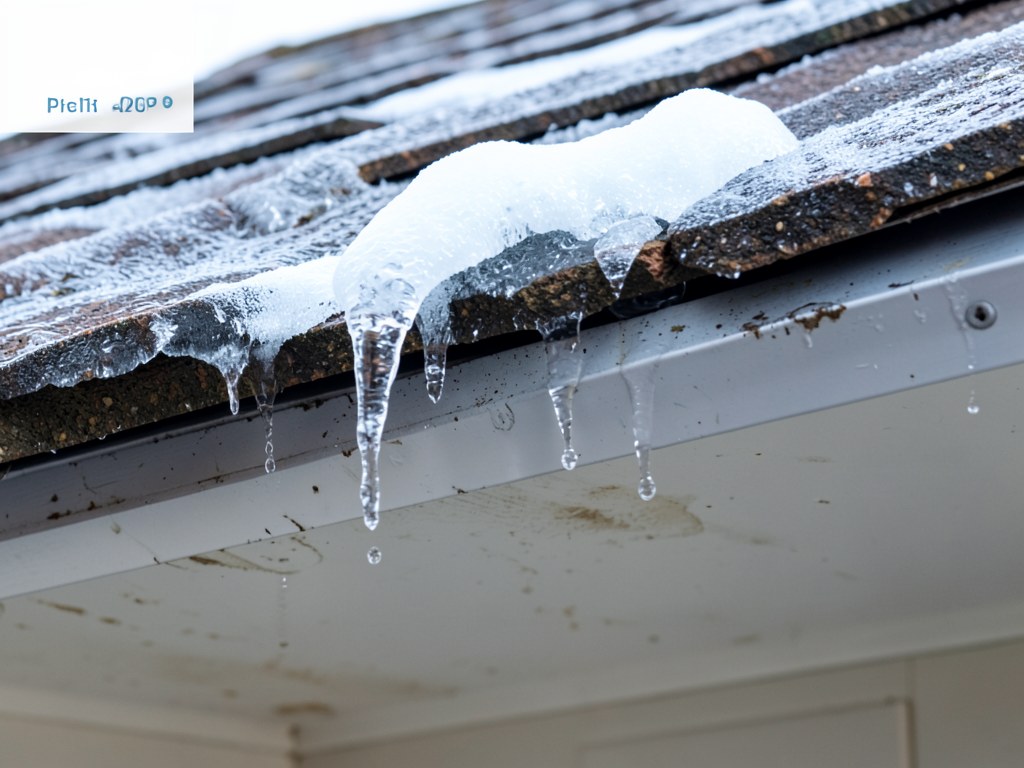
Ice dams form when warm attic air melts snow on the upper roof surface. Water flows down to the colder eaves where it refreezes, creating a barrier that traps additional melting snow. This cycle continues until water backs up under shingles, causing interior leaks that often appear far from the actual roof damage.
– Close-up photo showing ice dam formation at roof eaves with water backing up under shingles. Visible water stains on interior ceiling below demonstrate the hidden damage path.
Understanding your roof’s structural limits
Roof snow load capacity depends on several factors beyond just the weight of snow. Roof pitch significantly affects how snow accumulates and distributes weight. A 4:12 pitch roof holds more snow than a 12:12 pitch because gravity helps shed snow from steeper slopes.
The spacing between roof rafters determines how much weight each structural member must support. Modern building codes typically require 16-inch on-center spacing for residential roofs. Many Mapleton-Fall Creek homes built before 1970 have 24-inch spacing, reducing their snow load capacity by approximately 33%.
Roofing material also impacts structural loads. Heavy materials like clay tiles or slate add dead load even before snow falls. A square foot of clay tile weighs about 10 pounds, while asphalt shingles weigh 2-3 pounds per square foot. This difference matters when calculating total roof weight during winter storms. Roofing Beech Grove.
Attic conditions play a crucial role in roof performance. Poor ventilation allows warm air to melt snow from below, creating ice dams. Inadequate insulation means your furnace works harder while creating temperature variations that stress roofing materials. The ideal attic temperature should match outdoor temperature within 10 degrees. Should you choose cedar shake or asphalt for your Meridian-Kessler home?.
Structural modifications over time can compromise original roof strength. Added HVAC equipment, solar panels, or even heavy holiday decorations create point loads that weren’t in the original engineering calculations. These modifications often go unpermitted, leaving homeowners unaware of reduced structural capacity.
Age deteriorates all building materials. Wood rafters develop checks and splits. Metal fasteners corrode. Connections between structural members loosen. A roof that safely supported 30 pounds per square foot when built might only handle 20 pounds after 50 years of seasonal stress.
– Technical diagram showing roof rafter spacing comparison between 16-inch and 24-inch on-center layouts, with load distribution calculations for each configuration.
Warning signs your roof needs immediate attention
Roof problems rarely appear suddenly. Most develop gradually, giving you warning signs if you know what to look for. Interior symptoms often appear before exterior damage becomes visible, making regular attic inspections crucial for early detection.
Ceiling stains represent the most obvious warning sign, but they indicate water has already penetrated your roof system. Look for yellowish-brown discoloration, bubbling paint, or peeling wallpaper near exterior walls. These symptoms suggest ice dam formation or compromised underlayment.
Structural sounds provide early warnings of roof stress. Creaking, popping, or snapping noises during temperature changes indicate wood members are under tension. These sounds often occur when snow load approaches your roof’s design limits. Pay attention to when and where you hear these noises.
Door and window operation reveals structural movement. When roof rafters bow under heavy snow, they push exterior walls outward slightly. This movement can make doors suddenly difficult to open or close, or create gaps around window frames that weren’t there before winter.
Exterior signs include sagging roof sections between rafters, particularly over load-bearing walls. Look for dips or waves in what should be a straight roof line. Snow often melts first in these weakened areas because they retain less insulation value than surrounding sections.
Attic inspections reveal hidden problems. Check for water stains on rafters, wet insulation, or daylight visible through roof boards. Use a moisture meter to test suspicious areas – readings above 20% indicate active moisture problems that require immediate attention.
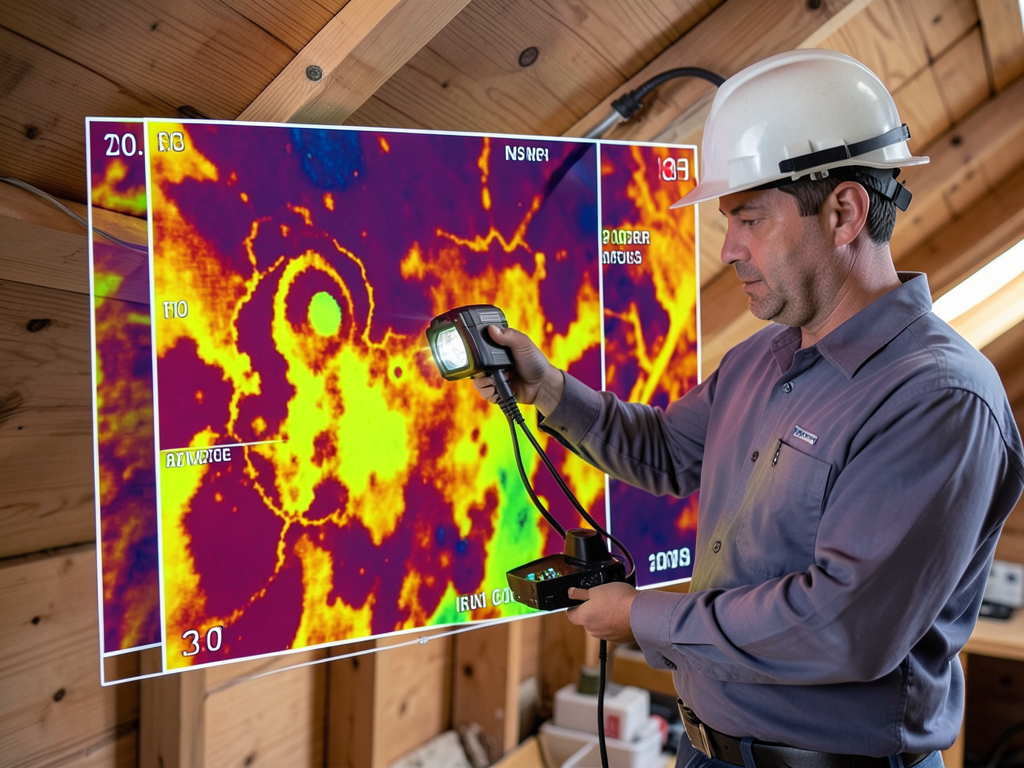
Professional inspection tools detect problems before they become emergencies. Infrared cameras identify heat loss patterns that indicate insulation problems or moisture intrusion. Moisture meters measure water content in wood members. These diagnostic tools provide objective data about your roof’s actual condition.
– Technician using infrared camera during attic inspection, with thermal image overlay showing heat loss patterns and potential moisture intrusion areas.
Professional snow removal vs. DIY approaches
Many homeowners attempt snow removal with roof rakes or by climbing onto their roofs. While these methods might seem cost-effective, they carry significant risks and often cause more damage than they prevent. Understanding when to call professionals versus when DIY is appropriate can save you money and prevent injuries.
Roof rakes work well for preventing ice dam formation when used correctly. Keep the rake blade at least 3 feet from the roof edge to avoid damaging shingles. Pull snow downward in straight lines, never sideways where you might catch shingle edges. Stop when you’ve cleared the bottom 3-4 feet of roof slope.
Climbing onto a snow-covered roof creates multiple hazards. Snow and ice create extremely slippery surfaces. Hidden skylights or roof vents become tripping hazards under snow. The weight of a person on an already stressed roof might exceed safe load limits. Professional roofers use fall protection equipment and understand roof structural limits.
Professional snow removal involves more than just pushing snow off your roof. Technicians assess snow load distribution, identify ice dam locations, and use specialized equipment that won’t damage roofing materials. They also understand how to properly dispose of removed snow to prevent creating new problems around your foundation.. Read more about Why hiring an uninsured roofing crew could cost you your Fall Creek Place home.
Cost considerations matter when deciding between DIY and professional service. A roof rake costs $50-100 but requires physical effort and time. Professional snow removal typically costs $250-500 depending on roof size and snow depth. However, one DIY mistake that damages shingles can cost $1,000-2,000 to repair.
Insurance coverage often favors professional service. Many policies exclude damage caused by DIY snow removal attempts. Some insurers offer premium discounts for professional preventive maintenance. Check your policy details before deciding how to handle heavy snow accumulation.
Timing affects both safety and effectiveness. Fresh powder snow weighs less than snow that’s been on your roof for several days. Early morning removal prevents daytime melting that creates ice. Professional services often work overnight to remove snow before daytime warming creates hazardous conditions.
Preparing your Mapleton-Fall Creek home for winter storms
Winter preparation starts long before the first snowfall. Fall inspections identify problems that winter weather will worsen. Addressing these issues in advance costs less than emergency repairs during a storm when contractors charge premium rates for immediate service. Getting emergency roof repairs in Broad Ripple before the next big rain.
Gutter maintenance prevents ice dam formation. Clean gutters in late fall remove leaves and debris that trap water. Ensure downspouts extend at least 6 feet from your foundation to prevent basement flooding when snow melts. Consider installing heating cables in problem areas where ice dams consistently form.
Attic ventilation improvements reduce ice dam formation. Soffit vents should provide 50% of your ventilation, with ridge vents or gable vents providing the remaining 50%. This balanced system keeps attic temperatures close to outdoor temperatures, preventing the freeze-thaw cycles that create ice dams.
Insulation upgrades pay for themselves through energy savings while protecting your roof. The Department of Energy recommends R-49 insulation in Indiana attics. This depth prevents warm air from melting snow on your roof while keeping your home warmer and reducing heating costs.
Tree maintenance prevents winter damage. Trim branches that hang over your roof to prevent them from breaking under snow weight and damaging shingles. Remove dead trees that might fall during ice storms. Keep branches at least 10 feet from your roof to prevent rodent access and reduce shade that prolongs snow retention.
Emergency supplies prepare you for winter power outages. Keep battery-powered lanterns, extra blankets, and non-perishable food on hand. Know how to manually operate your garage door. Locate your main water shutoff valve in case pipes freeze and burst.
Professional inspections identify problems you might miss. A qualified roofing contractor checks flashing around chimneys and vents, examines underlayment condition, and assesses overall roof structure. They can identify code compliance issues and recommend specific improvements for your home’s construction type and age.
Document your home’s condition before winter arrives. Take photos of your roof, attic, and any existing damage. This documentation helps with insurance claims if winter weather causes new damage. Keep receipts for any winterization work as proof of proper maintenance.
Frequently Asked Questions
How much snow weight can my roof safely support?
Most Indiana residential roofs are designed for 20-30 pounds per square foot of live load. Fresh powder snow weighs about 3-5 pounds per cubic foot, while packed snow can reach 20 pounds per cubic foot. One foot of fresh snow typically weighs 15-20 pounds per square foot.
When should I worry about snow on my roof?
Concern is warranted when snow depth exceeds 12 inches of packed snow or 24 inches of fresh powder. Also worry if you notice ceiling stains, hear creaking sounds, or see doors sticking. These signs indicate your roof is under stress and may need immediate professional attention.
Can I remove snow from my roof myself?
Using a roof rake from the ground is generally safe for preventing ice dams, but climbing onto a snow-covered roof is extremely dangerous. Professional roofers have proper safety equipment and understand structural load limits. DIY removal often causes more damage than it prevents.
How do I prevent ice dams from forming?
Ice dams form when warm attic air melts snow on your roof. Prevent them by ensuring proper attic insulation (R-49 recommended), maintaining balanced ventilation, and keeping gutters clean. Heating cables can help in problem areas, but addressing the underlying causes provides better long-term protection.
What should I do if I see water stains on my ceiling?
Water stains indicate active roof problems that require immediate attention. Contact a professional roofing contractor right away. Don’t wait for the next storm – water damage worsens quickly and can lead to mold growth, structural rot, and expensive repairs if left unaddressed.
Call (317) 703-7557 today to schedule your free snow load inspection before the next storm hits. For more information, visit FEMA Snow Load Guide.
{
“@context”: “https://schema.org”,
“@type”: “BlogPosting”,
“headline”: “Is your Mapleton-Fall Creek roof strong enough to handle a heavy Indiana snowfall?”,
“description”: “Worried about snow damage? Learn how Indiana’s freeze-thaw cycles and heavy snow loads affect older Mapleton-Fall Creek homes. Get expert safety tips and a free inspection.”,
“wordCount”: 2294,
“datePublished”: “2026-05-25T06:03:00.000Z”,
“dateModified”: “2026-05-25T06:03:00.000Z”,
“inLanguage”: “en-US”,
“mainEntityOfPage”: {
“@type”: “WebPage”,
“@id”: “https://eliteroofingindianapolis.com”
},
“publisher”: {
“@type”: “LocalBusiness”,
“name”: “Elite Roofing Indianapolis”,
“url”: “https://eliteroofingindianapolis.com”
},
“author”: {
“@type”: “Organization”,
“name”: “Elite Roofing Indianapolis”,
“url”: “https://eliteroofingindianapolis.com”
},
“image”: {
“@type”: “ImageObject”,
“url”: “https://eliteroofingindianapolis.com/wp-content/uploads/2026/03/is-your-mapleton-fall-creek-roof-strong-enough-to-1.png”
}
}
{
“@context”: “https://schema.org”,
“@type”: “RoofingContractor”,
“name”: “Elite Roofing Indianapolis”,
“url”: “https://eliteroofingindianapolis.com”,
“address”: {
“@type”: “PostalAddress”,
“addressLocality”: “Indianapolis”
},
“areaServed”: {
“@type”: “City”,
“name”: “Indianapolis”
}
}
{
“@context”: “https://schema.org”,
“@type”: “FAQPage”,
“mainEntity”: [
{
“@type”: “Question”,
“name”: “How much snow weight can my roof safely support?”,
“acceptedAnswer”: {
“@type”: “Answer”,
“text”: “Most Indiana residential roofs are designed for 20-30 pounds per square foot of live load. Fresh powder snow weighs about 3-5 pounds per cubic foot, while packed snow can reach 20 pounds per cubic foot. One foot of fresh snow typically weighs 15-20 pounds per square foot.”
}
},
{
“@type”: “Question”,
“name”: “When should I worry about snow on my roof?”,
“acceptedAnswer”: {
“@type”: “Answer”,
“text”: “Concern is warranted when snow depth exceeds 12 inches of packed snow or 24 inches of fresh powder. Also worry if you notice ceiling stains, hear creaking sounds, or see doors sticking. These signs indicate your roof is under stress and may need immediate professional attention.”
}
},
{
“@type”: “Question”,
“name”: “Can I remove snow from my roof myself?”,
“acceptedAnswer”: {
“@type”: “Answer”,
“text”: “Using a roof rake from the ground is generally safe for preventing ice dams, but climbing onto a snow-covered roof is extremely dangerous. Professional roofers have proper safety equipment and understand structural load limits. DIY removal often causes more damage than it prevents.”
}
},
{
“@type”: “Question”,
“name”: “How do I prevent ice dams from forming?”,
“acceptedAnswer”: {
“@type”: “Answer”,
“text”: “Ice dams form when warm attic air melts snow on your roof. Prevent them by ensuring proper attic insulation (R-49 recommended), maintaining balanced ventilation, and keeping gutters clean. Heating cables can help in problem areas, but addressing the underlying causes provides better long-term protection.”
}
},
{
“@type”: “Question”,
“name”: “What should I do if I see water stains on my ceiling?”,
“acceptedAnswer”: {
“@type”: “Answer”,
“text”: “Water stains indicate active roof problems that require immediate attention. Contact a professional roofing contractor right away. Don’t wait for the next storm – water damage worsens quickly and can lead to mold growth, structural rot, and expensive repairs if left unaddressed.”
}
}
]
}
{
“@context”: “https://schema.org”,
“@type”: “BreadcrumbList”,
“itemListElement”: [
{
“@type”: “ListItem”,
“position”: 1,
“name”: “Home”,
“item”: “https://eliteroofingindianapolis.com”
},
{
“@type”: “ListItem”,
“position”: 2,
“name”: “Blog”,
“item”: “https://eliteroofingindianapolis.com/blog”
},
{
“@type”: “ListItem”,
“position”: 3,
“name”: “Is your Mapleton-Fall Creek roof strong enough to handle a heavy Indiana snowfall?”
}
]
}
{
“@context”: “https://schema.org”,
“@type”: “Service”,
“serviceType”: “Roofing”,
“provider”: {
“@type”: “LocalBusiness”,
“name”: “Elite Roofing Indianapolis”,
“url”: “https://eliteroofingindianapolis.com”
},
“areaServed”: {
“@type”: “City”,
“name”: “Indianapolis”
},
“description”: “Worried about snow damage? Learn how Indiana’s freeze-thaw cycles and heavy snow loads affect older Mapleton-Fall Creek homes. Get expert safety tips and a free inspection.”
}