
Common Roof Leak Causes in Historic Irvington Houses and How to Fix Them
Historic Irvington homes face unique roofing challenges that modern houses don’t experience. Built between the late 1800s and early 1900s, these architectural treasures require specialized knowledge to diagnose and repair leaks properly. The combination of aging materials, original construction methods, and Indianapolis’s harsh climate creates a perfect storm for roof deterioration. Indianapolis Historic Preservation Commission.
Understanding the specific causes of roof leaks in Irvington’s historic homes is the first step to protecting your investment. Whether you own a Victorian mansion on Washington Street or a Craftsman bungalow near Ellenberger Park, knowing what to look for can save thousands in water damage repairs. This guide covers the most common leak sources and provides practical solutions that preserve your home’s historic integrity.
Age-Related Deterioration: The Primary Culprit
Historic Irvington homes are typically 80-120 years old, meaning their roofing materials have endured decades of Indiana weather cycles. The freeze-thaw pattern common in Central Indiana causes expansion and contraction that gradually breaks down roofing materials. Original slate tiles, clay tiles, and wood shakes become brittle and develop hairline fractures that allow water infiltration. How to navigate a roofing insurance claim in Brownsburg without the headache.
Many Irvington homes still retain their original roofing systems, which were designed for a 50-70 year lifespan. When these materials reach the end of their service life, they become porous and lose their ability to shed water effectively. The mortar used to secure slate and tile deteriorates over time, creating gaps where water can penetrate beneath the roofing surface. Roofing Beech Grove.
During our inspections, we often find that the substrate beneath historic roofing materials has also degraded. Original wood decking becomes spongy and loses structural integrity, making it impossible for new materials to adhere properly. This creates a compounding problem where both the surface and the underlying structure need attention.
Flashing Failures Around Chimneys and Dormers
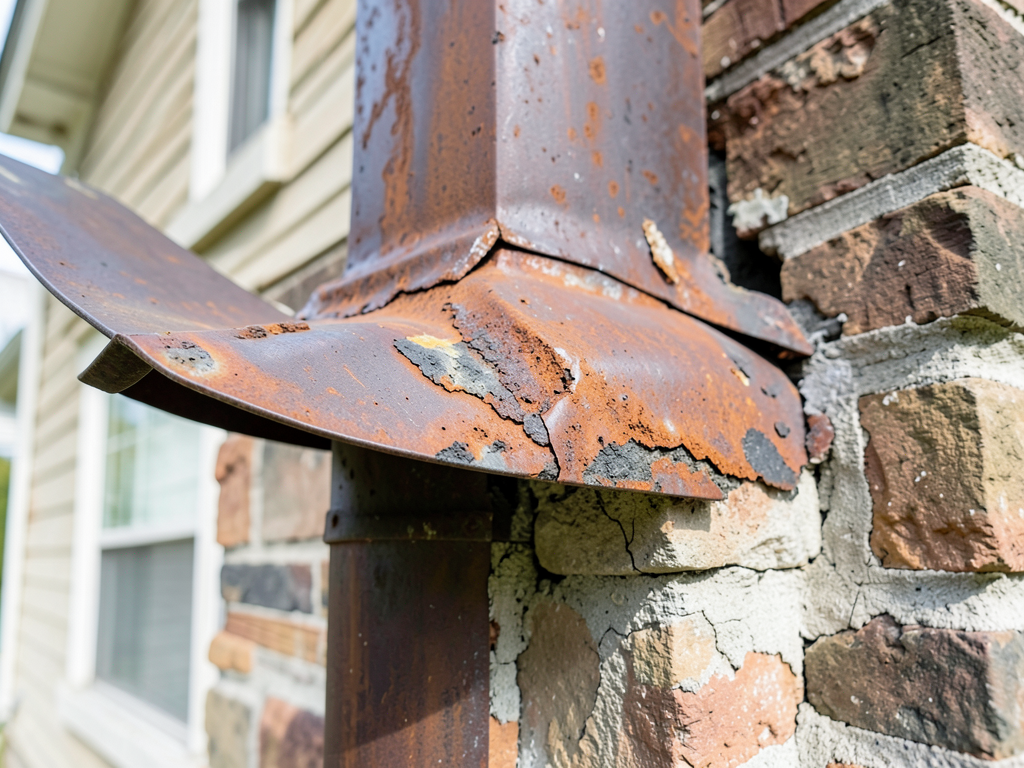
Historic Irvington homes typically feature multiple chimneys, dormers, and architectural details that create numerous flashing points. Original copper and lead flashing, while durable, eventually corrodes or separates from the masonry. The expansion and contraction of different materials causes flashing joints to fail, creating direct paths for water entry.
Chimneys in historic homes often settle differently than the rest of the structure, causing the flashing to pull away from the brick. This separation allows water to flow directly into the attic space. The problem worsens when original mortar joints between chimney bricks deteriorate, creating additional entry points for moisture.
Dormer windows present another common leak source in Irvington homes. The intersection between the dormer wall and the main roof creates a complex geometry that requires precise flashing installation. Over time, the original flashing around these areas fails, and water finds its way through the compromised seal.
Valley and Hip Roof Vulnerabilities
Many historic Irvington homes feature complex roof designs with multiple valleys and hips. These architectural elements, while beautiful, create natural water collection points that become leak-prone as materials age. The valleys in particular channel large volumes of water during heavy rains, putting stress on the underlying materials.
Original valley flashing in historic homes was often installed using techniques no longer common in modern construction. These methods, while appropriate for their time, can fail when subjected to today’s more intense weather patterns. The combination of aging materials and increased water volume creates a perfect environment for leaks.
Hip roofs on historic homes often have poor ventilation due to their design. This lack of airflow causes moisture to accumulate in the attic space, leading to condensation that mimics roof leaks. The trapped moisture also accelerates the deterioration of roofing materials from the underside.
Gutter and Drainage System Failures
Historic Irvington homes typically have original or early replacement gutter systems that are no longer adequate for modern rainfall volumes. The original 4-inch gutters installed in the early 1900s cannot handle the water volume produced by today’s larger roof areas and more intense storms. The honest cost of a full roof replacement in Indianapolis for 2026.
Many historic homes have undersized downspouts that become overwhelmed during heavy rain events. When gutters overflow, water cascades down the exterior walls and finds its way through windows, doors, and foundation joints. This water intrusion is often mistaken for roof leaks when the actual problem is inadequate drainage.
The original gutter hangers and brackets on historic homes often corrode or fail, causing gutters to pull away from the fascia. This separation creates gaps where water can flow behind the gutter and into the roof structure. The weight of ice and snow in winter exacerbates this problem, causing further separation.
Masonry and Mortar Joint Deterioration
Historic Irvington homes feature extensive masonry work including brick, stone, and decorative elements. The mortar used in these structures was often lime-based, which deteriorates faster than modern cement-based mortars. As mortar joints fail, water penetrates the masonry and travels through the wall system.
Freeze-thaw cycles in Indianapolis accelerate mortar deterioration. Water enters the deteriorated joints, freezes, expands, and creates larger openings. This cycle continues until significant water infiltration occurs. The problem is particularly severe on north-facing walls that receive less direct sunlight and dry more slowly.
Many historic homes have decorative masonry elements like cornices, belt courses, and parapet walls. These features create horizontal surfaces where water can pool and find entry points through failing mortar joints. The weight of these elements can also cause structural settling that opens new gaps in the building envelope.
Ventilation and Condensation Issues
Original construction methods in historic Irvington homes often included minimal attic ventilation. This design, appropriate for its time, creates modern problems with moisture accumulation. Without proper airflow, warm, moist air from living spaces rises and condenses on the underside of the roof deck.
Condensation appears as water stains on ceilings and walls, often leading homeowners to believe they have active roof leaks. The moisture from condensation can be just as damaging as actual water infiltration, causing rot, mold growth, and deterioration of insulation and structural elements.
Many historic homes have been updated with modern insulation without addressing ventilation needs. This combination traps moisture in the attic space, creating an environment where condensation forms on cold roof surfaces during temperature swings. The resulting moisture damage can mimic the appearance of active roof leaks.
Professional Repair Solutions for Historic Homes
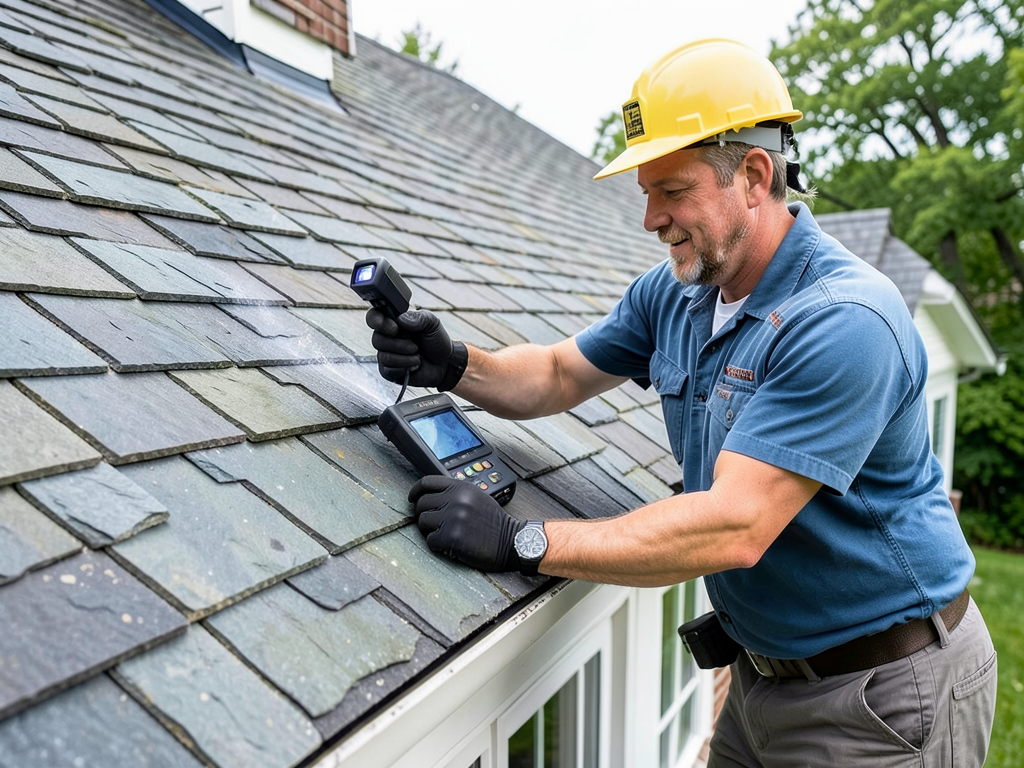
Repairing roof leaks in historic Irvington homes requires specialized knowledge and techniques that preserve architectural integrity. The first step is a comprehensive inspection using moisture meters, thermal imaging, and physical examination to identify all sources of water infiltration. This diagnostic approach ensures that all problems are addressed, not just the most obvious ones.
For flashing repairs, we use materials that match the original specifications while incorporating modern sealing techniques. Copper flashing is often the best choice for historic homes because it develops a patina that matches aged materials and provides superior longevity. The installation must account for the different expansion rates of various building materials.
When replacing deteriorated roofing materials, we source products that match the original appearance and dimensions. For slate roofs, we use Vermont slate that matches the color and thickness of the original tiles. For wood shake roofs, we select cedar that matches the original grade and installation pattern.
Valley repairs require special attention in historic homes. We often install additional underlayment and ice and water shield to provide modern protection while maintaining the original appearance. The new materials are installed using techniques that prevent water from backing up under the roofing surface.
Gutter System Upgrades for Modern Performance
Upgrading gutter systems in historic Irvington homes requires balancing modern performance with historic preservation. We often recommend increasing gutter size from the original 4-inch to 6-inch while maintaining the original profile and material. This upgrade provides significantly better water handling capacity without altering the home’s appearance.
Modern seamless aluminum gutters can be fabricated to match the original half-round or K-style profiles common in historic homes. These gutters offer superior durability and water handling capacity while maintaining the architectural character. We also install larger downspouts to handle increased water volume during heavy rains.
Hidden hanger systems provide better support for gutters while maintaining a clean appearance. These systems distribute the weight of the gutter more evenly and prevent the separation that occurs with traditional spike and ferrule hangers. Proper pitch is critical to ensure water flows toward the downspouts rather than overflowing.
Masonry Restoration and Waterproofing
Masonry restoration in historic Irvington homes requires careful matching of mortar composition and color. We use lime-based mortars that match the original materials while providing improved durability. The new mortar is carefully tooled to match the original joint profile and appearance.
Waterproofing historic masonry requires breathable treatments that allow moisture vapor to escape while preventing liquid water penetration. Traditional waterproofing methods that seal masonry completely can trap moisture and cause more damage than they prevent. We use modern silane and siloxane treatments that provide protection while maintaining the masonry’s ability to breathe.
For decorative masonry elements, we often need to rebuild sections that have deteriorated beyond repair. This work requires matching the original materials and construction techniques to ensure the repairs are not visible. The goal is to stabilize the structure while maintaining its historic character.
Ventilation Improvements for Modern Comfort
Improving ventilation in historic Irvington homes requires careful planning to avoid damaging original materials. We often install ridge vents that are nearly invisible from the ground while providing significant airflow improvement. Soffit vents can be added to existing eaves without altering the home’s appearance.
Attic ventilation calculations must account for the home’s specific geometry and local climate conditions. We use the 1/300 rule, which requires one square foot of ventilation for every 300 square feet of attic space. This calculation ensures adequate airflow to prevent moisture accumulation.
Insulation upgrades in historic homes must be coordinated with ventilation improvements. We often use blown-in cellulose insulation that can be installed around existing structures without major demolition. This approach improves energy efficiency while maintaining the home’s historic character.
Compliance with Historic Preservation Guidelines
Repairs to historic Irvington homes must comply with Indianapolis Historic Preservation Commission (IHPC) guidelines. The IHPC requires that repairs maintain the home’s historic character and use materials that match the original construction. This compliance ensures that your home retains its historic designation and value.
The IHPC approval process requires detailed documentation of proposed repairs, including material specifications and installation methods. We prepare comprehensive proposals that address all IHPC requirements and include samples of proposed materials when necessary. This preparation helps ensure smooth approval of your repair project.
Some repairs may require a Certificate of Appropriateness from the IHPC before work can begin. We handle this process as part of our service, ensuring that all repairs meet the commission’s standards for historic preservation. This compliance protects your investment and maintains your home’s historic status.
Maintenance Schedule for Historic Roofs
Historic Irvington homes require regular maintenance to prevent minor issues from becoming major problems. We recommend annual inspections to check for loose or damaged roofing materials, deteriorated flashing, and gutter system issues. These inspections should be performed by professionals familiar with historic construction methods. Should you choose cedar shake or asphalt for your Meridian-Kessler home?.
Gutter cleaning should be performed at least twice yearly, typically in spring and fall. This maintenance prevents water backup and ensures proper drainage during heavy rains. We also recommend checking downspouts for blockages and ensuring they direct water away from the foundation.
After severe weather events, additional inspections are necessary to check for damage from wind, hail, or falling branches. Historic roofing materials can be particularly vulnerable to impact damage, and early detection of problems can prevent water infiltration and more extensive repairs.
Emergency Leak Response for Historic Homes
When a leak occurs in a historic Irvington home, quick response is essential to prevent water damage to irreplaceable interior finishes and structural elements. We provide 24/7 emergency service with technicians who understand the unique requirements of historic homes. Our emergency response includes temporary protection to prevent further damage while permanent repairs are planned. Getting emergency roof repairs in Broad Ripple before the next big rain.
Emergency tarping of historic roofs requires special techniques to avoid damaging original materials. We use non-penetrating support systems and breathable tarps that protect the roof without trapping moisture against historic materials. This temporary protection preserves the roof’s integrity until permanent repairs can be made.
Water damage in historic homes often affects plaster walls, hardwood floors, and decorative elements that cannot be easily replaced. Our emergency response includes water extraction and drying techniques that protect these irreplaceable features while addressing the source of the leak.
Cost Considerations for Historic Home Repairs
Repairs to historic Irvington homes typically cost more than repairs to modern homes due to the specialized knowledge and materials required. The cost reflects the need for careful matching of original materials, compliance with preservation guidelines, and the additional time required for proper restoration techniques.
However, investing in proper repairs for historic homes provides significant long-term value. Quality restoration work can extend the life of your roof by decades, prevent costly interior damage, and maintain your home’s historic designation and market value. The cost of proper repairs is often less than the cost of repeated temporary fixes.
We provide detailed cost estimates that break down all aspects of the repair project, including materials, labor, and compliance costs. This transparency helps you understand the value of each repair component and make informed decisions about your home’s restoration.
Choosing the Right Contractor for Historic Homes
Not all roofing contractors have the knowledge and experience required for historic Irvington homes. When selecting a contractor, look for specific experience with historic preservation, knowledge of IHPC requirements, and a portfolio of completed historic home projects. The right contractor will understand both the technical and preservation aspects of your repair project.
Ask potential contractors about their experience with historic materials like slate, clay tile, and wood shake. They should be able to explain the specific installation techniques required for these materials and demonstrate knowledge of sourcing matching replacement materials. Experience with historic home insurance claims is also valuable.
Check references specifically for historic home projects similar to yours. Contact previous clients to ask about the contractor’s ability to meet preservation requirements, maintain project schedules, and handle unexpected issues that arise during historic home repairs. A contractor’s reputation with the IHPC can also be an indicator of their suitability for your project.
Protecting Your Investment for Future Generations
Your historic Irvington home represents a significant investment in architectural heritage. Proper roof maintenance and timely repairs protect not only your property but also the character of the Irvington neighborhood. By addressing roof leaks promptly and professionally, you help preserve these historic homes for future generations to enjoy.
The combination of Indianapolis’s climate, the age of historic homes, and original construction methods creates unique challenges that require specialized solutions. Understanding these challenges and working with experienced professionals ensures that your home receives the care it deserves while maintaining its historic integrity.
Whether you’re dealing with a current leak or want to prevent future problems, professional assessment and maintenance are essential for historic Irvington homes. The investment in proper care pays dividends in preserved value, prevented damage, and the satisfaction of maintaining a piece of Indianapolis history.
Frequently Asked Questions
How can I tell if my historic home has a roof leak?
Look for water stains on ceilings and walls, especially after rain. Check for peeling paint, mold growth, or musty odors in upper floors. In the attic, look for damp insulation, water stains on rafters, or daylight visible through roof boards. Historic homes may show subtle signs like slight plaster discoloration or wallpaper bubbling.
Will repairing my historic roof require IHPC approval?
Minor repairs that don’t alter the home’s appearance typically don’t require IHPC approval. However, significant repairs, material replacements, or changes to the roof structure usually require a Certificate of Appropriateness. We handle the approval process for all major repairs and ensure compliance with preservation guidelines.
How long do repairs to historic roofs typically take?
The timeline depends on the extent of damage and the complexity of repairs. Simple flashing repairs might take a day, while complete slate roof restoration could take several weeks. We provide detailed timelines after our initial inspection and work to minimize disruption to your home during the repair process.
Can modern roofing materials be used on historic homes?
While modern materials can provide better performance, they must match the original appearance to comply with preservation guidelines. We use modern underlayment and flashing techniques beneath historic materials to improve performance while maintaining the home’s historic character. Some modern materials are designed specifically to replicate historic appearances.
What’s the best way to prevent roof leaks in historic homes?
Regular professional inspections, timely maintenance of gutters and flashing, and prompt attention to minor issues are key. We recommend annual inspections and immediate repair of any identified problems. Proper attic ventilation and moisture control also help prevent many common leak sources in historic homes.
How much do historic roof repairs typically cost?
Costs vary widely based on the extent of damage, materials needed, and compliance requirements. Simple repairs might cost a few hundred dollars, while complete roof restoration can cost tens of thousands. We provide detailed estimates after inspection and can often phase repairs to fit your budget while addressing the most critical issues first.
Should I repair or replace my historic roof?
This decision depends on the roof’s overall condition, the extent of damage, and your long-term plans for the home. We provide honest assessments of whether repair or replacement is the better investment. In many cases, targeted repairs can extend a roof’s life significantly while preserving original materials.
Ready to Protect Your Historic Home?
Don’t let roof leaks damage your irreplaceable historic Irvington home. Our team has decades of experience with historic preservation and understands the unique challenges these architectural treasures face. We provide comprehensive inspections, expert repairs, and ongoing maintenance to keep your home dry and beautiful for generations to come.
Call (317) 703-7557 today to schedule your historic home roof inspection. We’ll identify any current issues and create a preservation-focused plan to protect your investment. Our emergency service is available 24/7 for urgent leak situations.
Pick up the phone and call (317) 703-7557 before the next storm hits. Your historic home deserves specialized care from professionals who understand its unique needs and value. For more information, visit National Park Service Roofing Preservation Brief.
{
“@context”: “https://schema.org”,
“@type”: “BlogPosting”,
“headline”: “Common roof leak causes in historic Irvington houses and how to fix them”,
“description”: “Discover the most common roof leak causes in historic Irvington homes and expert repair solutions. Protect your architectural heritage with our specialized roofing services.”,
“wordCount”: 3087,
“datePublished”: “2026-02-28T13:52:00.000Z”,
“dateModified”: “2026-02-28T13:52:00.000Z”,
“inLanguage”: “en-US”,
“mainEntityOfPage”: {
“@type”: “WebPage”,
“@id”: “https://eliteroofingindianapolis.com”
},
“publisher”: {
“@type”: “LocalBusiness”,
“name”: “Elite Roofing Indianapolis”,
“url”: “https://eliteroofingindianapolis.com”
},
“author”: {
“@type”: “Organization”,
“name”: “Elite Roofing Indianapolis”,
“url”: “https://eliteroofingindianapolis.com”
},
“image”: {
“@type”: “ImageObject”,
“url”: “https://eliteroofingindianapolis.com/wp-content/uploads/2026/03/common-roof-leak-causes-in-historic-irvington-hous-1.png”
}
}
{
“@context”: “https://schema.org”,
“@type”: “RoofingContractor”,
“name”: “Elite Roofing Indianapolis”,
“url”: “https://eliteroofingindianapolis.com”,
“address”: {
“@type”: “PostalAddress”,
“addressLocality”: “Indianapolis”
},
“areaServed”: {
“@type”: “City”,
“name”: “Indianapolis”
}
}
{
“@context”: “https://schema.org”,
“@type”: “FAQPage”,
“mainEntity”: [
{
“@type”: “Question”,
“name”: “How can I tell if my historic home has a roof leak?”,
“acceptedAnswer”: {
“@type”: “Answer”,
“text”: “Look for water stains on ceilings and walls, especially after rain. Check for peeling paint, mold growth, or musty odors in upper floors. In the attic, look for damp insulation, water stains on rafters, or daylight visible through roof boards. Historic homes may show subtle signs like slight plaster discoloration or wallpaper bubbling.”
}
},
{
“@type”: “Question”,
“name”: “Will repairing my historic roof require IHPC approval?”,
“acceptedAnswer”: {
“@type”: “Answer”,
“text”: “Minor repairs that don’t alter the home’s appearance typically don’t require IHPC approval. However, significant repairs, material replacements, or changes to the roof structure usually require a Certificate of Appropriateness. We handle the approval process for all major repairs and ensure compliance with preservation guidelines.”
}
},
{
“@type”: “Question”,
“name”: “How long do repairs to historic roofs typically take?”,
“acceptedAnswer”: {
“@type”: “Answer”,
“text”: “The timeline depends on the extent of damage and the complexity of repairs. Simple flashing repairs might take a day, while complete slate roof restoration could take several weeks. We provide detailed timelines after our initial inspection and work to minimize disruption to your home during the repair process.”
}
},
{
“@type”: “Question”,
“name”: “Can modern roofing materials be used on historic homes?”,
“acceptedAnswer”: {
“@type”: “Answer”,
“text”: “While modern materials can provide better performance, they must match the original appearance to comply with preservation guidelines. We use modern underlayment and flashing techniques beneath historic materials to improve performance while maintaining the home’s historic character. Some modern materials are designed specifically to replicate historic appearances.”
}
},
{
“@type”: “Question”,
“name”: “What’s the best way to prevent roof leaks in historic homes?”,
“acceptedAnswer”: {
“@type”: “Answer”,
“text”: “Regular professional inspections, timely maintenance of gutters and flashing, and prompt attention to minor issues are key. We recommend annual inspections and immediate repair of any identified problems. Proper attic ventilation and moisture control also help prevent many common leak sources in historic homes.”
}
},
{
“@type”: “Question”,
“name”: “How much do historic roof repairs typically cost?”,
“acceptedAnswer”: {
“@type”: “Answer”,
“text”: “Costs vary widely based on the extent of damage, materials needed, and compliance requirements. Simple repairs might cost a few hundred dollars, while complete roof restoration can cost tens of thousands. We provide detailed estimates after inspection and can often phase repairs to fit your budget while addressing the most critical issues first.”
}
},
{
“@type”: “Question”,
“name”: “Should I repair or replace my historic roof?”,
“acceptedAnswer”: {
“@type”: “Answer”,
“text”: “This decision depends on the roof’s overall condition, the extent of damage, and your long-term plans for the home. We provide honest assessments of whether repair or replacement is the better investment. In many cases, targeted repairs can extend a roof’s life significantly while preserving original materials.”
}
},
{
“@type”: “Question”,
“name”: “Ready to Protect Your Historic Home?”,
“acceptedAnswer”: {
“@type”: “Answer”,
“text”: “Don’t let roof leaks damage your irreplaceable historic Irvington home. Our team has decades of experience with historic preservation and understands the unique challenges these architectural treasures face. We provide comprehensive inspections, expert repairs, and ongoing maintenance to keep your home dry and beautiful for generations to come.”
}
}
]
}
{
“@context”: “https://schema.org”,
“@type”: “BreadcrumbList”,
“itemListElement”: [
{
“@type”: “ListItem”,
“position”: 1,
“name”: “Home”,
“item”: “https://eliteroofingindianapolis.com”
},
{
“@type”: “ListItem”,
“position”: 2,
“name”: “Blog”,
“item”: “https://eliteroofingindianapolis.com/blog”
},
{
“@type”: “ListItem”,
“position”: 3,
“name”: “Common roof leak causes in historic Irvington houses and how to fix them”
}
]
}
{
“@context”: “https://schema.org”,
“@type”: “Service”,
“serviceType”: “Roofing”,
“provider”: {
“@type”: “LocalBusiness”,
“name”: “Elite Roofing Indianapolis”,
“url”: “https://eliteroofingindianapolis.com”
},
“areaServed”: {
“@type”: “City”,
“name”: “Indianapolis”
},
“description”: “Discover the most common roof leak causes in historic Irvington homes and expert repair solutions. Protect your architectural heritage with our specialized roofing services.”
}