
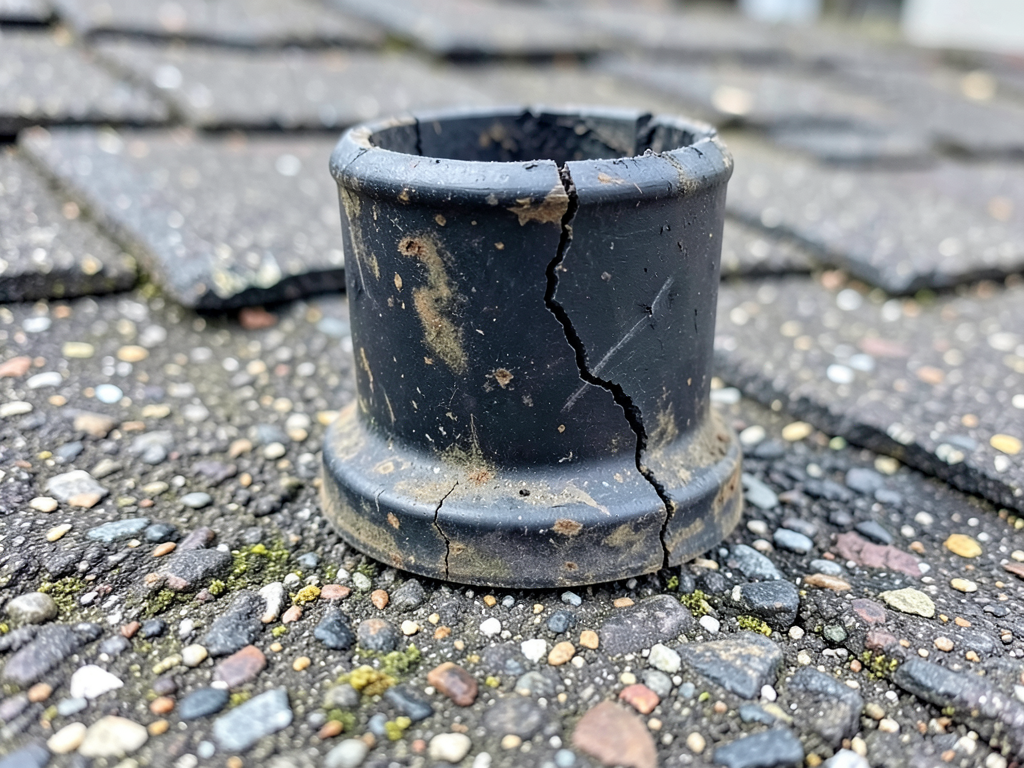
Why Rubber Boots on Roof Pipes Fail First in Speedway
Roof pipe boots are the first components to fail on many Speedway homes because they face constant exposure to Indiana’s harsh seasonal changes. These rubber seals around plumbing vents crack split and deteriorate faster than other roofing materials. The failure happens due to UV exposure temperature swings and the specific soil conditions in Marion County that affect home foundations and roof structures. Indiana Soil Types and Properties.
Local Conditions Speed Up Rubber Boot Failure
Speedway sits on dense clay soil that expands when wet and contracts when dry. This movement puts stress on roof structures over time. The soil here contains high amounts of montmorillonite clay which can swell up to fifteen times its dry volume. When this happens the entire house shifts slightly and that movement creates stress points around roof penetrations.
The water table in Speedway sits between fifteen and twenty five feet below the surface. During wet seasons groundwater rises and the clay soil becomes saturated. This saturation cycle repeats throughout the year and creates a slow but steady movement in home foundations. Roof pipe boots bear the brunt of this movement because they are the most flexible connection point on the roof.
Temperature Swings Break Down Rubber
Indiana weather creates extreme temperature changes that rubber cannot withstand long term. Summer days often reach ninety degrees while winter nights drop below freezing. This ninety degree swing causes rubber to expand and contract repeatedly. Each cycle creates tiny cracks that grow larger over time.
Speedway experiences an average of thirty five days per year above ninety degrees. During these hot days UV radiation breaks down the rubber polymers. The rubber becomes brittle and loses its flexibility. When cold weather returns the already weakened rubber cannot flex without cracking further.
Building Code Requirements for Pipe Boots
The 2017 Indiana Residential Code Section R903.3 requires all roof penetrations to have approved flashing materials. For plumbing vents this means rubber or neoprene boots that create a watertight seal. The code specifies that these boots must accommodate roof movement and temperature changes. 2017 Indiana Residential Code.
Many older homes in Speedway were built before these requirements existed. Homes constructed before nineteen eighty often have basic lead or metal flashing instead of modern rubber boots. These older materials fail faster because they cannot flex with roof movement.
Common Signs of Failing Pipe Boots
During roof inspections technicians look for several warning signs. Cracked rubber around the pipe base indicates advanced deterioration. Gaps between the boot and pipe mean water can enter the roof system. Missing or damaged clamp bands allow wind to lift the boot edges.
Water stains on ceilings below roof vents often point to boot failure. The water travels down the pipe inside the attic before dripping onto ceiling materials. By the time stains appear the damage is already significant.
Homeowners sometimes hear dripping sounds in their attic during rain. This sound means water is entering through failed seals. The sound might stop between storms but the damage continues until repairs are made.
Comparison of Pipe Boot Materials
| Material Type | Average Lifespan | UV Resistance | Cost per Unit |
|---|---|---|---|
| Standard Rubber | 5-7 years | Poor | $15-25 |
| Neoprene | 10-12 years | Good | $25-40 |
| Silicone | 15-20 years | Excellent | $40-60 |
Weather Impact on Roof Components
| Weather Condition | Effect on Boots | Failure Timeline |
|---|---|---|
| UV Exposure | Polymer breakdown | 2-3 years |
| Freeze Thaw | Cracking expansion | 3-5 years |
| High Humidity | Mold growth deterioration | 4-6 years |
Professional Inspection Process
Roof inspectors examine pipe boots from the ground using binoculars first. They look for visible cracks splits or missing pieces. Then they climb onto the roof to check the boot’s seal around the pipe.
Technicians press on the rubber to test flexibility. If the rubber feels hard or crumbles it needs replacement. They also check the clamp bands for tightness and corrosion. The honest cost of a full roof replacement in Indianapolis for 2026.
Inside the attic inspectors look for water stains around vent pipes. They trace the pipe path to find where water enters. Sometimes the boot looks fine from outside but fails at the seal point.
Replacement Options and Costs
Standard rubber boot replacement costs between $150 and $300 per vent. This includes removal of the old boot cleaning the area and installing new materials. The price varies based on roof pitch and accessibility.
Premium neoprene or silicone boots cost more upfront but last longer. These materials resist UV damage better and maintain flexibility in extreme temperatures. The higher initial cost often saves money over time.
Some homeowners upgrade all pipe boots during roof replacement. This prevents future leaks and ensures consistent material quality across the entire roof system.
Prevention Strategies
Annual roof inspections catch boot problems early. Small cracks can be sealed before they become leaks. Inspectors also check for proper pipe flashing and vent stack alignment.
Keeping trees trimmed back reduces debris accumulation around vents. Leaves and branches trap moisture against rubber materials. This trapped moisture accelerates deterioration.
Proper attic ventilation reduces temperature extremes that stress roof components. Cool attics in summer and warm attics in winter minimize the expansion and contraction cycle.
Local Landmarks and Neighborhoods
Homes near the Indianapolis Motor Speedway face unique challenges. The large asphalt track creates a heat island effect that raises local temperatures. This additional heat accelerates rubber boot deterioration in surrounding neighborhoods. The best asphalt shingle brands for Greenwood homes (and why they matter).
Areas along Crawfordsville Road experience more frequent wind events due to open spaces near the track. These winds create uplift forces that stress pipe boot seals more than in sheltered neighborhoods.
Older neighborhoods like Westwood and Grandview have homes with original roofing from the nineteen fifties and sixties. These roofs often have outdated pipe flashing that fails quickly in modern weather conditions. How to navigate a roofing insurance claim in Brownsburg without the headache.
When to Call for Professional Help
Call for inspection if you notice water stains on ceilings or hear dripping in your attic. These signs indicate active leaks that need immediate attention. Small problems become expensive repairs if ignored.
Schedule inspection if your home is more than ten years old and has never had the roof checked. Many pipe boots fail within this timeframe in Indiana’s climate.
Consider inspection after severe weather events. High winds hail or heavy snow can damage pipe boots even if they were in good condition before.
Don’t wait for visible damage to appear. By then water has already entered your home and caused hidden problems. Early detection saves money and prevents structural damage.
Call (317) 703-7557 for professional roof inspection and pipe boot evaluation. Our technicians understand the specific challenges Speedway homes face and can recommend the right solutions for your situation.
Final Recommendations
Replace standard rubber boots every five to seven years as preventive maintenance. This schedule matches the typical failure timeline in Indiana’s climate. Premium materials can extend this to ten to fifteen years.
Document all roof repairs and inspections. This record helps track when replacements are needed and proves maintenance to insurance companies if claims arise.
Choose materials suited for Indiana weather. Silicone and neoprene cost more but handle UV exposure and temperature swings better than standard rubber. The investment pays off through fewer repairs. Should you choose cedar shake or asphalt for your Meridian-Kessler home?.
Work with contractors familiar with local conditions. They understand how Speedway’s soil water table and weather patterns affect roofing systems. This knowledge leads to better material choices and installation techniques. Roofing Beech Grove.
Protect your home by addressing pipe boot issues before they cause major damage. Small investments in maintenance prevent costly repairs to ceilings walls and insulation. Your roof protects everything inside your home make sure it can do its job.
Need help with your roof pipe boots? Call (317) 703-7557 today. We serve all of Speedway and surrounding areas with expert roof inspection and repair services. Don’t let small problems become big expenses.
{
“@context”: “https://schema.org”,
“@type”: “BlogPosting”,
“headline”: “Why the rubber boots on your roof pipes are the first thing to fail in Speedway”,
“description”: “Learn why rubber pipe boots fail first on Speedway roofs and how local weather, soil, and building codes impact your home’s roof integrity.”,
“wordCount”: 1330,
“datePublished”: “2026-04-13T13:02:00.000Z”,
“dateModified”: “2026-04-13T13:02:00.000Z”,
“inLanguage”: “en-US”,
“mainEntityOfPage”: {
“@type”: “WebPage”,
“@id”: “https://eliteroofingindianapolis.com”
},
“publisher”: {
“@type”: “LocalBusiness”,
“name”: “Elite Roofing Indianapolis”,
“url”: “https://eliteroofingindianapolis.com”
},
“author”: {
“@type”: “Organization”,
“name”: “Elite Roofing Indianapolis”,
“url”: “https://eliteroofingindianapolis.com”
},
“image”: {
“@type”: “ImageObject”,
“url”: “https://eliteroofingindianapolis.com/wp-content/uploads/2026/03/why-the-rubber-boots-on-your-roof-pipes-are-the-fi-1.png”
}
}
{
“@context”: “https://schema.org”,
“@type”: “RoofingContractor”,
“name”: “Elite Roofing Indianapolis”,
“url”: “https://eliteroofingindianapolis.com”,
“address”: {
“@type”: “PostalAddress”,
“addressLocality”: “Indianapolis”
},
“areaServed”: {
“@type”: “City”,
“name”: “Indianapolis”
}
}
{
“@context”: “https://schema.org”,
“@type”: “BreadcrumbList”,
“itemListElement”: [
{
“@type”: “ListItem”,
“position”: 1,
“name”: “Home”,
“item”: “https://eliteroofingindianapolis.com”
},
{
“@type”: “ListItem”,
“position”: 2,
“name”: “Blog”,
“item”: “https://eliteroofingindianapolis.com/blog”
},
{
“@type”: “ListItem”,
“position”: 3,
“name”: “Why the rubber boots on your roof pipes are the first thing to fail in Speedway”
}
]
}
{
“@context”: “https://schema.org”,
“@type”: “Service”,
“serviceType”: “Roofing”,
“provider”: {
“@type”: “LocalBusiness”,
“name”: “Elite Roofing Indianapolis”,
“url”: “https://eliteroofingindianapolis.com”
},
“areaServed”: {
“@type”: “City”,
“name”: “Indianapolis”
},
“description”: “Learn why rubber pipe boots fail first on Speedway roofs and how local weather, soil, and building codes impact your home’s roof integrity.”
}