
Flat Roof Maintenance and Repair Options for Downtown Indianapolis Businesses
Flat roofs on downtown Indianapolis commercial buildings face unique challenges from our region’s freeze-thaw cycles, heavy spring storms, and urban heat island effect. Property managers need reliable maintenance and repair options that protect their investment and prevent costly water damage. This guide covers the most effective flat roofing systems, maintenance schedules, and repair solutions specifically for Indianapolis commercial properties. Indiana Department of Environmental Management.
Common Flat Roofing Systems for Indianapolis Commercial Buildings
Downtown Indianapolis businesses typically choose from three main flat roofing materials, each with distinct advantages for our climate and building codes.
TPO (Thermoplastic Polyolefin)
TPO membranes offer excellent energy efficiency with their reflective white surface, reducing cooling costs during humid Indiana summers. The material resists UV damage and handles thermal expansion from our extreme temperature swings. Most TPO installations in Marion County meet or exceed the 2018 Indiana Residential Code requirements for commercial roofing.
EPDM (Ethylene Propylene Diene Terpolymer)
Black EPDM provides superior durability and handles ponding water better than other options. The rubber material remains flexible in freezing temperatures, preventing cracks during winter expansion. Many older buildings in the Wholesale District still use EPDM due to its proven track record since the 1980s.
PVC (Polyvinyl Chloride)
PVC membranes resist chemical exposure and provide the best fire resistance rating. The heat-welded seams create a monolithic surface that prevents water infiltration. Downtown restaurants and industrial facilities often choose PVC for its resistance to grease and oil exposure.
Seasonal Maintenance Requirements for Indianapolis Flat Roofs
Indianapolis weather creates specific maintenance needs throughout the year. Following a seasonal schedule prevents minor issues from becoming major repairs.
Spring Maintenance Protocol
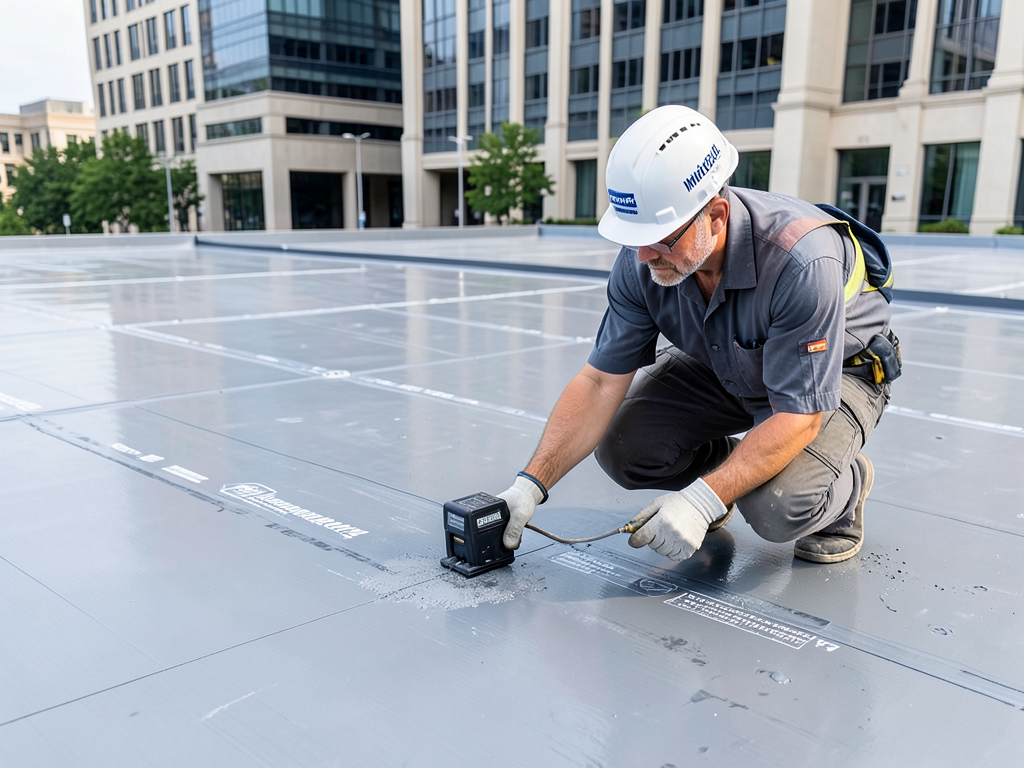
After winter’s freeze-thaw cycles, inspect for membrane punctures from ice or debris. Check all seams for separation and examine drainage systems for clogs from spring debris. The Indiana Department of Environmental Management requires proper drainage to prevent runoff contamination.
Summer Inspection Checklist
High humidity promotes algae growth on TPO surfaces. Clean algae buildup prevents surface degradation. Check for heat-related expansion issues around rooftop equipment and ensure HVAC units don’t cause excessive wear on membrane edges.
Fall Preparation Steps
Clean gutters and drains before leaf season begins. Remove all debris that could trap moisture against the membrane. Inspect flashing around rooftop penetrations for gaps that could allow water intrusion during winter storms.
Winter Protection Measures
Heavy snow loads require structural integrity checks. Remove excessive snow accumulation to prevent ponding when it melts. Ice dam formation at roof edges indicates drainage problems that need immediate attention.
Emergency Repair Solutions for Downtown Indianapolis
When leaks occur, quick response prevents interior damage to your business operations. Understanding your repair options helps make informed decisions during emergencies.
Temporary Emergency Patching
Emergency patches using EPDM tape or TPO-compatible sealants provide immediate water protection. These solutions work best when applied to clean, dry surfaces and can last several months until permanent repairs begin.
Seam Repair Techniques
Failed seams cause most flat roof leaks. Heat welding repairs TPO and PVC seams, while adhesive patching works for EPDM. Proper seam repair requires matching the original material and following manufacturer specifications.
Drainage System Repairs
Clogged or damaged drains cause ponding water that accelerates membrane deterioration. Indianapolis building codes require minimum 1% slope for flat roofs. Repairs often involve replacing drain assemblies or adding crickets to direct water flow.
Flashing Replacement
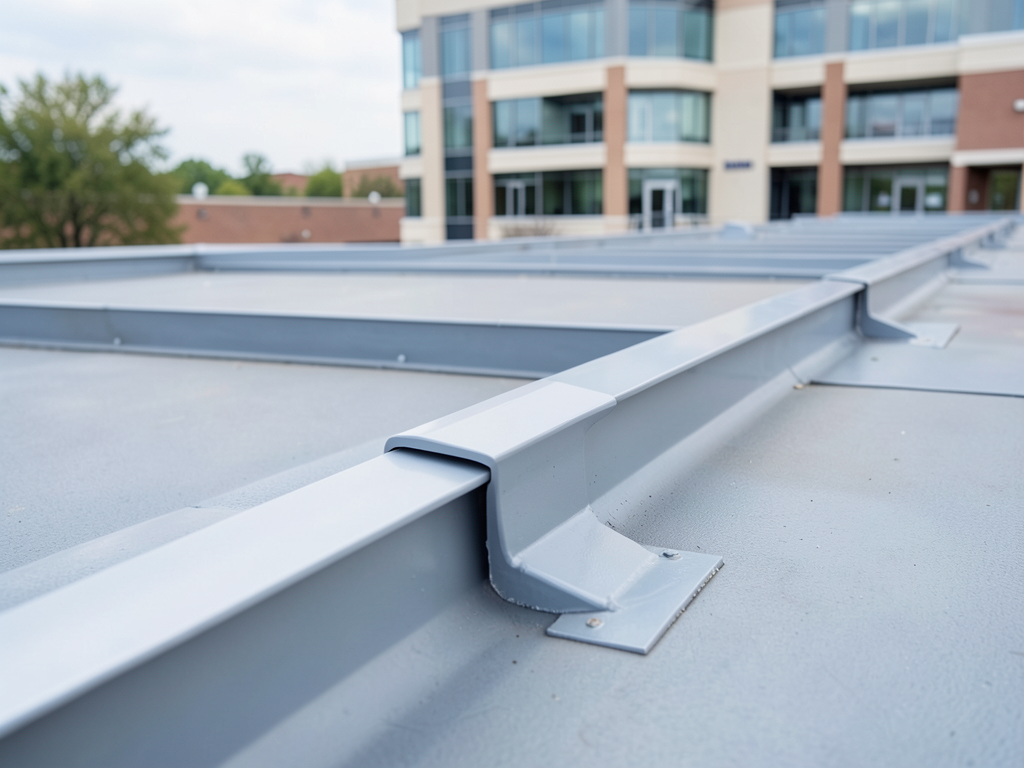
Failed flashing around HVAC units, vents, and roof edges allows water intrusion. Replacement involves removing old material, cleaning the substrate, and installing new flashing with proper sealants. Metal flashing lasts longer than rubber alternatives in our climate.
Preventative Maintenance Programs for Indianapolis Businesses
Regular maintenance extends roof life and prevents emergency repairs. Commercial property managers should implement comprehensive maintenance programs.
Quarterly Inspection Schedule
Professional inspections every three months identify developing issues before they cause damage. Technicians check membrane condition, seam integrity, drainage function, and rooftop equipment mounting. The National Roofing Contractors Association recommends biannual inspections minimum. National Roofing Contractors Association.
Debris Removal Protocol
Remove leaves, branches, and trash that accumulate on flat surfaces. Debris traps moisture against the membrane and provides habitat for pests. Indianapolis’s mature tree canopy creates significant debris challenges for downtown properties.
Drainage System Maintenance
Clean roof drains, scuppers, and gutters quarterly. Test water flow during heavy rain events. Indianapolis’s combined sewer system requires proper drainage to prevent street flooding and backups.
Roof Coating Applications
Reflective roof coatings extend membrane life by 5-10 years. Coatings reduce UV damage and improve energy efficiency. Most coatings require reapplication every 5-7 years depending on exposure and foot traffic.
Cost Factors for Flat Roof Repairs in Downtown Indianapolis
Repair costs vary based on material type, damage extent, and building access. Understanding these factors helps budget for maintenance.
Material-Specific Repair Costs
TPO repairs typically cost $400-800 per repair area. EPDM repairs run $300-700. PVC repairs average $500-900 due to specialized welding equipment requirements. Material costs have increased 15% since 2023 due to supply chain issues.
Labor Considerations
Downtown locations require additional labor due to limited parking and equipment access. Repairs during business hours may require noise mitigation. Most contractors charge 20-30% premium for downtown work compared to suburban locations.
Permit Requirements
Marion County requires permits for roof repairs exceeding 100 square feet or involving structural changes. Permit fees range from $150-500 depending on project scope. Some historic districts require additional approvals.
Insurance Coverage
Commercial property insurance often covers sudden damage but excludes normal wear and tear. Document all maintenance to support insurance claims. Many policies require professional inspections to maintain coverage.
Choosing the Right Contractor for Your Indianapolis Business
Selecting qualified contractors ensures quality repairs and warranty protection. Indianapolis businesses should verify credentials before hiring.
License and Insurance Verification
Indiana requires roofing contractors to carry liability insurance and workers’ compensation. Verify current licenses through the Indiana Professional Licensing Agency. Ask for certificates of insurance before work begins.
Manufacturer Certifications
Certified contractors receive extended warranties and specialized training. GAF Master Elite, Carlisle SynTec, and Firestone certification indicate manufacturer-approved installation techniques.
Local Experience Assessment
Contractors familiar with downtown Indianapolis understand local building codes, permit processes, and logistical challenges. Ask for references from similar commercial properties in your area.
Service Response Time
Emergency repairs require quick response. Ask about average response times and after-hours availability. Most Indianapolis contractors offer 24/7 emergency service for commercial clients.
Frequently Asked Questions
How often should I inspect my flat commercial roof in Indianapolis?
Professional inspections should occur quarterly, with additional checks after severe weather events. The freeze-thaw cycles in Indianapolis make frequent inspections essential for early problem detection.
What’s the average lifespan of a flat roof in downtown Indianapolis?
Properly maintained flat roofs last 20-30 years depending on material. TPO and PVC typically reach 25-30 years, while EPDM averages 20-25 years. Harsh winters and humid summers can reduce these estimates by 5-10 years without proper maintenance.
Are roof coatings worth the investment for Indianapolis businesses?
Yes, reflective coatings reduce cooling costs by 10-15% during summer months and extend membrane life by 5-10 years. The energy savings often offset the coating cost within 3-5 years.
What permits are required for flat roof repairs in Indianapolis?
Repairs over 100 square feet or involving structural changes require Marion County permits. Historic district properties may need additional approvals. Your contractor should handle permit acquisition as part of the repair process.
How can I prevent ice dams on my flat roof?
Proper insulation and ventilation prevent ice dam formation. Ensure minimum 1% slope for drainage and keep drains clear of debris. Consider heat tape installation in problem areas where ice accumulation is common.
Protect Your Indianapolis Business Investment
Flat roof maintenance and timely repairs protect your commercial property from water damage, energy loss, and structural issues. Indianapolis’s unique climate demands specialized knowledge and regular attention to prevent costly problems.
Don’t wait for leaks to appear before taking action. Call (317) 703-7557 today to schedule your professional roof inspection. Our experienced technicians understand downtown Indianapolis building requirements and can recommend the best maintenance or repair solutions for your specific situation. Quick action now prevents expensive emergency repairs later.
Pick up the phone and call (317) 703-7557 before the next storm hits. Your business deserves reliable protection from qualified Indianapolis roofing professionals who understand our local challenges.
{
“@context”: “https://schema.org”,
“@type”: “BlogPosting”,
“headline”: “Flat roof maintenance and repair options for downtown Indianapolis businesses”,
“description”: “Expert flat roof maintenance and repair services for downtown Indianapolis businesses. Learn about TPO, EPDM, and PVC systems, emergency repairs, and seasonal maintenance.”,
“wordCount”: 1371,
“datePublished”: “2026-02-19T11:13:00.000Z”,
“dateModified”: “2026-02-19T11:13:00.000Z”,
“inLanguage”: “en-US”,
“mainEntityOfPage”: {
“@type”: “WebPage”,
“@id”: “https://eliteroofingindianapolis.com”
},
“publisher”: {
“@type”: “LocalBusiness”,
“name”: “Elite Roofing Indianapolis”,
“url”: “https://eliteroofingindianapolis.com”
},
“author”: {
“@type”: “Organization”,
“name”: “Elite Roofing Indianapolis”,
“url”: “https://eliteroofingindianapolis.com”
},
“image”: {
“@type”: “ImageObject”,
“url”: “https://eliteroofingindianapolis.com/wp-content/uploads/2026/03/flat-roof-maintenance-and-repair-options-for-downt-1.png”
}
}
{
“@context”: “https://schema.org”,
“@type”: “RoofingContractor”,
“name”: “Elite Roofing Indianapolis”,
“url”: “https://eliteroofingindianapolis.com”,
“address”: {
“@type”: “PostalAddress”,
“addressLocality”: “Indianapolis”
},
“areaServed”: {
“@type”: “City”,
“name”: “Indianapolis”
}
}
{
“@context”: “https://schema.org”,
“@type”: “FAQPage”,
“mainEntity”: [
{
“@type”: “Question”,
“name”: “How often should I inspect my flat commercial roof in Indianapolis?”,
“acceptedAnswer”: {
“@type”: “Answer”,
“text”: “Professional inspections should occur quarterly, with additional checks after severe weather events. The freeze-thaw cycles in Indianapolis make frequent inspections essential for early problem detection.”
}
},
{
“@type”: “Question”,
“name”: “What’s the average lifespan of a flat roof in downtown Indianapolis?”,
“acceptedAnswer”: {
“@type”: “Answer”,
“text”: “Properly maintained flat roofs last 20-30 years depending on material. TPO and PVC typically reach 25-30 years, while EPDM averages 20-25 years. Harsh winters and humid summers can reduce these estimates by 5-10 years without proper maintenance.”
}
},
{
“@type”: “Question”,
“name”: “Are roof coatings worth the investment for Indianapolis businesses?”,
“acceptedAnswer”: {
“@type”: “Answer”,
“text”: “Yes, reflective coatings reduce cooling costs by 10-15% during summer months and extend membrane life by 5-10 years. The energy savings often offset the coating cost within 3-5 years.”
}
},
{
“@type”: “Question”,
“name”: “What permits are required for flat roof repairs in Indianapolis?”,
“acceptedAnswer”: {
“@type”: “Answer”,
“text”: “Repairs over 100 square feet or involving structural changes require Marion County permits. Historic district properties may need additional approvals. Your contractor should handle permit acquisition as part of the repair process.”
}
},
{
“@type”: “Question”,
“name”: “How can I prevent ice dams on my flat roof?”,
“acceptedAnswer”: {
“@type”: “Answer”,
“text”: “Proper insulation and ventilation prevent ice dam formation. Ensure minimum 1% slope for drainage and keep drains clear of debris. Consider heat tape installation in problem areas where ice accumulation is common.”
}
}
]
}
{
“@context”: “https://schema.org”,
“@type”: “BreadcrumbList”,
“itemListElement”: [
{
“@type”: “ListItem”,
“position”: 1,
“name”: “Home”,
“item”: “https://eliteroofingindianapolis.com”
},
{
“@type”: “ListItem”,
“position”: 2,
“name”: “Blog”,
“item”: “https://eliteroofingindianapolis.com/blog”
},
{
“@type”: “ListItem”,
“position”: 3,
“name”: “Flat roof maintenance and repair options for downtown Indianapolis businesses”
}
]
}
{
“@context”: “https://schema.org”,
“@type”: “Service”,
“serviceType”: “Roofing”,
“provider”: {
“@type”: “LocalBusiness”,
“name”: “Elite Roofing Indianapolis”,
“url”: “https://eliteroofingindianapolis.com”
},
“areaServed”: {
“@type”: “City”,
“name”: “Indianapolis”
},
“description”: “Expert flat roof maintenance and repair services for downtown Indianapolis businesses. Learn about TPO, EPDM, and PVC systems, emergency repairs, and seasonal maintenance.”
}